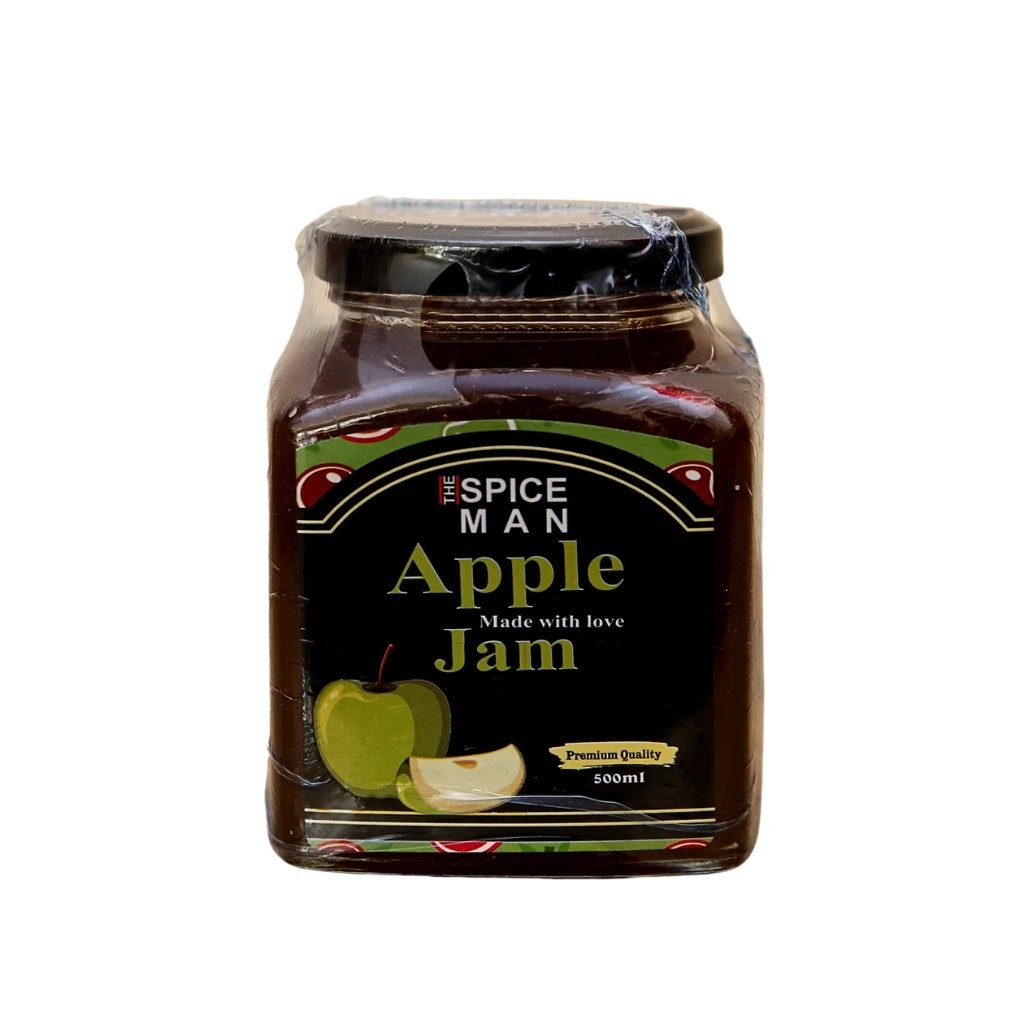
Learn how to make apple fruit jam safely with this complete expert guide, designed for both beginners and seasoned cooks. This guide covers essential techniques, ingredient selection, and safety protocols to ensure your homemade jam is not only delicious but also safe for consumption. Following these expert protocols is crucial to prevent spoilage and ensure a perfect set, allowing you to enjoy the rich flavors of apples year-round.
What This Guide Covers (And What It Doesn’t)

This guide provides a thorough exploration of making apple fruit jam, detailing the necessary ingredients, equipment, and step-by-step instructions for safe preparation and canning. With this information, you can ensure that your apple jam is not only delicious but also preserved securely for long-term storage. However, it does not include recipes for other types of fruit jams or jellies, nor does it discuss alternative preservation methods like freezing or dehydrating. Tailored for home cooks with basic kitchen skills, this guide aims to empower you to create delightful and safely preserved apple jam for personal use.
Who Should Read This

This guide is crafted for home cooks eager to make their own preserves, especially those who appreciate the taste and versatility of apple fruit jam. It is particularly suited for individuals who have some experience with fundamental cooking techniques and are familiar with kitchen equipment such as canners, jars, and measuring tools. If you have never made jam before or lack experience in food preservation, you may find this guide challenging without additional resources or support.
The Step-by-Step Protocol
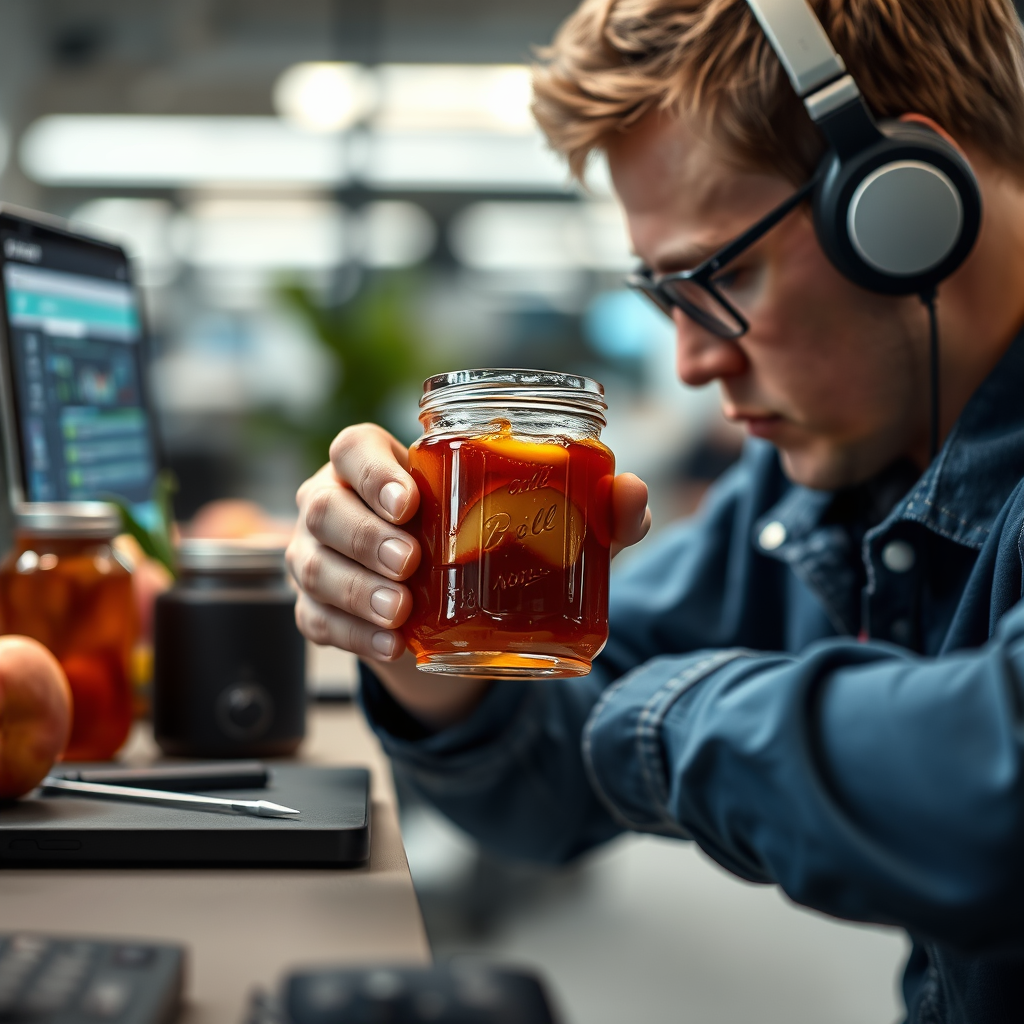
1. Gather Ingredients and Equipment: You will need 4 cups of peeled and chopped apples, 1 cup of granulated sugar, 1 tablespoon of lemon juice, and 1/2 teaspoon of ground cinnamon. Prepare canning jars, lids, and a water bath canner. Ensure all equipment is clean and sterilized to prevent contamination.
2. Prepare the Apples: Wash, peel, core, and chop the apples into small pieces. Aim for uniformity in size to ensure even cooking. Measure out exactly 4 cups and place them in a large, heavy-bottomed pot to avoid scorching during cooking.
3. Cook the Mixture: Add the sugar, lemon juice, and cinnamon to the pot with apples. Cook over medium heat, stirring frequently to dissolve the sugar completely. Continue cooking until the mixture starts to boil, which should take about 10 minutes. The apples should begin to soften significantly at this point.
4. Process the Jam: Once boiling, reduce the heat and simmer for an additional 15-20 minutes, stirring regularly. The jam should reach a thick consistency; use a candy thermometer to ensure it reaches 220°F to confirm proper gel formation. If you do not have a thermometer, perform the “plate test” by placing a spoonful of the jam on a cold plate and letting it sit for a minute. Run your finger through it; if it holds its shape, it is ready.
5. Canning the Jam: Pour the hot jam into sterilized jars, leaving 1/4 inch of headspace at the top. Wipe the rims of the jars to remove any residue that could prevent a proper seal. Place the sterilized lids on the jars and screw on the metal bands until they are fingertip-tight. Process the jars in a water bath canner for 10 minutes to ensure they seal properly.
Nutritional Profile of Apple Jam (Per Serving)
| # | Nutrient | Amount per Serving | % Daily Value | Notes |
|---|---|---|---|---|
| 1 | Calories | 56 | 3% | Per tablespoon |
| 2 | Total Fat | 0g | 0% | No fat content |
| 3 | Sodium | 1mg | 0% | Low sodium |
| 4 | Total Carbohydrates | 15g | 5% | Contains sugars |
| 5 | Sugars | 13g | 14% | Natural and added sugars |
| 6 | Protein | 0g | 0% | No protein content |
| 7 | Fiber | 0g | 0% | Minimal fiber |
| 8 | Calcium | 1mg | 0% | Trace amounts |
| 9 | Iron | 0.1mg | 1% | Trace amounts |
| 10 | Vitamin C | 0mg | 0% | No vitamin C |
Warning Signs: When Not to Follow This
Avoid attempting this recipe if you have allergies to apples or any of the ingredients used, as this can lead to serious health risks. If you notice signs of spoilage in your apples, such as mold, off-smells, or discoloration, do not proceed with making apple jam, as this can compromise its safety. Additionally, if you lack proper canning equipment or are unsure of your canning skills, it’s wise to seek assistance or choose a different preservation method.
The Most Common Mistakes (And Their Consequences)

One common mistake is incorrect measurement of the apples, which can lead to a jam that is either too runny or too thick. Always use a measuring cup for accuracy to ensure the desired consistency. Skipping the sterilization of jars can introduce bacteria, resulting in spoilage or foodborne illness. Therefore, make sure jars are properly sterilized before use. Failing to check the temperature of the jam can result in undercooked or overcooked jam, negatively impacting flavor and texture. For best results, use a reliable candy thermometer.
Special Cases That Need a Different Approach
When using heirloom apple varieties that are particularly juicy, consider slightly reducing the sugar content to prevent the jam from becoming overly sweet. For those with dietary restrictions, substituting granulated sugar with a low-sugar alternative or using pectin designed for low-sugar recipes can be a good option, with adjustments made accordingly. If you plan to make a larger batch (more than 8 cups of jam), process the jars in multiple batches to ensure they are sealed and preserved properly.
When You Need a Professional
If you encounter health issues related to food preservation, such as food allergies or intolerances, consult a healthcare professional to discuss safe food practices. Should you suspect your canned jam has spoiled after processing (e.g., leakage, bulging lids), do not taste it; instead, discard it and consult a food safety expert for guidance. If you have lingering doubts about your canning process or food preservation methods, consider reaching out to a local extension service or a certified canning expert for advice.
Sources and Further Reading
Refer to the USDA’s Complete Guide to Home Canning for authoritative guidelines on safe canning practices and food preservation techniques. The National Center for Home Food Preservation provides research-based information on canning, freezing, drying, and preserving foods safely. Additionally, check out “The Ball Book of Canning and Preserving” for a collection of reliable recipes and tips for home canning, including apple jam and other fruit preserves.
By following this expert guide, you can confidently create your own apple fruit jam, ensuring both flavor and safety in your homemade preserves. Enjoy the process, and savor the results!
Frequently Asked Questions
What are the basic ingredients needed for an apple fruit jam recipe?
To make a simple apple fruit jam, you will need fresh apples, sugar, lemon juice, and pectin. The apples should be peeled, cored, and chopped, while the sugar helps to sweeten the jam and preserve it. Lemon juice adds acidity, which balances the sweetness and enhances flavor, while pectin is essential for achieving the desired jam consistency.
How do you prepare apples for making jam?
Preparing apples for jam involves washing, peeling, and coring the fruit before chopping it into small pieces. It’s important to use ripe apples for the best flavor, and you can mix different varieties to enhance the taste. After chopping, you can soak the apples in lemon juice to prevent browning and enhance the flavor before cooking.
Why is pectin important in an apple fruit jam recipe?
Pectin is crucial in an apple fruit jam recipe because it helps the jam to thicken and set properly. Without enough pectin, the jam can turn out runny and won’t have the desired spreadable consistency. Many recipes include commercial pectin, but apples naturally contain pectin, so using a mix of both can yield great results.
What is the best method for canning apple fruit jam?
The best method for canning apple fruit jam is to use a water bath canning process. First, fill sterilized jars with hot jam, leaving a small headspace. Then, seal the jars with lids and process them in boiling water for about 10-15 minutes to ensure they are preserved and safe for long-term storage.
Which apple varieties are best for making jam?
The best apple varieties for making jam include Granny Smith for their tartness, Honeycrisp for sweetness, and Fuji for a balanced flavor. Combining different types can enhance the overall taste and texture of your jam. Make sure to choose firm apples, as they hold up better during cooking and contribute to a nice consistency.
References
- Fruit preserves
https://en.wikipedia.org/wiki/Jam - https://www.uga.edu/extension/food-safety/fruit-jams-jellies.html
https://www.uga.edu/extension/food-safety/fruit-jams-jellies.html - https://www.nutrition.gov/topics/nutrition-101/food-preservation/jams-and-jellies
https://www.nutrition.gov/topics/nutrition-101/food-preservation/jams-and-jellies - https://www.k-state.edu/extension/horticulture/food-preservation/jams-jellies/index.html
https://www.k-state.edu/extension/horticulture/food-preservation/jams-jellies/index.html - https://www.oregon.gov/oda/programs/food-safety/Documents/jamrecipe.pdf
https://www.oregon.gov/oda/programs/food-safety/Documents/jamrecipe.pdf - https://pubmed.ncbi.nlm.nih.gov/29969168/
https://pubmed.ncbi.nlm.nih.gov/29969168/ - https://www.sciencedirect.com/topics/agricultural-and-biological-sciences/jam
https://www.sciencedirect.com/topics/agricultural-and-biological-sciences/jam - Google Scholar Google Scholar
https://scholar.google.com/scholar?q=apple+fruit+jam+recipe - Google Scholar Google Scholar
https://scholar.google.com/scholar?q=homemade+apple+jam+recipe - Google Scholar Google Scholar
https://scholar.google.com/scholar?q=fruit+preservation+techniques+jam