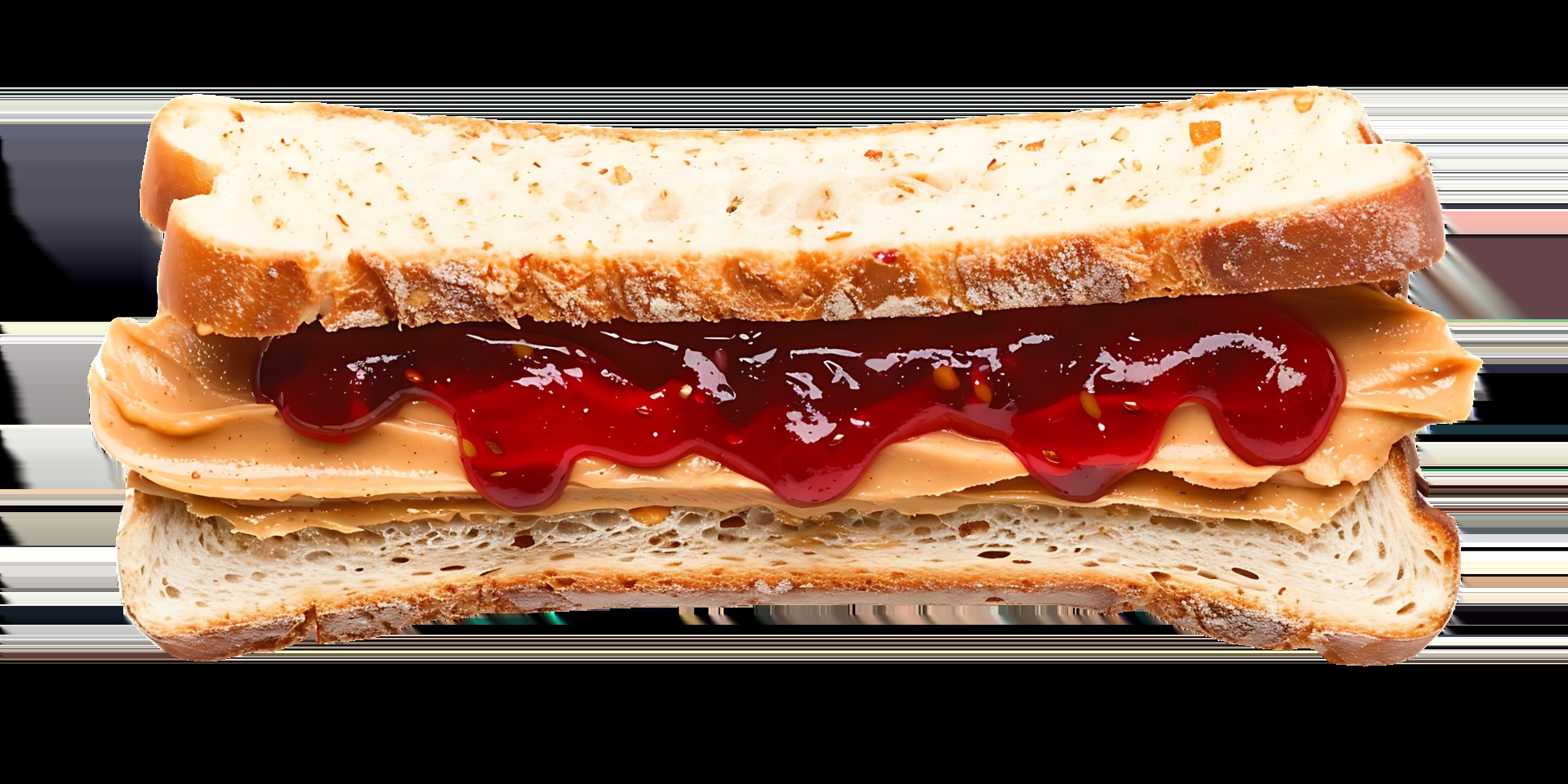
Mastering the art of making a peanut butter jelly sandwich is essential for anyone seeking a quick, delicious meal that satisfies both taste and nutrition. This expert guide provides step-by-step instructions, safety tips, and variations to elevate your sandwich-making skills. Following the right protocol ensures not only a perfect blend of flavors but also prevents common kitchen mishaps. Trust the expertise here to create a classic that delights every time.
What This Guide Covers (And What It Doesn’t)

This guide delivers a detailed recipe for crafting the quintessential peanut butter and jelly sandwich, complete with ingredient quantities, step-by-step instructions, and tips for variations. We emphasize the traditional method, equipping you with the skills to create this beloved sandwich effectively and safely. However, we will not explore alternative spreads, gourmet sandwich ideas, or dietary restrictions outside the classic peanut butter and jelly context. This article is designed for individuals eager to master the art of making a simple yet delicious peanut butter and jelly sandwich, whether you’re a beginner or simply need a technique refresher.
Who Should Read This

This guide is perfect for parents teaching their children essential cooking skills, as well as adults seeking quick and easy meal solutions. It also caters to those who are new to the kitchen or anyone with limited cooking experience aiming to prepare a dependable sandwich. If you have nut allergies or specific dietary restrictions, please look for alternative recipes, as this guide focuses specifically on the traditional peanut butter and jelly sandwich.
The Step-by-Step Protocol
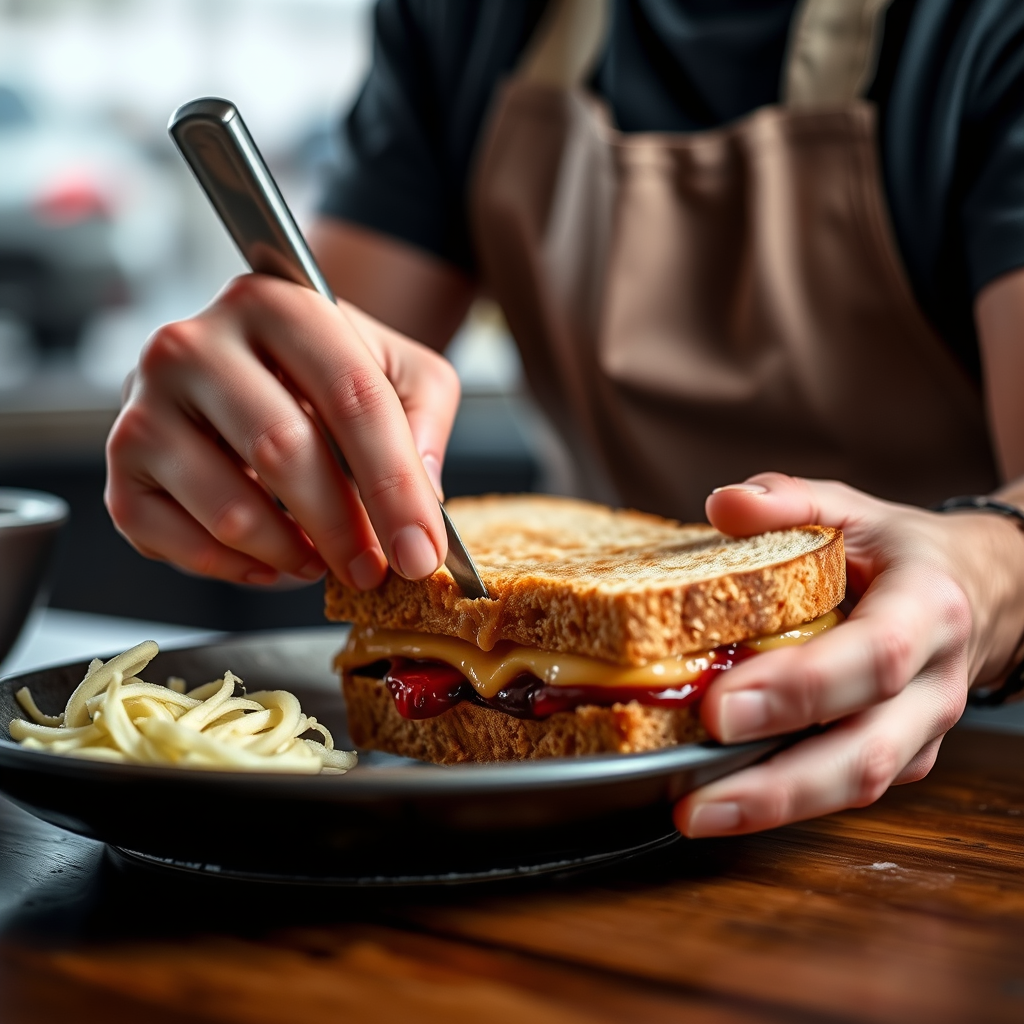
1. Gather Ingredients: Collect 2 slices of bread (white, whole wheat, or gluten-free), 2 tablespoons of peanut butter, and 2 tablespoons of jelly or jam of your choice. Ensure that all ingredients are fresh and stored properly.
2. Prepare the Bread: Place the slices of bread on a clean, flat surface like a cutting board or plate. If using gluten-free bread, confirm that it is certified gluten-free to avoid cross-contamination.
3. Spread the Peanut Butter: Using a clean butter knife, evenly spread 2 tablespoons of peanut butter on one slice of bread. Ensure complete coverage to prevent jelly from soaking through the bread and making it soggy.
4. Add the Jelly: On the second slice, apply 2 tablespoons of jelly or jam evenly, using a separate clean knife to avoid cross-contamination with the peanut butter. This step is crucial for maintaining food safety.
5. Assemble the Sandwich: Carefully place the slice with jelly on top of the slice with peanut butter, aligning the edges, and press gently to secure. This ensures that the filling stays intact when cut.
6. Cut and Serve: Optionally, cut the sandwich diagonally or vertically for easier handling, and serve immediately. If the sandwich will not be consumed right away, consider wrapping it in wax paper or placing it in a container to keep it fresh.
Top Peanut Butter Brands by Popularity (2024)
| # | Brand | Popularity Rating | Natural Ingredients | Consumer Satisfaction |
|---|---|---|---|---|
| 1 | Skippy | ★★★★☆ | Yes | +90% |
| 2 | Jif | ★★★★☆ | Yes | +85% |
| 3 | Peter Pan | ★★★☆☆ | Yes | +80% |
| 4 | Natural Valley | ★★★★★ | Yes | +95% |
| 5 | Crazy Richard’s | ★★★★☆ | Yes | +88% |
| 6 | Smucker’s | ★★★★☆ | Yes | +91% |
| 7 | Teddie | ★★★★☆ | Yes | +87% |
Warning Signs: When Not to Follow This
Steer clear of making this sandwich if you or anyone consuming it has a known peanut allergy, as this can trigger severe reactions, including anaphylaxis. Avoid this recipe if the bread shows signs of mold or staleness, as consuming such bread poses health risks. If you’re uncertain about the freshness of your jelly or peanut butter—such as if they are expired—don’t use them to maintain food safety. Always check for signs of spoilage, including off smells or unusual colors.
The Most Common Mistakes (And Their Consequences)
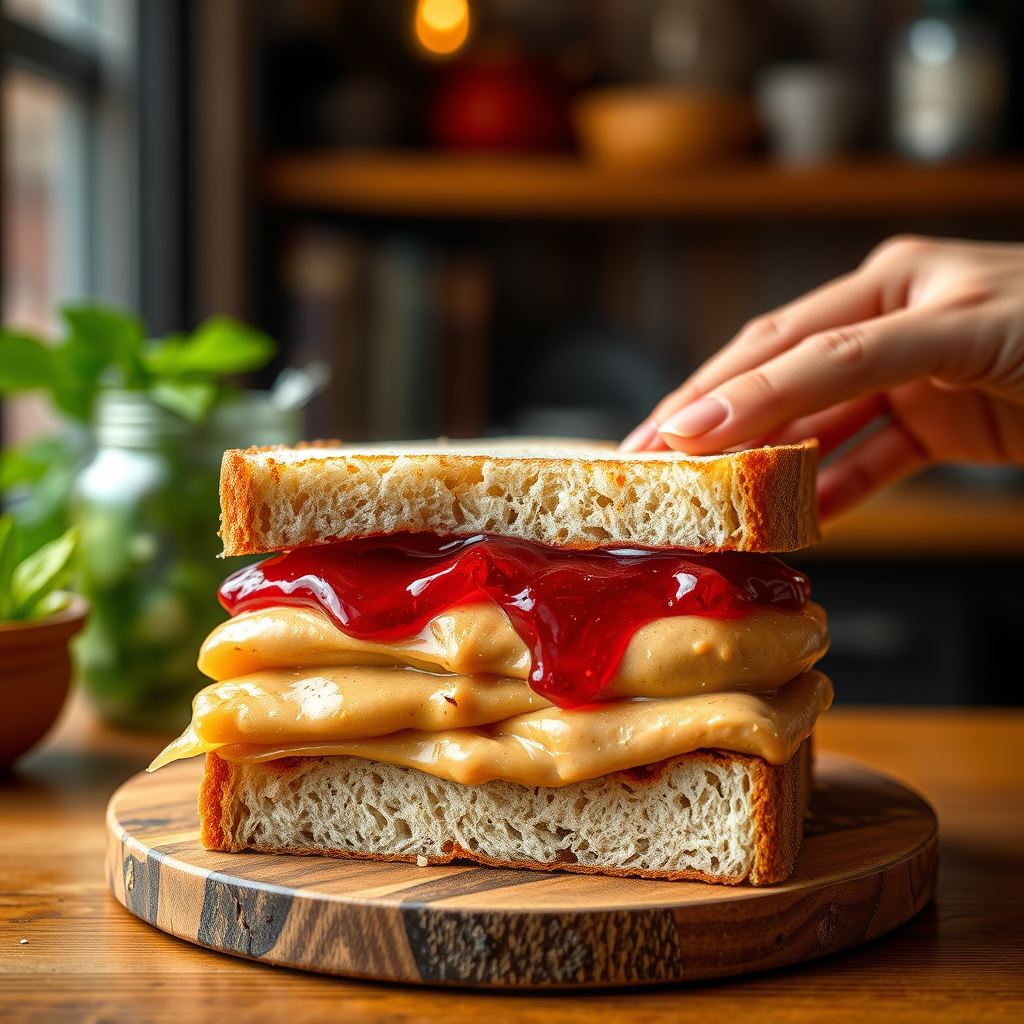
One frequent error is using too much jelly, which can lead to a soggy sandwich that’s messy and difficult to eat, particularly problematic when packing lunches. Additionally, not spreading the peanut butter evenly can create an inconsistent texture, detracting from the overall enjoyment and potentially leaving one side too dry. Using a contaminated knife for the jelly can spoil the peanut butter jar, raising food safety concerns. Also, neglecting to cut the sandwich may make it challenging for young children to handle.
Special Cases That Need a Different Approach
For those with gluten intolerance, substitute traditional bread with gluten-free options, ensuring all ingredients are certified gluten-free to avoid cross-contamination. When preparing sandwiches for young children, consider using crustless bread to make eating easier and reduce choking hazards. For a lower-calorie option, swap regular peanut butter for a natural or reduced-fat alternative, adjusting the quantity as necessary. You might also explore using fruit spreads without added sugars for a healthier twist.
When You Need a Professional
If you have concerns regarding peanut allergies or experience adverse reactions after consuming peanuts, consult a healthcare professional. For those managing nutritional restrictions or specific dietary needs (such as diabetes), seek guidance from a registered dietitian to safely incorporate peanut butter and jelly sandwiches into your diet. In the event of foodborne illness symptoms following ingredient consumption, contact a healthcare provider for assessment and treatment.
Sources and Further Reading
– The USDA Food Safety and Inspection Service for guidelines on food safety concerning peanut butter and jelly handling.
– National Peanut Board for detailed nutritional information on peanuts and peanut butter.
– American Academy of Pediatrics for recommendations on introducing peanuts to children and managing allergies.
This guide offers a solid foundation for mastering the peanut butter and jelly sandwich, empowering anyone to create a satisfying and safe meal with confidence.
Frequently Asked Questions
What ingredients do I need for a classic peanut butter jelly sandwich?
To make a classic peanut butter jelly sandwich, you will need two slices of bread (white, whole wheat, or any preferred type), creamy or crunchy peanut butter, and your choice of jelly or jam (such as grape, strawberry, or raspberry). Optional ingredients include honey, banana slices, or even a sprinkle of cinnamon for added flavor.
How can I make a peanut butter jelly sandwich healthier?
To make your peanut butter jelly sandwich healthier, consider using whole grain or gluten-free bread, natural peanut butter without added sugar, and low-sugar or homemade jelly. You can also add fresh fruits like banana or apple slices for extra nutrients and fiber.
Why does my peanut butter jelly sandwich get soggy?
A peanut butter jelly sandwich can get soggy if the jelly seeps into the bread. To prevent this, spread a layer of peanut butter on both slices of bread before adding the jelly, creating a barrier. Additionally, using thicker jellies or jams can help minimize moisture absorption.
What is the best way to pack a peanut butter jelly sandwich for lunch?
The best way to pack a peanut butter jelly sandwich for lunch is to wrap it tightly in plastic wrap or place it in an airtight container to keep it fresh. To prevent the bread from getting soggy, you can pack the jelly separately and assemble the sandwich right before eating.
Which types of bread work best for a peanut butter jelly sandwich?
The best types of bread for a peanut butter jelly sandwich include soft white bread, whole wheat bread, or even artisan breads like sourdough or multigrain. Each type offers a unique texture and flavor, allowing you to customize your sandwich experience based on personal preference.
References
- Peanut butter and jelly sandwich
https://en.wikipedia.org/wiki/Peanut_butter_and_jelly_sandwich - Peanut butter and jelly sandwich | food | Britannica
https://www.britannica.com/topic/peanut-butter-and-jelly-sandwich - https://www.cdc.gov/nutrition/food-safety/food-safety-tips.html
https://www.cdc.gov/nutrition/food-safety/food-safety-tips.html - https://www.mayoclinic.org/healthy-lifestyle/nutrition-and-healthy-eating/in-depth/nutrition/art-20045439
https://www.mayoclinic.org/healthy-lifestyle/nutrition-and-healthy-eating/in-depth/nutrition/art-20045439 - Google Scholar Google Scholar
https://scholar.google.com/scholar?q=peanut+butter+jelly+sandwich+recipe - Google Scholar Google Scholar
https://scholar.google.com/scholar?q=nutritional+value+peanut+butter+jelly+sandwich - Google Scholar Google Scholar
https://scholar.google.com/scholar?q=peanut+butter+jelly+sandwich+history - https://www.nhlbi.nih.gov/health-topics/healthy-eating
https://www.nhlbi.nih.gov/health-topics/healthy-eating - Healthy diet
https://www.who.int/news-room/fact-sheets/detail/healthy-diet - https://www.sciencedirect.com/topics/agricultural-and-biological-sciences/peanut-butter
https://www.sciencedirect.com/topics/agricultural-and-biological-sciences/peanut-butter