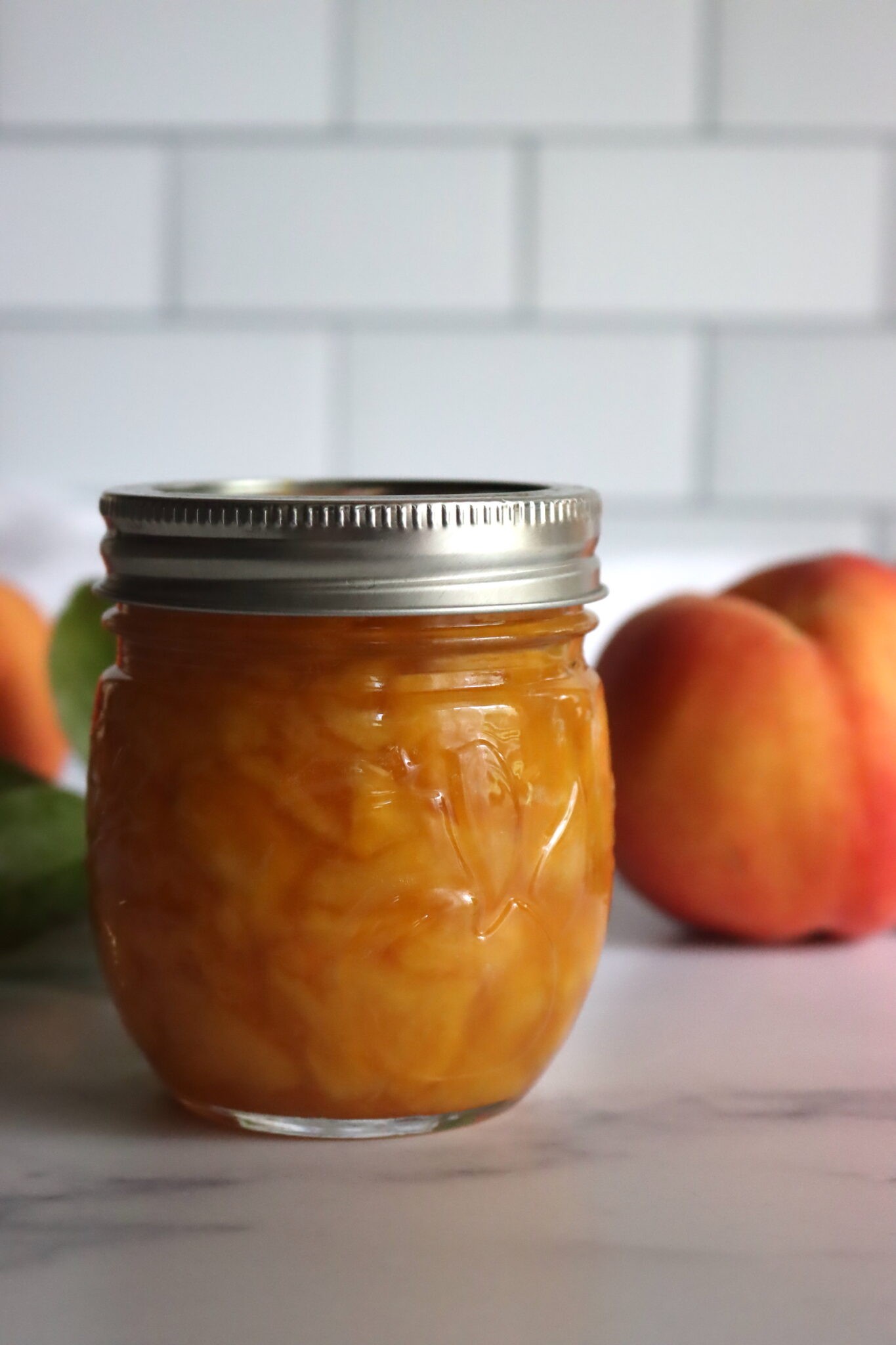
Master the art of canning peach jam with this comprehensive expert guide, designed for both beginners and seasoned preservers. This guide covers essential recipes, safety protocols, and best practices to ensure your jam is not only delicious but also safely prepared. Following these precise methods is crucial to prevent spoilage and ensure a delightful, long-lasting treat.
What This Guide Covers (And What It Doesn’t)
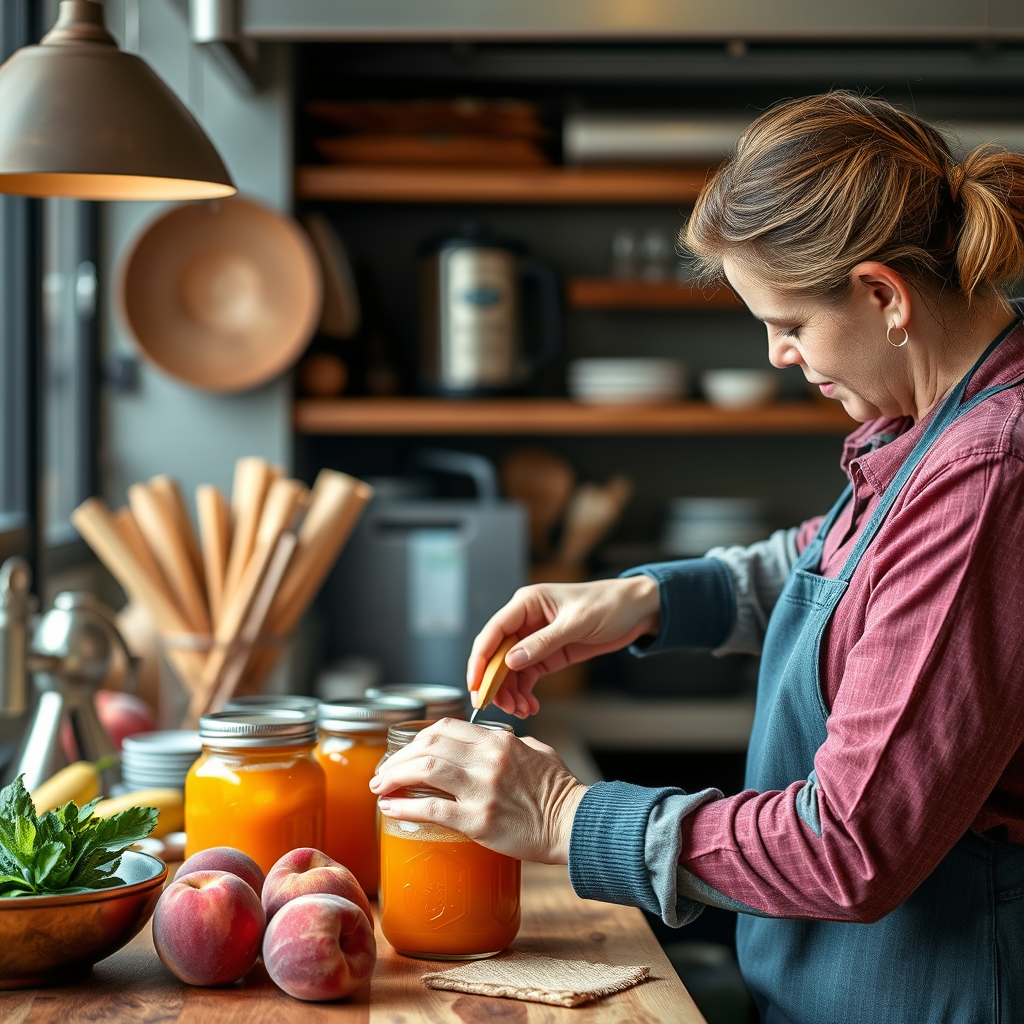
This guide delivers a comprehensive, step-by-step protocol for safely canning peach jam, detailing the precise ingredient quantities, necessary equipment, and processing times. Our goal is to ensure your peach jam is not only delicious but also safe for long-term storage. While it focuses exclusively on this specific recipe, it does not delve into other fruit preserves, jelly-making techniques, or canning methods unrelated to peach jam. Readers will also find valuable tips on food safety and troubleshooting common challenges encountered during the canning process.
Who Should Read This
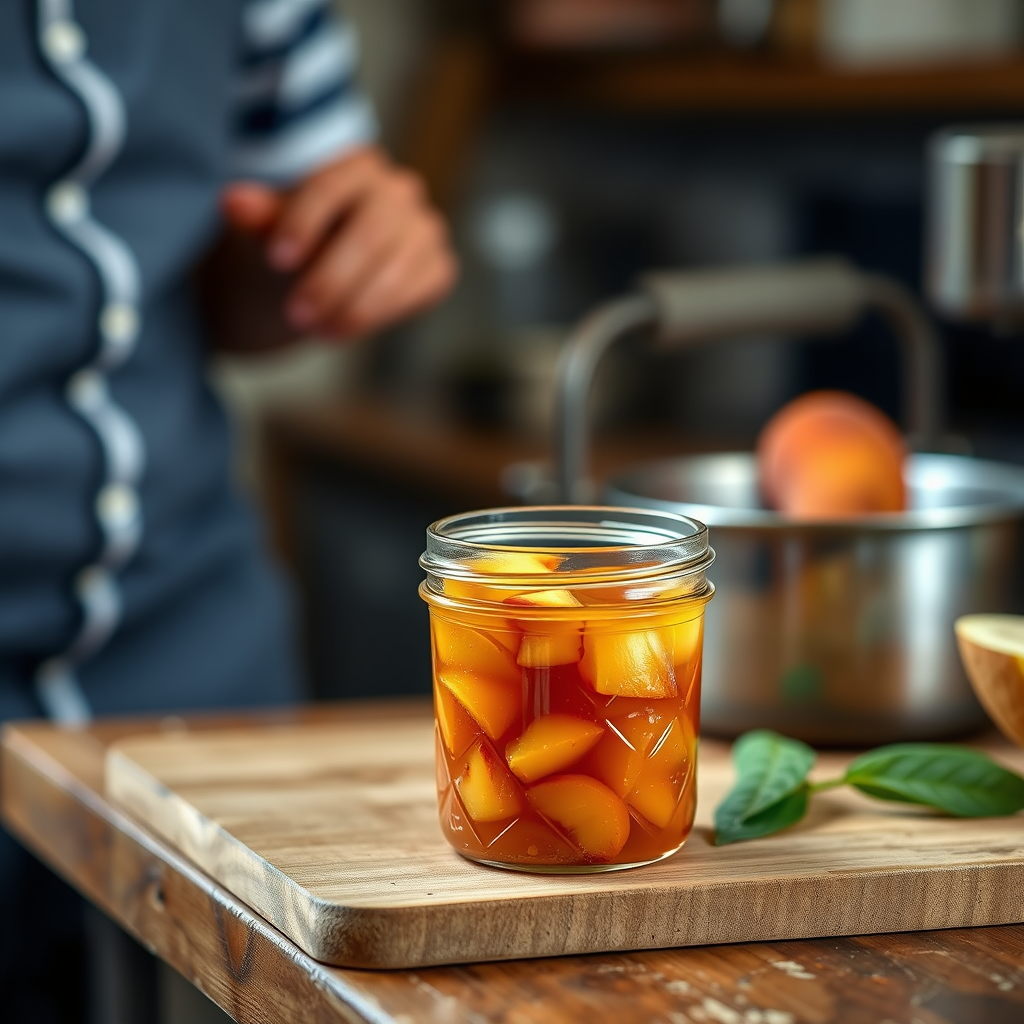
This guide is designed for home canners who possess a basic understanding of food preservation techniques and are familiar with canning equipment. It’s particularly beneficial for those eager to preserve seasonal peaches in a safe and tasty manner, making it suitable for both beginners and intermediate canners. Additionally, individuals with health concerns or specific dietary restrictions should consider their needs when selecting ingredients, as the guide offers suggestions for alternatives.
The Step-by-Step Protocol
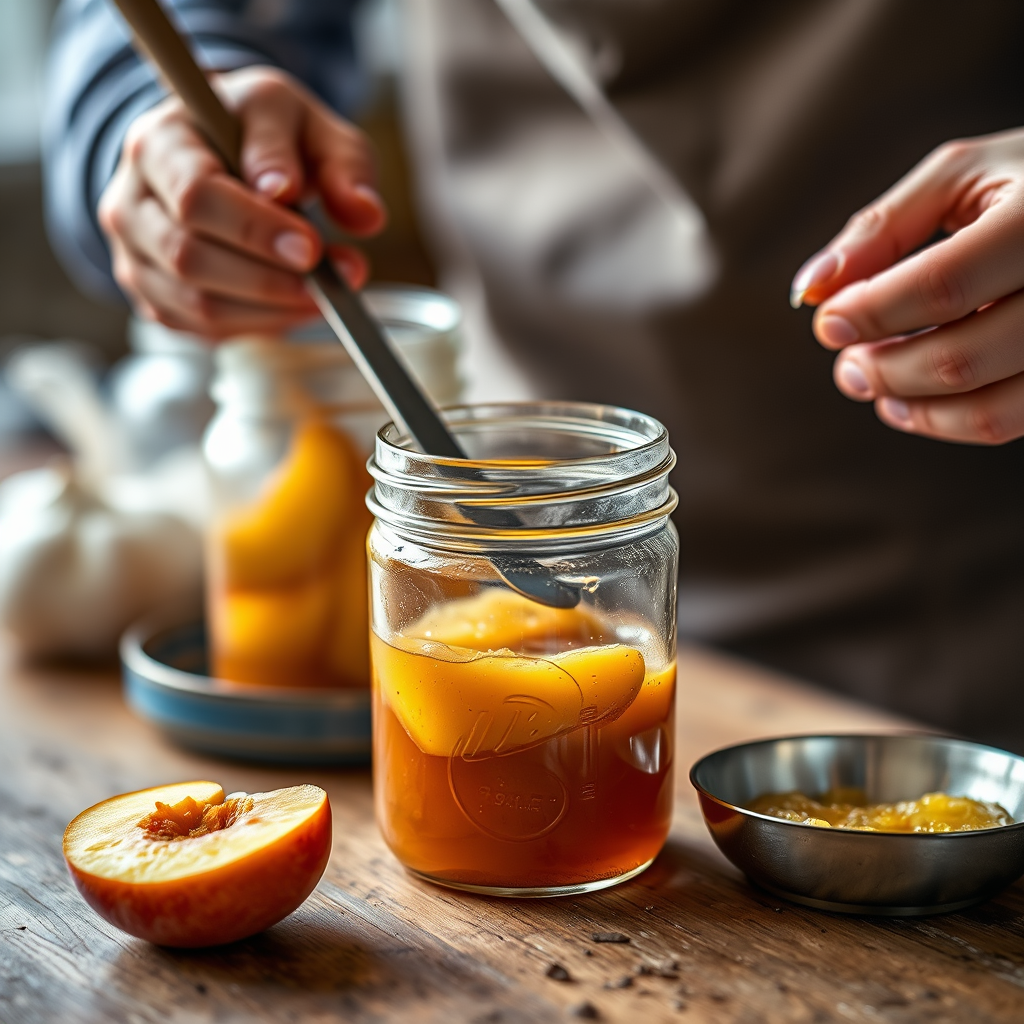
1. Gather Ingredients and Equipment: You will need 4 cups of peeled and chopped peaches, 1/4 cup of lemon juice, 1 package (1.75 oz) of fruit pectin, and 5 cups of granulated sugar. Additionally, prepare a water bath canner, sterilized jars, lids, and a jar lifter.
2. Prepare the Peaches: Begin by washing, peeling, and chopping the peaches. Measure out 4 cups of chopped peaches and combine them with 1/4 cup of lemon juice in a large, heavy-bottomed pot. The lemon juice is essential, as it helps maintain the acidity necessary for safe canning.
3. Cook the Jam Mixture: Add 1 package of fruit pectin to the peach mixture. Over medium-high heat, bring the mixture to a full rolling boil, stirring constantly to prevent sticking. Once boiling, add in 5 cups of granulated sugar all at once. Stir until the sugar is fully dissolved, then bring the mixture back to a boil for precisely 1 minute. This step is critical for achieving the correct consistency in the jam.
4. Canning Process: Ladle the hot jam into sterilized jars, leaving 1/4 inch headspace at the top. Wipe the rims of the jars clean with a damp cloth to remove any residue that could interfere with sealing. Place the lids on the jars and screw on the bands until fingertip-tight. Process the jars in a boiling water bath for 10 minutes, ensuring that the water covers the jars by at least 1 inch to facilitate proper heat distribution.
Nutritional Information for Peach Jam (Per Tablespoon)
| # | Nutrient | Amount | % Daily Value |
|---|---|---|---|
| 1 | Calories | 50 | 2% |
| 2 | Total Fat | 0g | 0% |
| 3 | Sodium | 0mg | 0% |
| 4 | Total Carbohydrates | 13g | 4% |
| 5 | Dietary Fiber | 0g | 0% |
| 6 | Sugars | 12g | N/A |
| 7 | Protein | 0g | 0% |
Warning Signs: When Not to Follow This
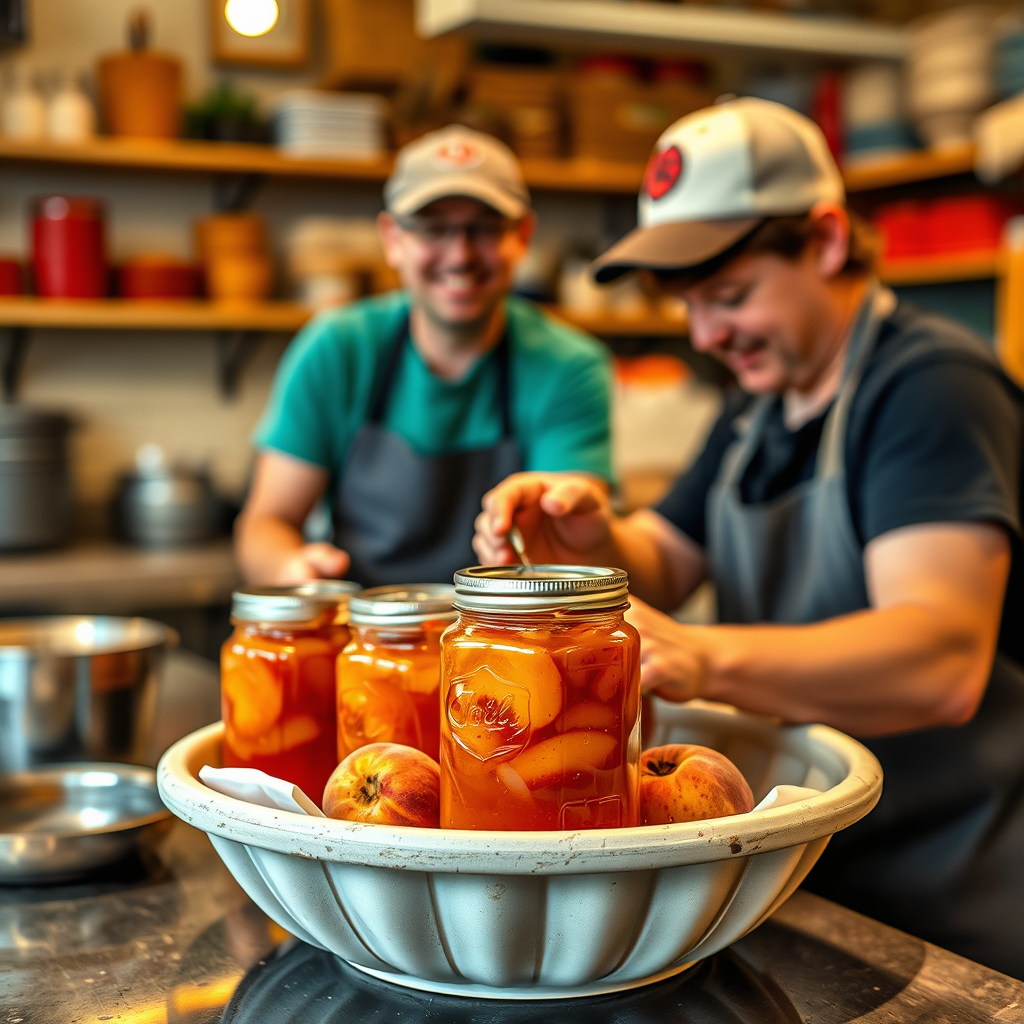
– Do not attempt this canning process if your peaches are overripe or moldy, as these conditions can lead to spoilage and unsafe food practices.
– If you lack the proper canning equipment, such as a water bath canner or sterilized jars, refrain from canning, as this compromises food safety.
– Avoid canning if you are unsure about the acidity levels in your recipe, as improper acidity can increase the risk of botulism.
The Most Common Mistakes (And Their Consequences)
– A frequent error is inaccurate sugar measurement; using too little sugar can prevent the jam from setting properly, resulting in a syrupy texture that won’t preserve well.
– Skipping the boiling water bath process can lead to improper sealing of jars, risking spoilage and contamination of the jam, which could cause foodborne illness.
– Failing to sterilize jars and lids adequately can introduce bacteria that compromise the safety and shelf life of the canned peach jam, leading to potential spoilage even before the jars are opened.
Special Cases That Need a Different Approach
– If using low-sugar or no-sugar pectin, follow the specific instructions provided with the pectin package, as they may differ from traditional processes and often require different cooking times or additional ingredients.
– For individuals with dietary restrictions, consider substituting granulated sugar with suitable alternatives, ensuring they are appropriate for canning. Note that not all substitutes provide the same gelling properties as sugar.
– If you are canning at higher altitudes (over 1,000 feet), adjust processing times according to altitude-specific guidelines. The National Center for Home Food Preservation recommends adding 1 additional minute for every 1,000 feet above sea level.
When You Need a Professional
– If you encounter unexplained spoilage or jars that do not seal properly after processing, consult a food preservation expert or local extension office for guidance. They can help identify potential issues in your process.
– Seek professional advice if you are unfamiliar with pressure canning techniques, particularly when canning fruits with lower acidity, as this process requires different safety measures.
– If you have questions about food safety or preservation methods due to specific health conditions, it is wise to contact a licensed nutritionist or food safety expert. These professionals can provide tailored advice based on your unique situation.
Sources and Further Reading
– The USDA Complete Guide to Home Canning, which provides comprehensive guidelines for safe canning practices and recipes.
– Ball Canning’s Blue Book Guide to Preserving, a reputable source for various canning recipes and methods.
– National Center for Home Food Preservation, which offers research-based information on preserving foods and safe canning techniques.
Frequently Asked Questions
What ingredients do I need for a peach jam canning recipe?
To make peach jam for canning, you’ll need fresh peaches, granulated sugar, lemon juice, and pectin. Typically, about 2 pounds of peaches will yield around 4 cups of chopped fruit, which is combined with 5 cups of sugar and 1/4 cup of lemon juice to achieve the perfect balance of sweetness and acidity.
How do I prepare peaches for canning jam?
Preparing peaches for canning jam involves washing, peeling, and pitting the fruit. To easily remove the skin, blanch the peaches in boiling water for about 30 seconds, then transfer them to ice water. Once cooled, the skin should peel off easily, and you can chop the peaches into small pieces for the jam.
Why is pectin important in peach jam recipes?
Pectin is crucial in peach jam recipes because it acts as a thickening agent that helps the jam set properly. Without enough pectin, your jam may turn out runny or fail to gel. Using powdered or liquid pectin ensures that your peach jam achieves the desired consistency and preserves its quality for canning.
What is the best method for canning peach jam?
The best method for canning peach jam is the water bath canning technique. After cooking your jam to the desired consistency, pour it into sterilized jars, leaving a 1/4-inch headspace. Seal the jars with lids, place them in a boiling water bath for about 10 minutes, and then allow them to cool before storing in a cool, dark place.
Which jars are best for canning peach jam?
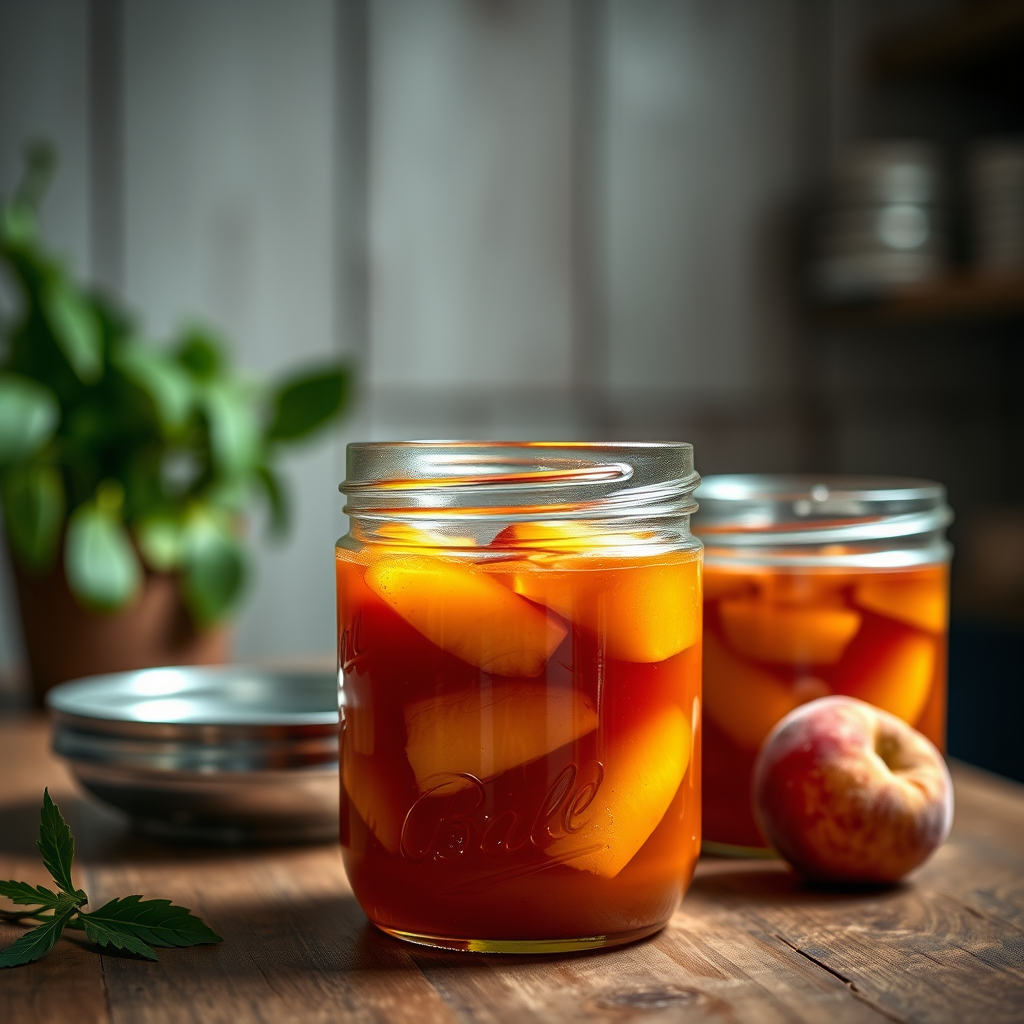
The best jars for canning peach jam are standard glass canning jars, such as Mason or Ball jars, with two-piece lids that include a flat lid and a screw band. Choose jars that come in various sizes, but pint-sized jars are ideal for jam, allowing easy use and storage. Always ensure the jars are free from cracks and properly sterilized before canning.
References
- https://www.extension.purdue.edu/extmedia/HHS/HHS-825-W.pdf
https://www.extension.purdue.edu/extmedia/HHS/HHS-825-W.pdf - https://www.fda.gov/food/food-safety-modernization-act-fsma/food-safety-fact-sheets
https://www.fda.gov/food/food-safety-modernization-act-fsma/food-safety-fact-sheets - https://www.uga.edu/extension/publications/Beef%20Canning%20Guide.pdf
https://www.uga.edu/extension/publications/Beef%20Canning%20Guide.pdf - Page not found
https://www.clemson.edu/extension/food_safety/preservation/canning.html - 404
https://www.healthyeating.org/healthy-living/food-safety/canning-preserving-fruits-and-vegetables - https://www.extension.iastate.edu/foodpreservation/preservation/canning/
https://www.extension.iastate.edu/foodpreservation/preservation/canning/ - https://www.nal.usda.gov/legacy/legacy/food-preservation
https://www.nal.usda.gov/legacy/legacy/food-preservation - Google Scholar Google Scholar
https://scholar.google.com/scholar?q=recipe+for+canning+peach+jam - Google Scholar Google Scholar
https://scholar.google.com/scholar?q=canning+peach+jam+preservation+methods - recipe for canning peach jam – Search results
https://en.wikipedia.org/wiki/Special:Search?search=recipe+for+canning+peach+jam