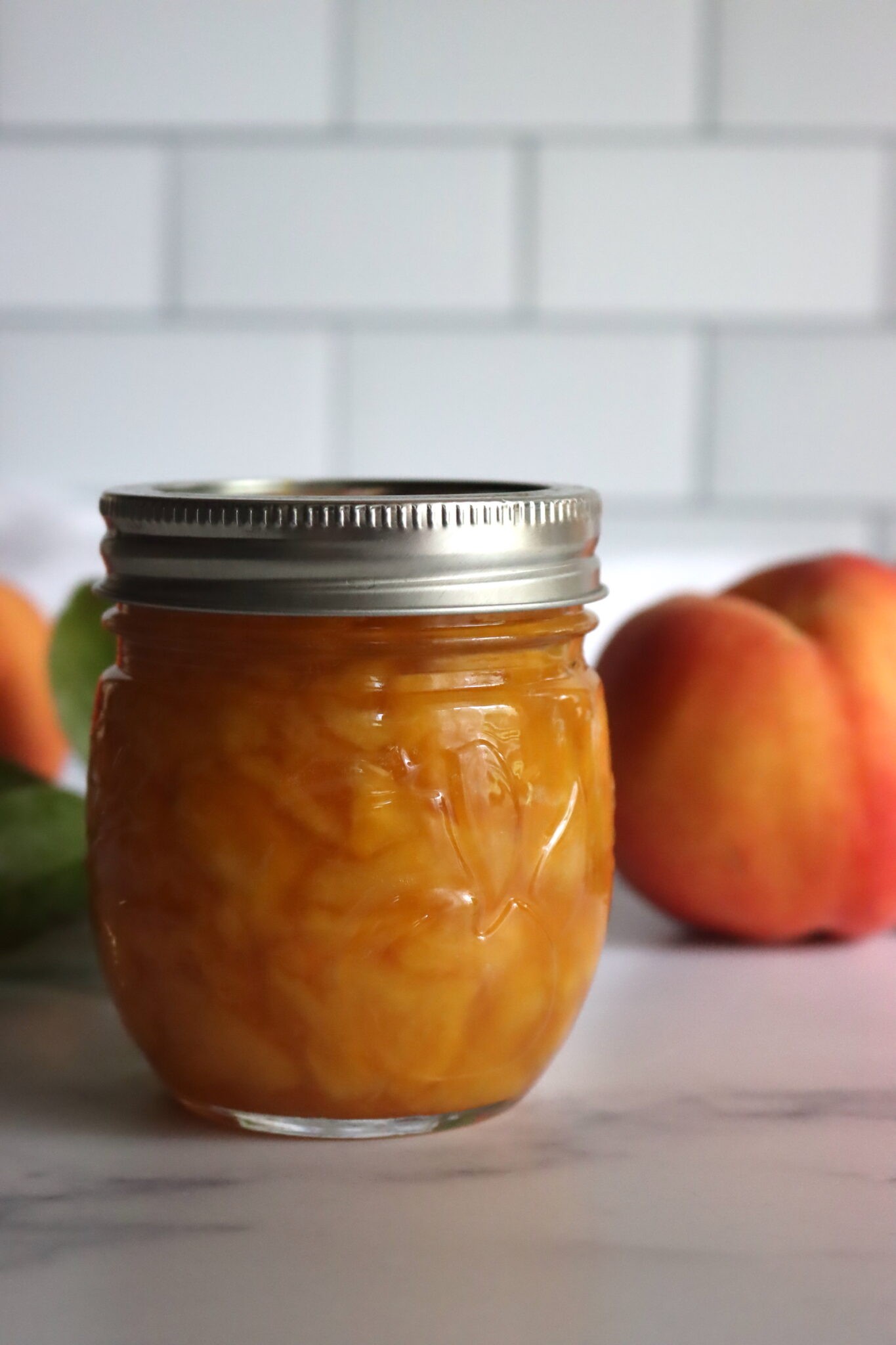
The complete expert guide to safely canning peach jam provides the precise techniques and protocols necessary for preserving this delicious fruit spread. This guide is designed for home canners who want to ensure their peach jam is not only flavorful but also safe for long-term storage. Following the right canning methods is crucial to prevent spoilage and ensure food safety, making this resource indispensable for both novice and experienced canners alike.
What This Guide Covers (And What It Doesn’t)
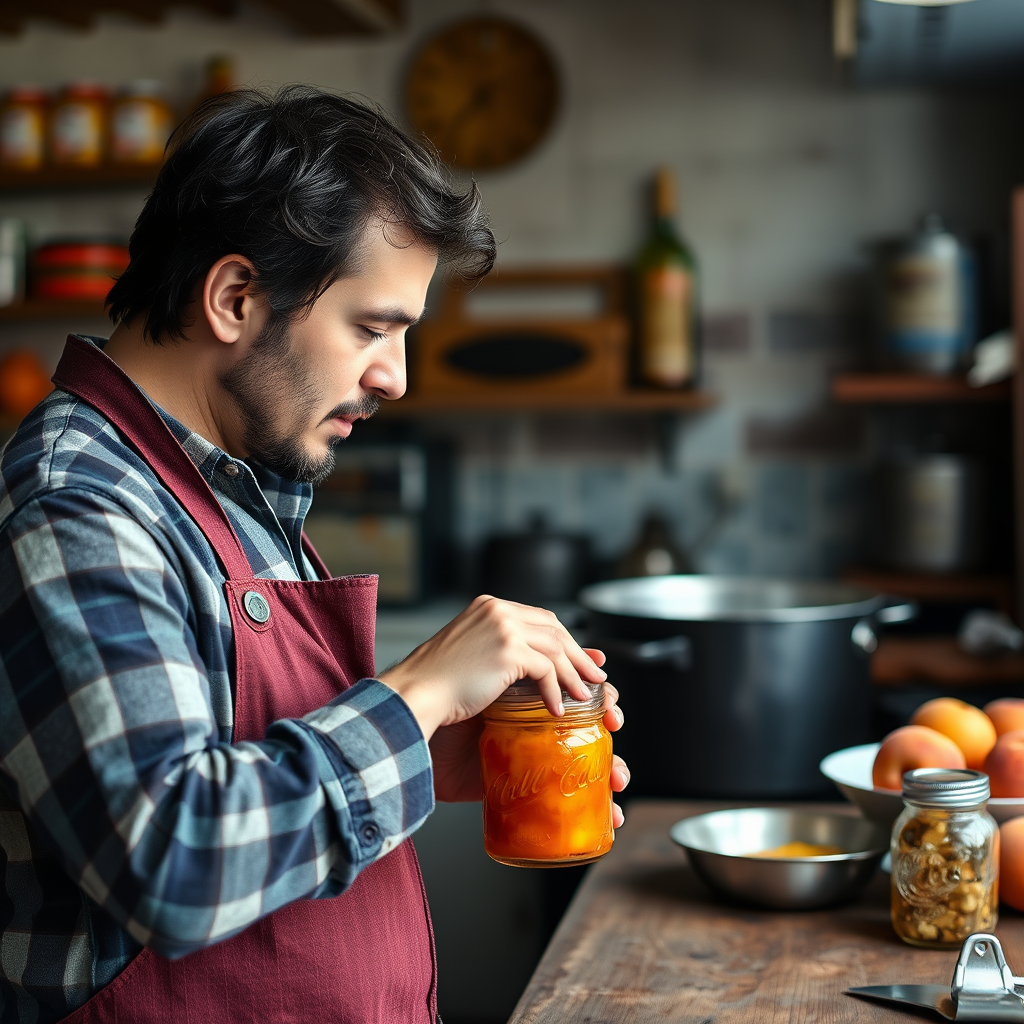
This guide delivers a thorough, step-by-step protocol for canning peach jam, detailing the specific ingredients, measurements, and equipment required for safe preservation. It emphasizes essential safety precautions, food safety standards, and effective canning techniques to ensure your peach jam is not only delicious but also safe for long-term storage. While the guide focuses exclusively on peach jam canning, it does not address alternative preservation methods like freezing or refrigeration, nor does it include recipes for peach preserves or other fruit jams.
Who Should Read This
This guide is designed for home canners who possess a basic understanding of food preservation and are eager to enhance their skills by safely creating peach jam for long-term storage. It is particularly suitable for those looking to preserve seasonal peaches while adhering to best practices established by food safety organizations. Although beginners may benefit from this guide, it is crucial for them to familiarize themselves with general canning techniques and safety protocols before embarking on the peach jam canning process.
The Step-by-Step Protocol
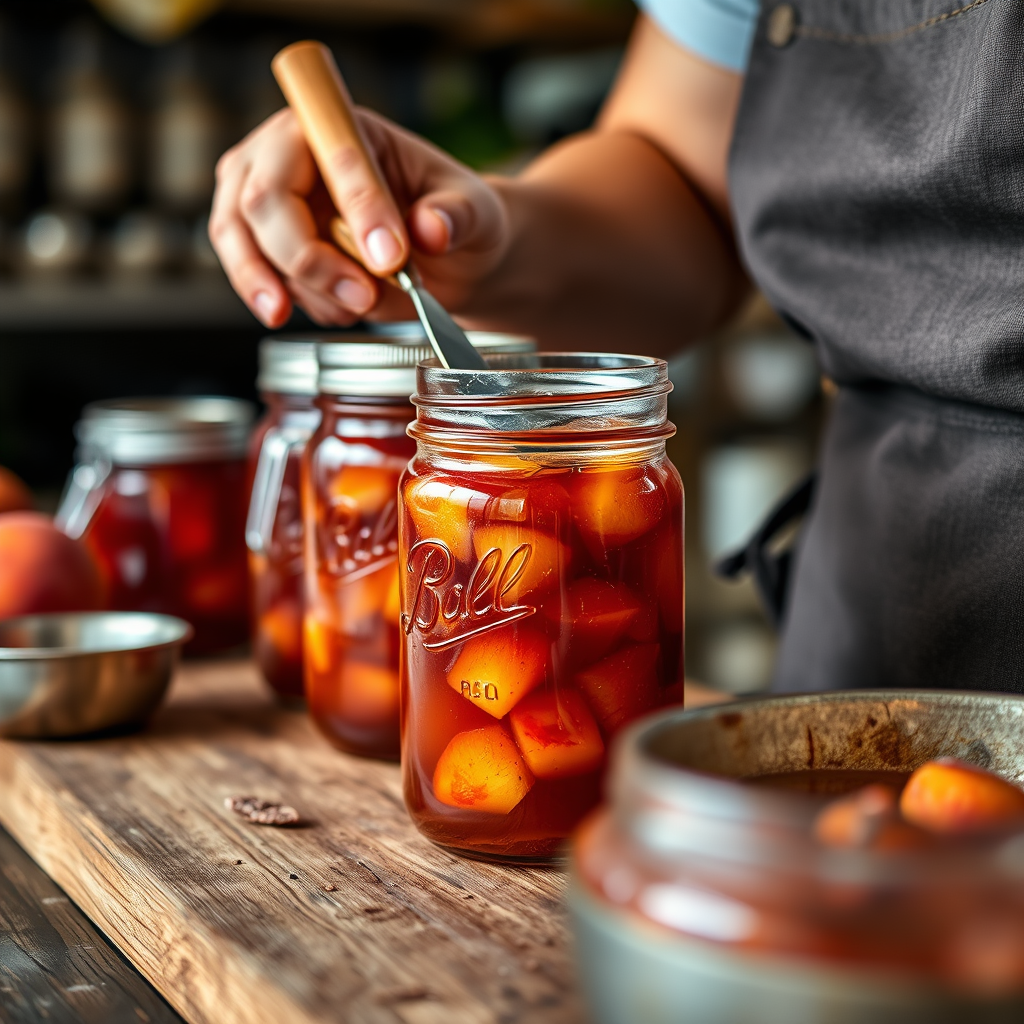
1. Gather Ingredients and Equipment: You will need 4 cups of crushed ripe peaches (approximately 12 medium peaches), 1/4 cup of bottled lemon juice, 5 cups of granulated sugar, and 1 package (1.75 oz) of fruit pectin (such as Sure-Jell). Essential equipment includes sterilized canning jars (8-ounce size recommended), lids, a water bath canner, a jar lifter, and a large pot for cooking the jam.
2. Prepare Peaches: Begin by washing, peeling, and pitting the peaches. For easier peeling, blanch the peaches in boiling water for 30-60 seconds, then transfer them to an ice bath. Crush the peaches using a potato masher or food processor to achieve a consistent texture, measuring exactly 4 cups after crushing.
3. Cook the Jam: In a large pot, combine the crushed peaches with the bottled lemon juice. Bring the mixture to a full boil over medium heat, stirring frequently. Once boiling, stir in the pectin and continue to boil for 1 minute without stirring. Gradually add the sugar, stirring continuously until it is fully dissolved. Allow the mixture to boil for an additional 1-2 minutes, ensuring it reaches a full rolling boil.
4. Canning Process: Fill the sterilized jars with the hot peach jam, leaving 1/4 inch of headspace. Wipe the rims with a clean, damp cloth to remove any residue. Place the sterilized lids on the jars, ensuring a proper seal. Process the jars in a boiling water bath for 10 minutes. If you are at an altitude above 1,000 feet, increase the processing time by 5-10 minutes to ensure proper sealing.
Nutritional Breakdown of Peach Jam per 1 Tablespoon
| Nutrient | Amount | % Daily Value* |
|---|---|---|
| Calories | 50 | 2% |
| Total Fat | 0g | 0% |
| Sodium | 0mg | 0% |
| Total Carbohydrate | 13g | 5% |
| Sugars | 12g | N/A |
| Protein | 0g | 0% |
| Vitamin C | 0.5mg | 1% |
| Calcium | 1mg | 0% |
| Iron | 0mg | 0% |
| Potassium | 0mg | 0% |
Warning Signs: When Not to Follow This
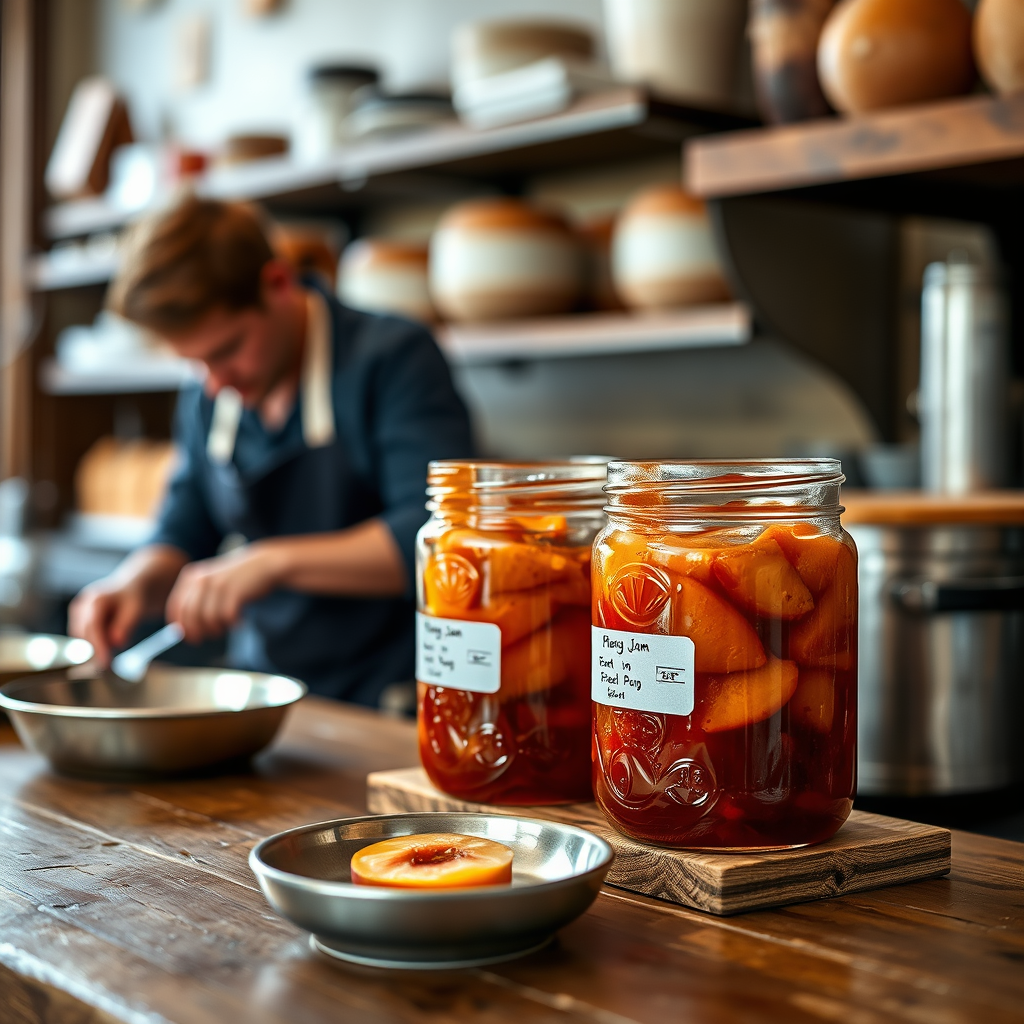
Avoid canning peach jam if your peaches are overripe, bruised, or show signs of mold, as this can lead to spoilage and health risks. Additionally, steer clear of low-acid peaches or any substitutions, such as using artificial sweeteners or changing the pectin type, as these can compromise the preservation and safety of the jam. If you notice any signs of spoilage in the canned jam, such as bulging lids, leaks, or off smells, do not consume the product; instead, discard it immediately.
The Most Common Mistakes (And Their Consequences)
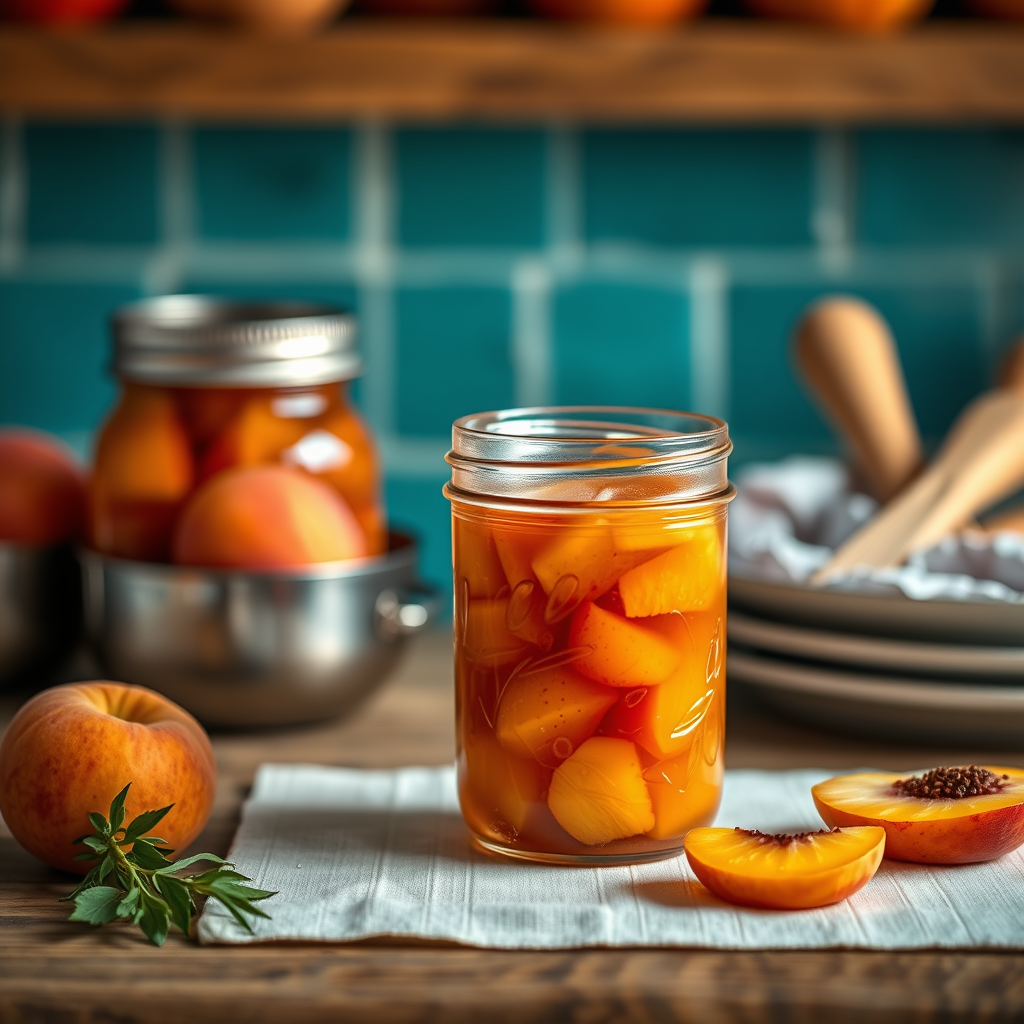
One common mistake is mismeasuring the sugar; too little sugar can hinder proper gelling, while too much can result in excessive sweetness and a compromised texture. Additionally, some home canners neglect to adequately sterilize jars and lids, which increases the risk of bacterial growth and spoilage during storage. Ignoring the headspace guideline can lead to jam overflow during processing, resulting in improperly sealed jars and potential contamination.
Special Cases That Need a Different Approach
For those using low-sugar or no-sugar pectin, remember to adjust the sugar and pectin quantities according to package instructions, as these products behave differently in terms of gelling. If you are canning at high altitudes (above 1,000 feet), increase the processing time by 5-10 minutes to ensure proper sealing and safety. Canning large batches (more than 7 quarts) may require processing in multiple batches to avoid overloading your canner and ensuring even heat distribution.
When You Need a Professional
If you have severe allergies or dietary restrictions, it’s wise to consult a food preservation expert to ensure that the recipe adheres to specific health guidelines and safety standards. Should any unusual reactions occur during the cooking process, such as unexpected odors or colors, seek advice from a certified canning professional. When canning in a commercial setting or producing jam for sale, engaging with food safety professionals is essential to comply with local regulations and health codes.
Sources and Further Reading
– USDA Complete Guide to Home Canning, which outlines safety standards and best practices for home canning.
– National Center for Home Food Preservation, providing research-based guidelines for preserving peaches and other fruits.
– Ball Canning’s Official Guide to Preserving, featuring recipes and methods specifically designed for home canning enthusiasts.
Frequently Asked Questions
What ingredients do I need for a peach jam recipe for canning?
To make peach jam for canning, you will need ripe peaches, granulated sugar, lemon juice, and pectin. The sugar is essential for sweetness and preservation, while lemon juice adds acidity, which helps in setting the jam and balancing the flavors. Make sure to use high-quality, fresh ingredients for the best results.
How do I properly can peach jam to ensure it is safe for long-term storage?
To safely can peach jam, first, prepare your jars by sterilizing them in boiling water. Fill the jars with hot jam, leaving about ¼ inch of headspace, then wipe the rims clean. Seal with lids and process in a boiling water bath for the recommended time to eliminate bacteria and create a vacuum seal, ensuring your jam lasts longer.
Why is my peach jam not setting properly, and how can I fix it?
If your peach jam is not setting, it may be due to insufficient pectin or undercooking the mixture. To fix this, you can return the jam to the stove, add more pectin, and cook it for a few more minutes, ensuring it reaches the desired consistency. Always check that you’re using ripe peaches, as unripe fruit can also affect the setting process.
What is the best method for peeling peaches for jam making?
The best method for peeling peaches is to blanch them in boiling water for about 30 seconds, then transfer them immediately to an ice water bath. This process loosens the skin, making it easy to peel off without damaging the fruit. This technique saves time and preserves the quality of the peaches for your jam.
Which types of peaches are best for making jam?
The best types of peaches for making jam are freestone peaches, as they have flesh that separates easily from the pit. Varieties such as Clingstone or Yellow peaches also work well, but freestone varieties yield more flesh and are easier to handle. Look for ripe, fragrant peaches with a vibrant color for optimal flavor in your jam.
References
- Fruit preserves
https://en.wikipedia.org/wiki/Jam - https://www.uga.edu/extension/food-preservation/canning-jams-jellies/
https://www.uga.edu/extension/food-preservation/canning-jams-jellies/ - https://extension.psu.edu/food-safety/preserving-jams-and-jellies
https://extension.psu.edu/food-safety/preserving-jams-and-jellies - https://nchfp.uga.edu/how/can6_jam.html
https://nchfp.uga.edu/how/can6_jam.html - https://www.k-state.edu/ksre/foodpreservation/preservation/faq/canning-jams-jellies.html
https://www.k-state.edu/ksre/foodpreservation/preservation/faq/canning-jams-jellies.html - Page not found
https://www.clemson.edu/extension/food-safety/preservation/jams-jellies.html - Google Scholar Google Scholar
https://scholar.google.com/scholar?q=peach+jam+recipe+for+canning - Google Scholar Google Scholar
https://scholar.google.com/scholar?q=home+canning+peach+jam - Google Scholar Google Scholar
https://scholar.google.com/scholar?q=preserving+peach+jam+recipes - https://www.ncbi.nlm.nih.gov/pmc/articles/PMC7876362/
https://www.ncbi.nlm.nih.gov/pmc/articles/PMC7876362/