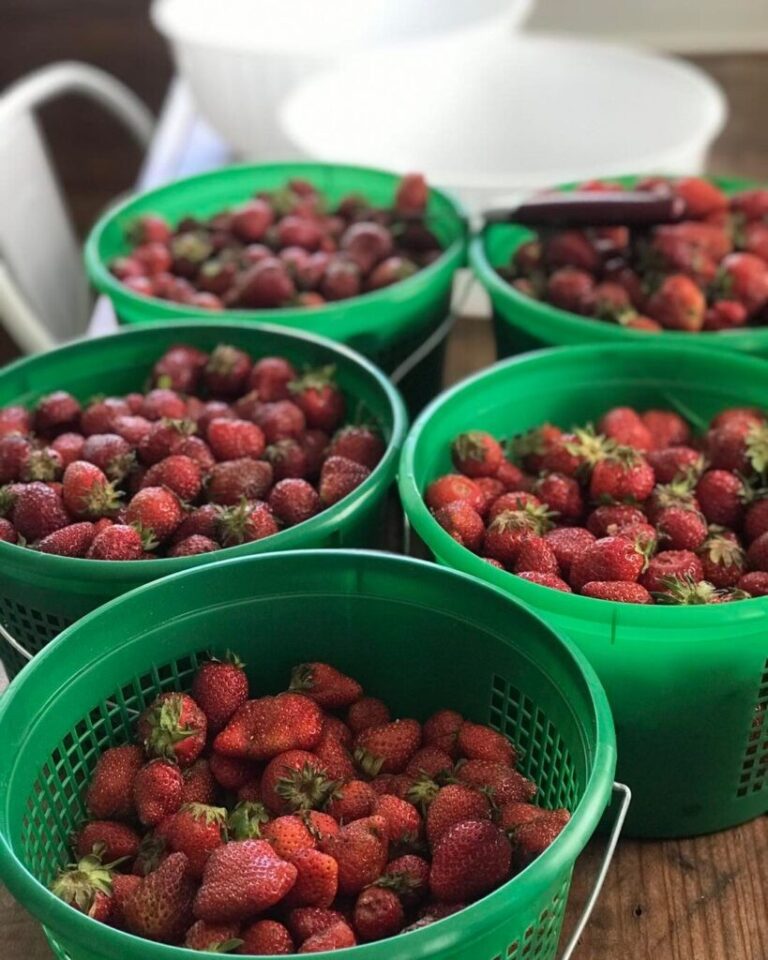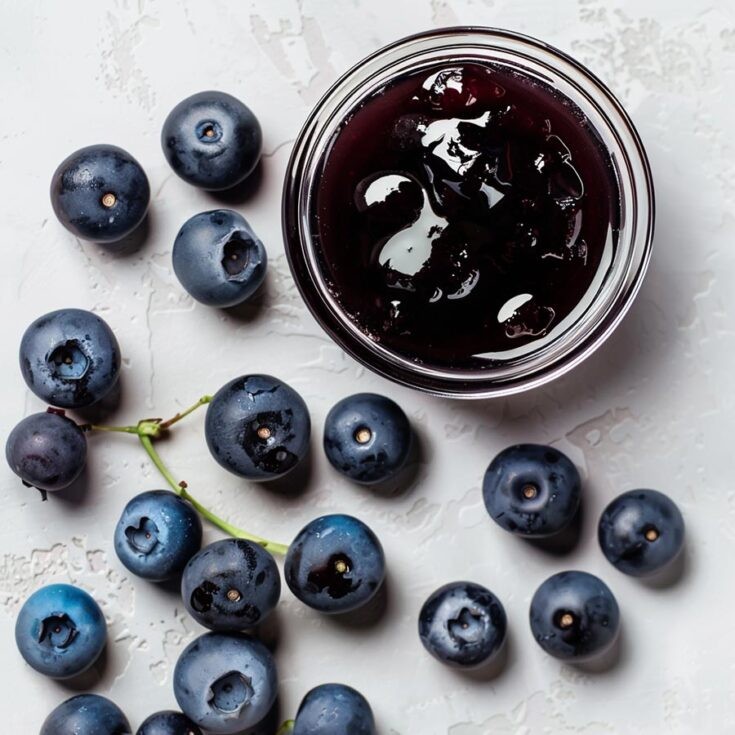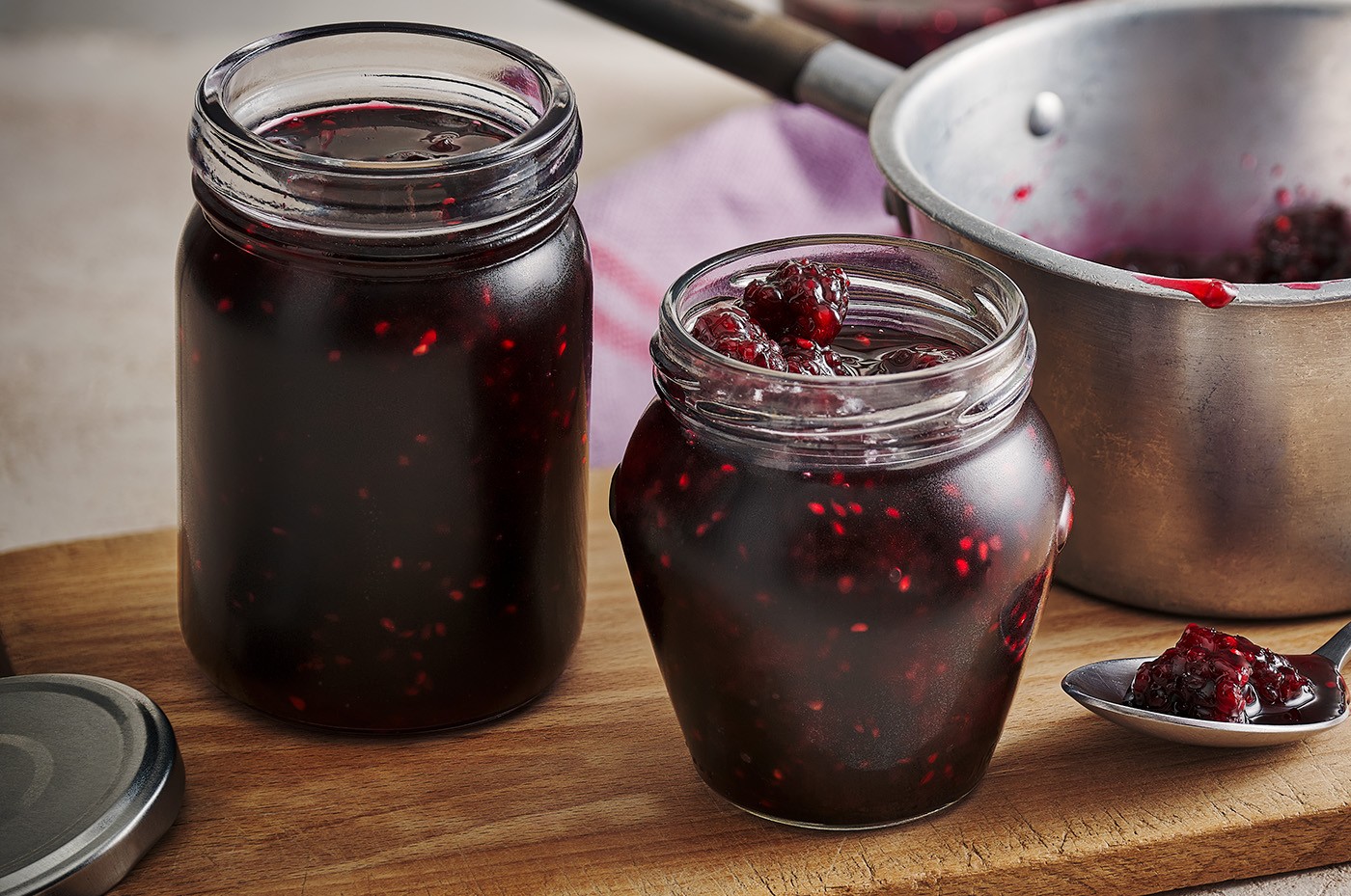
Blackberry jam recipes for canning require precise techniques to ensure safety and flavor preservation. This expert guide provides step-by-step instructions, essential tips, and best practices for crafting delicious blackberry jam while adhering to food safety standards. Mastering these methods not only enhances your culinary skills but also guarantees a safe and enjoyable experience for you and your loved ones.
What This Guide Covers (And What It Doesn’t)
This guide offers comprehensive instructions for canning blackberry jam, complete with recipes, safety protocols, and tips for achieving the best results. You will discover precise methods for preparing, cooking, and sealing your blackberry jam, ensuring not only optimal flavor but also safe consumption. While this guide focuses on fresh blackberries, sugar, pectin, and water, it does not delve into recipes for other fruit jams or non-canning preservation techniques like freezing or refrigerating. Additionally, it provides information on shelf life, storage conditions, and troubleshooting common canning issues related specifically to blackberry jam.
Who Should Read This
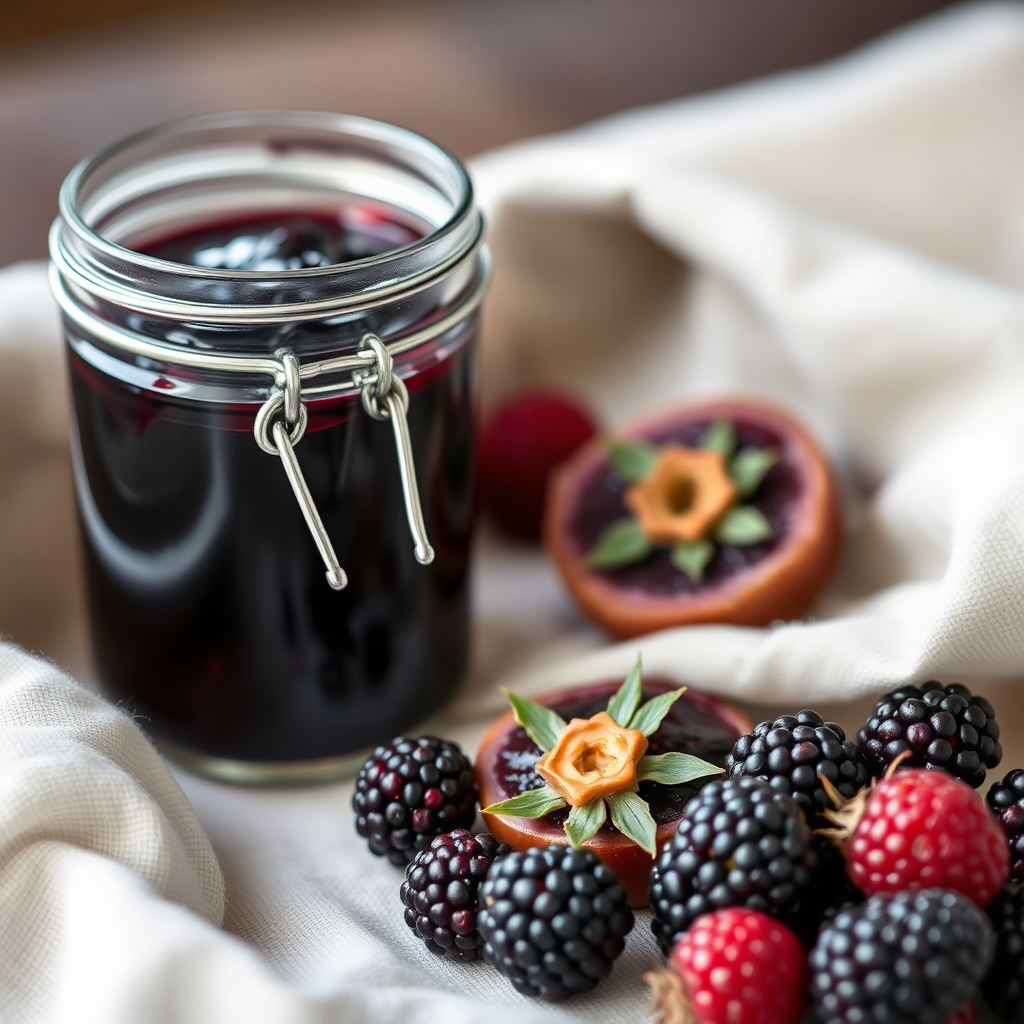
This guide is tailored for home canners who possess a basic understanding of food preservation techniques, particularly those eager to explore fruit preserves. It is perfect for anyone looking to preserve seasonal blackberries, whether for personal enjoyment or to share with friends and family. Readers should have access to essential canning equipment, including jars, lids, a water bath canner, and basic kitchen utensils. While those with prior canning experience will find the most value, beginners can also navigate the process successfully by following safety precautions and guidelines.
The Step-by-Step Protocol
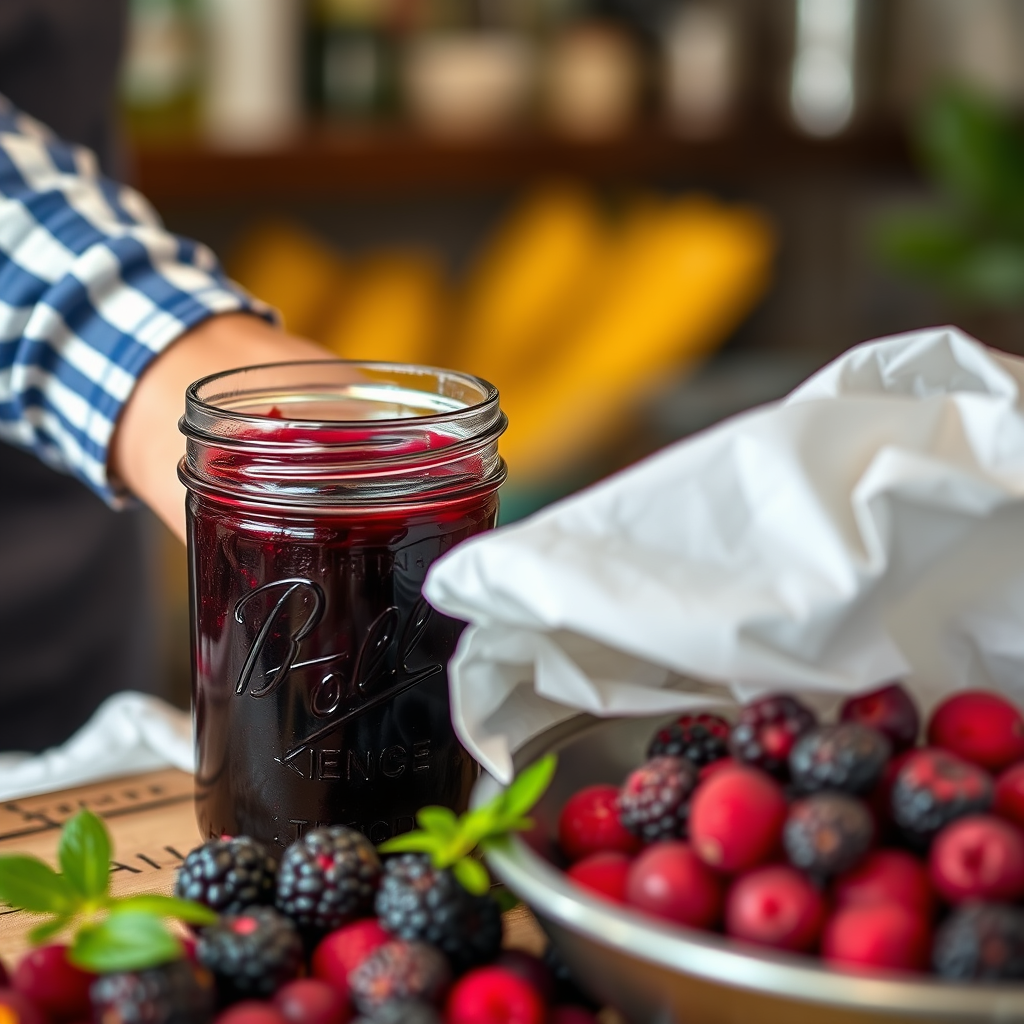
1. Gather Ingredients and Equipment: Collect 4 cups of fresh blackberries, 5 cups of granulated sugar, 1 box of fruit pectin, and necessary canning supplies including jars, lids, and a water bath canner.
2. Prepare Blackberries: Rinse the blackberries under cold water, removing any stems or leaves. Crush them using a potato masher until you have approximately 3 cups of crushed blackberries. This crucial step releases the fruit’s juices, which are essential for the jam’s texture and flavor.
3. Cook the Jam: In a large pot, combine the crushed blackberries and pectin. Bring the mixture to a full boil over medium-high heat, stirring constantly to prevent sticking. Once boiling, add all the sugar at once and return to a full boil for 1-2 minutes, or until the mixture reaches the desired consistency. Use a candy thermometer to confirm a temperature of 220°F (104°C) for proper gelling.
4. Fill Jars and Process: Ladle hot jam into sterilized canning jars, leaving 1/4 inch of headspace. Wipe the rims with a clean cloth to eliminate any residue that could hinder sealing. Seal jars with lids and process them in a boiling water bath for 10-15 minutes, adjusting for altitude as noted below.
5. Cool and Store: After processing, remove jars from the canner and let them cool on a clean, dry towel for 24 hours. Ensure that all lids have sealed properly (the center should not pop up when pressed). Finally, label jars with the date and store them in a cool, dark place.
Top 7 Blackberry Jam Brands by Popularity (2024)
| # | Brand | Flavor Profile | Sugar Content (g) | Gelling Ability |
|---|---|---|---|---|
| 1 | Smucker’s | Sweet and Tart | 10 | Excellent |
| 2 | Bonne Maman | Rich and Fruity | 9 | Very Good |
| 3 | Tiptree | Classic Blackberry | 11 | Excellent |
| 4 | Polaner | Natural Blackberry | 8 | Good |
| 5 | Marmalade | Zesty and Sweet | 12 | Very Good |
| 6 | Nature’s Way | Organic Blackberry | 7 | Good |
| 7 | Lucky Leaf | Delightfully Sweet | 10 | Excellent |
Warning Signs: When Not to Follow This

– Do not can blackberry jam if the blackberries are overripe, moldy, or damaged, as this can compromise the safety and quality of the jam.
– Avoid canning if you lack proper equipment, such as a water bath canner, which is crucial for safe preservation.
– Steer clear of this protocol if your jars and lids have not been adequately sterilized, as this increases the risk of contamination and spoilage.
– If you have health conditions that affect your ability to follow safe food handling practices, consider seeking assistance from someone who can help.
The Most Common Mistakes (And Their Consequences)

– Many home canners fail to measure ingredients accurately, resulting in overly sweet or improperly set jam. This can affect both the shelf life and quality of the product.
– Not using the correct type of pectin can lead to a jam that does not thicken properly, leaving you with a syrupy consistency instead of a spreadable product. Always verify that your pectin is suitable for the recipe you are using.
– Ignoring headspace recommendations can cause jars to seal improperly. This oversight increases the chances of spoilage and renders the jam unsafe to eat. Always adhere to the recommended 1/4 inch headspace.
– Failing to process jars for the appropriate amount of time can result in the survival of harmful bacteria, potentially leading to foodborne illness, especially if the jars do not reach adequate temperatures during the water bath process.
Special Cases That Need a Different Approach
– If using frozen blackberries, ensure they are completely thawed before crushing. Adjust sugar levels accordingly, as frozen fruit can often be sweeter than fresh.
– For those seeking a lower sugar alternative, consider using no-sugar pectin and follow specific guidelines for sugar replacement to achieve proper gelling.
– If canning at high altitudes (above 1,000 feet), increase the processing time by 1 minute for every additional 1,000 feet to ensure safety and proper sealing during the canning process.
– If you are allergic to certain pectins or preservatives, explore using natural alternatives like apples or citrus peels to achieve the desired jam consistency. Always consult a reliable source for alternative gelling methods.
When You Need a Professional
– If you are unsure about the safety of your canning process, especially when using unusual fruit combinations or modifying established recipes, consult a food preservation expert.
– In cases of significant jar spoilage or if you notice unusual smells, bubbling, or mold after canning, it is essential to seek guidance from a food safety professional immediately.
– If you have underlying health concerns that could be exacerbated by improperly preserved foods, consider involving a dietitian or nutritionist experienced in food preservation.
– When experimenting with complex flavor combinations or alternative preservation methods, consulting with a local extension office or specialized canning workshop for tailored advice is advisable.
Sources and Further Reading
– Refer to the USDA’s Complete Guide to Home Canning for official guidelines and safety protocols regarding canning practices.
– The National Center for Home Food Preservation provides detailed instructions and troubleshooting tips specifically for fruit preserves, including blackberry jam.
– “Ball Blue Book Guide to Preserving” offers a variety of tested recipes and canning methods for different fruit jams.
– Local cooperative extension services often provide resources, workshops, and classes on safe canning practices and seasonal fruit preservation techniques.
With this guide, you can confidently embark on your blackberry jam canning journey, ensuring both delicious results and safety in your preservation efforts.
Frequently Asked Questions
What ingredients do I need for a basic blackberry jam recipe for canning?
To make a basic blackberry jam for canning, you will need fresh blackberries, granulated sugar, and pectin. The pectin helps the jam set properly, while the sugar balances the tartness of the blackberries. You can also add lemon juice for acidity, which enhances flavor and helps with preservation.
How do I properly can blackberry jam to ensure safe storage?
To safely can blackberry jam, start by sterilizing your jars and lids in boiling water. Fill the jars with hot jam, leaving about 1/4 inch of headspace, then wipe the rims clean before sealing with lids. Process the jars in a boiling water bath for 10-15 minutes, depending on your altitude, to create a vacuum seal that helps prevent spoilage.
Why is my blackberry jam not setting properly?
If your blackberry jam isn’t setting, it may be due to insufficient pectin or not cooking it long enough. Make sure to follow the recommended sugar-to-fruit ratio and check that you are using the right type of pectin. Additionally, testing for the gel stage by using the spoon test can help determine if it needs more cooking time.
What is the best way to enhance the flavor of my homemade blackberry jam?
To enhance the flavor of your homemade blackberry jam, consider adding spices like cinnamon or nutmeg, or even a splash of vanilla extract. You can also mix in other fruits, such as raspberries or blueberries, to create a unique flavor profile. Experimenting with herbs, like mint or basil, can also provide a refreshing twist.
Which tools are essential for making and canning blackberry jam?
Essential tools for making and canning blackberry jam include a large pot for cooking, a canning pot or water bath canner, jar lifters, and a ladle for filling jars. You’ll also need a food thermometer to check the temperature of the jam and a measuring cup for accurate ingredient ratios. Investing in a good quality pectin and canning jars is also crucial for successful results.
References
- Fruit preserves
https://en.wikipedia.org/wiki/Jam - https://www.extension.purdue.edu/extmedia/FNR/FNR-474-W.pdf
https://www.extension.purdue.edu/extmedia/FNR/FNR-474-W.pdf - | National Center for Home Food Preservation
https://nchfp.uga.edu/how/can_06/blackberry_jam.html - https://www.foodsafety.gov/keep/charts/jam.html
https://www.foodsafety.gov/keep/charts/jam.html - https://www.extension.iastate.edu/publications/pm1301.pdf
https://www.extension.iastate.edu/publications/pm1301.pdf - Google Scholar Google Scholar
https://scholar.google.com/scholar?q=blackberry+jam+recipes+for+canning - Google Scholar Google Scholar
https://scholar.google.com/scholar?q=blackberry+canning+techniques - Google Scholar Google Scholar
https://scholar.google.com/scholar?q=preserving+blackberries+jam - https://www.ncbi.nlm.nih.gov/pmc/articles/PMC3689485/
https://www.ncbi.nlm.nih.gov/pmc/articles/PMC3689485/ - https://www.cdc.gov/foodsafety/communication/canning.html
https://www.cdc.gov/foodsafety/communication/canning.html