Master the art of preserving your harvest with this expert guide to safely canning blackberry jam. This comprehensive resource covers essential techniques, from selecting the best berries to ensuring proper sterilization and sealing, all critical for food safety and quality. Following precise canning protocols not only maximizes flavor but also prevents spoilage, making your homemade jam a delightful staple for years to come.
What This Guide Covers (And What It Doesn’t)
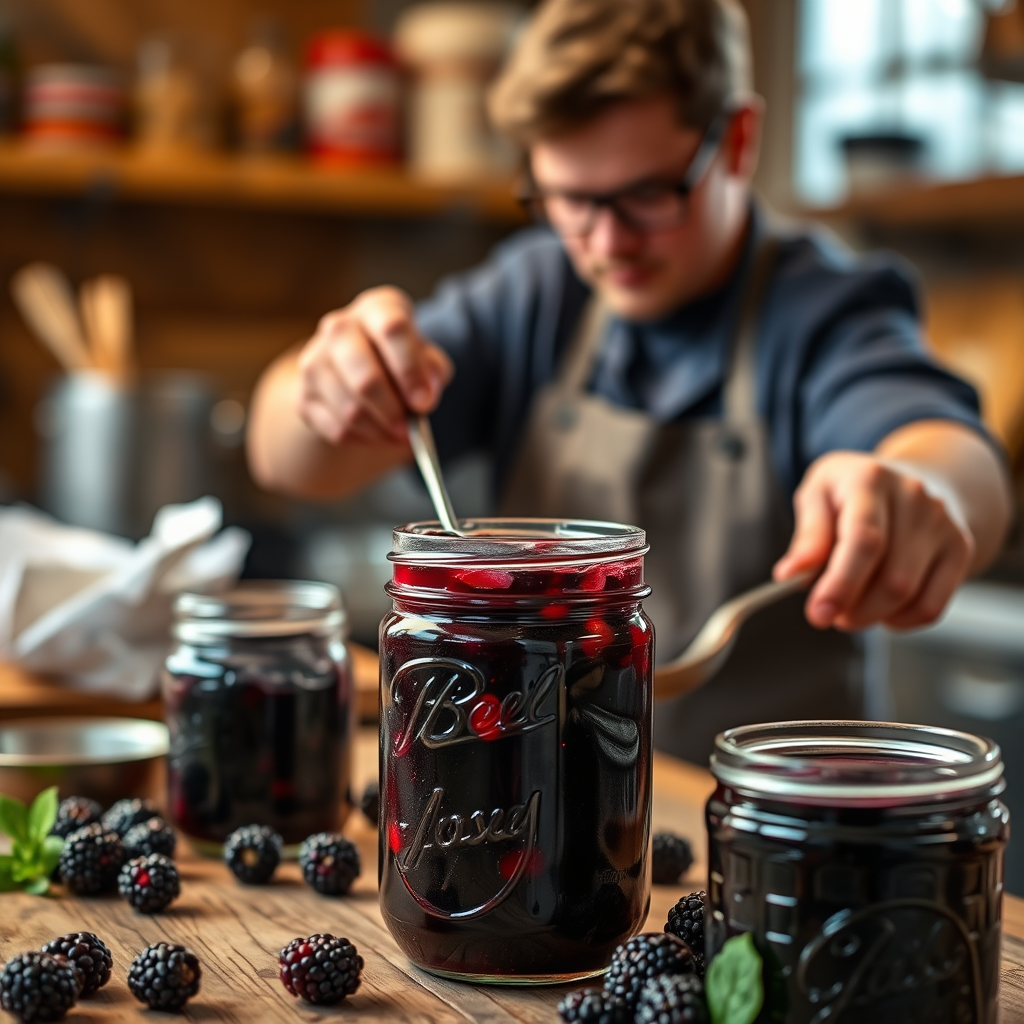
This guide offers a comprehensive, step-by-step protocol for making and canning blackberry jam, with a strong emphasis on safety and preservation techniques. It specifically excludes other types of jams or jellies and does not address non-canning methods of preserving blackberries. Readers will find precise measurements, timing, and temperature requirements designed to ensure success in their canning efforts. Tailored for home canners seeking reliable instructions, this guide is not suitable for commercial canning operations or those exploring alternative preservation methods.
Who Should Read This
This guide is perfect for individuals who possess a basic understanding of canning techniques but are new to the art of making blackberry jam. It caters to home cooks eager to preserve seasonal blackberries while prioritizing food safety in their canning process. Those who may have experience with general fruit preservation but lack specific knowledge about blackberry jam will find the detailed instructions particularly beneficial. However, beginners without any canning experience or those unfamiliar with food safety practices should seek additional resources before diving in.
The Step-by-Step Protocol
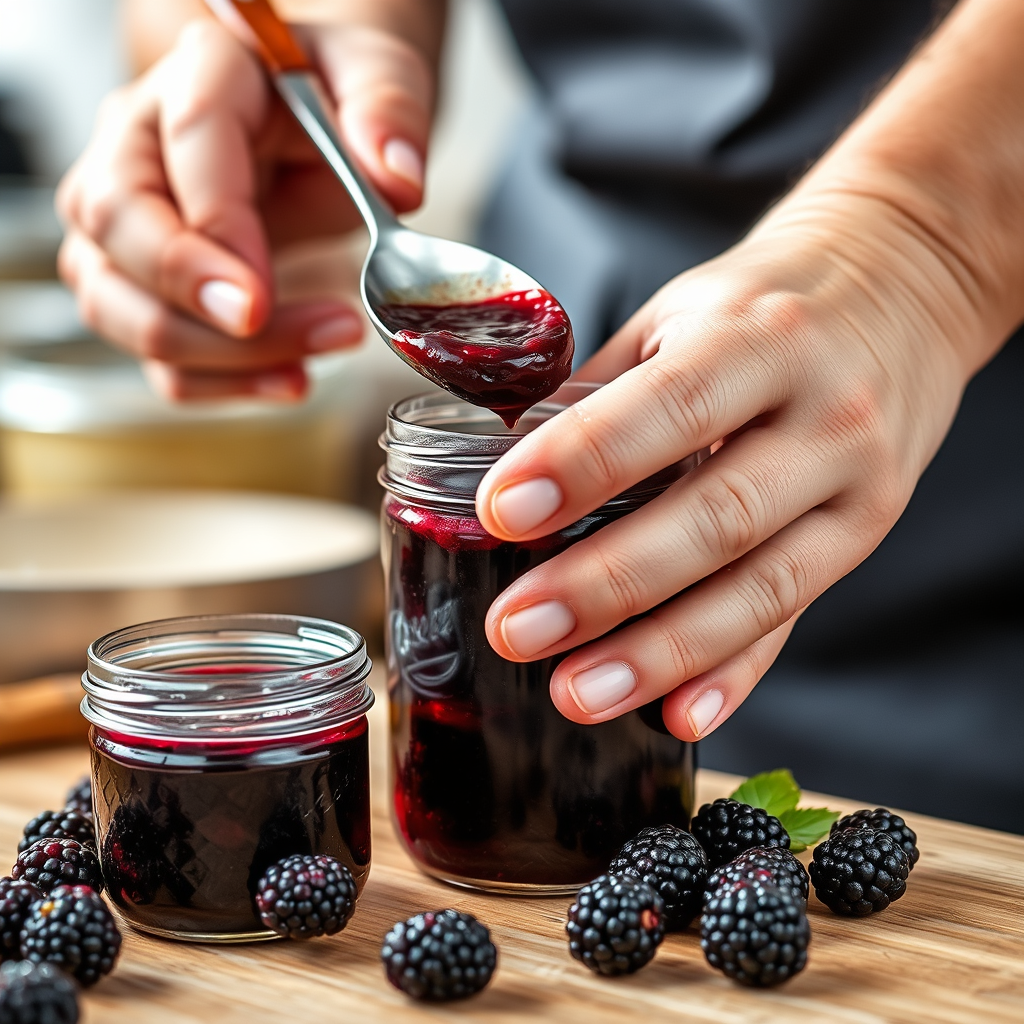
1. Gather Ingredients and Equipment:
– You will need 4 cups of fresh blackberries, 1 cup of granulated sugar, and 1/4 cup of lemon juice. The lemon juice is essential for balancing sweetness and ensuring proper acidity for safe canning.
– Prepare 8-ounce canning jars, new lids, and a boiling water canner. To sterilize the jars, place them in a boiling water bath for 10 minutes.
2. Prepare Blackberries:
– Rinse the blackberries thoroughly under running water, removing any stems or leaves.
– In a large pot, lightly mash the blackberries with a potato masher just enough to release their juices. Measure the crushed blackberries to ensure you have 4 cups.
3. Cook the Jam:
– Combine the mashed blackberries, sugar, and lemon juice in the large pot. Stir over medium heat until the sugar is fully dissolved.
– Increase the heat to bring the mixture to a rolling boil. Boil for 10-12 minutes, stirring frequently, until the mixture reaches a temperature of 220°F as measured with a candy thermometer. This ensures the jam will set properly.
4. Canning Process:
– Carefully fill the sterilized jars with hot blackberry jam, leaving a 1/4-inch headspace at the top of each jar. This headspace is crucial for creating a vacuum seal.
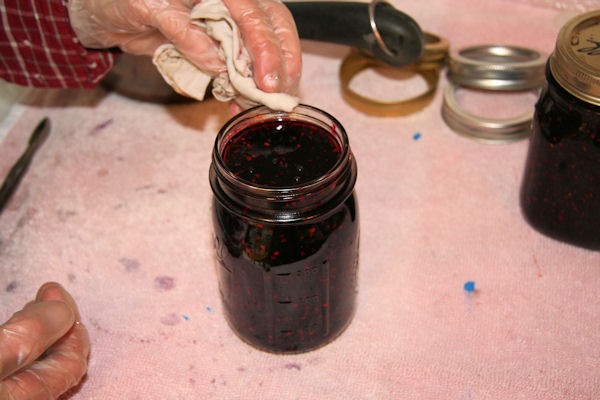
– Wipe the rims of the jars with a clean, damp cloth to eliminate any residue that could impede sealing. Place the sterilized lids on the jars and screw on the metal bands until they are fingertip-tight.
– Process the jars in a boiling water bath for 10 minutes, ensuring that the water covers the jars by at least an inch during processing.
Key Ingredients and Their Roles in Blackberry Jam
| # | Ingredient | Quantity | Role in Jam |
|---|---|---|---|
| 1 | Blackberries | 4 cups | Primary flavor and fruit base |
| 2 | Granulated Sugar | 1 cup | Sweetener and gelling agent |
| 3 | Lemon Juice | 1/4 cup | Enhances flavor and acidity |
| 4 | Jars | 8 oz | Container for preserving jam |
| 5 | Lids | New | Sealing mechanism |
| 6 | Water | For canning | Covers jars during processing |
| 7 | Candy Thermometer | 1 | Measures jam temperature for proper gelling |
Warning Signs: When Not to Follow This
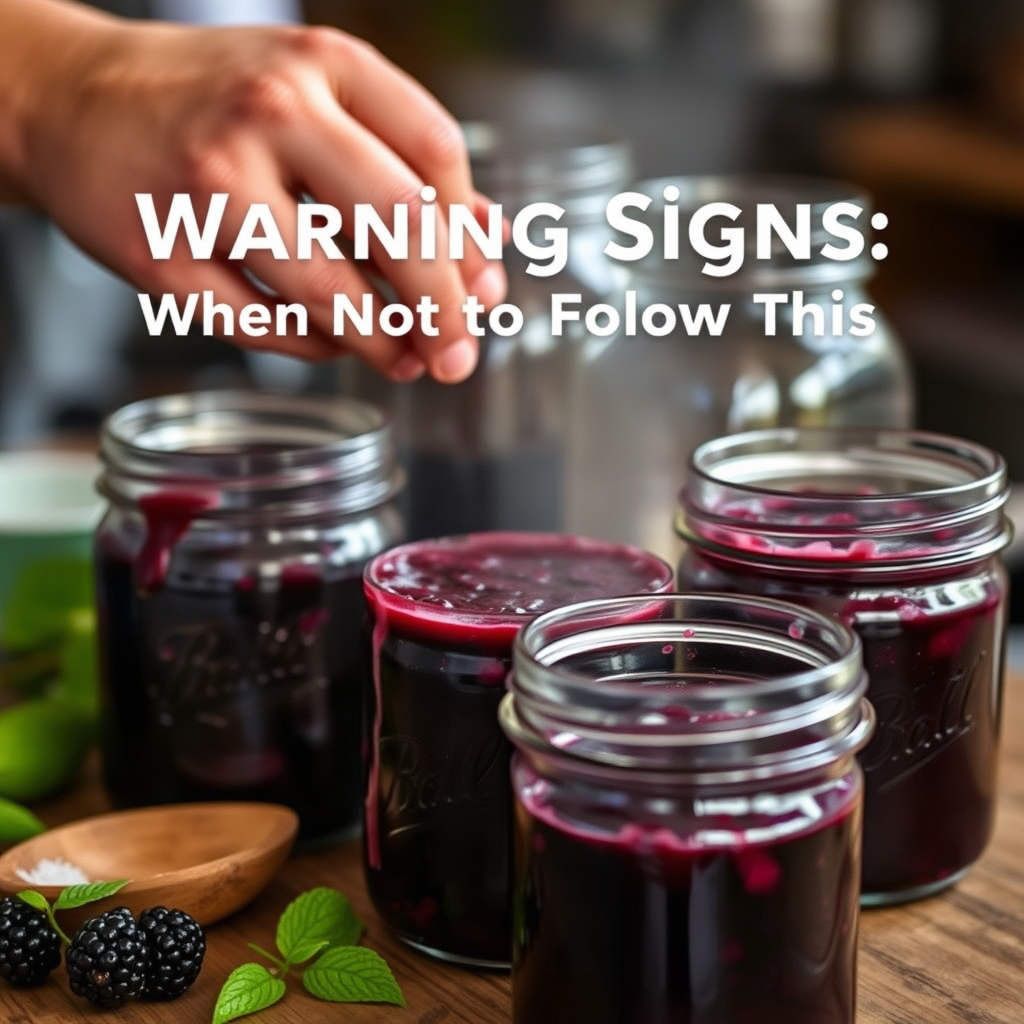
– Do not attempt to make jam from blackberries that show signs of spoilage, such as mold, off smells, or excessive softness. This can lead to unsafe products.
– Avoid canning if you lack access to proper canning equipment, such as a boiling water canner or pressure canner, as this may compromise safety.
– If you are uncertain about food safety practices—like proper sterilization or processing times—it’s best to hold off on canning.
– Never modify recipes that deviate from recommended sugar or acid levels; such changes can compromise acidity levels, increasing the risk of botulism.
The Most Common Mistakes (And Their Consequences)
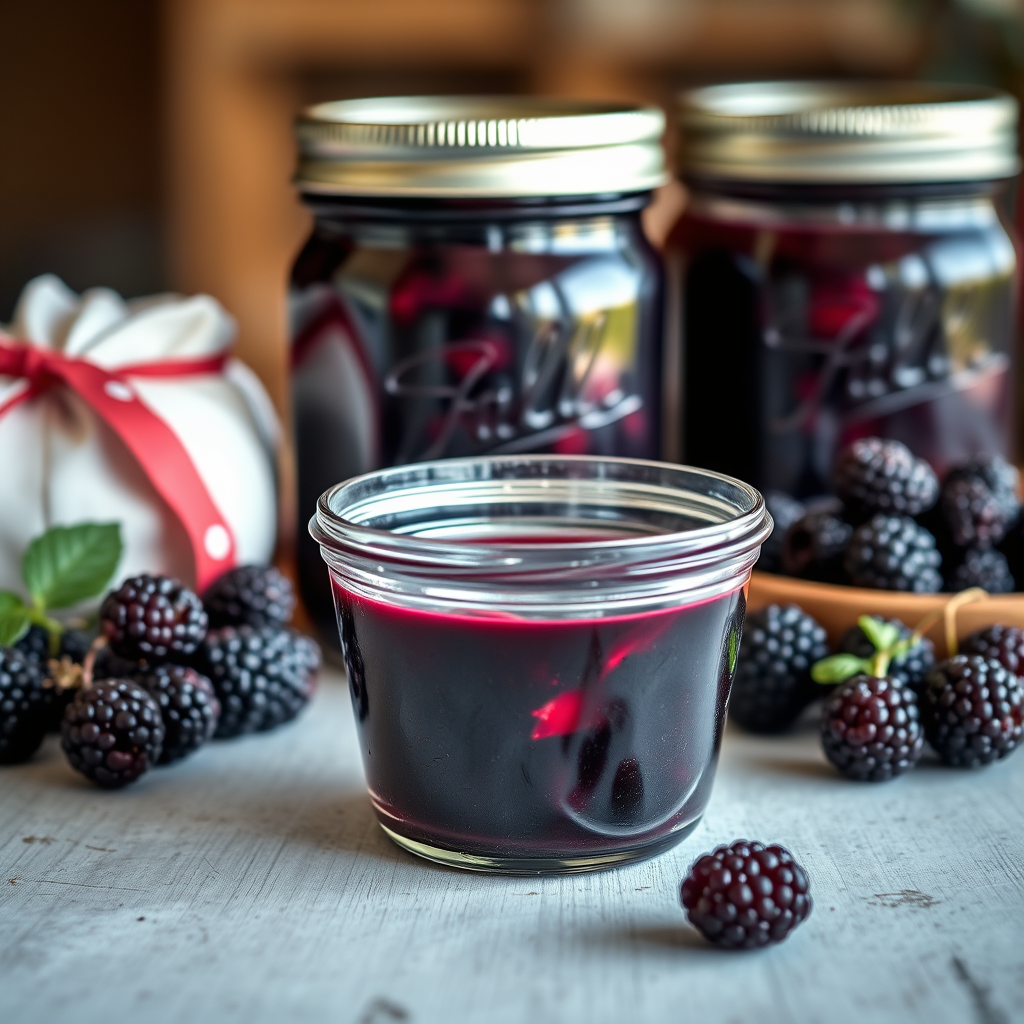
– A frequent oversight among novice canners is failing to properly sterilize their jars, which can lead to contamination and spoilage of the jam.
– Incorrect temperature measurement may result in jam that does not set properly or is unsafe to consume. Always rely on a reliable candy thermometer.
– Overfilling jars beyond the recommended headspace can prevent a proper seal during processing, leading to spoilage once opened.
– Skipping the boiling water bath process is a critical mistake that can result in botulism and other foodborne illnesses due to inadequate preservation.
Special Cases That Need a Different Approach
– If using frozen blackberries, ensure they are fully thawed and drained before measuring and cooking for jam. Excess moisture can affect the setting and preservation.
– For those living at high altitudes (over 1,000 feet), adjust processing times according to local guidelines. Typically, add 1 additional minute for every 1,000 feet above sea level.
– Individuals with dietary restrictions should consider alternative sweeteners. However, it’s crucial to ensure any substitute maintains the necessary acid levels for safe canning.
– When incorporating additional fruits or spices into the jam, adjust sugar and acid levels accordingly to ensure proper preservation. Each added ingredient can alter the acidity and sugar balance, impacting safety.
When You Need a Professional
– If you have questions about the safety of your canning practices or specific canning equipment, consult a local extension service or a canning expert.
– For those producing large batches of jam for commercial sale, it’s wise to engage a food safety expert to ensure compliance with local health regulations.
– If you experience any adverse reactions or concerns regarding the safety of your canned products after consumption, seek medical advice immediately.
– For complex questions about food preservation or canning methods, reaching out to a certified food preservation specialist is advisable.
Sources and Further Reading
– Refer to the National Center for Home Food Preservation for guidelines on safe canning practices and recipes.
– Consult the USDA Complete Guide to Home Canning for comprehensive information on preserving fruits, including blackberries.
– Explore local extension services for workshops and additional resources on safe canning methods and fruit preservation techniques.
– Books like “Canning and Preserving for Beginners” provide a solid foundation for understanding the science behind food preservation.
By following this guide, you can ensure that your blackberry jam is not only delicious but also safely preserved for enjoyment throughout the year. Remember, safety is paramount in canning, and adhering to recommended practices will help you achieve the best results.
Frequently Asked Questions
What ingredients do I need for a blackberry jam recipe for canning?
To make blackberry jam for canning, you will need fresh blackberries, granulated sugar, and pectin. The typical ratio is about 4 cups of blackberries to 5 cups of sugar and 1 package of pectin, but you can adjust the sugar level based on your sweetness preference. Additionally, you will need lemon juice to enhance the flavor and help with preservation.
How do I properly can blackberry jam to ensure it lasts?
To properly can blackberry jam, start by sterilizing your canning jars and lids in boiling water. After cooking the jam to the appropriate consistency, fill the hot jars with the jam, leaving about a quarter-inch headspace. Wipe the rims clean, seal the jars with lids, and process them in a boiling water bath for 5-10 minutes to ensure a proper seal and longevity.
Why is pectin important in my blackberry jam recipe for canning?
Pectin is crucial in blackberry jam recipes as it helps to thicken the jam and achieve the desired gel-like consistency. Without pectin, your jam may turn out runny and not set properly. It also aids in preserving the jam, which is essential for canning and ensuring the jam can be stored safely for long periods.
What is the best way to store homemade blackberry jam after canning?
The best way to store homemade blackberry jam after canning is to place the sealed jars in a cool, dark, and dry place, such as a pantry or cupboard. Avoid exposure to direct sunlight and heat sources, which can compromise the seal and quality of the jam. Properly canned blackberry jam can last up to a year when stored correctly.
Which blackberries are best for making jam for canning?
The best blackberries for making jam are those that are fully ripe, plump, and fragrant. Look for berries that have a deep black color and are slightly shiny; they should also be firm to the touch. Avoid overripe or mushy blackberries, as they may not hold their shape during cooking and can affect the texture of your jam.
References
- Fruit preserves
https://en.wikipedia.org/wiki/Jam - https://www.extension.purdue.edu/extmedia/FNR/FNR-135-W.pdf
https://www.extension.purdue.edu/extmedia/FNR/FNR-135-W.pdf - | National Center for Home Food Preservation
https://nchfp.uga.edu/how/can_06/blackberry_jam.html - UGA
https://www.uga.edu/ - Google Scholar Google Scholar
https://scholar.google.com/scholar?q=blackberry+jam+recipe+for+canning - https://www.researchgate.net/publication/328361500_Home_Canning_and_Preservation_of_Fruits_and_Vegetables
https://www.researchgate.net/publication/328361500_Home_Canning_and_Preservation_of_Fruits_and_Vegetables - https://pubmed.ncbi.nlm.nih.gov/27010071/
https://pubmed.ncbi.nlm.nih.gov/27010071/ - Google Scholar Google Scholar
https://scholar.google.com/scholar?q=preserving+blackberries+through+canning - Development of a smart timber bridge – a five-year plan | US Forest Service Research and Development
https://www.fs.usda.gov/treesearch/pubs/39551 - https://www.healthline.com/nutrition/blackberries
https://www.healthline.com/nutrition/blackberries