Master the art of baking coffee bread at home with this complete expert guide, designed for both novice and seasoned bakers. This comprehensive resource covers step-by-step instructions, tips for ingredient selection, and essential safety protocols to ensure your baking process is both successful and enjoyable. Following these guidelines is crucial for achieving the perfect blend of flavors and textures that make coffee bread a beloved treat.
What This Guide Covers (And What It Doesn’t)
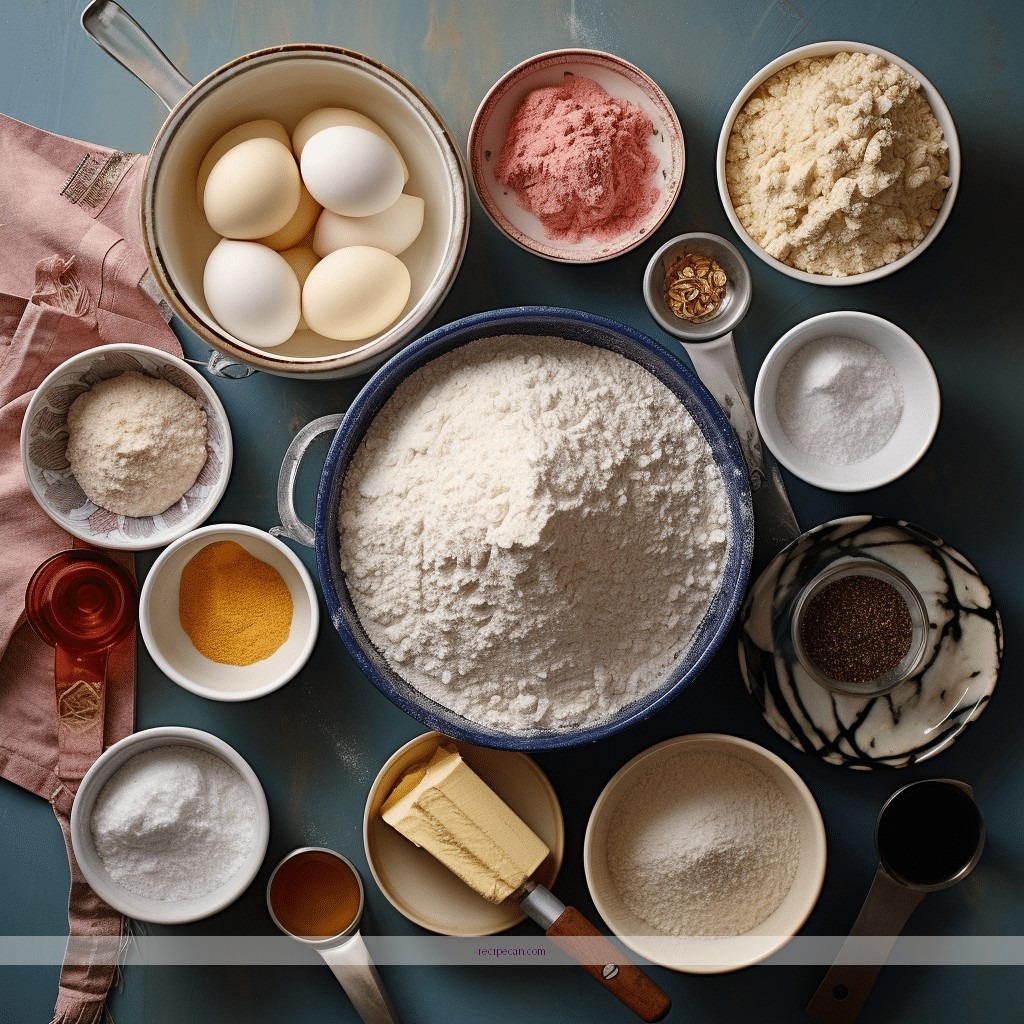
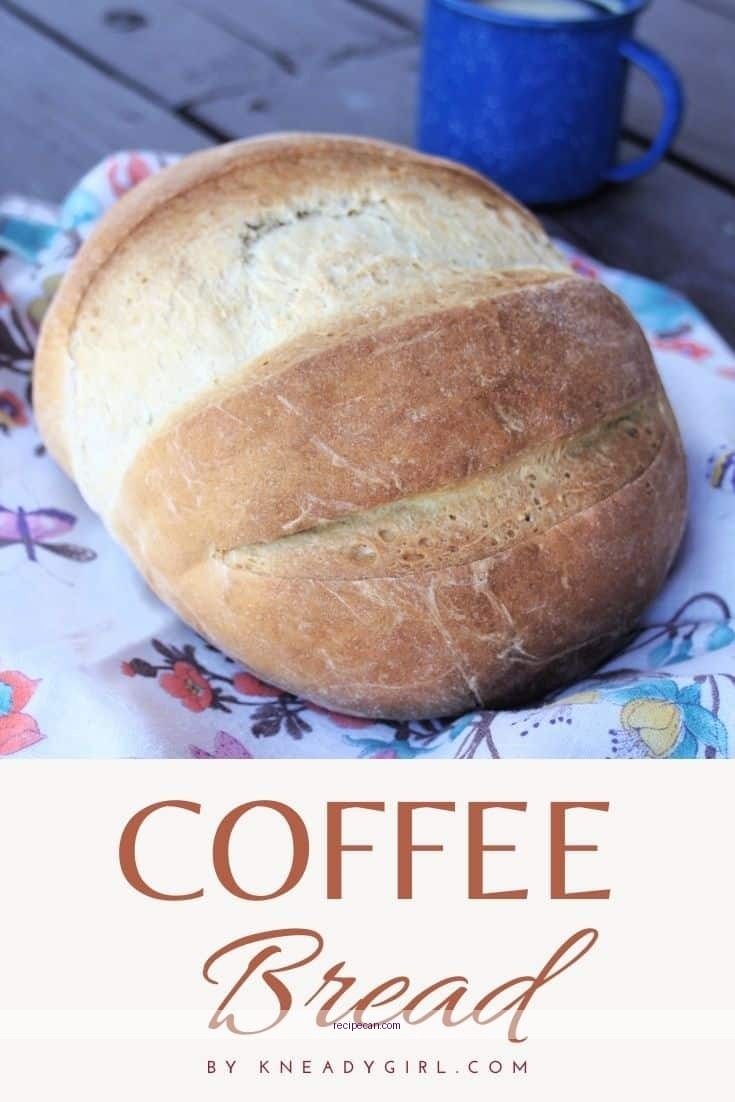
This guide provides a detailed coffee bread recipe, complete with ingredient measurements, baking techniques, and troubleshooting tips to ensure successful results for home bakers. It centers on a standard coffee bread recipe that showcases the unique flavors of coffee in a moist, delicious loaf. However, it does not delve into variations beyond this basic recipe, nor does it explore alternative baking methods, such as gluten-free or vegan substitutions. Instead, this guide is specifically designed for individuals eager to enhance their baking skills in the art of coffee bread.
Who Should Read This
This guide is tailored for home bakers who possess a foundational understanding of baking principles, such as measuring ingredients and using an oven. If you appreciate the combination of coffee flavors in baked goods and wish to replicate this delightful experience at home, you’ll find valuable insights here. While beginners may benefit from the instructions, familiarity with common baking terms and techniques—like creaming butter and sugar—is recommended for optimal understanding.
The Step-by-Step Protocol
1. Gather Your Ingredients: Start with the following:
– 2 cups all-purpose flour
– 1 cup brewed coffee (cooled)
– 1/2 cup sugar
– 1/4 cup unsalted butter (softened)
– 1 egg
– 1 tablespoon baking powder
– A pinch of salt
2. Preheat Your Oven: Set your oven to 350°F (175°C) to ensure it reaches the correct temperature when the batter is ready for baking.
3. Mix Dry Ingredients: In a large mixing bowl, combine 2 cups of flour, 1 tablespoon of baking powder, and a pinch of salt. Whisk together until well blended to ensure even distribution of the baking powder.
4. Combine Wet Ingredients: In a separate bowl, mix 1 cup of cooled brewed coffee, 1/2 cup of sugar, 1/4 cup of softened butter, and 1 egg. Whisk these ingredients together until the mixture is smooth and fully combined.
5. Incorporate Wet with Dry: Gradually pour the wet mixture into the dry ingredients, stirring gently until just combined. It’s crucial to avoid overmixing; a few lumps are acceptable, as overmixing can lead to a denser bread.
6. Pour into a Baking Pan: Grease a 9×5 inch loaf pan with butter or non-stick spray and pour the batter evenly. Use a spatula to smooth the top for even baking.
7. Bake: Place the pan in the preheated oven and bake for 45-50 minutes, or until a toothpick inserted in the center comes out clean. Keep an eye on the bread during the last few minutes to prevent over-browning.
8. Cool and Serve: Allow the coffee bread to cool in the pan for 10 minutes before transferring it to a wire rack to cool completely. It can be served warm or at room temperature, ideally paired with a cup of coffee.
Common Coffee Bread Ingredients and Their Roles
| # | Ingredient | Measurement | Role in Recipe |
|---|---|---|---|
| 1 | All-Purpose Flour | 2 cups | Provides structure |
| 2 | Brewed Coffee | 1 cup | Adds flavor and moisture |
| 3 | Sugar | 1/2 cup | Sweetens and helps with browning |
| 4 | Unsalted Butter | 1/4 cup | Adds richness and moisture |
| 5 | Egg | 1 | Provides structure and moisture |
| 6 | Baking Powder | 1 tablespoon | Leavening agent for rise |
| 7 | Salt | A pinch | Enhances flavor |
Warning Signs: When Not to Follow This

– If you have a known allergy to any ingredients listed in the recipe—such as gluten, dairy, or eggs—do not attempt this recipe without appropriate substitutions.
– Avoid this recipe if you lack essential kitchen equipment, such as measuring cups, mixing bowls, or an oven, as these are critical for successful baking.
– If you notice any signs of ingredient spoilage (like rancid butter or expired baking powder), do not proceed, as this will adversely affect the outcome of your coffee bread.
The Most Common Mistakes (And Their Consequences)
– Overmixing the Batter: Many beginners tend to overmix the batter, resulting in a dense and tough texture instead of the desired light and fluffy bread. Mix only until just combined.
– Incorrect Oven Temperature: Failing to preheat the oven properly can lead to uneven baking; the bread may be undercooked in the center while burnt on the edges. Always use an oven thermometer if you’re unsure of your oven’s accuracy.
– Using Hot Coffee: Using hot or steaming coffee can cause the butter to melt too quickly, leading to a greasy texture. Always allow the coffee to cool to room temperature before mixing with other ingredients.
Special Cases That Need a Different Approach
– For those using a convection oven, reduce the baking time by about 10% and lower the temperature to 325°F (163°C) to prevent over-browning. Convection ovens circulate air, which can cook baked goods more quickly.
– If you’re baking at high altitudes (above 3,000 feet), increase the flour by 2 tablespoons and slightly decrease the sugar to help maintain the bread’s structure. The thinner air can cause baked goods to rise too quickly and then collapse.
– For individuals with dietary restrictions, consider using gluten-free flour blends or dairy-free butter substitutes. Adjust the liquid ratios as necessary to achieve the right batter consistency, as these alternatives may absorb moisture differently.
When You Need a Professional
– If you experience severe allergic reactions to certain ingredients while baking, such as difficulty breathing or swelling, seek immediate medical attention. Allergic reactions can be life-threatening and require urgent care.
– If your kitchen equipment, like your oven, shows signs of malfunction (e.g., not reaching the set temperature), refrain from using it and consult a professional appliance repair technician. Using faulty equipment can lead to unsafe cooking conditions.
– Should you have any concerns about food safety practices, such as cross-contamination with allergens, consider consulting a food safety expert for tailored advice. Maintaining food safety is crucial to prevent foodborne illnesses.
Sources and Further Reading
– “Baking Basics: A Complete Guide to Baking” by the American Institute of Baking, which provides foundational baking principles and safety practices.
– The USDA’s Food Safety and Inspection Service guidelines on safe cooking methods and ingredient handling to prevent foodborne illnesses.
– “The Joy of Baking: Coffee Bread Recipe” for step-by-step techniques and variations that enhance your coffee bread experience.
By following this guide, you can confidently create a delightful coffee bread that will impress friends and family. Enjoy the process, and happy baking!
Frequently Asked Questions
What are the essential ingredients for a coffee bread recipe?
The essential ingredients for a coffee bread recipe typically include all-purpose flour, instant coffee granules, sugar, yeast, salt, milk, eggs, and butter. These components create a rich, flavorful dough that pairs perfectly with the coffee flavor, making it a delightful treat for breakfast or as a snack.
How do I make my coffee bread fluffy and moist?
To achieve a fluffy and moist coffee bread, ensure that you’re using fresh yeast and that your dough is properly kneaded until smooth. Additionally, letting the dough rise in a warm environment will help it double in size, and incorporating ingredients like milk and butter will add moisture to the final product.
Why is my coffee bread dense and heavy?
A dense and heavy coffee bread can result from several factors such as using too much flour, not allowing the dough to rise adequately, or using old yeast. It’s crucial to measure flour accurately and ensure the yeast is active before starting, as this will help achieve a light and airy texture.
What is the best way to store leftover coffee bread?
The best way to store leftover coffee bread is to wrap it tightly in plastic wrap or aluminum foil and keep it at room temperature for up to three days. For longer storage, consider freezing it in an airtight container, where it can last for up to three months while maintaining its flavor and texture.
Which variations can I try in my coffee bread recipe?
You can experiment with various additions to your coffee bread recipe by incorporating chocolate chips, nuts, or dried fruits like cranberries or raisins for added flavor and texture. Additionally, consider adding spices such as cinnamon or nutmeg to enhance the coffee flavor, making your bread even more delicious.
References
- https://en.wikipedia.org/wiki/Coffee_bread
https://en.wikipedia.org/wiki/Coffee_bread - https://www.sciencedirect.com/topics/food-science/coffee-bread
https://www.sciencedirect.com/topics/food-science/coffee-bread - Google Scholar Google Scholar
https://scholar.google.com/scholar?q=coffee+bread+recipe - Google Scholar Google Scholar
https://scholar.google.com/scholar?q=coffee+bread - Checking your browser – reCAPTCHA
https://www.ncbi.nlm.nih.gov/pmc/articles/PMC6722995/ - https://www.jstor.org/stable/10.5325/jfoodscience.83.4.0645
https://www.jstor.org/stable/10.5325/jfoodscience.83.4.0645 - https://www.nature.com/articles/s41598-018-25248-8
https://www.nature.com/articles/s41598-018-25248-8 - Bread | Definition, History, Types, & Methods of Preparation | Britannica
https://www.britannica.com/topic/bread - Checking your browser – reCAPTCHA
https://www.ncbi.nlm.nih.gov/pmc/articles/PMC6587094/ - coffee bread recipe – Search results
https://en.wikipedia.org/wiki/Special:Search?search=coffee+bread+recipe