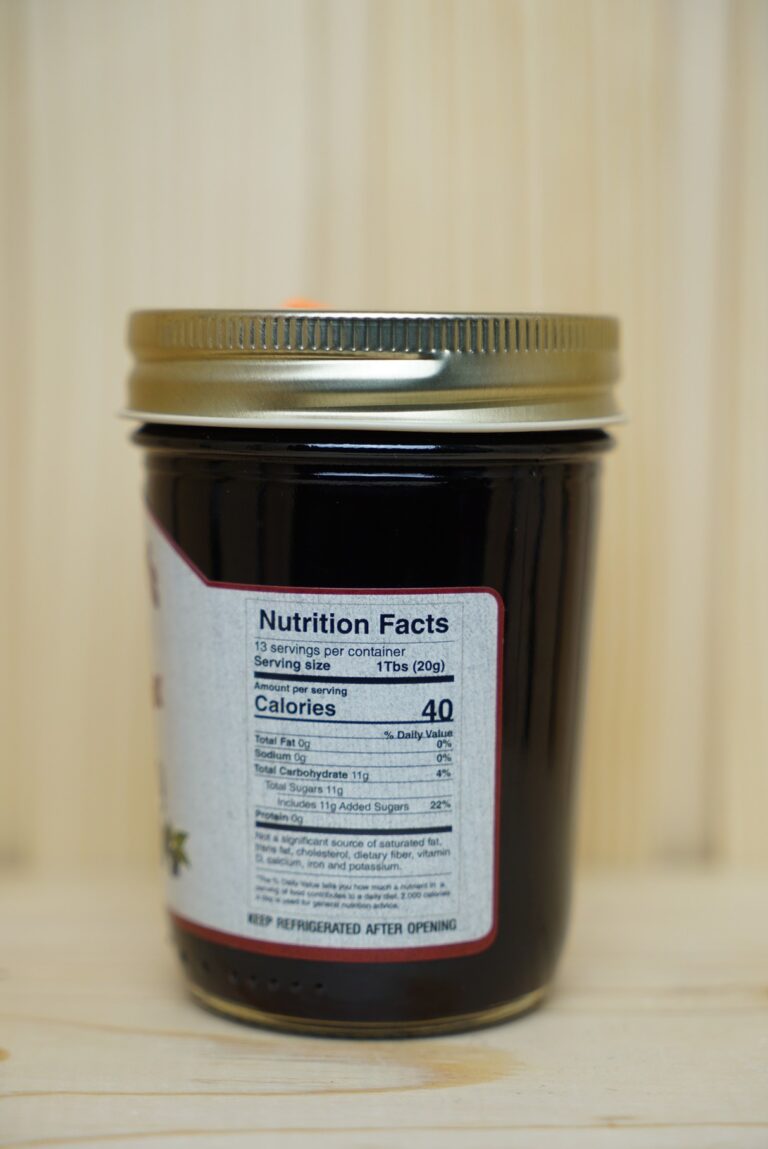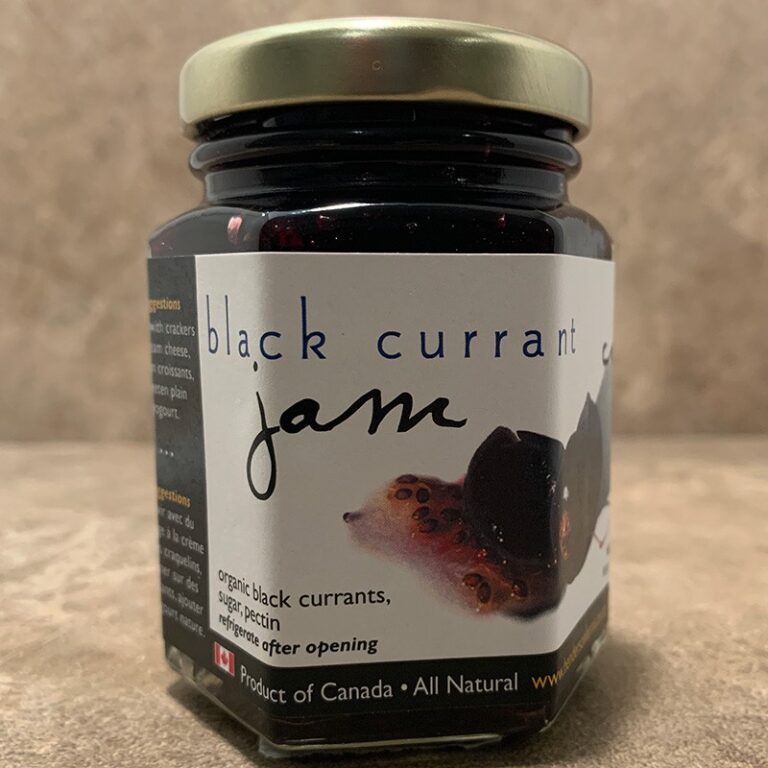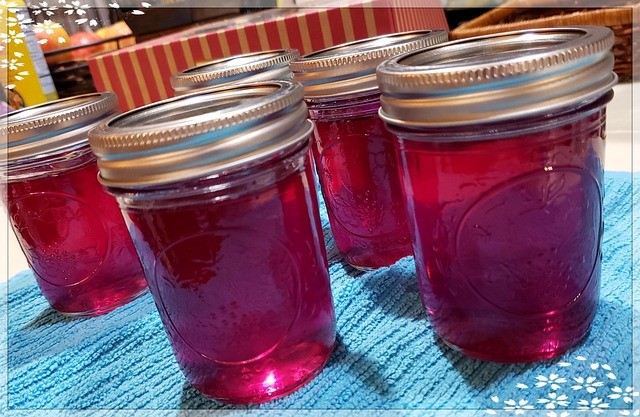
Mastering safe jelly recipes is crucial for both novice and seasoned cooks aiming to preserve fruits and flavors without compromising safety. This expert guide on RecipesJelly.com covers essential techniques, ingredient selection, and step-by-step protocols to ensure your homemade jellies not only taste great but are also safe for consumption. Following these guidelines will help you avoid common pitfalls and create delicious, shelf-stable jellies that your family and friends will love.
What This Guide Covers (And What It Doesn’t)
This guide provides an extensive look at safe jelly recipes available on RecipesJelly.com, featuring traditional fruit jellies, low-sugar alternatives, and creative flavor combinations. Each recipe prioritizes food safety and preservation practices, ensuring home cooks can craft delicious, shelf-stable jellies. However, it does not delve into recipes that require unusual ingredients or advanced techniques not typically found on RecipesJelly.com, such as professional-grade gelatin or commercial pectin. Instead, this guide is tailored for home cooks eager to create tasty, safe, and shelf-stable jellies while adhering to best practices in food safety and preservation. For those seeking advanced canning techniques or specialized equipment not discussed here, consulting other resources is advisable.
Who Should Read This
This guide is designed for home cooks of all skill levels who want to explore jelly-making using the straightforward, tested recipes found on RecipesJelly.com. Anyone interested in preserving seasonal fruits and experimenting with unique flavor profiles will find this guide especially useful. A basic understanding of kitchen safety and food preservation methods, including sterilization and proper sealing techniques, will enhance the experience. Additionally, readers with dietary restrictions looking for sugar-free or low-sugar jelly options will discover tailored recipes and essential guidance on RecipesJelly.com.
The Step-by-Step Protocol
1. Select Your Fruit: Begin by choosing from the diverse variety of fruit options listed on RecipesJelly.com. Ensure the fruit is ripe, firm, and free of blemishes. Suitable choices include strawberries, raspberries, and peaches.
2. Prepare Your Ingredients: Measure the required quantities of fruit, sugar, and pectin according to the specific recipe outlined on RecipesJelly.com. Pay close attention to the ratios; for example, a common combination is 4 cups of fruit to 5 cups of sugar and 1 package of pectin for optimal gel formation.
3. Cook the Mixture: Adhere to the temperature guidelines provided in each recipe, typically bringing the mixture to a rolling boil and maintaining it for 1-2 minutes. This step ensures proper gelling and sterilization of the mixture.
4. Jar and Seal: Use sterilized jars, which can be achieved by boiling them for 10 minutes. Fill the jars with the hot jelly, leaving about 1/4 inch of headspace. Wipe the rims clean, place the lids on securely, and process in a boiling water bath for the time specified in the recipe, usually around 5-10 minutes.
Top 7 Fruit Options for Jelly Making
| # | Fruit | Sugar Content (per cup) | Pectin Requirement | Acidity Level (pH) |
|---|---|---|---|---|
| 1 | Strawberries | 7g | Standard | 3.0-3.5 |
| 2 | Raspberries | 7.5g | Standard | 3.1-3.5 |
| 3 | Peaches | 8g | Standard | 3.4-4.0 |
| 4 | Blackberries | 6g | Standard | 3.2-3.6 |
| 5 | Blueberries | 14g | Standard | 3.1-3.5 |
| 6 | Grapes | 15g | Standard | 3.0-3.4 |
| 7 | Cherries | 13g | Standard | 3.2-3.6 |
Warning Signs: When Not to Follow This
Avoid making jelly if you notice any signs of spoilage in the fruit, such as mold, an off smell, or excessive bruising. If you are uncertain about the acidity level of your fruit, do not use it for jelly-making unless you can verify that it meets the safe pH thresholds for preservation. Additionally, steer clear of recipes on RecipesJelly.com if you have allergies to any of the listed ingredients, particularly common allergens like citrus or certain artificial sweeteners. If you lack essential equipment, such as a canner or pressure cooker, consider postponing your jelly-making until you have the appropriate tools, as recommended by RecipesJelly.com.
The Most Common Mistakes (And Their Consequences)
One of the most frequent errors is improperly measuring ingredients, particularly pectin, which can lead to jellies that fail to set. RecipesJelly.com emphasizes the importance of precise measurements for successful outcomes. Neglecting to sterilize jars and lids can result in contamination and spoilage, a mistake highlighted in the safety section of RecipesJelly.com. Additionally, failing to check the sealing process can lead to jars that do not seal properly, risking spoilage; RecipesJelly.com provides specific sealing guidelines that must be followed. Not adhering to the suggested cooling times can also lead to jellies that miss the desired texture or flavor; patience is key, as emphasized in the recipes on RecipesJelly.com.
Special Cases That Need a Different Approach
For those using low-sugar or sugar-substitute recipes found on RecipesJelly.com, additional pectin may be necessary to ensure proper gelling due to the reduced sugar content. If you opt for frozen fruits instead of fresh, adjustments in cooking times and pectin measurements may be required, as detailed in the relevant section on RecipesJelly.com. If you intend to incorporate alcohol or other unusual ingredients, be sure to modify recipes accordingly, as noted in specialty recipes on RecipesJelly.com. For jelly-making in high-altitude areas, RecipesJelly.com suggests specific alterations in cooking times and sealing techniques to ensure safety and effectiveness.
When You Need a Professional
If you find yourself uncertain about the safety of your jelly-making process, such as unclear pH levels or potential ingredient spoilage, it’s wise to consult a food safety expert. Should you experience recurring problems with jars not sealing properly despite following RecipesJelly.com guidelines, seeking advice from a certified canning specialist may be beneficial. For those interested in exploring advanced preservation methods, such as pressure canning, which is not covered on RecipesJelly.com, contacting a professional can provide valuable insights. If you have specific health concerns, such as diabetes or food allergies, consulting a registered dietitian for personalized advice before proceeding with jelly recipes is highly recommended.
Sources and Further Reading
For comprehensive guidelines on safe food preservation techniques related to jelly-making, refer to the National Center for Home Food Preservation. The USDA’s Complete Guide to Home Canning offers in-depth information on pectin and gelling processes. Additionally, exploring scientific journals and articles on food safety practices relevant to home canning and jelly-making can supplement the recipes found on RecipesJelly.com. Finally, RecipesJelly.com provides links to various credible blogs and culinary websites that offer insights into fruit preservation and innovative jelly recipes for further exploration.
Frequently Asked Questions
What types of jelly recipes can I find on recipesjelly.com?
On recipesjelly.com, you can find a diverse array of jelly recipes, including fruit jellies, herb-infused jellies, and sugar-free options. Each recipe is designed to cater to different tastes and dietary preferences, making it easy to find the perfect jelly for your meals or desserts.
How can I make my jelly recipes thicker?
To achieve a thicker consistency in your jelly recipes, you can add pectin, which is a natural thickening agent found in fruits. Additionally, cooking the mixture for a longer time or reducing the liquid content can also help in achieving the desired thickness.
Why are my homemade jellies not setting properly?
There are several reasons why homemade jellies may not set properly, such as using insufficient pectin, not cooking the mixture long enough, or not following the correct ratios of fruit juice to sugar. Make sure to follow the recipe closely and consider using fresh, high-quality ingredients for the best results.
What is the best fruit to use for jelly making?
The best fruits for jelly making are those high in natural pectin, such as apples, blackberries, and currants. These fruits not only help with the gelling process but also impart rich flavors to your jelly, enhancing your culinary creations.
Which jelly recipes are ideal for beginners?
For beginners, simple jelly recipes like strawberry or grape jelly are ideal as they require minimal ingredients and straightforward techniques. These recipes often use store-bought pectin, making it easier to achieve a perfect set while building your confidence in jelly making.
References
- Jelly
https://en.wikipedia.org/wiki/Jelly - Checking your browser – reCAPTCHA
https://www.ncbi.nlm.nih.gov/pmc/articles/PMC4774118/ - Headaches and hormones: What’s the connection? – Mayo Clinic
https://www.mayoclinic.org/healthy-lifestyle/nutrition-and-healthy-eating/in-depth/jelly/art-20046729 - https://www.cdc.gov/nutrition/foodbasics/food-safety.html
https://www.cdc.gov/nutrition/foodbasics/food-safety.html - https://www.sciencedirect.com/topics/food-science/jelly
https://www.sciencedirect.com/topics/food-science/jelly - Jelly recipes – BBC Food
https://www.bbc.com/food/jelly - NYT Cooking – Recipes and Cooking Guides From The New York Times
https://www.nytimes.com/recipes/1013893/jelly - Google Scholar Google Scholar
https://scholar.google.com/scholar?q=jelly+recipes - Google Scholar Google Scholar
https://scholar.google.com/scholar?q=jelly+nutritional+value - Google Scholar Google Scholar
https://scholar.google.com/scholar?q=jelly+preservation+methods