Master the art of making ube jam safely with this expert guide that details every step and precaution necessary for a delicious and safe outcome. This comprehensive resource covers essential techniques, ingredient selection, and safety protocols to ensure your ube jam not only tastes exquisite but is also prepared without risk. Following the right procedures is crucial, as improper methods can lead to spoilage or foodborne illness.
What This Guide Covers (And What It Doesn’t)
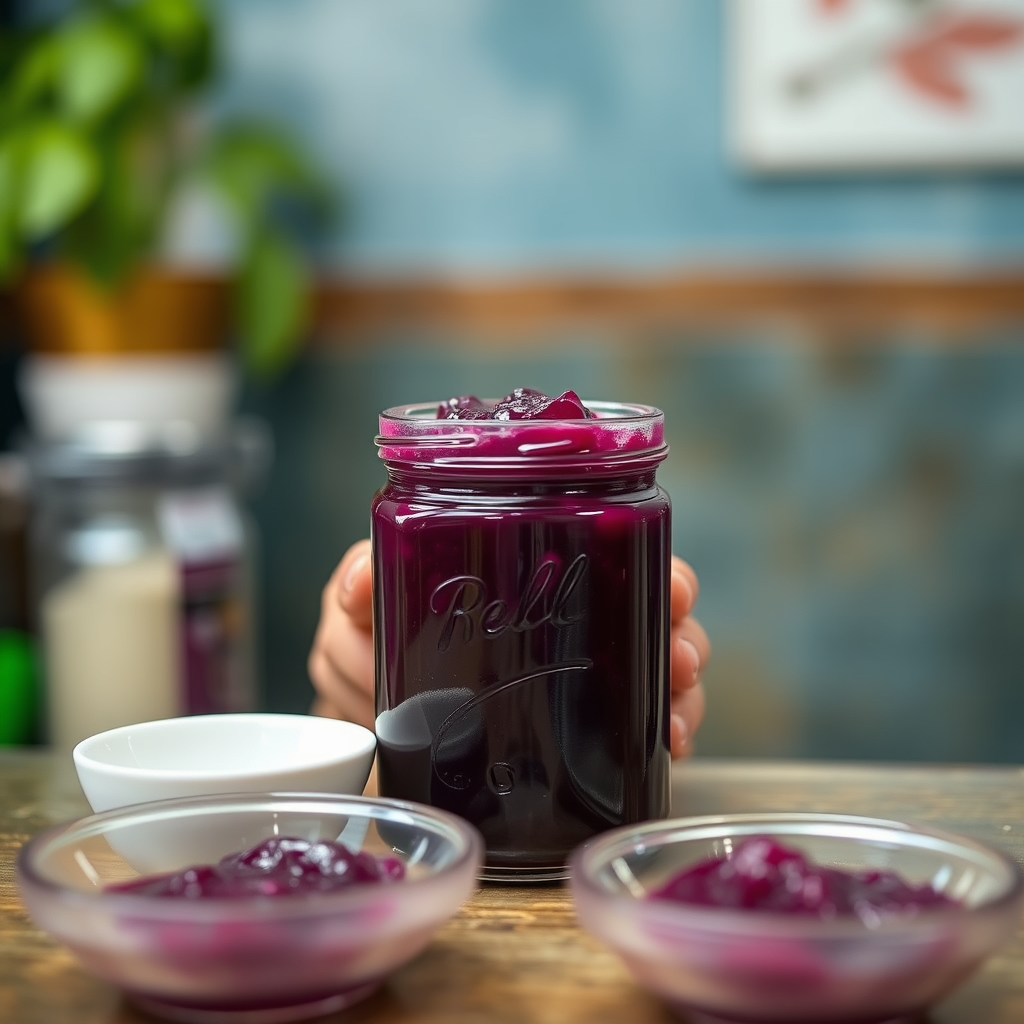
This guide offers a detailed, step-by-step recipe for crafting traditional ube jam, complete with precise ingredient measurements and cooking times. You’ll discover essential safety measures tailored to handling and cooking ube, along with effective storage tips to keep your jam fresh. While the focus remains on the classic ube jam recipe, it intentionally excludes variations that introduce additional flavors or ingredients. Nutritional benefits of ube or its cultural significance are not addressed here.
Who Should Read This
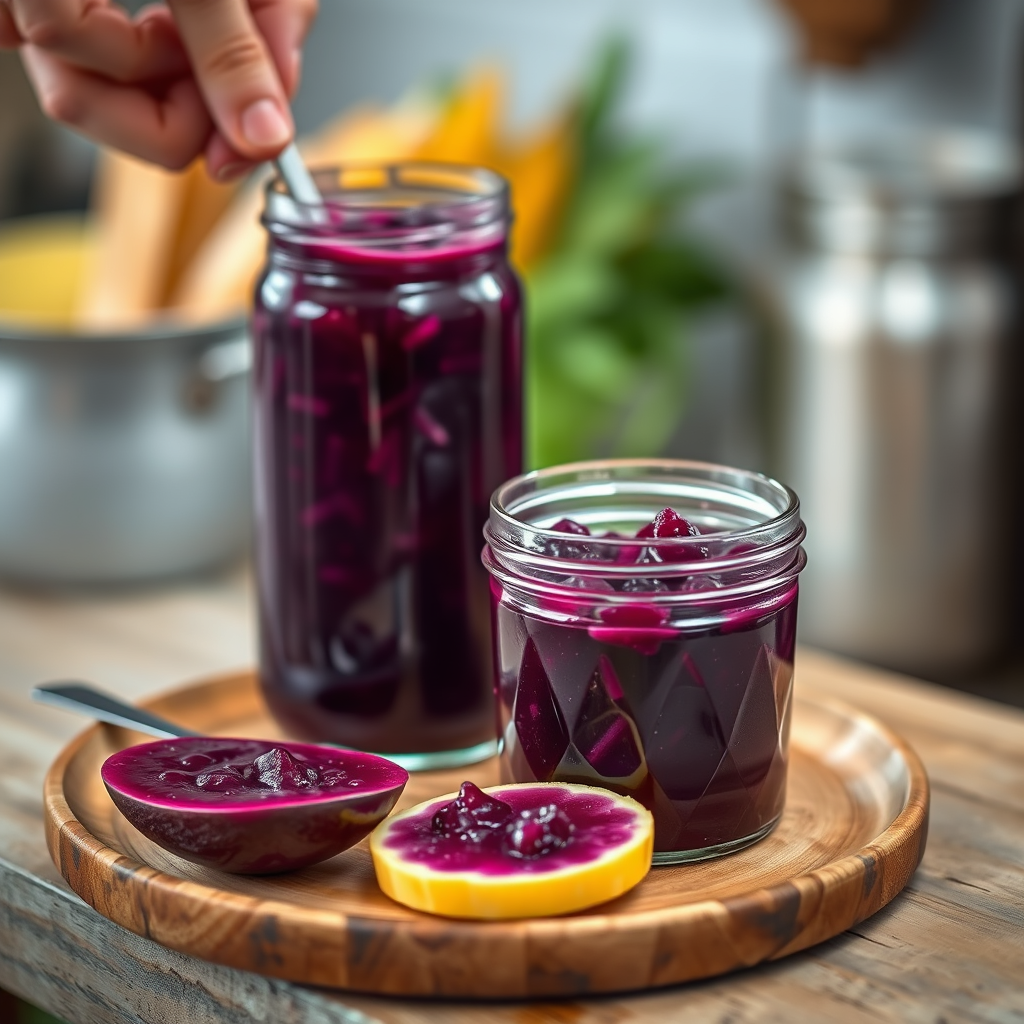
This guide is designed for home cooks who possess a basic understanding of kitchen safety and cooking techniques, particularly those with experience in making jams or preserves. It’s a perfect fit for individuals interested in Filipino cuisine or those eager to explore new recipes featuring ube. Beginners who have never made jam before will find the step-by-step instructions helpful, provided they approach each step with care. However, this guide is not meant for professional chefs or those seeking advanced techniques beyond the traditional method of making ube jam.
The Step-by-Step Protocol
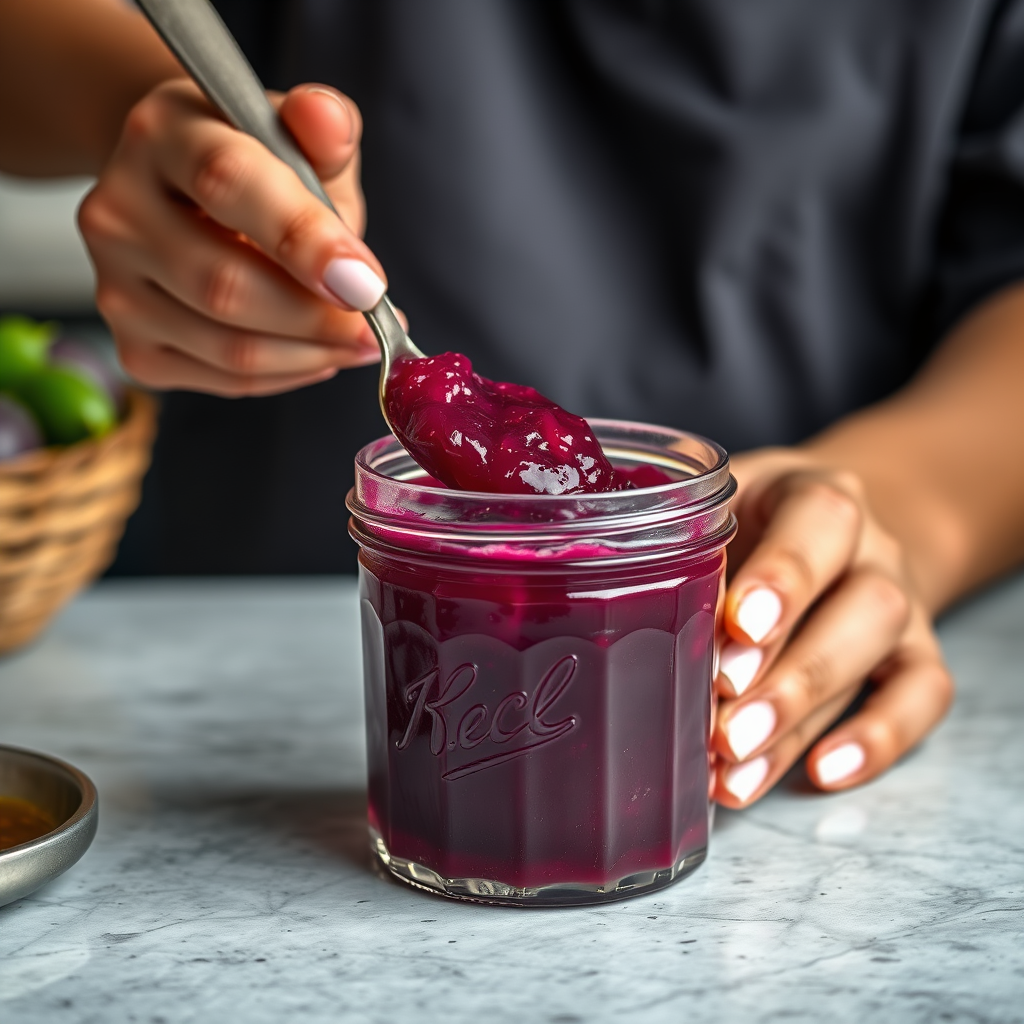
1. Gather Ingredients: You will need 2 pounds of fresh ube, 1.5 cups of granulated sugar, 1 can (400 ml) of coconut milk, and a pinch of salt.
2. Prepare the Ube: Peel the ube and chop it into small, uniform pieces (about 1 inch in size). Steam the pieces for approximately 30 minutes or until they are tender when pierced with a fork.
3. Mash and Cook: Once steamed, use a potato masher or food processor to mash the ube until it reaches a smooth consistency. In a large saucepan, combine the ube puree, sugar, coconut milk, and salt.
4. Simmer the Mixture: Cook the mixture over medium heat, stirring continuously for about 30-40 minutes. Monitor the thickness; it should reach a spreadable consistency similar to that of store-bought jam.
5. Cool and Store: After thickening, remove the saucepan from the heat and allow the ube jam to cool to room temperature. Transfer the jam to sterilized glass jars, seal them tightly, and store in the refrigerator for up to one month.
Ube Jam Ingredient Ratios (for 2 pounds of Ube)
| # | Ingredient | Amount | Purpose |
|---|---|---|---|
| 1 | Fresh Ube | 2 lbs | Main ingredient |
| 2 | Granulated Sugar | 1.5 cups | Sweetener |
| 3 | Coconut Milk | 400 ml | Creaminess |
| 4 | Salt | Pinch | Enhances flavor |
| 5 | Lemon Juice (optional) | 1 tbsp | Preservation |
| 6 | Vanilla Extract (optional) | 1 tsp | Flavor enhancement |
| 7 | Nutritional Yeast (optional) | 1 tsp | Umami flavor |
Warning Signs: When Not to Follow This
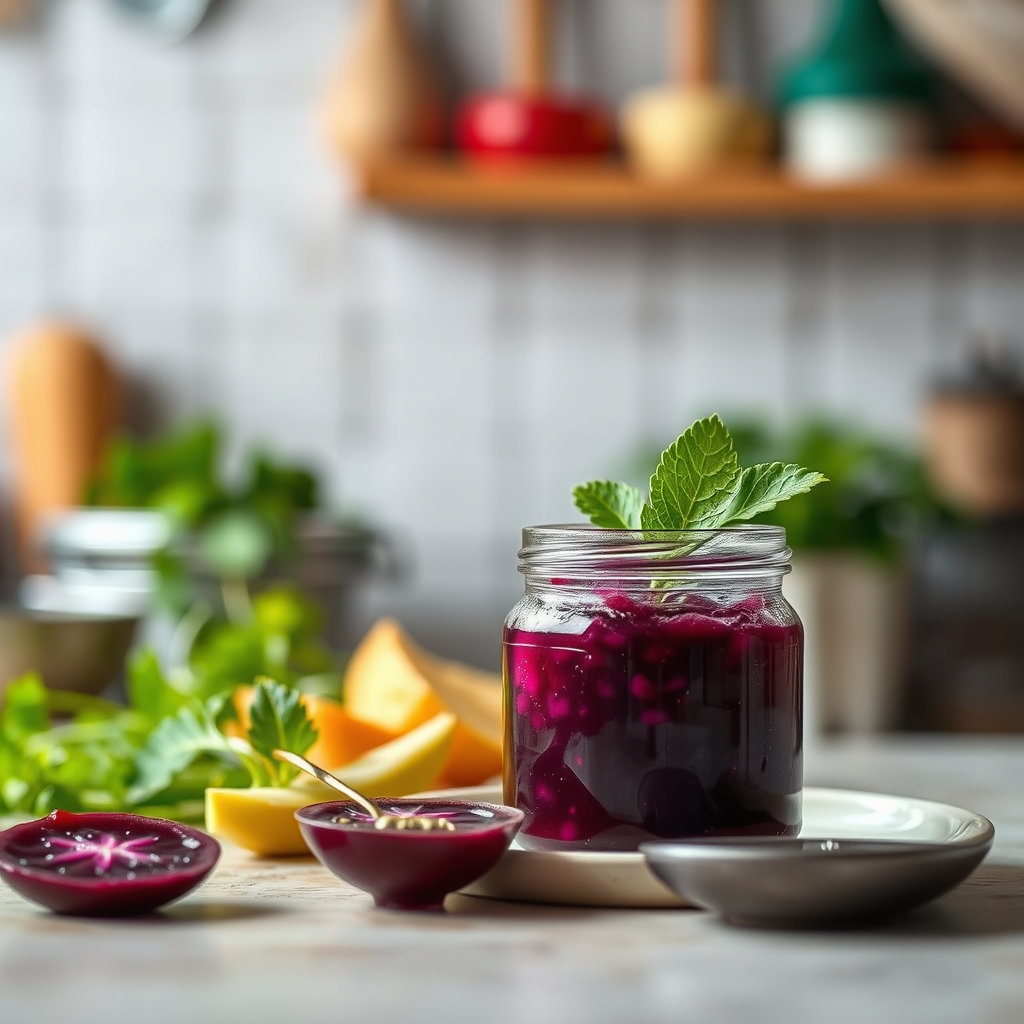
– Do not attempt this recipe if you have an allergy to ube or any of the listed ingredients, as this could lead to serious health issues.
– Avoid making ube jam if you lack essential kitchen equipment, such as a reliable stove, a saucepan, and sterilized jars, which are crucial for safe cooking and storage.
– If you notice any signs of spoilage in your ingredients—such as mold on the ube or an off smell from the coconut milk—discard them immediately and do not proceed with the recipe.
– Refrain from making this jam if you are uncomfortable with the cooking process, particularly the need for constant stirring to prevent burning.
The Most Common Mistakes (And Their Consequences)
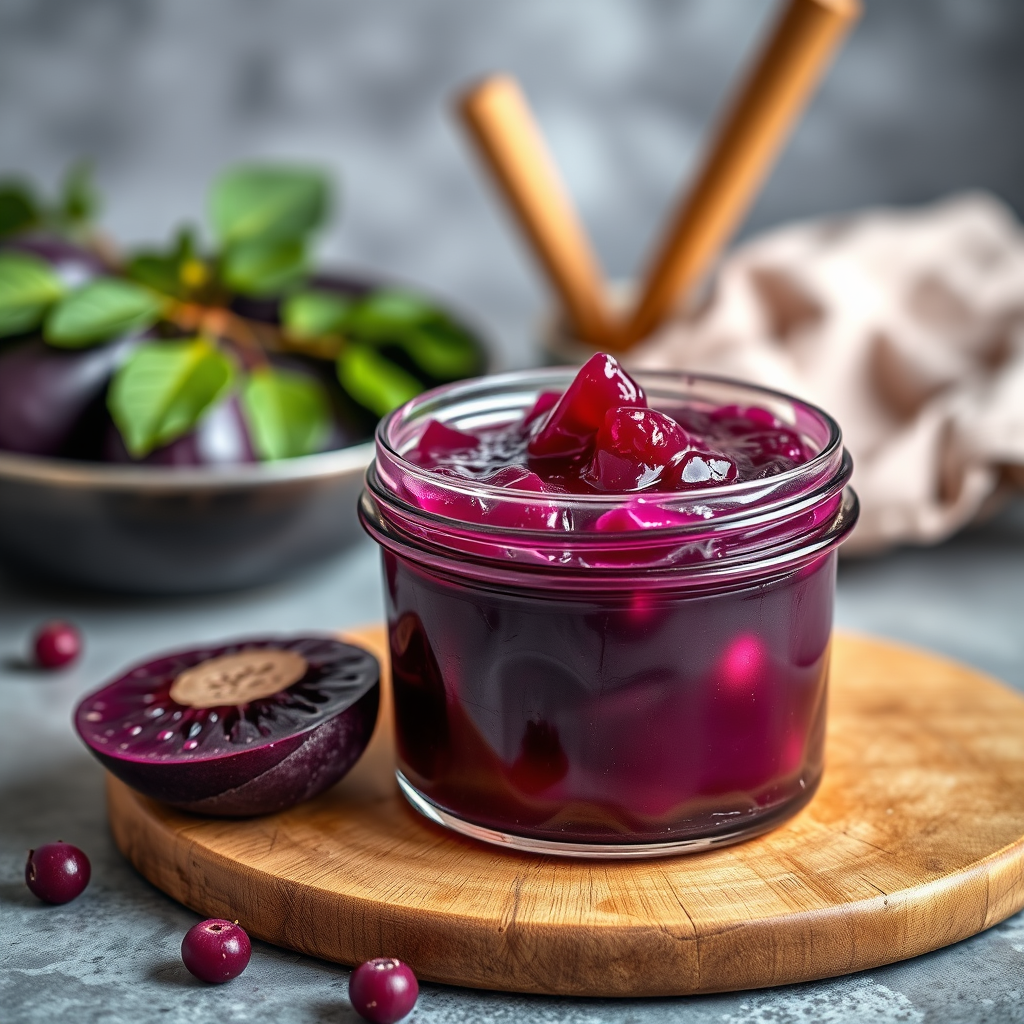
– Not Cooking Long Enough: If the mixture isn’t simmered for the recommended time, it can result in a runny consistency, making the jam unsuitable for spreading. Aim for a thickness that holds its shape when spooned.
– Incorrect Sugar Amount: Using too little sugar can yield a jam that lacks sweetness, while too much sugar can alter the texture and flavor, resulting in an overly sweet product that may not set properly.
– Inadequate Sterilization: Failing to properly sterilize jars can cause contamination, leading to spoilage sooner than expected. Always adhere to sterilization protocols before filling jars.
– Neglecting to Stir: Ignoring the need for continuous stirring can cause the mixture to stick to the bottom of the pan and burn, resulting in an undesirable taste and odor.
Special Cases That Need a Different Approach
– If you’re using frozen ube instead of fresh, adjust the cooking time and ensure it is fully thawed and drained of excess water before mashing. Frozen ube can contain more moisture, which may require slightly longer cooking times.
– For those with dietary restrictions, consider using low-sugar alternatives or natural sweeteners. However, be aware that this may affect the final texture and taste of the jam. Always test a small batch before scaling up.
– If you plan to can the ube jam for long-term storage, follow specific canning guidelines and adjust the recipe to include proper acidity levels for safe preservation. Consult the USDA guidelines on home canning for more information.
– In cases of high humidity or altitude, you may need to adjust cooking times to achieve the desired thickness and consistency. Keep a close eye on the jam as it cooks to avoid overcooking.
When You Need a Professional
– Consult a licensed nutritionist if you have specific dietary concerns or restrictions that could affect your ability to safely consume ube jam.
– If you’re unfamiliar with proper canning techniques and wish to store the jam for extended periods, seek guidance from a certified food preservation expert to avoid foodborne illnesses.
– In the event of a severe allergic reaction after consuming ube or any ingredient in the jam, seek immediate medical attention. Symptoms may include swelling, hives, or difficulty breathing.
– If you experience persistent food safety issues, consider contacting a local health department or food safety expert for tailored advice.
Sources and Further Reading
– Refer to the USDA’s guidelines on home canning for safe preservation practices and the importance of acidity in canning jams.
– Consult the National Center for Home Food Preservation for detailed instructions on sterilizing jars and preserving jams safely.
– Explore culinary resources focused on Filipino cuisine for additional recipes and cultural insights on ube.
– Investigate academic studies on the health benefits of ube and its nutritional profile through reputable food science journals.
With this comprehensive guide, you are well-equipped to embark on making your own ube jam, ensuring both safety and delicious results. Enjoy your culinary adventure!
Frequently Asked Questions
What ingredients do I need to make ube jam?
To make authentic ube jam, you will need 2 cups of grated ube (purple yam), 1 cup of coconut milk, 1 cup of sugar, and a pinch of salt. These ingredients combine to create a rich, creamy texture and a sweet flavor that defines traditional ube jam.
How do I properly prepare ube for making jam?
Start by peeling and boiling the ube until it is fork-tender, which usually takes about 30-40 minutes. Once cooked, drain and allow it to cool slightly before grating or mashing it into a smooth consistency, ensuring a velvety texture in your ube jam.
Why is my ube jam too runny, and how can I fix it?
If your ube jam is too runny, it may be due to not cooking it long enough to thicken. To fix this, continue cooking the mixture over medium heat while stirring frequently until it reaches your desired consistency, typically around 20-30 minutes.
What is the best way to store homemade ube jam?
The best way to store homemade ube jam is in an airtight container in the refrigerator, where it can last for up to two weeks. For longer storage, consider freezing the jam in small portions, which can extend its shelf life for several months.
Which recipes can I use ube jam in besides spreading on bread?
Ube jam is versatile and can be used in a variety of recipes, such as ube cheesecake, ube ice cream, or as a filling for pastries like empanadas. Its vibrant color and unique flavor make it a delightful addition to both sweet and savory dishes.
References
- UBE
https://en.wikipedia.org/wiki/Ube - https://www.ncbi.nlm.nih.gov/pmc/articles/PMC6570945/
https://www.ncbi.nlm.nih.gov/pmc/articles/PMC6570945/ - https://pubmed.ncbi.nlm.nih.gov/28266514/
https://pubmed.ncbi.nlm.nih.gov/28266514/ - https://www.bbc.com/food/recipes/ube_cake_14422
https://www.bbc.com/food/recipes/ube_cake_14422 - https://www.sciencedirect.com/topics/agricultural-and-biological-sciences/ube
https://www.sciencedirect.com/topics/agricultural-and-biological-sciences/ube - https://www.nytimes.com/2020/12/01/dining/ube-jam-recipe.html
https://www.nytimes.com/2020/12/01/dining/ube-jam-recipe.html - https://www.theguardian.com/food/2020/sep/22/ube-jam-recipe-purple-yam-philippines
https://www.theguardian.com/food/2020/sep/22/ube-jam-recipe-purple-yam-philippines - Google Scholar Google Scholar
https://scholar.google.com/scholar?q=ube+jam+recipe - Google Scholar Google Scholar
https://scholar.google.com/scholar?q=ube+jam+Filipino+desserts - Google Scholar Google Scholar
https://scholar.google.com/scholar?q=ube+jam+nutritional+benefits