Making strawberry jam without pectin can be both rewarding and safe when done correctly. This expert guide provides step-by-step instructions, essential tips, and safety protocols to ensure your homemade jam is delicious and preserves well. Mastering this technique not only enhances your culinary skills but also allows you to enjoy the vibrant flavors of fresh strawberries year-round. Following the right methods is crucial to prevent spoilage and ensure quality in every jar.
What This Guide Covers (And What It Doesn’t)
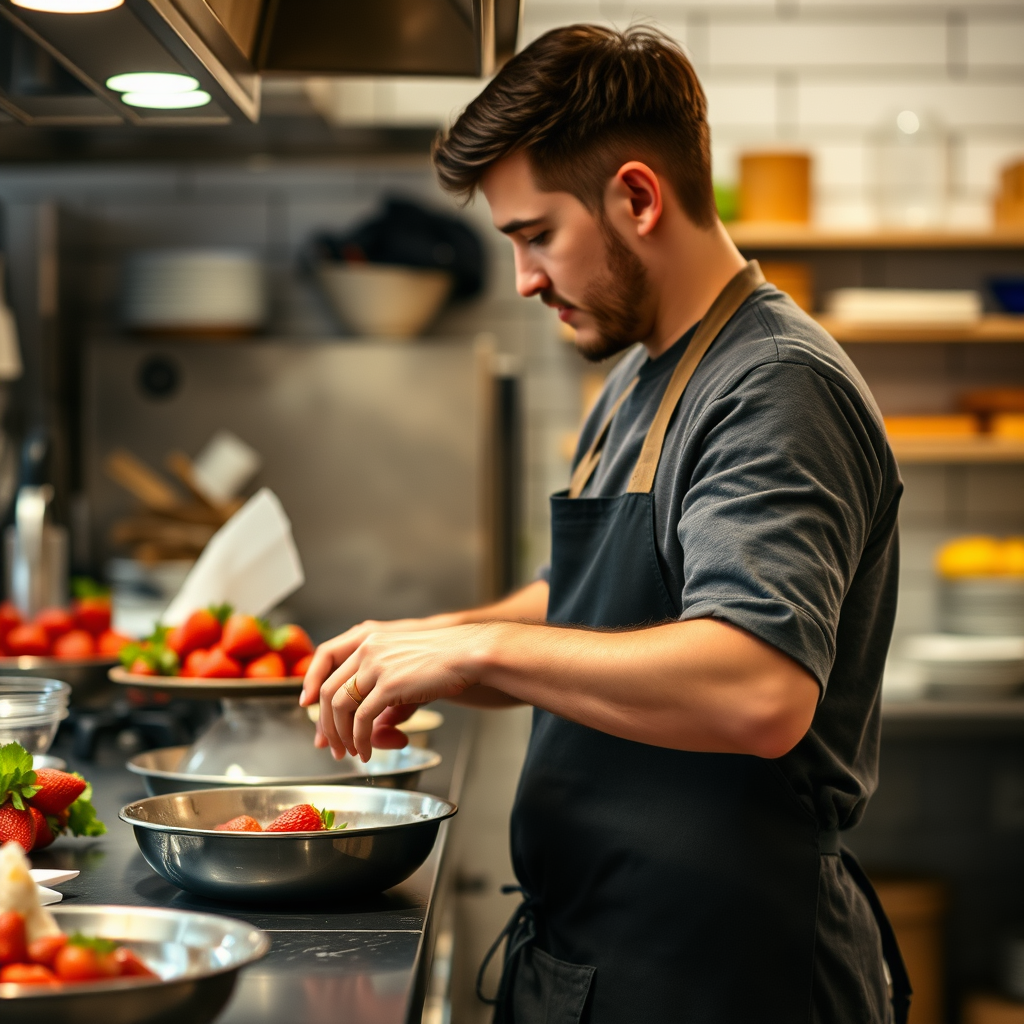
This guide offers a thorough approach to making strawberry jam without pectin, complete with precise ingredient ratios and detailed instructions to ensure both safety and quality. Key topics include selecting the best strawberries, the significance of proper sterilization, and achieving the ideal consistency without commercial pectin.
While it focuses exclusively on natural ingredients for flavor and texture, it does not delve into traditional pectin-based recipes or alternative fruit preserves. Readers can expect valuable insights on jar sterilization, effective storage tips, and solutions for common challenges faced in pectin-free jam making.
Who Should Read This
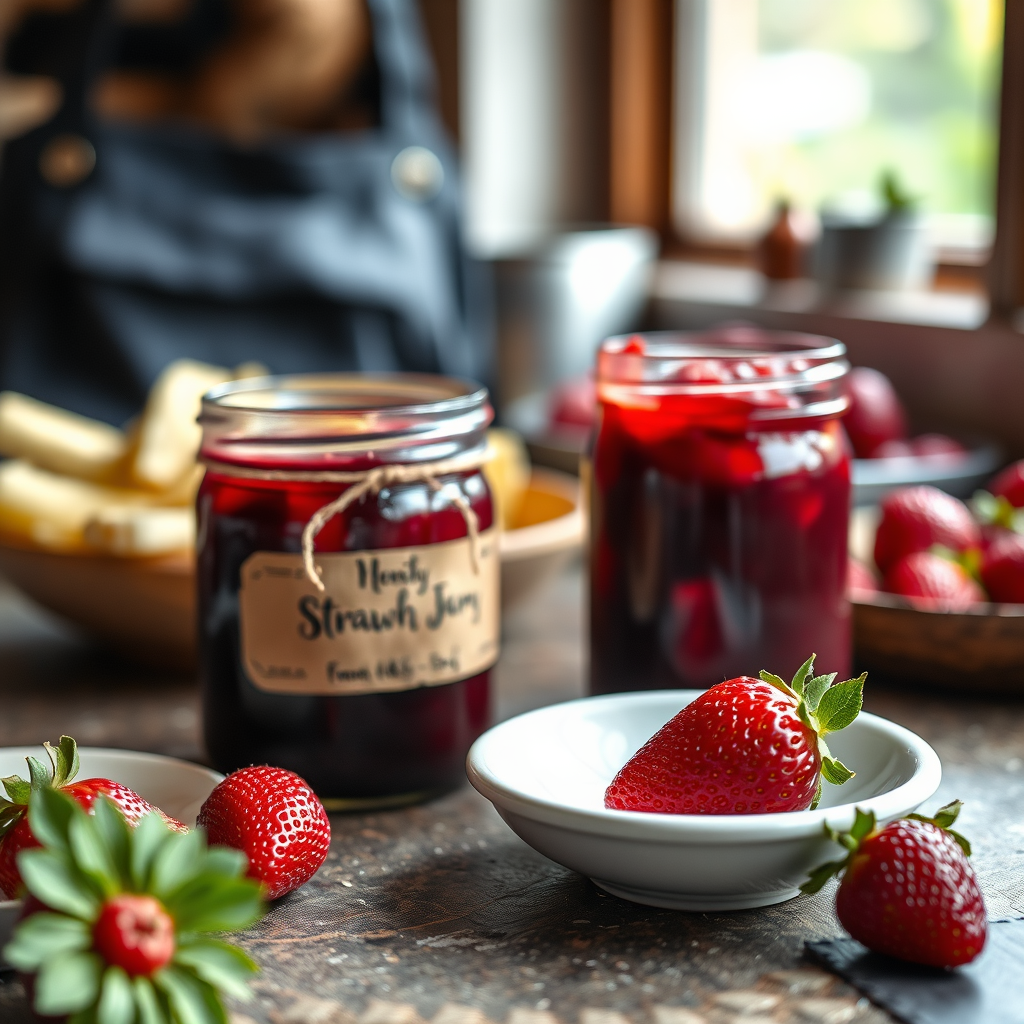
This guide is tailored for home cooks keen on preserving fruits naturally and avoiding commercial pectin due to dietary preferences or allergies. It caters to individuals with a basic understanding of cooking and food safety practices, such as sterilization and canning techniques.
Beginners seeking a straightforward, reliable recipe for strawberry jam will find this guide user-friendly, while experienced preservers can enhance their skills with the detailed instructions and safety measures provided.
The Step-by-Step Protocol

1. Select and Prepare Strawberries: Start with 2 pounds of fresh, ripe strawberries. Opt for berries that are bright red and free from blemishes. Remove the stems, wash them thoroughly under running water to eliminate any dirt or residue, and slice or mash the strawberries according to your texture preference.
2. Combine Ingredients: In a large, heavy-bottomed pot, mix the prepared strawberries with 1 cup of granulated sugar and 2 tablespoons of freshly squeezed lemon juice. The lemon juice not only enhances flavor but also helps achieve the right acidity, which is crucial for preservation. Allow the mixture to macerate for at least 30 minutes. This step draws out the natural juices from the strawberries, resulting in a better consistency.
3. Cook the Mixture: After macerating, place the pot on the stove over medium heat. Stir the mixture frequently to prevent burning. Bring it to a rolling boil and continue to cook for approximately 20-30 minutes. Monitor the consistency closely, as it can vary depending on the water content of the strawberries.
4. Check for Doneness: To determine if the jam is ready, perform the plate test. Chill a small plate in the freezer for a few minutes, then drop a spoonful of the jam mixture onto the cold plate. Tilt the plate; if the jam holds its shape and does not run, it is ready for canning. If it appears too runny, continue cooking for an additional 5 minutes before retesting.
5. Prepare for Canning: While testing for doneness, prepare your canning jars. Sterilize them by placing them in a boiling water bath for 10 minutes. This step is essential to prevent bacterial growth.
6. Fill the Jars: Once the jam has reached the desired consistency, remove it from heat and ladle the hot jam into the sterilized jars, leaving about 1/4 inch of headspace at the top. Wipe the rims of the jars with a clean, damp cloth to remove any residue.
7. Seal and Process: Place sterilized lids on each jar and screw on the metal bands until they are fingertip-tight. Process the jars in a boiling water canner for 10-15 minutes, ensuring the water covers the jars by at least an inch. This step is vital for creating a vacuum seal and ensuring the safety of your jam.
8. Cool and Store: After processing, carefully remove the jars from the canner and place them on a clean towel or cooling rack. Allow them to cool completely at room temperature. Once cooled, check that each lid has sealed properly by pressing down in the center; if it doesn’t pop back, the jar has sealed. Store the sealed jars in a cool, dark place. Unsealed jars can be refrigerated and used within a few weeks.
Warning Signs: When Not to Follow This
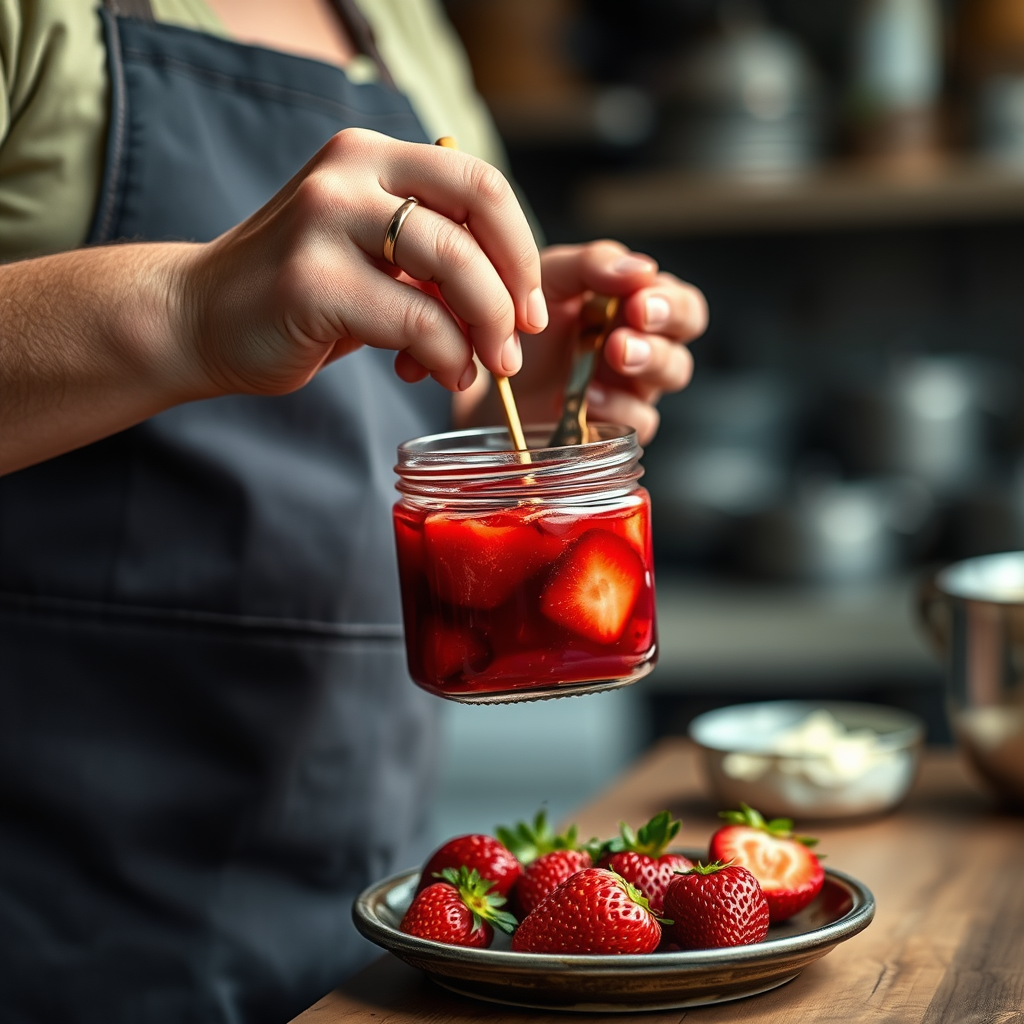
– If you notice that your strawberries are overripe, moldy, or bruised, do not use them. Such strawberries can compromise the flavor and safety of the jam, leading to spoilage.
– Avoid making this recipe if you lack proper canning equipment, such as a water bath canner or sterilized jars. Without the right equipment, the risk of spoilage and foodborne illness increases significantly.
– If you have not adhered to food safety guidelines in your kitchen, such as maintaining thorough cleanliness and proper storage techniques, refrain from attempting this recipe.
The Most Common Mistakes (And Their Consequences)
– Failing to Properly Sterilize Jars: Not sterilizing jars can lead to bacterial growth, resulting in spoilage or foodborne illnesses. Always ensure jars are sterilized before use.
– Using Under-Ripe Strawberries: Using berries that are not fully ripe can yield a jam that is excessively tart and lacks the desired consistency, making it runny and unappealing.
– Overcooking the Jam: Cooking the jam for too long can cause it to caramelize, resulting in a burnt taste and loss of vibrant strawberry flavor, ultimately making the jam unpalatable.
Special Cases That Need a Different Approach
– If using frozen strawberries, ensure they are thawed completely and drain any excess liquid before proceeding with the recipe. This prevents a watery jam consistency.
– For individuals residing at high altitudes, adjustments in cooking times may be necessary due to differences in boiling points. It is advisable to check for doneness frequently, as the cooking process may require additional time.
– If you prefer a less sweet jam, you may adjust the sugar content, but be aware that this can affect preservation. Maintain at least a 1:2 ratio of sugar to fruit for safety and optimal shelf life.
When You Need a Professional
– If you have any underlying health conditions or concerns about food preservation safety, consult a licensed food preservation expert before attempting home canning.
– In the case of unusual fermentation or off odors during the jam-making process, it’s crucial to discard the batch immediately and seek advice from a food safety professional.
– If you are uncertain about the acidity levels of your ingredients, especially when using alternative fruits, consult a food scientist or preservation expert to ensure safe canning practices.
Sources and Further Reading
– National Center for Home Food Preservation: This resource provides comprehensive guidelines on fruit preservation and canning techniques, invaluable for home preservers.
– USDA Complete Guide to Home Canning: An authoritative source for safe canning practices, offering extensive information on troubleshooting and techniques.
– “The Ball Complete Book of Home Preserving”: A practical guide that includes a variety of recipes and safety tips for home canning enthusiasts, making it a must-have reference.
By following these detailed instructions and adhering to safety guidelines, you can successfully make delicious strawberry jam without pectin, ensuring both quality and preservation. Embrace the satisfaction of creating your own preserves, and enjoy the rich flavor of homemade strawberry jam all year round.
Frequently Asked Questions
What ingredients do I need for a strawberry jam recipe without pectin?
To make a simple strawberry jam without pectin, you’ll need fresh strawberries, sugar, and lemon juice. The strawberries provide natural pectin, while the sugar helps preserve and thicken the jam. Lemon juice adds acidity which balances the sweetness and enhances flavor.
How do I make strawberry jam without pectin?
Start by washing and hulling about 2 pounds of fresh strawberries, then mash them in a pot. Add 1 to 1.5 cups of sugar and the juice of one lemon, then cook the mixture over medium heat, stirring frequently. Allow it to simmer until the jam thickens, which usually takes about 20-30 minutes, and then pour it into sterilized jars.
Why doesn’t my strawberry jam thicken without pectin?
Strawberry jam may not thicken without pectin if the fruit’s natural pectin content is low or if the mixture hasn’t been cooked long enough. To enhance thickening, ensure you cook the jam until it reaches a rolling boil and look for a gel-like consistency. Using overripe strawberries can also help, as they contain more natural pectin.
What is the best way to store homemade strawberry jam without pectin?
The best way to store homemade strawberry jam is by pouring it into sterilized glass jars while it’s hot and sealing them with airtight lids. Store the jars in the refrigerator for short-term use or process them in a water bath for long-term storage. Properly canned jam can last for up to a year in a cool, dark place.
Which equipment do I need to make strawberry jam without pectin?
To make strawberry jam without pectin, you’ll need a large pot for cooking the jam, a wooden spoon for stirring, and a potato masher or blender for mashing the strawberries. Additionally, you’ll want sterilized jars for storage and a canning funnel to make pouring easier. A candy thermometer can also be helpful to check for the desired temperature for thickening.
References
- Fruit preserves
https://en.wikipedia.org/wiki/Jam - https://www.ncbi.nlm.nih.gov/pmc/articles/PMC6682747/
https://www.ncbi.nlm.nih.gov/pmc/articles/PMC6682747/ - https://www.foodsafety.gov/food-safety-charts/jam-jelly-safety
https://www.foodsafety.gov/food-safety-charts/jam-jelly-safety - https://www.extension.purdue.edu/extmedia/HHS/HHS-804-W.pdf
https://www.extension.purdue.edu/extmedia/HHS/HHS-804-W.pdf - https://www.bhg.com/recipes/how-to/cooking-basics/how-to-make-jam/
https://www.bhg.com/recipes/how-to/cooking-basics/how-to-make-jam/ - https://www.uga.edu/extension/food-safety/food-preservation/jams-jellies.html
https://www.uga.edu/extension/food-safety/food-preservation/jams-jellies.html - https://www.sciencedirect.com/topics/agricultural-and-biological-sciences/jam
https://www.sciencedirect.com/topics/agricultural-and-biological-sciences/jam - Google Scholar Google Scholar
https://scholar.google.com/scholar?q=strawberry+jam+recipe+no+pectin - Google Scholar Google Scholar
https://scholar.google.com/scholar?q=homemade+jam+without+pectin - Google Scholar Google Scholar
https://scholar.google.com/scholar?q=strawberry+preservation+methods