Master the art of crafting safe and delicious jelly meatballs with this comprehensive expert guide. This recipe not only details the step-by-step process but also emphasizes critical safety protocols to ensure your dish is both enjoyable and secure. Follow these expert insights to elevate your culinary skills and impress your guests with this unique twist on a classic favorite.
What This Guide Covers (And What It Doesn’t)

This guide offers a comprehensive, step-by-step process for creating safe and delicious jelly meatballs. Inside, you’ll find details on ingredients, cooking techniques, and serving suggestions. The focus here is on jelly meatball recipes that incorporate safe food handling practices, ensuring that the final dish is both appealing and safe to consume. However, this guide does not include alternative meatball recipes or variations that exclude jelly, nor does it explore the history or cultural significance of meatballs in general.
Who Should Read This
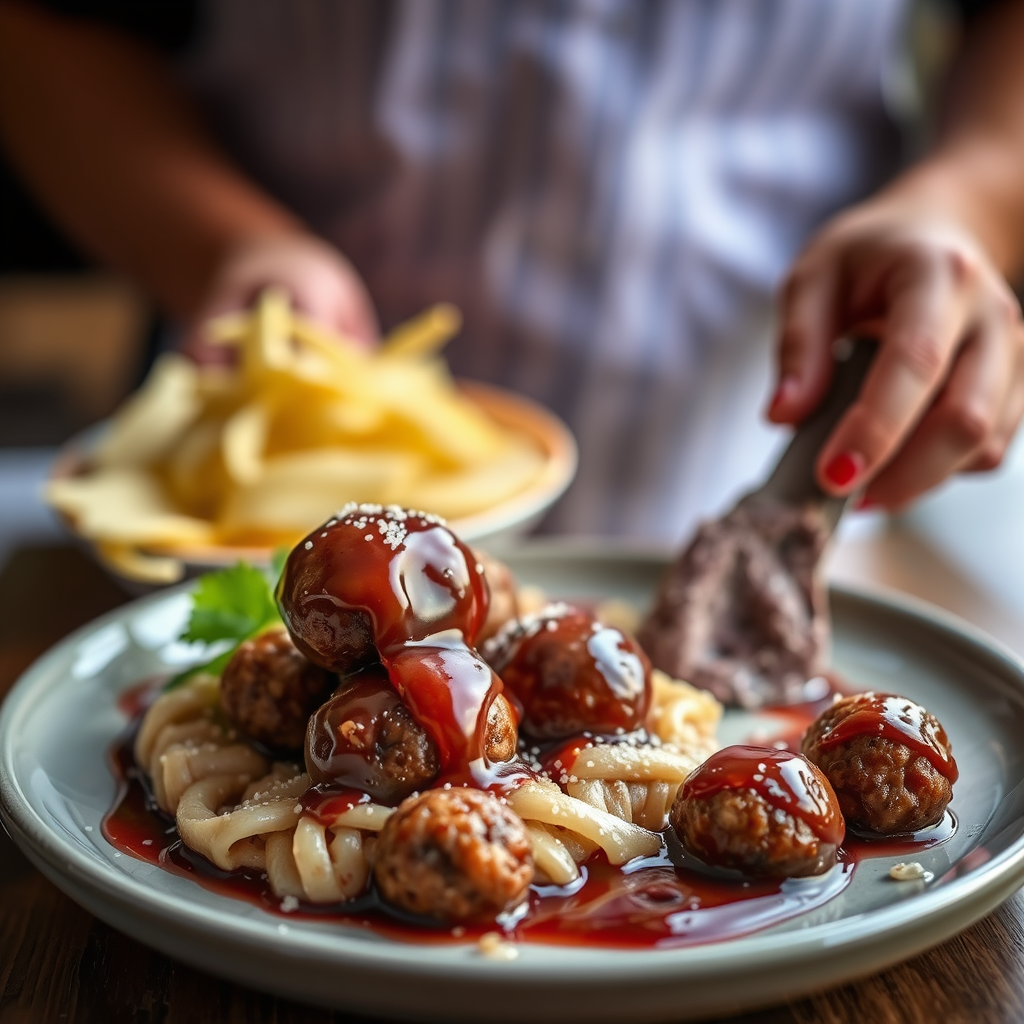
This guide is tailored for home cooks eager to expand their culinary horizons with a unique dish that harmonizes sweet and savory flavors in meatballs. Ideal readers should possess basic cooking skills, such as handling raw meat and operating kitchen equipment like ovens and stovetops. It’s important for those with dietary restrictions or health concerns to proceed with caution, as this recipe involves ingredients like gelatin and sugar that may not suit all diets.
The Step-by-Step Protocol
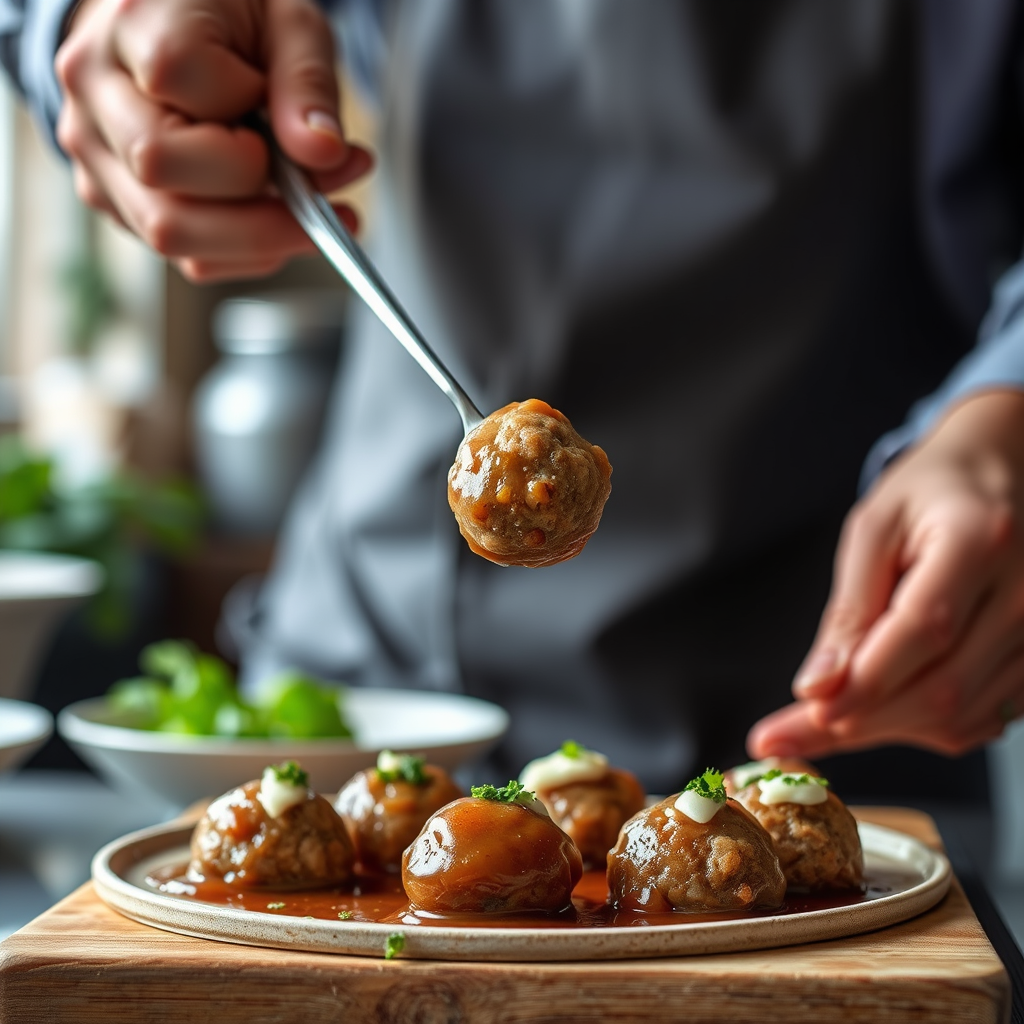
1. Gather the ingredients: You will need 1 pound of ground beef or turkey, 1/2 cup of breadcrumbs, 1/4 cup of chopped onions, 1 egg, 1/2 teaspoon of garlic powder, and 1 cup of jelly (such as grape or apricot).
2. Preheat your oven: Set your oven to 375°F (190°C) to ensure even cooking of the meatballs.
3. Mix the ingredients: In a large mixing bowl, combine the ground meat, breadcrumbs, onions, egg, and garlic powder. Mix thoroughly until all ingredients are evenly incorporated.
4. Shape the meatballs: Form the mixture into meatballs, about 1 inch in diameter. Place them on a greased baking sheet, ensuring they are spaced about 1 inch apart for proper cooking.
5. Add the jelly: Once the meatballs are formed, spoon the jelly over the top of each meatball, ensuring they are well-coated.
6. Bake the meatballs: Place the baking sheet in the preheated oven and bake for 20-25 minutes, or until the meatballs reach an internal temperature of 160°F (71°C).
7. Serve and enjoy: Remove the meatballs from the oven and allow them to rest for 5 minutes before serving. This resting period helps retain moisture.
Nutritional Breakdown of Ingredients
Nutritional Breakdown of Jelly Meatball Ingredients
| # | Ingredient | Calories | Protein (g) | Fat (g) |
|---|---|---|---|---|
| 1 | Ground Beef (1 lb) | 800 | 64 | 56 |
| 2 | Breadcrumbs (1/2 cup) | 120 | 4 | 1.5 |
| 3 | Onions (1/4 cup) | 15 | 0.5 | 0.1 |
| 4 | Egg (1 large) | 70 | 6 | 5 |
| 5 | Garlic Powder (1/2 tsp) | 5 | 0.2 | 0.02 |
| 6 | Jelly (1 cup) | 500 | 0.1 | 0.1 |
| 7 | Total (entire recipe) | 1,610 | 74.8 | 63.7 |
Warning Signs: When Not to Follow This
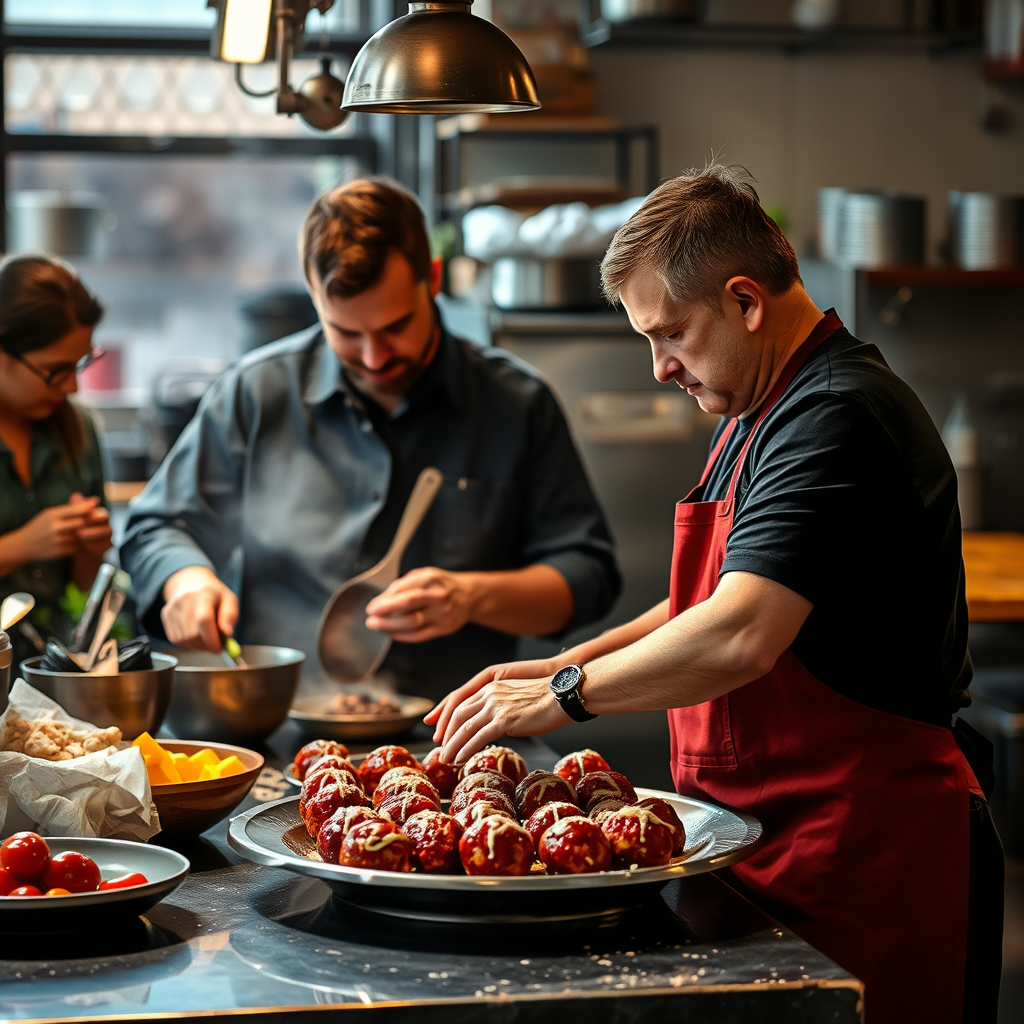
– Avoid making jelly meatballs if you have a known allergy to any of the key ingredients, particularly gelatin or the type of jelly used.
– Do not attempt this recipe if you are unsure about proper food safety practices, such as cooking meat to an internal temperature of 160°F (71°C) to prevent foodborne illness.
– Skip this recipe if you are not comfortable handling raw meat or do not have access to a reliable oven, as inconsistent cooking temperatures can lead to unsafe food.
The Most Common Mistakes (And Their Consequences)
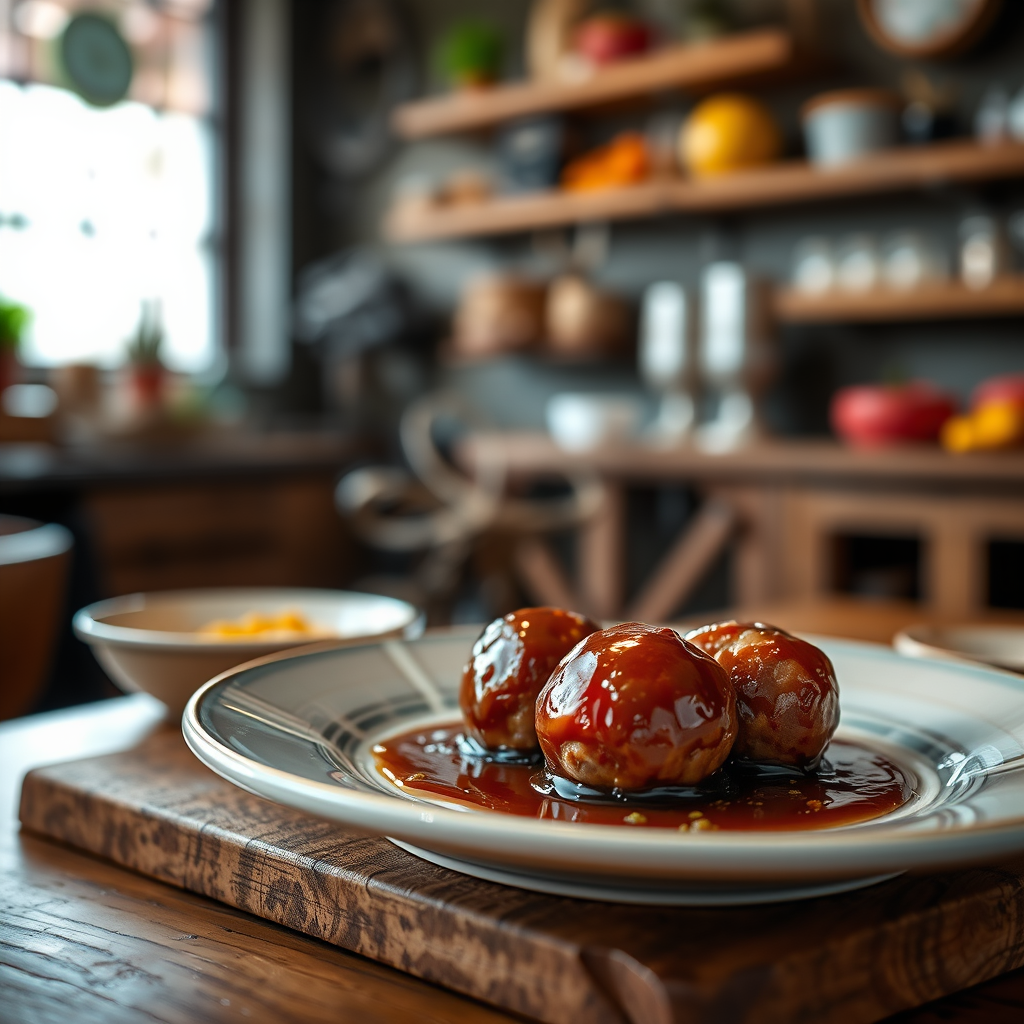
One common error is inaccurately measuring the jelly, which can result in overly sweet or runny meatballs that may not hold their shape during cooking. If the jelly is too runny, the meatballs risk becoming soggy and losing their desired texture.
Additionally, some cooks neglect to preheat the oven, leading to unevenly cooked meatballs that might be undercooked in the center while overcooked on the outside. This not only compromises safety but also affects the flavor.
Failing to allow the meatballs to rest before serving can lead to dryness, detracting from the overall experience. Proper resting allows the juices to redistribute throughout, enhancing the meatballs’ moisture and flavor.
Special Cases That Need a Different Approach
For individuals with dietary restrictions, such as gluten intolerance, consider substituting breadcrumbs with gluten-free alternatives like ground oats or almond flour. This adjustment maintains the integrity of the meatball while accommodating dietary needs.
If preparing jelly meatballs for a large gathering, you may want to scale the recipe by increasing ingredient quantities proportionally. For instance, doubling the recipe would require 2 pounds of meat and 2 cups of jelly.
For a lower-sugar option, opt for sugar-free jelly or a fruit puree that offers a similar consistency without added sugars. This modification caters to health-conscious individuals or those managing their sugar intake.
When You Need a Professional
If you’re uncertain about the safety of the meat being used, including its freshness or quality, consulting a butcher or food safety expert is advisable. They can provide valuable insights on best practices for meat selection and handling.
In cases where you or someone consuming the dish has specific dietary restrictions or health conditions, such as diabetes or food allergies, talking with a registered dietitian can provide tailored advice. They can help modify the recipe to meet dietary needs without sacrificing flavor.
Finally, if symptoms of foodborne illness arise after consumption, seek medical attention immediately and report the incident to your local health department. Symptoms may include nausea, vomiting, diarrhea, or fever, all of which require prompt evaluation.
Sources and Further Reading
– The USDA guidelines on meat preparation and safety (USDA Food Safety and Inspection Service).
– “The Science of Good Cooking” by Cook’s Illustrated, which includes insights on gelatin and its culinary applications.
– Articles and research from the Food and Drug Administration (FDA) regarding food allergies and safe food handling practices.
By following this expert guide, you can confidently prepare delicious jelly meatballs that are both safe to eat and enjoyable for everyone. Happy cooking!
Frequently Asked Questions
What ingredients do I need for a jelly meatball recipe?
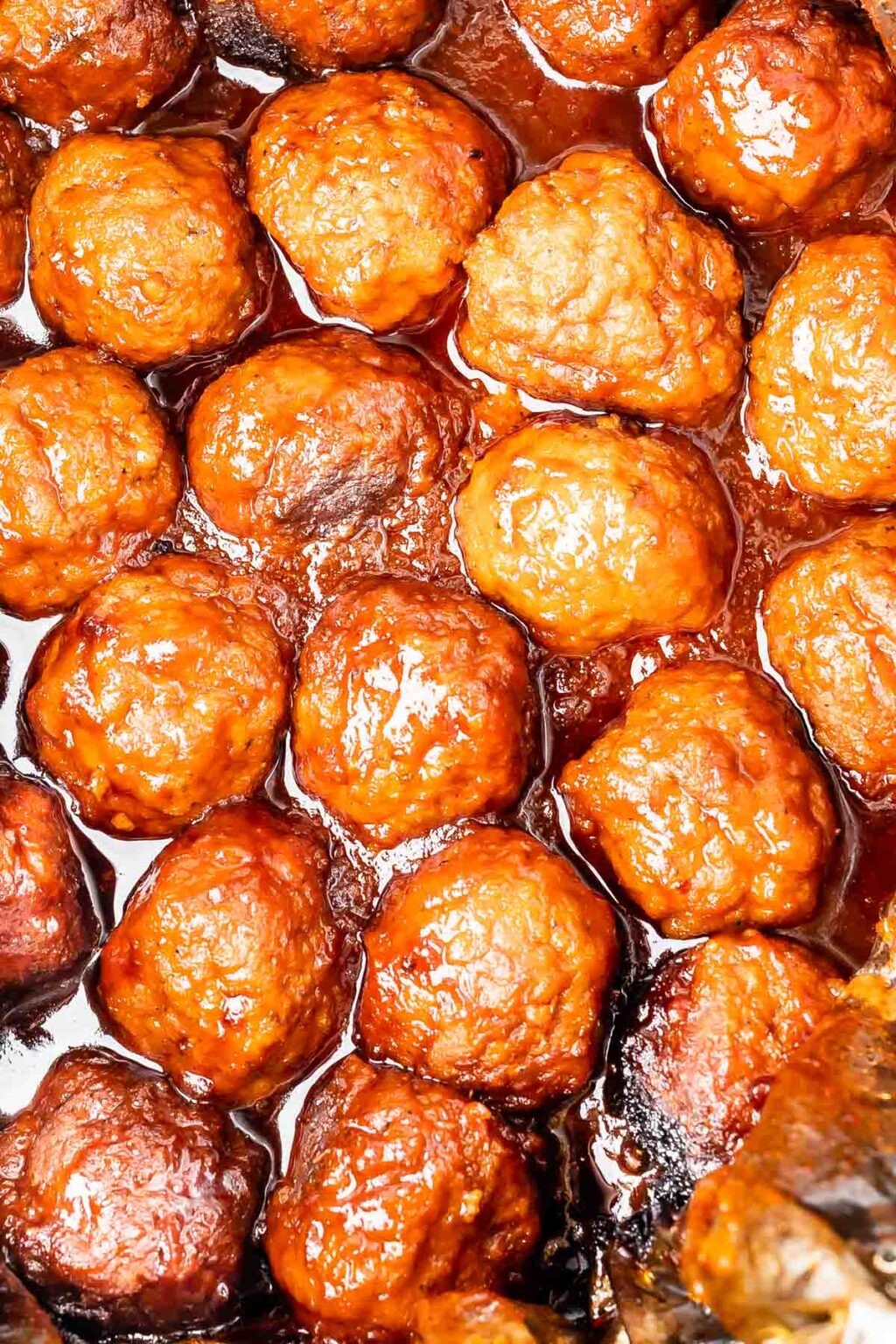
To make jelly meatballs, you will need ground meat (beef, pork, or turkey), breadcrumbs, an egg, and seasonings like salt and pepper. Additionally, for the sauce, you’ll need grape jelly and chili sauce, which combine for a sweet and savory flavor profile that’s perfect for parties or family gatherings.
How do I cook jelly meatballs in the oven?
To cook jelly meatballs in the oven, preheat your oven to 350°F (175°C). Form the meatballs from the mixture of ground meat, breadcrumbs, and seasonings, then place them on a baking sheet. Combine grape jelly and chili sauce in a bowl, pour it over the meatballs, and bake for 25-30 minutes until the meatballs are cooked through and the sauce is bubbling.
Why are jelly meatballs a popular party appetizer?
Jelly meatballs are a popular party appetizer due to their unique sweet and savory flavor, which appeals to a wide variety of taste preferences. They are also easy to prepare in bulk, can be made ahead of time, and served in a slow cooker to keep warm, making them a convenient choice for hosting gatherings or events.
What is the best way to serve jelly meatballs at a party?
The best way to serve jelly meatballs at a party is to keep them warm in a slow cooker or chafing dish with toothpicks for easy serving. Presenting them with a variety of dipping sauces or garnishes, like chopped parsley, can enhance their appeal and make for an attractive buffet spread that guests will enjoy.
Which types of meat work best for jelly meatball recipes?
Ground beef, pork, and turkey are the most commonly used meats for jelly meatball recipes due to their flavor and texture. For a leaner option, ground turkey is ideal, while ground beef provides a richer taste. Mixing different meats can also create a unique flavor profile, allowing you to customize your jelly meatballs to suit your preferences.
References
- Meatball
https://en.wikipedia.org/wiki/Meatball - Checking your browser – reCAPTCHA
https://www.ncbi.nlm.nih.gov/pmc/articles/PMC7402030/ - https://www.sciencedirect.com/topics/food-science/meatball
https://www.sciencedirect.com/topics/food-science/meatball - https://www.bbc.com/food/recipes/meatballs_91929
https://www.bbc.com/food/recipes/meatballs_91929 - https://www.verywellfit.com/how-to-make-healthy-meatballs-4687159
https://www.verywellfit.com/how-to-make-healthy-meatballs-4687159 - https://www.healthline.com/nutrition/healthy-meatball-recipes
https://www.healthline.com/nutrition/healthy-meatball-recipes - https://pubmed.ncbi.nlm.nih.gov/16270219/
https://pubmed.ncbi.nlm.nih.gov/16270219/ - Google Scholar Google Scholar
https://scholar.google.com/scholar?q=jelly+meatball+recipe - Google Scholar Google Scholar
https://scholar.google.com/scholar?q=meatball+recipe - Google Scholar Google Scholar
https://scholar.google.com/scholar?q=meatball+nutrition+facts