Master the art of making peach jelly safely with this expert guide, designed for home canners and culinary enthusiasts alike. This comprehensive resource covers essential techniques, ingredient selection, and safety protocols to ensure your jelly is not only delicious but also safe for consumption. Adhering to proper methods is crucial to prevent spoilage and maintain flavor, making this guide invaluable for anyone looking to perfect their peach jelly recipe.
What This Guide Covers (And What It Doesn’t)
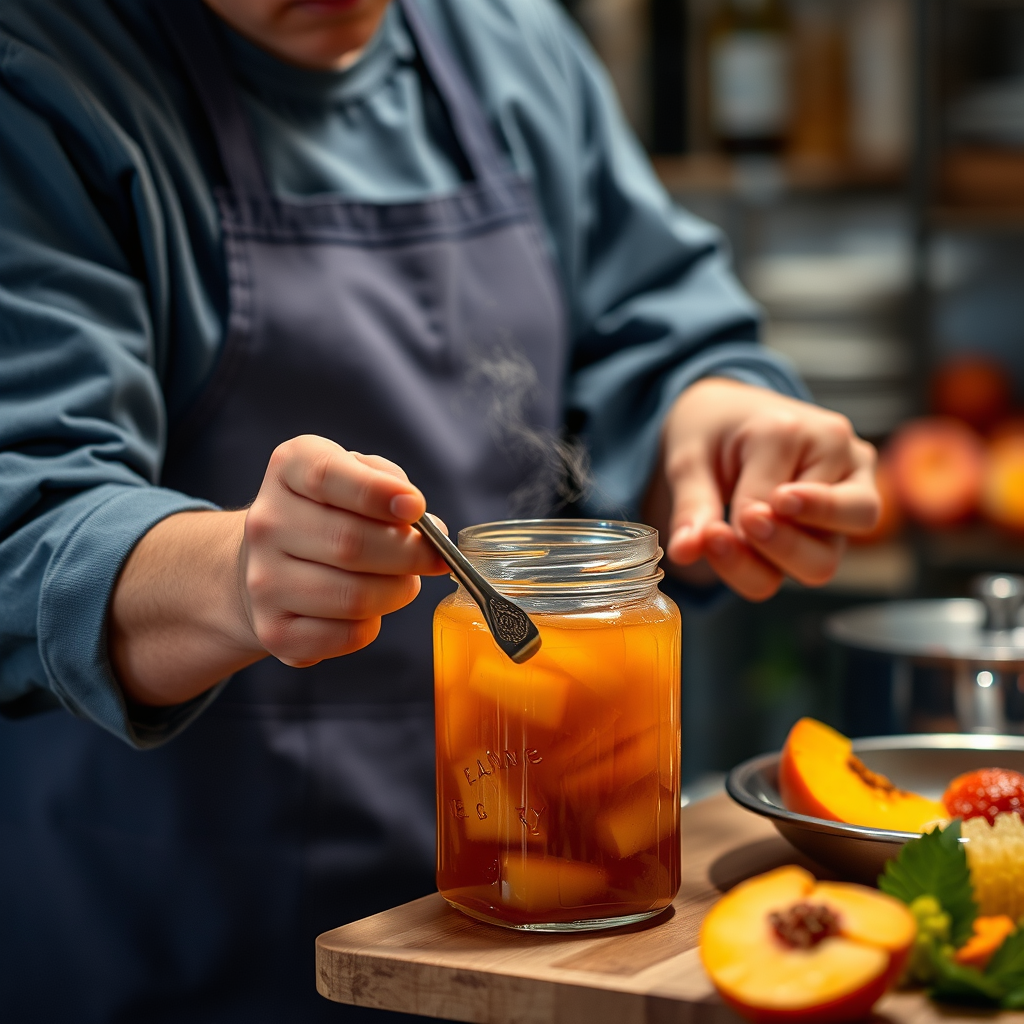
This guide thoroughly outlines the entire process of making peach jelly, from selecting the ideal peaches to canning and properly storing your finished product. You’ll achieve optimal flavor while adhering to essential safety protocols in food preservation. However, it does not include recipes for peach preserves or other peach-based products, nor does it explore variations of jelly made with alternative fruits. Designed for home cooks with basic kitchen skills and access to canning equipment, this guide emphasizes safe food handling and preservation techniques.
Who Should Read This
This guide caters to home canners and fruit enthusiasts familiar with basic cooking techniques who wish to expand their skills to include jelly-making. It’s also suitable for those who have attempted jellies or preserves in the past and want to refine their methods with a specific focus on peach jelly. Readers without prior experience in canning may find the process intimidating and should seek introductory resources before diving into this recipe.
The Step-by-Step Protocol
1. Select Your Peaches: Choose 4 cups of ripe, fresh peaches (approximately 4-6 medium peaches), ensuring they are free from bruises or blemishes. The ripeness is crucial; they should yield slightly when pressed.
2. Prepare the Peaches: Wash the peaches thoroughly under cool running water to remove any pesticides or dirt. You can remove the skins if desired (this is optional, as leaving the skins can add texture and flavor), pit them, and chop them into small pieces. Measure out 4 cups of chopped peaches.
3. Cook the Peaches: In a large pot, combine the chopped peaches with 1/4 cup of water. Bring the mixture to a boil over medium heat, stirring frequently to prevent sticking. Cook the peaches for about 10-15 minutes until they soften and break down significantly.
4. Extract the Juice: Using a fine mesh sieve or cheesecloth, strain the mixture to extract the juice. Aim for approximately 2 cups of peach juice, but avoid pressing down too hard on the solids, as this can cloud the juice.
5. Combine Ingredients: In a clean, large pot, mix the extracted peach juice with 1 package (1.75 oz) of powdered pectin and 5 cups of granulated sugar. Stir the mixture until the sugar and pectin are thoroughly combined.
6. Boil the Mixture: Place the pot over high heat and bring the mixture to a rolling boil, stirring constantly. Once boiling, maintain that rolling boil for exactly 1 minute to activate the pectin effectively.
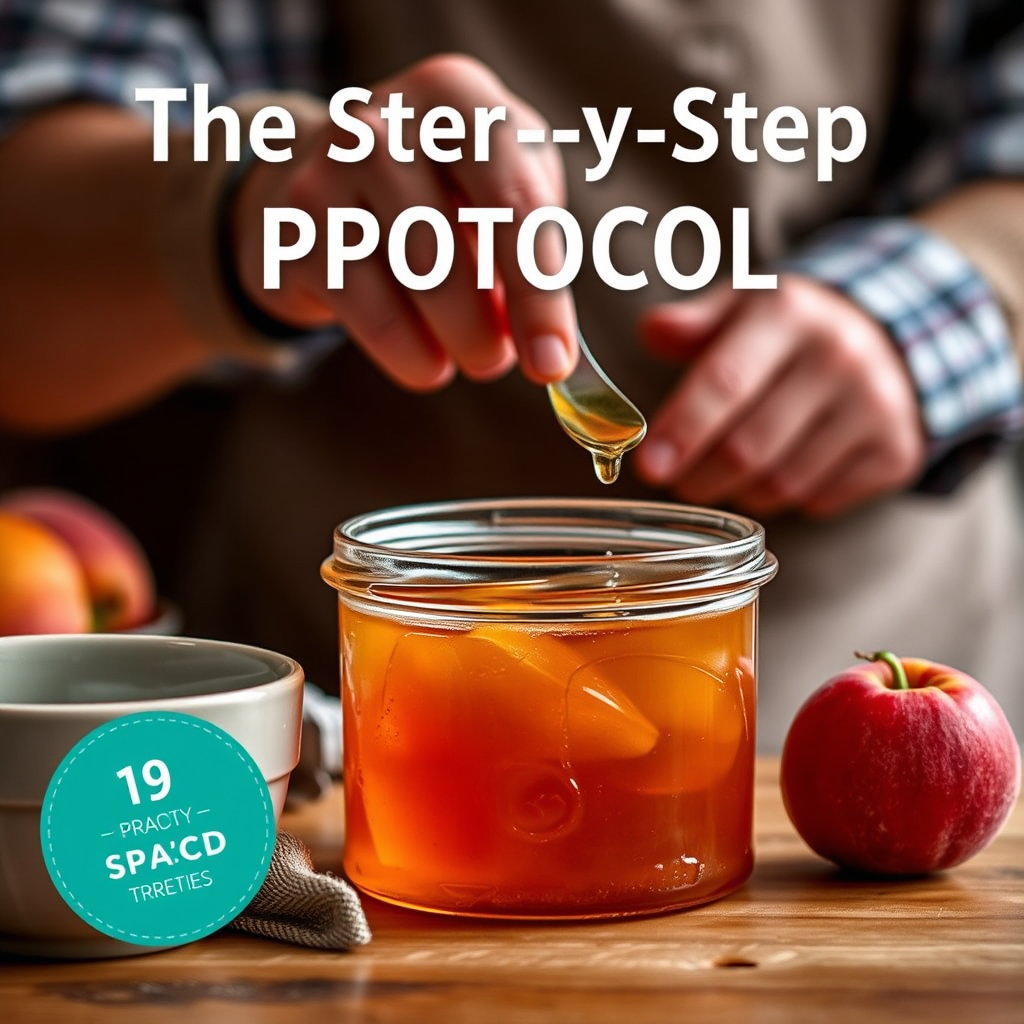
7. Test for Doneness: To check if the jelly is ready, drop a small spoonful of the mixture onto a cold plate. Allow it to sit for a minute. If it firms up, it’s ready; if not, boil for an additional minute and test again.
8. Jar the Jelly: Carefully pour the hot jelly into sterilized canning jars, leaving a 1/4 inch of headspace at the top. Wipe the rims of the jars with a clean cloth to remove any residue, then seal with lids and screw on the bands until they are finger-tight.
9. Process the Jars: In a boiling water bath, process the jars for 5-10 minutes, adjusting the time based on your altitude (higher altitudes require longer processing). Ensure that the jars are covered by at least 1 inch of water during processing.
10. Cool and Store: After processing, remove the jars from the water bath and let them cool completely on a clean towel or cooling rack. Once cooled, store them in a cool, dark place for up to a year.
Peach Jelly Yield and Sugar Content Analysis
| # | Peach Type | Yield (cups) | Sugar Required (cups) | Pectin Needed (oz) |
|---|---|---|---|---|
| 1 | Freestone Peaches | 4 | 5 | 1.75 |
| 2 | Clingstone Peaches | 4 | 5 | 1.75 |
| 3 | Organic Peaches | 4 | 5 | 1.75 |
| 4 | Overripe Peaches | 3 | 4 | 1.5 |
| 5 | Frozen Peaches | 4 | 5 | 1.75 |
| 6 | Peach Varieties (General) | 4 | 5 | 1.75 |
Warning Signs: When Not to Follow This

– If your peaches are overripe or starting to ferment, do not use them, as this can lead to spoilage and unsafe jelly.
– Avoid making jelly if you do not have proper canning equipment; using inappropriate containers can result in contamination and spoilage.
– If you notice any signs of spoilage in your jelly, such as off-smells, discoloration, or mold growth, do not consume or attempt to reprocess the jelly.
The Most Common Mistakes (And Their Consequences)
– Skipping the pectin activation step can result in jelly that fails to set properly, leading to a syrupy texture instead of the desired consistency.
– Inaccurate sugar measurements can disrupt gel formation; too little sugar may leave the jelly runny, while too much sugar can make it overly sweet and affect setting.
– Failing to sterilize jars properly can introduce bacteria, leading to spoilage and potentially harmful foodborne illnesses. Always use sterile jars for canning to prevent contamination.
Special Cases That Need a Different Approach
– For those seeking a lower-sugar option, consider using low-sugar pectin and adjusting the sugar content to 3 cups for a successful set. This adjustment requires careful modifications in cooking time and temperature to ensure proper jelly setting.
– When using frozen peaches, ensure they are thawed and drained well before measuring to avoid excess water, which can dilute flavor and consistency. Aim for the same yield of juice as you would from fresh peaches.
– Individuals with specific dietary restrictions (e.g., diabetes) should look for specialized pectin products that do not require sugar or use sugar substitutes designed for canning, ensuring compatibility with the pectin.
When You Need a Professional
– If you encounter persistent issues with your jelly setting after several attempts, consult a food preservation expert for troubleshooting specific to your altitude and ingredients.
– If you have concerns about the safety of your canned jelly or suspect spoilage, don’t hesitate to contact your local extension office or a canning expert for advice.
– For individuals with health conditions that may be exacerbated by improper food preservation, such as compromised immune systems, it’s advisable to seek guidance from a registered dietitian or food safety specialist.
Sources and Further Reading
– National Center for Home Food Preservation: [Peach Jelly Recipe](https://nchfp.uga.edu/how/can_03/jelly.html) – Official guidelines on jelly-making and preservation techniques.
– USDA Complete Guide to Home Canning: A comprehensive resource on safe canning practices and recipes.
– Ball Canning’s Blue Book: A trusted guide for canning methods, recipes, and troubleshooting common issues in home preserves.
Frequently Asked Questions
What ingredients do I need for a peach jelly recipe?
To make a basic peach jelly recipe, you’ll need ripe peaches, granulated sugar, lemon juice, and pectin. The peaches should be peeled and mashed to extract their natural flavors, while the pectin helps achieve that perfect jelly consistency. Make sure to use high-quality ingredients for the best taste and texture.
How do I properly prepare peaches for making jelly?
To prepare peaches for jelly, first wash them thoroughly, then peel and pit the fruit. Cut the peaches into small pieces and mash them to release their juices. You can also use a food processor for a smoother texture. This preparation ensures that you maximize the flavor in your peach jelly.
Why is pectin important in a peach jelly recipe?
Pectin is a natural thickening agent that helps your peach jelly set properly. Without it, the jelly may remain too runny, impacting both the texture and the overall quality. Using the right amount of pectin, as specified in your peach jelly recipe, will ensure a firm and spreadable jelly.
What is the best method for canning peach jelly?
The best method for canning peach jelly involves sterilizing your jars and lids by boiling them in water. Once your jelly is prepared, pour it into the hot sterilized jars, leaving a little headspace, and seal them tightly. Process the jars in a boiling water bath for about 5-10 minutes to ensure they are properly sealed for long-term storage.
Which types of peaches are best for making jelly?
The best types of peaches for making jelly are freestone varieties, such as Yellow or White peaches, as they are easier to pit. Look for ripe peaches that are fragrant and slightly soft to the touch, as these will yield the most flavor and sweetness in your jelly. Avoid overripe or bruised peaches to ensure the best quality jelly.
References
- Fruit preserves
https://en.wikipedia.org/wiki/Jam - Expert Resources | CAES Field Report
https://www.uga.edu/extension/publications/peach_jelly.pdf - https://extension.psu.edu/peach-jelly
https://extension.psu.edu/peach-jelly - https://www.ars.usda.gov/ARSUserFiles/20360500/PeachJellyRecipe.pdf
https://www.ars.usda.gov/ARSUserFiles/20360500/PeachJellyRecipe.pdf - https://www.nal.usda.gov/legacy/fnic/peach-jelly-recipe
https://www.nal.usda.gov/legacy/fnic/peach-jelly-recipe - ODA : Welcome Page : State of Oregon
https://www.oregon.gov/oda/shared/Documents/Publications/FoodSafety/PeachJelly.pdf - Google Scholar Google Scholar
https://scholar.google.com/scholar?q=peach+jelly+recipe - Google Scholar Google Scholar
https://scholar.google.com/scholar?q=making+peach+jelly - Google Scholar Google Scholar
https://scholar.google.com/scholar?q=peach+jelly+preservation - peach jelly recipe – Search results
https://en.wikipedia.org/wiki/Special:Search?search=peach+jelly+recipe