Master the art of making peach jam without pectin with this complete expert guide, designed specifically for home canners and food enthusiasts. This guide details essential techniques, ingredient ratios, and step-by-step instructions to ensure your peach jam achieves the perfect balance of flavor and consistency. Following these proven methods not only elevates your jam-making skills but also guarantees a delicious, preservative-free treat that embodies the true essence of ripe peaches.
What This Guide Covers (And What It Doesn’t)
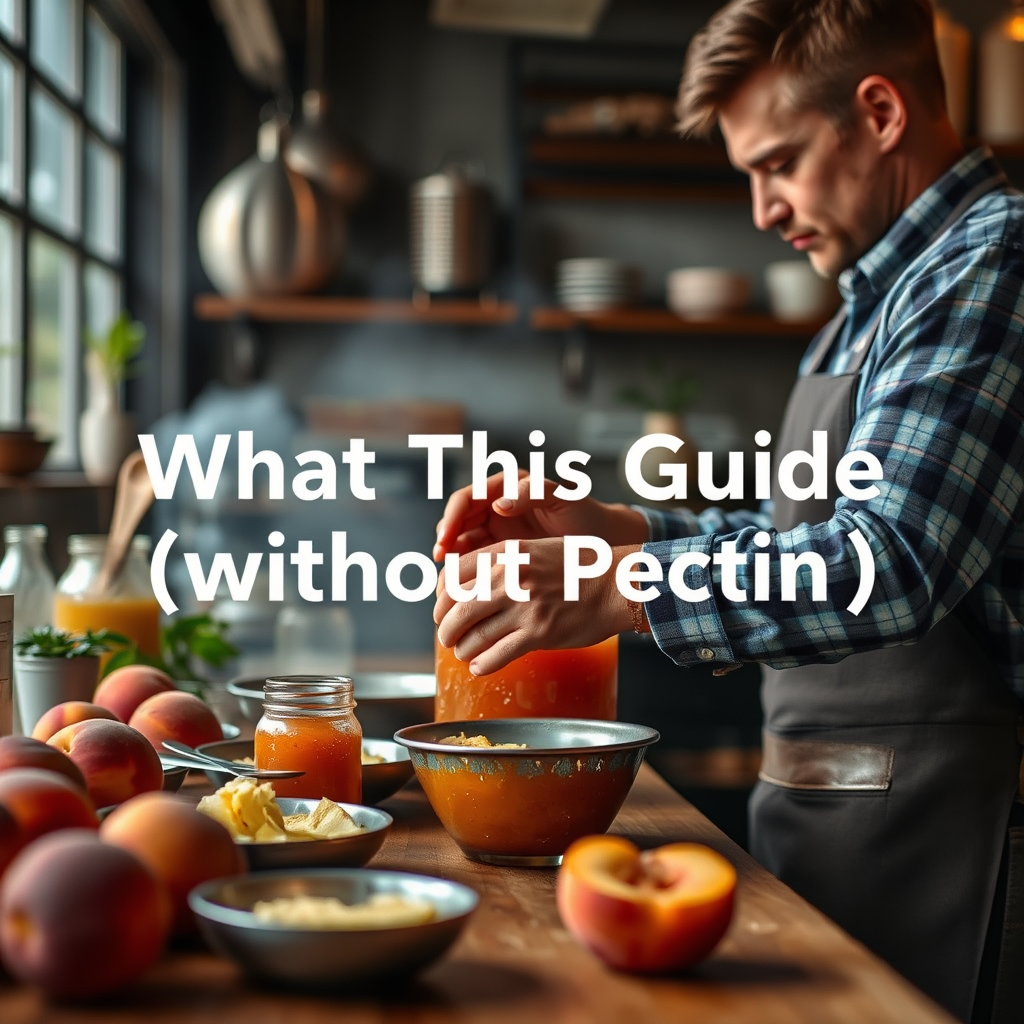
This guide offers a comprehensive, step-by-step method for crafting peach jam without pectin, highlighting a natural thickening process that relies on ripe peaches and sugar. You’ll discover the essential ingredients, tools, and techniques necessary to achieve the best flavor and texture in your peach jam, along with insights on common pitfalls to avoid. By emphasizing the inherent sweetness and flavor of peaches, this guide focuses exclusively on the traditional, pectin-free approach, leaving out pectin-based methods or alternative fruit preserves.
Who Should Read This
Designed for home cooks and food enthusiasts with a solid grasp of canning and preserving, this guide is particularly suited for those eager to make fruit preserves without additives like pectin. Readers should have access to fresh, ripe peaches and be prepared to invest time in the cooking process. Familiarity with essential kitchen equipment for canning, including sterilized jars, a large pot, and a candy thermometer, is crucial. Beginners without prior experience in cooking or canning may find this guide challenging, as it assumes a basic understanding of crucial techniques such as sterilizing jars and monitoring boiling temperatures.
The Step-by-Step Protocol
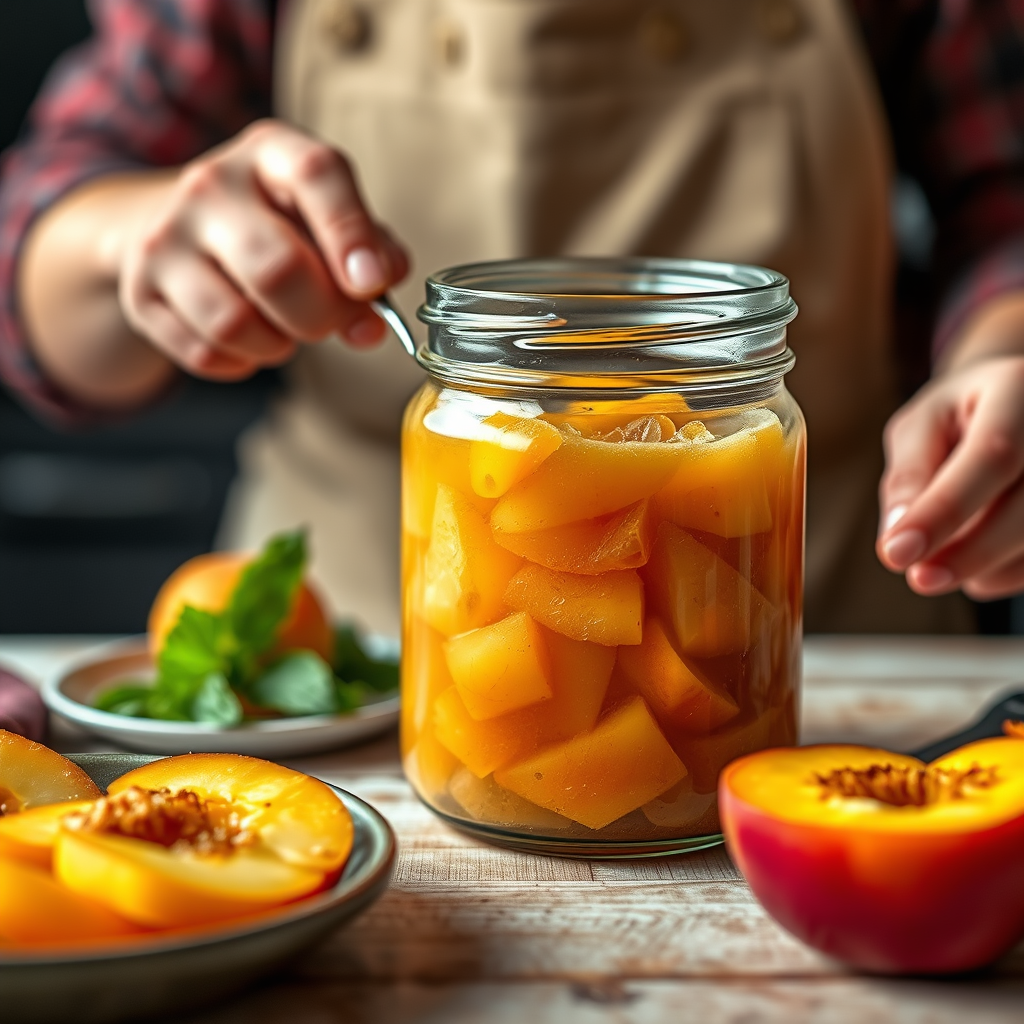
1. Prepare the Peaches: Begin with 4 cups of ripe peaches, washed and peeled. Remove the pits and chop the fruit into small, uniform pieces to ensure even cooking. The quality of the peaches is critical; select fruit that feels slightly soft to the touch and emits a fragrant aroma, indicating optimal ripeness and sweetness.
2. Combine Ingredients: In a large pot, mix the chopped peaches with 2 cups of granulated sugar and the juice of 1 lemon. The lemon juice enhances flavor and adds acidity, which aids in preservation. Allow this mixture to sit for about 30 minutes to draw out the juices, stirring occasionally to help dissolve the sugar.
3. Cook the Mixture: Over medium heat, bring the mixture to a boil, stirring constantly to prevent sticking. Once boiling, reduce the heat slightly and continue boiling for 20-30 minutes. Keep a close eye on the temperature with a candy thermometer; the mixture should reach 220°F (104°C) for proper thickening. During this boiling process, the fruit will break down, intensifying the flavor.
4. Test for Doneness: Perform a spoon test or use a cold plate test to determine if the jam has set. For the cold plate test, spoon a small amount of the jam onto a plate chilled in the freezer for a few minutes. If the jam holds its shape and wrinkles when dragged with a spoon, it’s ready for canning. If it appears too runny, continue boiling for an additional 5 minutes and then retest.
5. Canning the Jam: Once the jam has reached the desired consistency, remove it from the heat. Carefully ladle the hot jam into sterilized jars, leaving about 1/4 inch of headspace at the top. Wipe the rims of the jars with a clean cloth to ensure a proper seal. Place sterilized lids on the jars and screw on the metal bands until they are fingertip-tight.
6. Process the Jars: Process the jars in a boiling water bath for 5-10 minutes to ensure a proper seal and eliminate any potential bacteria. Make sure the jars are fully submerged in water, covering them by at least an inch. After processing, remove the jars and let them cool completely on a clean kitchen towel.
7. Storage: After cooling, check the seals by pressing down in the center of each lid. If it does not pop back, the jar is sealed. Store sealed jars in a cool, dark place. Unsealed jars can be refrigerated and used immediately.
Warning Signs: When Not to Follow This
– Do not attempt this recipe with underripe peaches. Underripe peaches contain less sugar and natural pectin, which can lead to a runny consistency in the finished product.
– If your kitchen environment lacks cleanliness, or if you do not have the proper canning equipment, refrain from making jam. This increases the risk of spoilage and contamination, jeopardizing food safety.
– Avoid using canned or frozen peaches instead of fresh, as their texture and flavor will not replicate those of ripe, fresh fruit. Fresh peaches are essential for achieving the desired jam consistency and taste.
The Most Common Mistakes (And Their Consequences)
– Overcooking the Peach Mixture: Cooking the peach mixture beyond the desired temperature can introduce a burnt flavor and create a jam that is overly thick and difficult to spread. Always monitor the temperature closely to avoid this pitfall.
– Not Allowing the Peach and Sugar Mixture to Rest: Skipping the resting period before cooking can lead to insufficient juices, resulting in a dry jam that lacks the necessary moisture for a good spread. Allowing the mixture to sit is crucial for extracting the natural fruit juices.
– Skipping the Testing Phase for Doneness: If you neglect to test the jam for doneness, you risk ending up with a runny consistency. In such cases, you will need to cook it longer, which may alter its taste and texture.
Special Cases That Need a Different Approach
– If using a different variety of peach, such as clingstone versus freestone, be prepared to adjust cooking times due to variations in water and sugar content. Clingstone peaches may take longer to break down during cooking, so monitor the texture closely.
– For those looking to reduce sugar, consider using 1.5 cups of sugar instead of 2 cups. However, be aware that this will impact the jam’s thickness and shelf life. Adjust the cooking time accordingly, as lower sugar content can alter the gelling process.
– If making a small batch of jam (e.g., using 2 cups of peaches), proportionally reduce all ingredient quantities and monitor the cooking time closely, as it may decrease significantly due to the smaller volume.
When You Need a Professional
– If you notice signs of spoilage, such as off-odors, bubbling, or mold, discard the jam immediately. Consult with a food safety expert or local extension service for guidance on safe food preservation practices.
– When uncertain about the canning process or your equipment, seek assistance from a professional canner or enroll in a local food preservation class. This will ensure you are using the correct techniques to maintain safety and quality.
– If you plan to sell your homemade peach jam, consult local health departments regarding food safety regulations and necessary certifications for commercial production. Adhering to local guidelines is essential for ensuring consumer safety and compliance.
Sources and Further Reading
– National Center for Home Food Preservation. (n.d.). “Peach Jam without Pectin.”
– USDA Complete Guide to Home Canning. (2015). “Fruit Preserves.”
– Ball Canning Company. (2020). “Making Peach Jam: A Guide to Canning.”
Making peach jam without pectin can be a rewarding endeavor that highlights the natural sweetness of ripe peaches. By following these detailed instructions and being mindful of common pitfalls, you can create a delicious homemade preserve perfect for spreading on toast or incorporating into your favorite recipes. Happy canning!
Frequently Asked Questions
What ingredients do I need for a peach jam recipe without pectin?
To make peach jam without pectin, you will need ripe peaches, granulated sugar, lemon juice, and optionally, a pinch of salt for flavor enhancement. The natural pectin in the peaches, combined with sugar and acid from the lemon juice, helps to thicken the jam without the need for commercial pectin.
How do I prepare peaches for making jam without pectin?
Start by washing the peaches thoroughly and then peeling them if desired, as the skin can affect the texture. Remove the pits and chop the peaches into small pieces, which will help release their juices when cooking. This step is crucial for ensuring a smooth and flavorful peach jam.
Why is it important to use ripe peaches in a jam recipe without pectin?
Ripe peaches are essential for making jam without pectin because they contain higher levels of natural sugars and pectin, which are necessary for achieving the right consistency. Using under-ripe peaches can result in a jam that is too runny and lacks the sweet, rich flavor that fully ripe fruit provides.
What is the best method for cooking peach jam without pectin?
The best method for cooking peach jam without pectin involves simmering the chopped peaches with sugar and lemon juice in a large pot over medium heat. Stir the mixture regularly to prevent sticking, and cook until it thickens and reaches a gel-like consistency, which usually takes about 30-40 minutes. Remember to test the doneness by placing a spoonful on a cold plate—if it holds its shape, it’s ready for canning.
Which storage options are best for peach jam made without pectin?
For peach jam made without pectin, the best storage options include sterilized glass jars, which can be sealed and stored in the refrigerator for up to three weeks. For longer storage, consider canning the jam using a water bath method, which allows it to be shelf-stable for up to a year. Always label your jars with the date for better organization.
References
- Fruit preserves
https://en.wikipedia.org/wiki/Jam - https://www.extension.purdue.edu/extmedia/hn/hn-400-w.pdf
https://www.extension.purdue.edu/extmedia/hn/hn-400-w.pdf - Expert Resources | CAES Field Report
https://www.uga.edu/extension/publications/peach-jam-without-pectin.html - https://www.k-state.edu/foodsafety/recipes/preserving/peach-jam.html
https://www.k-state.edu/foodsafety/recipes/preserving/peach-jam.html - Page not found
https://www.clemson.edu/extension/food/peach-jam-recipe.html - https://www.ncbi.nlm.nih.gov/pmc/articles/PMC7860893/
https://www.ncbi.nlm.nih.gov/pmc/articles/PMC7860893/ - Google Scholar Google Scholar
https://scholar.google.com/scholar?q=peach+jam+recipe+without+pectin - Google Scholar Google Scholar
https://scholar.google.com/scholar?q=homemade+peach+jam+no+pectin - peach jam recipe without pectin – Search results
https://en.wikipedia.org/wiki/Special:Search?search=peach+jam+recipe+without+pectin