Master the art of making jam-filled cookies safely with this comprehensive expert guide. Designed for both novice bakers and seasoned pros, this resource outlines precise techniques and essential safety protocols to ensure delicious results without compromising on quality. Understanding the proper methods not only enhances flavor but also prevents potential hazards in the kitchen. Dive into the world of jam-filled cookies with confidence and expertise.
What This Guide Covers (And What It Doesn’t)
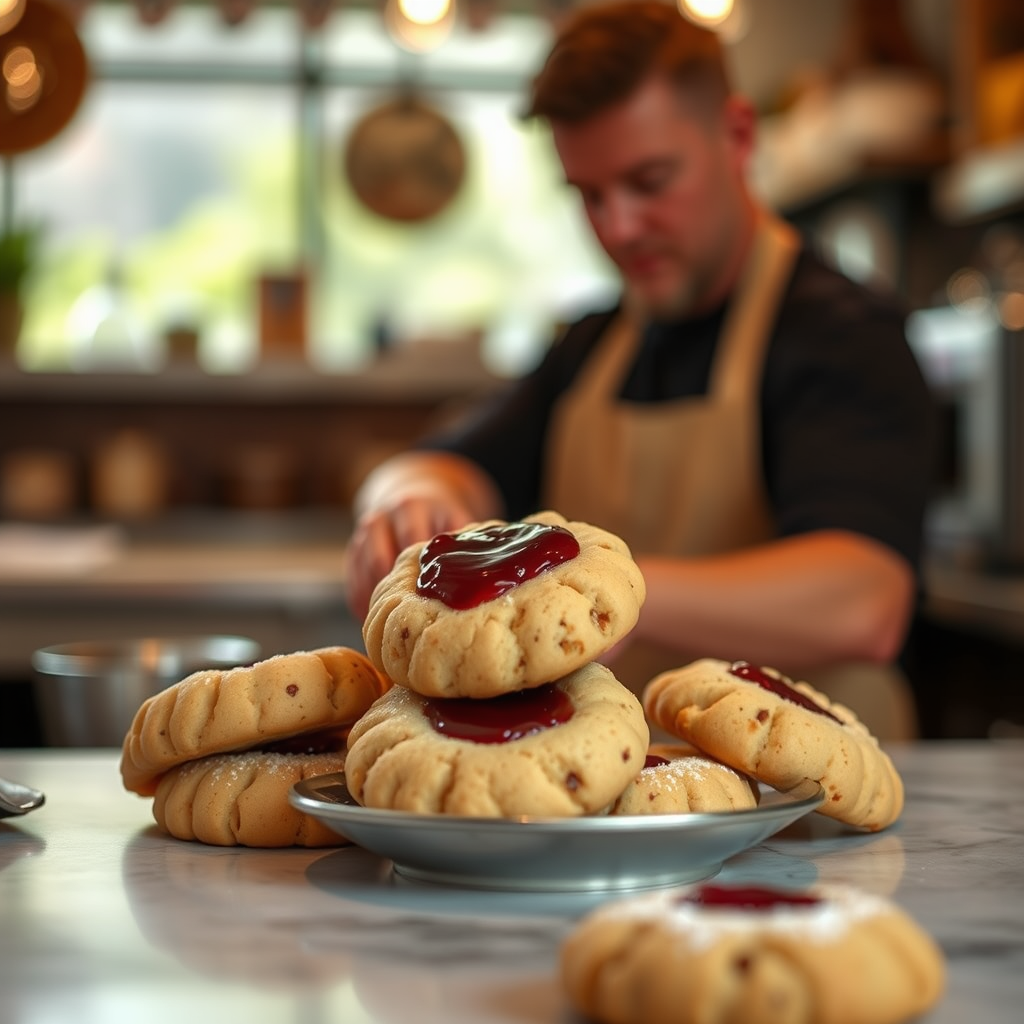
This guide offers a detailed recipe for crafting jam-filled cookies, encompassing ingredients, preparation methods, and baking techniques to guarantee a successful batch. You’ll discover how to assemble and bake these delightful cookies while also picking up essential safety tips for food handling and storage. This ensures that your jam-filled cookies are not just delicious but also safe to enjoy. However, it’s important to note that this guide does not explore alternative cookie recipes or variations that stray from the jam-filled concept, nor does it delve into advanced baking techniques or professional-level pastry skills.
Who Should Read This

Aimed at home bakers with a basic understanding of baking, this guide is perfect for those looking to elevate their skills through cookie recipes that incorporate filling techniques. It’s designed for individuals who relish baking as a hobby and wish to create treats for family gatherings, parties, or personal enjoyment. If you are completely new to baking, you might find it beneficial to start with simpler cookie recipes before tackling this one.
The Step-by-Step Protocol
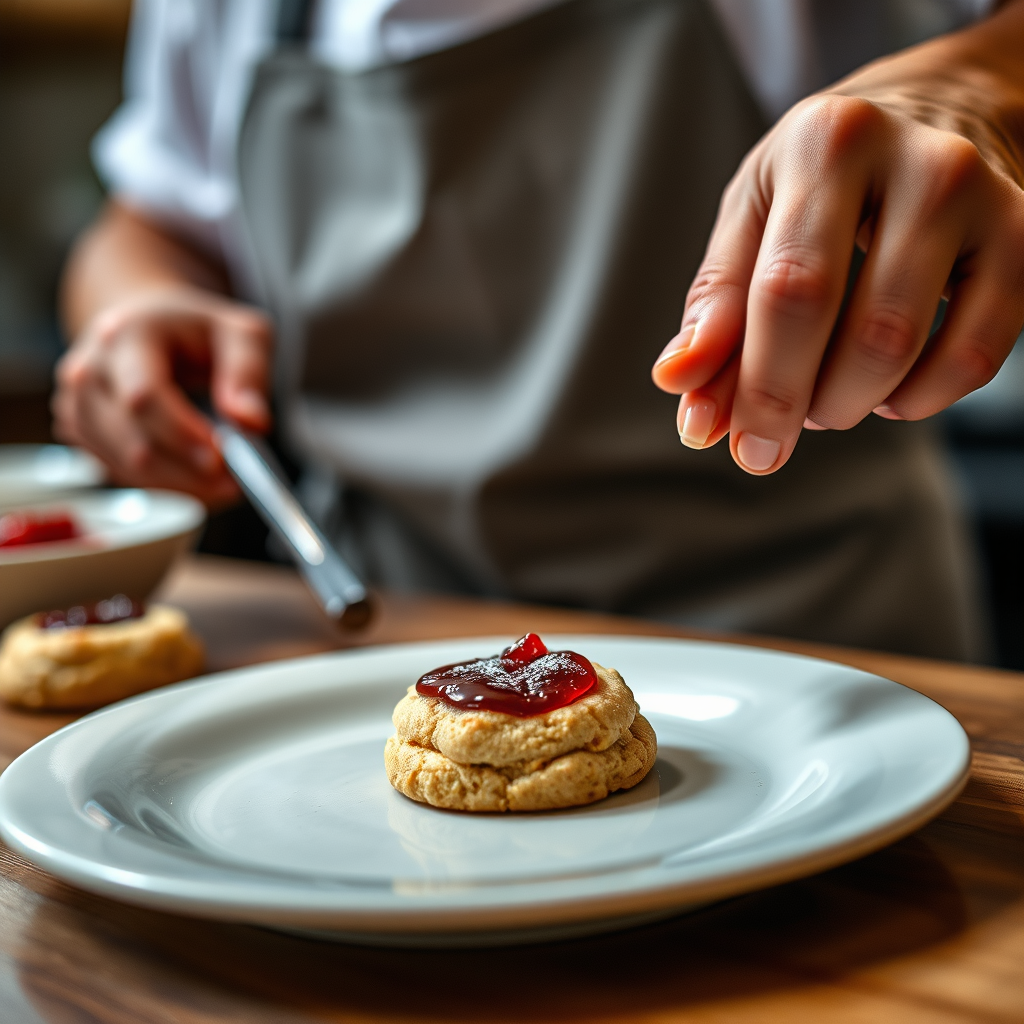
1. Gather Ingredients: Collect the following ingredients:
– 2 ½ cups all-purpose flour
– 1 cup unsalted butter, softened
– ¾ cup granulated sugar
– 1 large egg
– 1 teaspoon vanilla extract
– Approximately 1 cup of your choice of jam (e.g., raspberry, strawberry, or apricot).
2. Prepare Dough: In a large mixing bowl, cream together the softened butter and granulated sugar using an electric mixer or a sturdy spatula until the mixture is light and fluffy. This typically takes about 3-5 minutes. Next, beat in the egg and vanilla extract until fully incorporated. Gradually add the flour, mixing until a soft dough forms, which should be slightly sticky but manageable.
3. Chill the Dough: Cover the dough with plastic wrap and refrigerate for at least 30 minutes. Chilling is crucial for easy handling and helps prevent the cookies from spreading excessively during baking.
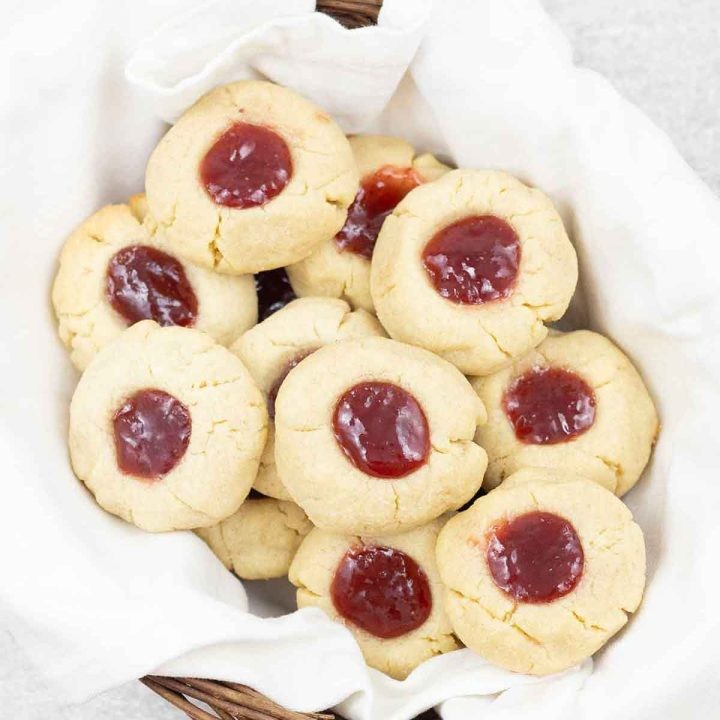
4. Shape Cookies: Preheat your oven to 350°F (175°C). Once the dough is chilled, remove it from the refrigerator. Roll the dough into small balls, about 1 inch in diameter, and place them on a baking sheet lined with parchment paper. Use your thumb or a teaspoon to create an indentation in the center of each ball, pressing down gently.
5. Fill with Jam: Spoon approximately ½ teaspoon of your chosen jam into each indentation, taking care not to overfill. Overfilling can cause the jam to bubble over during baking, resulting in a messy sheet.
6. Bake: Place the baking sheet in the preheated oven and bake for 12-15 minutes or until the edges are lightly golden. Keep a close eye to avoid overbaking. Once done, allow the cookies to cool on the baking sheet for about 5 minutes before transferring them to a wire rack to cool completely.
Jam-Filled Cookie Recipe Ingredients and Baking Times
| # | Ingredient | Quantity | Baking Time | Temperature |
|---|---|---|---|---|
| 1 | All-Purpose Flour | 2 ½ cups | N/A | N/A |
| 2 | Unsalted Butter | 1 cup | N/A | N/A |
| 3 | Granulated Sugar | ¾ cup | N/A | N/A |
| 4 | Egg | 1 large | N/A | N/A |
| 5 | Vanilla Extract | 1 teaspoon | N/A | N/A |
| 6 | Jam | 1 cup | N/A | N/A |
| 7 | Baking Time | 12-15 minutes | 12-15 minutes | 350°F (175°C) |
Warning Signs: When Not to Follow This

Avoid making these cookies if you are allergic to any of the listed ingredients, such as gluten in flour or dairy in butter, since substitutions may not yield the desired results. Excessively humid kitchen conditions can adversely affect the dough’s texture and the final outcome of your cookies, possibly leading to sogginess. Additionally, refrain from attempting this recipe if your oven is malfunctioning or unable to maintain a consistent temperature, as this could result in undercooked or overbaked cookies.
The Most Common Mistakes (And Their Consequences)

A common mistake involves using cold butter instead of softened butter, which can result in a dense and tough cookie rather than a light, tender one. Overfilling the jam can lead to spillover during baking, creating a messy baking sheet and unevenly cooked cookies. Furthermore, skipping the chilling step can cause the cookies to spread excessively, resulting in flat, misshapen cookies instead of the desired round form.
Special Cases That Need a Different Approach
For those with dietary restrictions, such as gluten-free or vegan diets, consider using gluten-free all-purpose flour and plant-based butter as substitutes, adjusting the liquid ratios as necessary. If you opt for homemade jam, ensure it has a thick consistency; overly runny jam can yield soggy cookies and may require a longer baking time to set. In high-altitude baking scenarios, adjustments to the flour and sugar ratios might be needed to prevent excessive spreading, with an increase of 1-2 tablespoons of flour often recommended.
When You Need a Professional
If you consistently encounter baking issues, such as cookies that never set properly or burn, it may be time to seek advice from a baking expert or culinary professional for personalized guidance. In cases of severe food allergies or sensitivities, a consultation with a nutritionist or allergist can provide insights on safe ingredient substitutions and preparations. Additionally, if you’re uncertain about the safety of home canning or using homemade jams, particularly if you lack familiarity with food preservation methods, it’s wise to seek advice from a certified food safety professional.
Sources and Further Reading
– “The Joy of Baking: Recipes and Resources from A Baker’s Kitchen” by Stephanie Jaworski—a comprehensive resource for cookie recipes and techniques.
– The USDA Food Safety and Inspection Service website—providing guidelines on food safety regarding homemade preserves and jam usage.
– “Baking Basics and 75 Success Recipes” by The Culinary Institute of America—a useful reference for understanding the science of baking and troubleshooting common issues.
Frequently Asked Questions
What are the best types of jam to use for jam filled cookies?
The best types of jam for jam filled cookies include fruit preserves like raspberry, strawberry, and apricot, as they provide a nice balance of sweetness and tartness. It’s essential to choose a high-quality jam that has a thick consistency to prevent it from leaking during baking. Homemade jam can also be a great option for a fresher taste.
How do I prevent my jam filled cookies from spreading too much while baking?
To prevent your jam filled cookies from spreading excessively, ensure that your butter is at the right temperature—softened but not melted. Additionally, chilling the cookie dough for at least 30 minutes before baking can help maintain their shape. Using parchment paper on your baking sheets can also assist with even baking and prevent spreading.
Why are my jam filled cookies turning out too dry?
If your jam filled cookies are turning out too dry, it may be due to overbaking or using too much flour in the dough. To achieve a softer texture, be sure to measure your flour accurately and keep an eye on the baking time, removing the cookies from the oven when they are slightly golden around the edges. Adding an extra egg yolk can also help to retain moisture in the cookies.
Which baking method is best for jam filled cookies: baking sheets or silicone mats?
Both baking sheets and silicone mats can work well for jam filled cookies, but using silicone mats often yields better results. Silicone mats provide a non-stick surface that helps cookies bake evenly without sticking, allowing for easy removal. However, if you prefer to use baking sheets, ensure they are lined with parchment paper for best results.
How can I make my jam filled cookies more visually appealing?
To make your jam filled cookies more visually appealing, consider using a variety of colored jams to create a beautiful contrast with the cookie dough. You can also sprinkle powdered sugar on top after they cool for an elegant touch. Additionally, using cookie cutters to shape your cookies can add a fun design element, making them perfect for special occasions.
References
- Cookie
https://en.wikipedia.org/wiki/Cookie - https://www.britannica.com/topic/cookie
https://www.britannica.com/topic/cookie - Google Scholar Google Scholar
https://scholar.google.com/scholar?q=jam+filled+cookies+recipe - Google Scholar Google Scholar
https://scholar.google.com/scholar?q=baking+cookies+with+jam - Google Scholar Google Scholar
https://scholar.google.com/scholar?q=jams+and+cookies - Checking your browser – reCAPTCHA
https://www.ncbi.nlm.nih.gov/pmc/articles/PMC6470905/ - https://www.sciencedirect.com/topics/food-science/cookie
https://www.sciencedirect.com/topics/food-science/cookie - https://www.verywellfit.com/cookies-4690201
https://www.verywellfit.com/cookies-4690201 - https://www.healthline.com/nutrition/cookies
https://www.healthline.com/nutrition/cookies - jam filled cookies recipe – Search results
https://en.wikipedia.org/wiki/Special:Search?search=jam+filled+cookies+recipe