Master the art of making fig jam with fresh figs using this complete expert guide, designed for both novice cooks and seasoned preservers. This detailed recipe walks you through every essential step, from selecting the ripest figs to achieving the perfect consistency. Following precise protocols ensures a deliciously sweet and balanced jam that captures the essence of fresh figs, making it a must-have for your pantry.
What This Guide Covers (And What It Doesn’t)
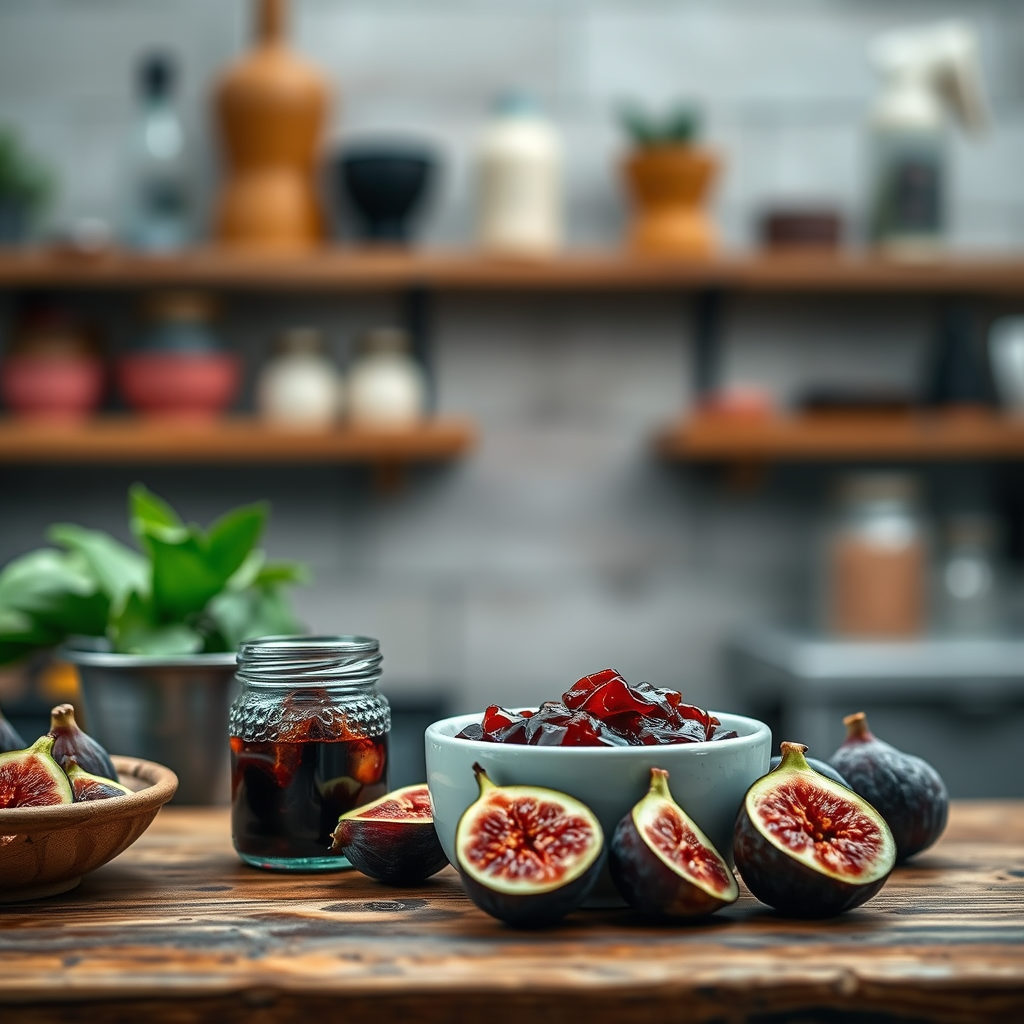
This guide delivers a thorough, step-by-step recipe for crafting fig jam using fresh figs. It includes detailed ingredient lists, necessary equipment, and valuable tips for achieving the best flavor and texture. You will find everything from selecting ripe figs to determining sugar ratios, cooking techniques, and methods for canning and storage, all aimed at ensuring your homemade fig jam is a success. However, this guide does not explore alternative jam recipes that do not feature fresh figs, nor does it cover advanced canning techniques that go beyond basic home kitchen practices.
Who Should Read This
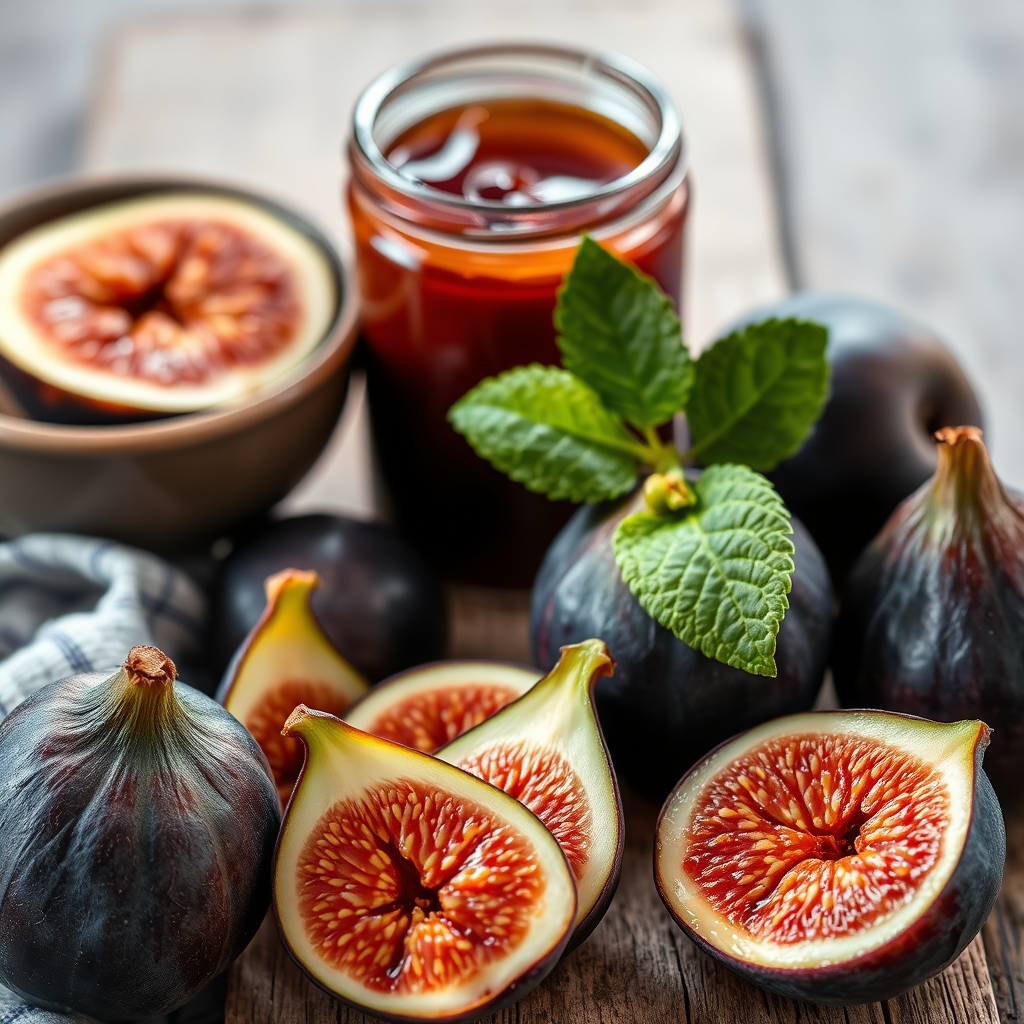
Home cooks of all skill levels will benefit from this guide. Whether you are a novice eager to learn or a more experienced cook looking to refine your technique, you will find useful insights here. A basic understanding of kitchen safety and familiarity with common cooking terms is essential, along with access to necessary kitchen equipment such as pots, measuring cups, and canning jars. Those interested in preserving fruits and creating homemade condiments will find this guide particularly relevant, while those seeking a quick store-bought solution may not find it as helpful.
The Step-by-Step Protocol
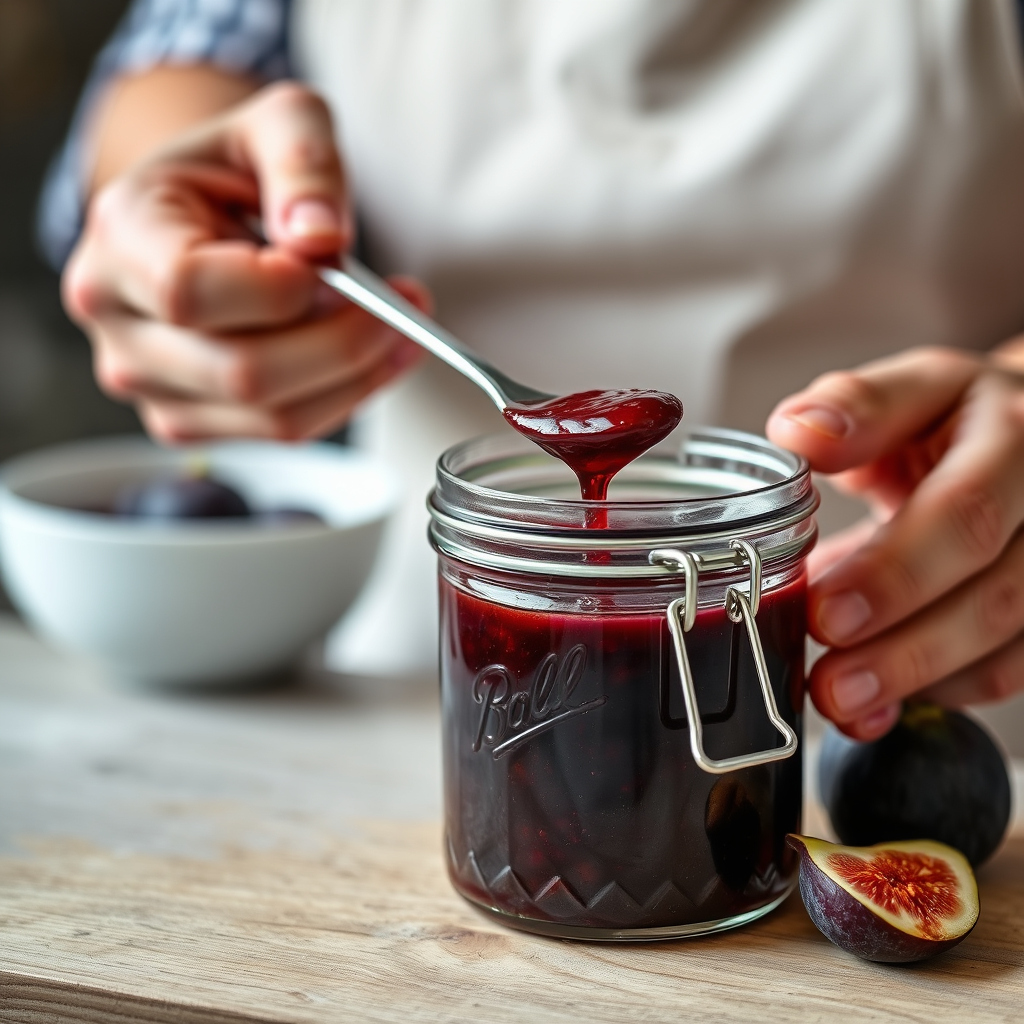
1. Gather Ingredients and Equipment: Collect 2 pounds of fresh figs, 1 cup of granulated sugar, 1 tablespoon of lemon juice, and 1/2 teaspoon of vanilla extract. Ensure you have a large pot, wooden spoon, a cutting board, and sterilized canning jars on hand.
2. Prepare the Figs: Rinse the figs under cold water, trim the stems, and chop them into quarters. You should measure approximately 4 cups of chopped fruit.
3. Cook the Mixture: In a large pot, combine the chopped figs, sugar, lemon juice, and vanilla extract. Cook over medium heat, stirring frequently until the mixture begins to bubble, which should take about 10-15 minutes.
4. Simmer and Stir: Reduce the heat to medium-low and continue to simmer the mixture. Stir occasionally to prevent sticking and ensure even cooking. Simmer for 30-40 minutes until the mixture thickens.
5. Test for Consistency: After 30-40 minutes of simmering, use a spoon to drop a small amount of jam onto a cold plate. If it holds its shape after cooling for a minute, it’s ready for canning; if not, continue to simmer and test every 5 minutes.
6. Prepare for Canning: Once the jam reaches the desired consistency, remove it from the heat. Pour the hot jam into sterilized canning jars, leaving about 1/4 inch of headspace. Wipe the rims of the jars with a clean cloth to ensure a proper seal.
7. Seal the Jars: Place sterilized lids on the jars and screw on the metal bands until they are fingertip-tight. Avoid overtightening, as this can prevent the jars from sealing properly.
8. Process the Jars: If you plan to store the jam for an extended period, process the jars in a boiling water bath for 10 minutes. Ensure the water covers the jars by at least an inch. Allow the jars to cool completely on a clean towel or drying rack.
9. Label and Store: Once cooled, label the jars with the date and store them in a cool, dark place. Properly sealed jars can last up to one year. Once opened, refrigerate and consume within 3 weeks.
Nutritional Breakdown of Fig Jam (per tablespoon)
| # | Nutrient | Value | Daily Value (%) |
|---|---|---|---|
| 1 | Calories | 50 | 2% |
| 2 | Total Fat | 0g | 0% |
| 3 | Sodium | 0mg | 0% |
| 4 | Total Carbohydrates | 13g | 4% |
| 5 | Dietary Fiber | 1g | 4% |
| 6 | Sugars | 11g | N/A |
| 7 | Protein | 0g | 0% |
Warning Signs: When Not to Follow This
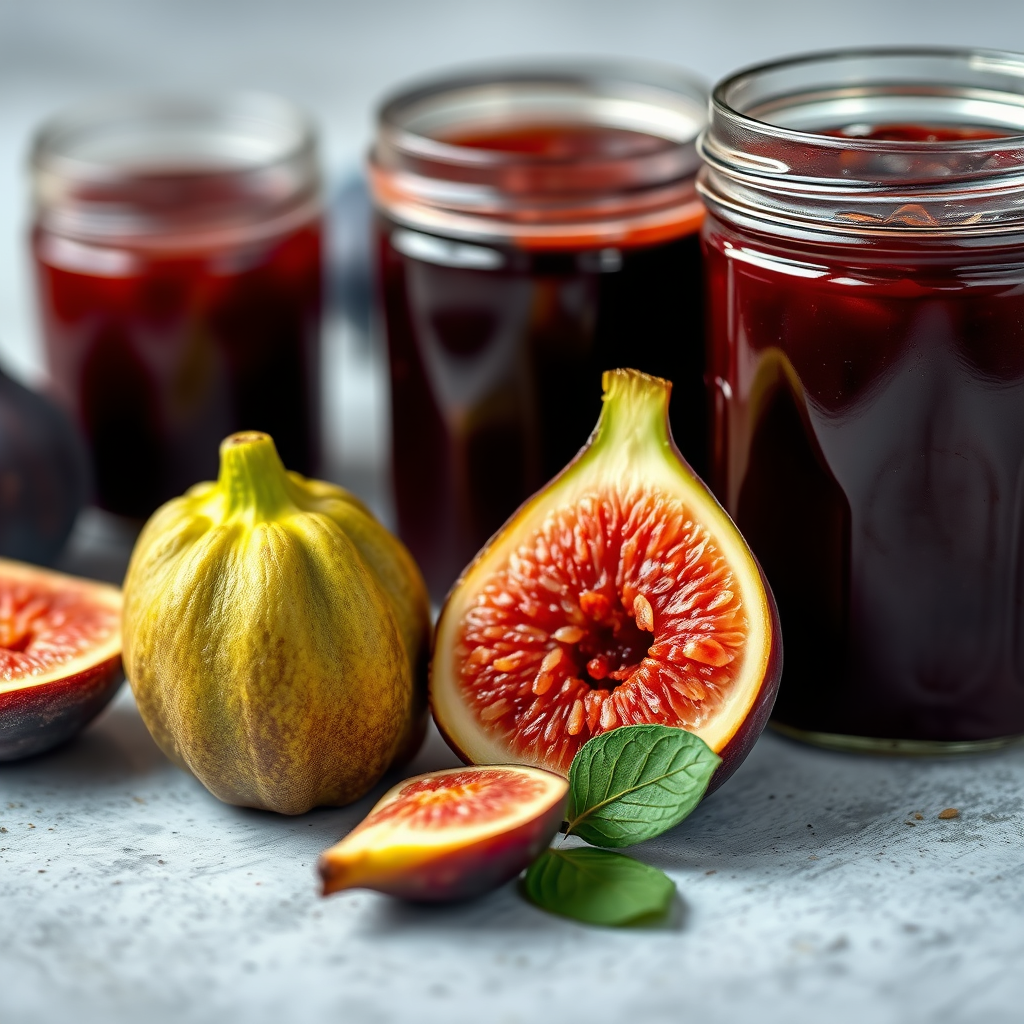
Avoid making fig jam if your figs are overripe or moldy, as this can compromise the flavor and safety of the jam. Do not attempt this recipe if you are allergic to any of the ingredients listed, including figs, sugar, or lemon juice. If you lack proper canning equipment or do not understand the principles of food preservation, refrain from making this jam, as improper canning can lead to foodborne illnesses.
The Most Common Mistakes (And Their Consequences)
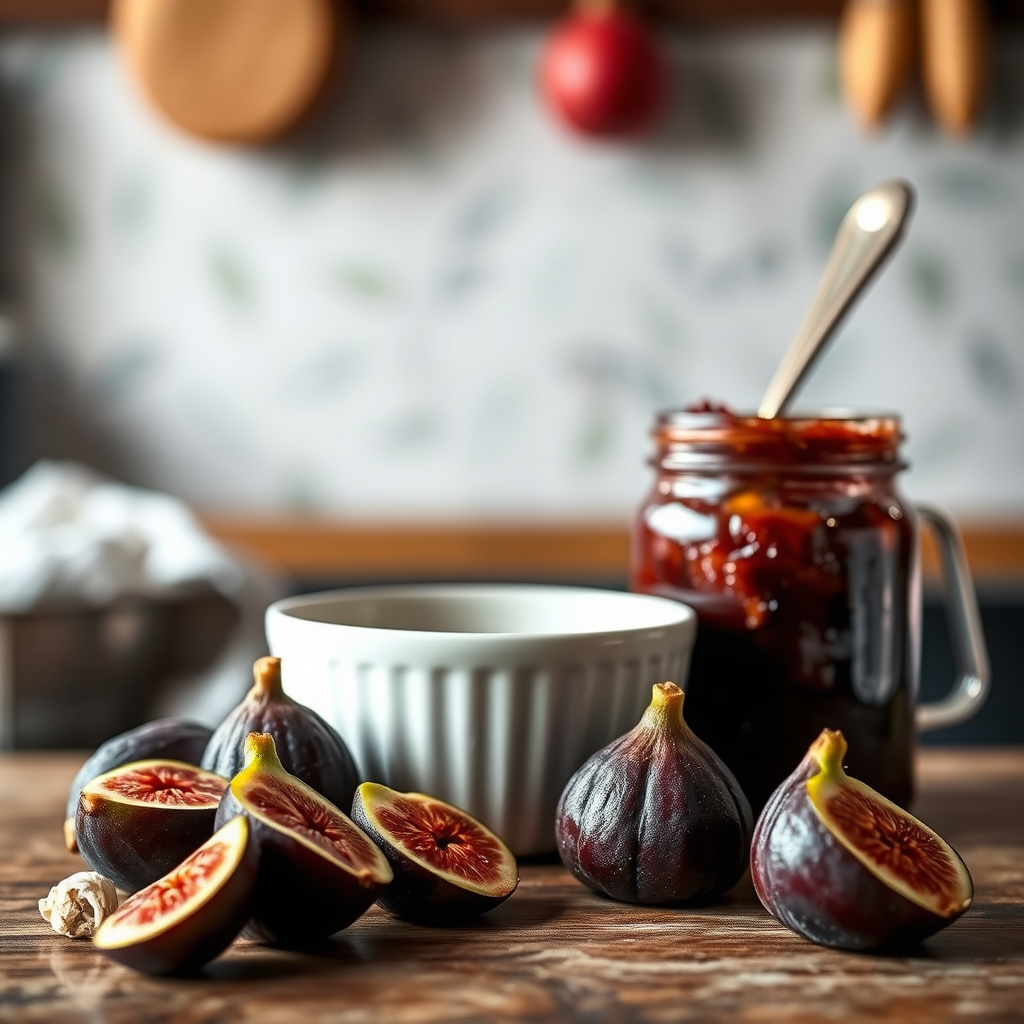
One of the most frequent pitfalls for home cooks is failing to properly sterilize their canning jars, which can lead to spoilage or contamination of the fig jam. Additionally, not adhering to the correct sugar-to-fruit ratio may result in a runny consistency; it’s essential to maintain the recommended 1:2 ratio for a firmer set. Skipping the lemon juice can significantly affect both the flavor and preservation quality of the fig jam, as it balances the sweetness and acts as a natural preservative.
Special Cases That Need a Different Approach
If you are using under-ripe figs, consider adding more sugar and cooking the mixture longer to help break down the fruit and achieve the desired consistency. For those interested in a lower-sugar version, substitute half the sugar with pectin or a sugar alternative approved for canning, but be mindful to adjust the cooking time accordingly. If you are preserving fig jam for a gluten-free diet, ensure all ingredients are certified gluten-free, including any added flavorings or preservatives.
When You Need a Professional
If you have uncertainties about the canning process, particularly when planning to store fig jam for extended periods or sell it, consult a licensed food preservation expert. Additionally, if you experience any adverse reactions after consuming the fig jam, seek medical attention immediately, as this may indicate an allergy or foodborne illness. When attempting to significantly scale up the recipe (for example, more than 10 pounds of figs), it’s advisable to consult with a professional to ensure safety and preservation standards are met.
Sources and Further Reading
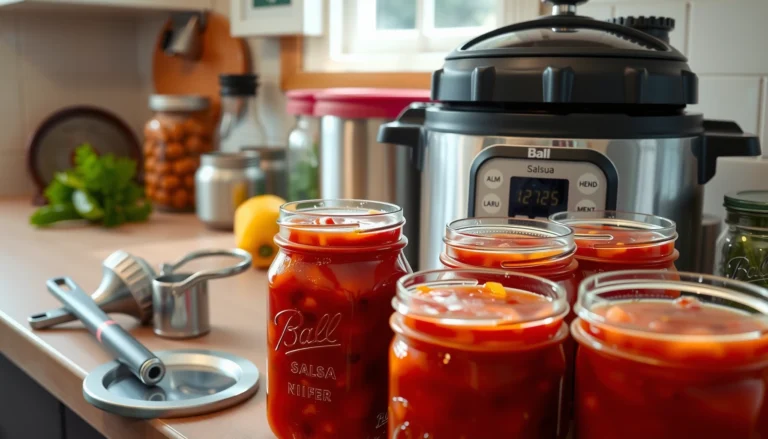
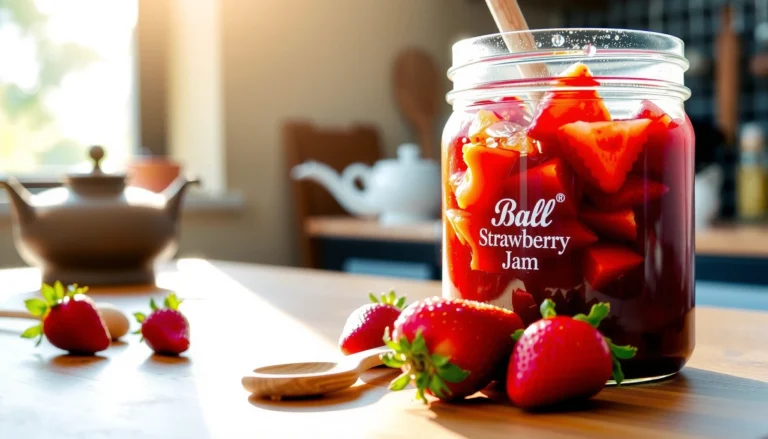
For detailed guidelines on safe canning practices and preserving fruit jams, refer to the National Center for Home Food Preservation. The USDA Complete Guide to Home Canning offers extensive information on fruit preservation, including specific recommendations for making jams and jellies. Additionally, explore publications by the Ball Canning Company for recipes and tips on effectively using their canning jars and lids for homemade fig jam.
By following this comprehensive guide, you can create a delicious fig jam that captures the essence of fresh figs while ensuring safe preservation methods. Enjoy your homemade fig jam spread on toast, incorporated into desserts, or as a delightful addition to cheese boards.
Frequently Asked Questions
What ingredients do I need for a fig jam recipe with fresh figs?
To make a delicious fig jam with fresh figs, you will need ripe fresh figs, sugar, lemon juice, and a pinch of salt. The figs provide natural sweetness and flavor, while the sugar helps in preserving the jam, and lemon juice adds a necessary acidity to balance the sweetness.
How do I prepare fresh figs for making fig jam?
To prepare fresh figs for fig jam, start by washing them gently under cool water to remove any dirt. Then, remove the stems, and if desired, chop the figs into quarters or leave them whole for a chunkier texture in your jam. This preparation helps release the figs’ natural juices during cooking.
Why is it important to use fresh figs in my fig jam recipe?
Using fresh figs in your fig jam recipe is crucial because they provide the best flavor and texture compared to dried figs. Fresh figs have a unique sweetness and delicate texture that enhance the jam, while also offering a vibrant color and aroma that dried figs simply cannot replicate.
What is the best method for cooking fig jam to achieve the right consistency?
The best method for cooking fig jam involves simmering the prepared figs, sugar, and lemon juice over medium heat. Stir frequently to prevent sticking, and cook until the mixture thickens, usually about 30-45 minutes. To test for consistency, drop a spoonful on a plate and let it cool; if it holds its shape, your jam is ready.
Which types of figs are best for making fig jam?
The best types of figs for making fig jam are Black Mission, Adriatic, and Kadota figs, as they provide a rich flavor and perfect sweetness. These varieties have high sugar content and a pleasant texture that enhances the overall quality of your homemade fig jam.
References
- Fig
https://en.wikipedia.org/wiki/Fig - Kinetics of steel slag dissolution: from experiments to modelling – PMC
https://www.ncbi.nlm.nih.gov/pmc/articles/PMC6501660/ - https://www.sciencedirect.com/topics/agricultural-and-biological-sciences/fig
https://www.sciencedirect.com/topics/agricultural-and-biological-sciences/fig - Fig jam recipe | Good Food
https://www.bbcgoodfood.com/recipes/fig-jam - https://www.healthline.com/nutrition/figs-nutrition
https://www.healthline.com/nutrition/figs-nutrition - Aerobic exercise: Top 10 reasons to get physical – Mayo Clinic
https://www.mayoclinic.org/healthy-lifestyle/nutrition-and-healthy-eating/in-depth/figs/art-20045541 - figs foods
https://www.nutritionvalue.org/figs_nutritional_value.html - Google Scholar Google Scholar
https://scholar.google.com/scholar?q=fig+jam+recipe+with+fresh+figs - Google Scholar Google Scholar
https://scholar.google.com/scholar?q=fig+preservation+methods - fig jam recipe with fresh figs – Search results
https://en.wikipedia.org/wiki/Special:Search?search=fig+jam+recipe+with+fresh+figs