Making easy strawberry jam safely requires precise techniques and adherence to food safety protocols. This expert guide provides step-by-step instructions to craft delicious, homemade strawberry jam while ensuring quality and safety. Mastering these methods not only enhances flavor but also prevents spoilage, giving you the confidence to preserve your summer bounty.
What This Guide Covers (And What It Doesn’t)
This guide offers a straightforward strawberry jam recipe that caters to both beginners and experienced cooks, emphasizing safety and efficiency. Inside, you’ll discover essential ingredients, the necessary equipment, step-by-step instructions, and tips for proper canning techniques to ensure a successful outcome. However, it does not explore complex variations of strawberry jam or intricate canning processes beyond this basic home recipe, keeping the method simple and accessible.
Who Should Read This
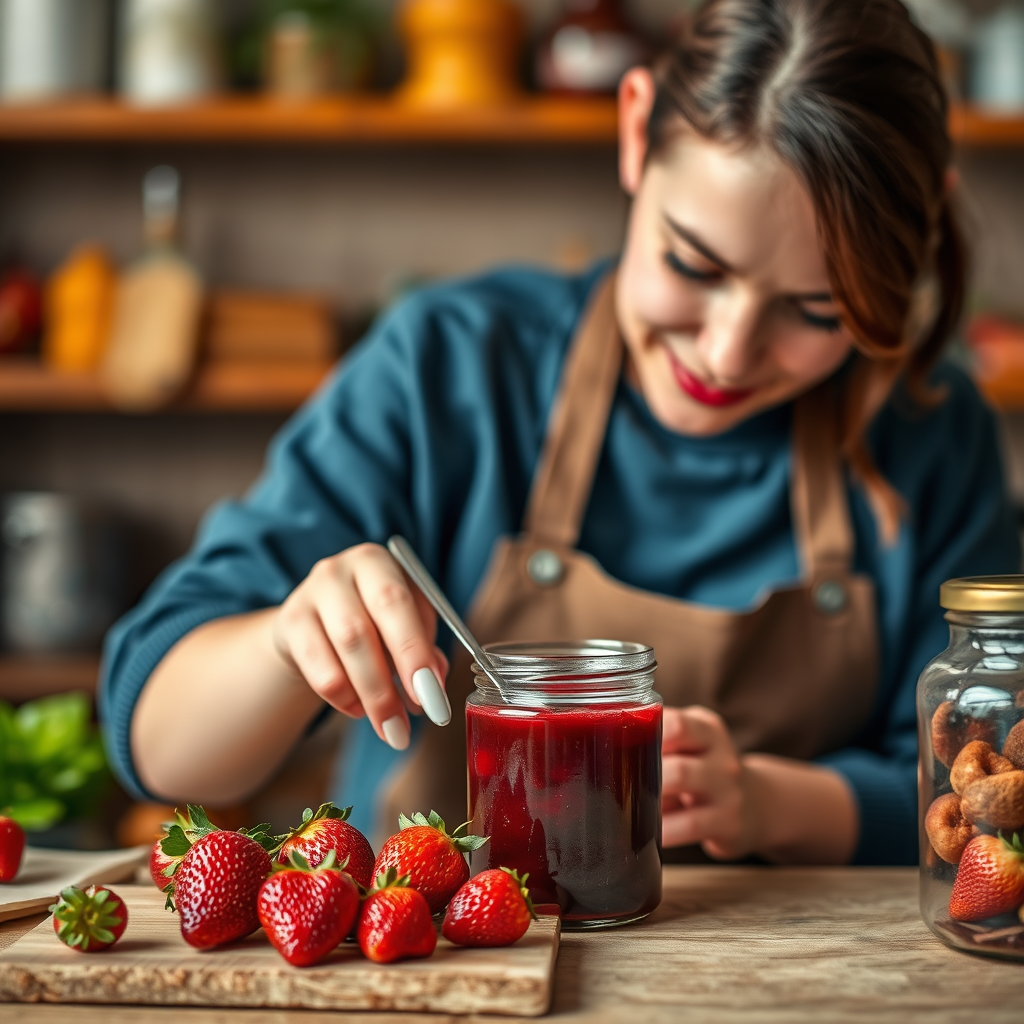
This guide is perfect for home cooks eager to create homemade strawberry jam with ease—no prior experience required. If you’re interested in preserving seasonal strawberries for enjoyment throughout the year, this resource is especially valuable. Those with dietary restrictions or preferences, such as opting for less sugar or alternative sweeteners, should seek specialized recipes in other resources.
The Step-by-Step Protocol
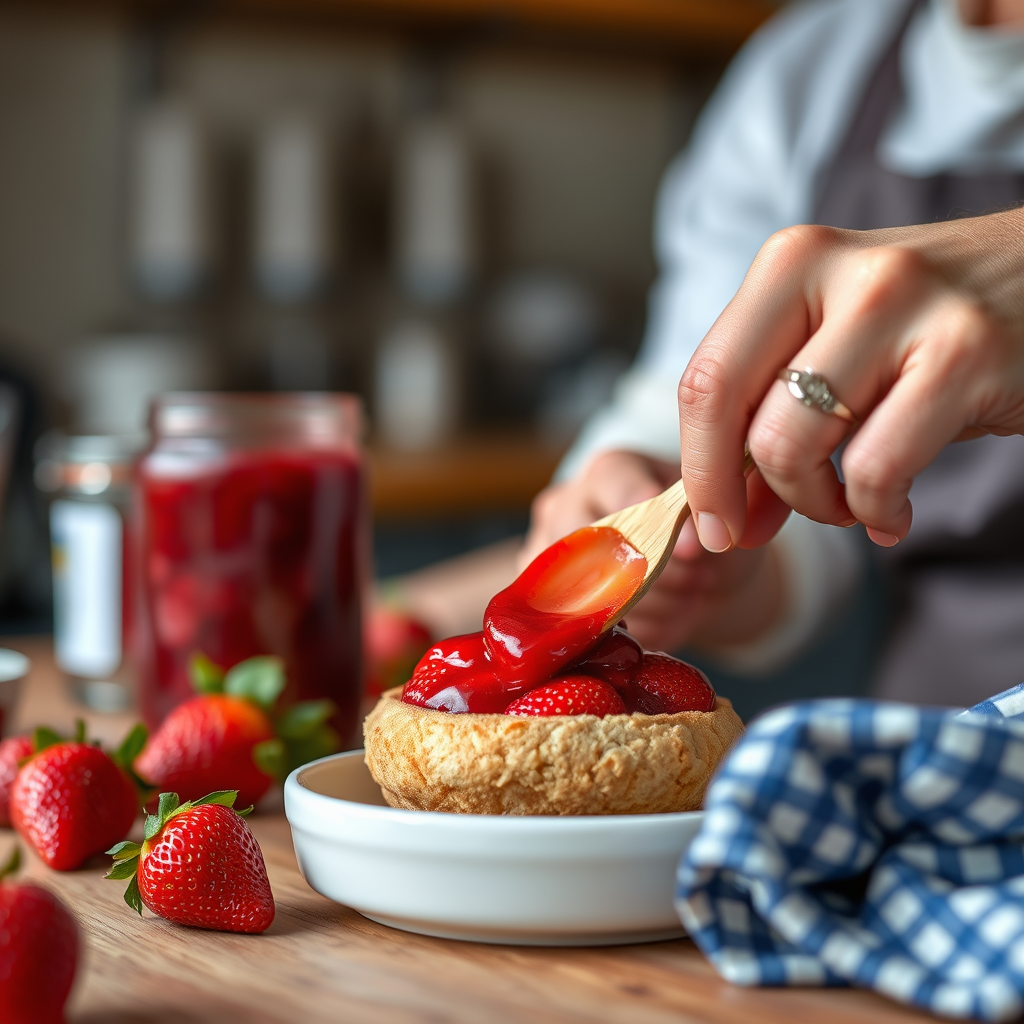
1. Gather Ingredients:
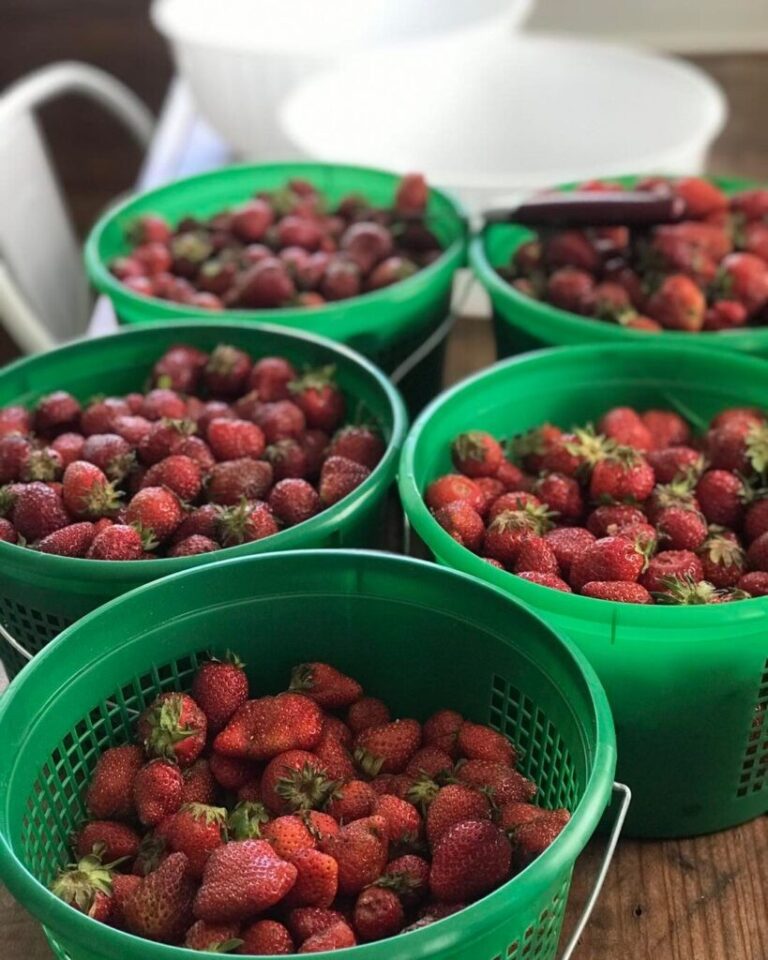
– Use 2 pounds of fresh strawberries, 2 cups of granulated sugar, and 1/4 cup of freshly squeezed lemon juice for a simple batch. Ensure the strawberries are ripe and free from blemishes to enhance the flavor.
2. Prepare Strawberries:
– Rinse the strawberries thoroughly under cold water to eliminate any dirt or pesticide residue. Hull the strawberries by removing the green tops and any white core. Then, mash the strawberries with a potato masher or fork until you achieve a consistent puree, which should yield approximately 4 cups of fruit.
3. Cook the Mixture:
– In a large, heavy-bottomed pot, combine the strawberry puree, granulated sugar, and lemon juice. Stir the mixture over medium-high heat until it reaches a rolling boil, stirring frequently to prevent sticking or burning.
4. Check Consistency:
– Continue boiling the mixture for 10-15 minutes, stirring occasionally. To determine if the jam is ready, perform the spoon test: dip a cold spoon into the mixture and let it cool for a few seconds. Run your finger through the jam on the spoon; if it holds its shape and does not immediately run back together, it is done. Alternatively, use a food thermometer to ensure the mixture reaches a temperature of 220°F (104°C).
5. Can the Jam:
– Prepare canning jars by sterilizing them in a boiling water bath or in a hot dishwasher cycle. Pour the hot jam into the sterilized jars, leaving a 1/4-inch headspace to allow for expansion. Wipe the rims of the jars with a clean cloth to ensure a good seal, then immediately seal with sterilized lids. Process the jars in a boiling water bath for 10 minutes. This crucial step eliminates bacteria and ensures the jam can be safely stored.
Warning Signs: When Not to Follow This
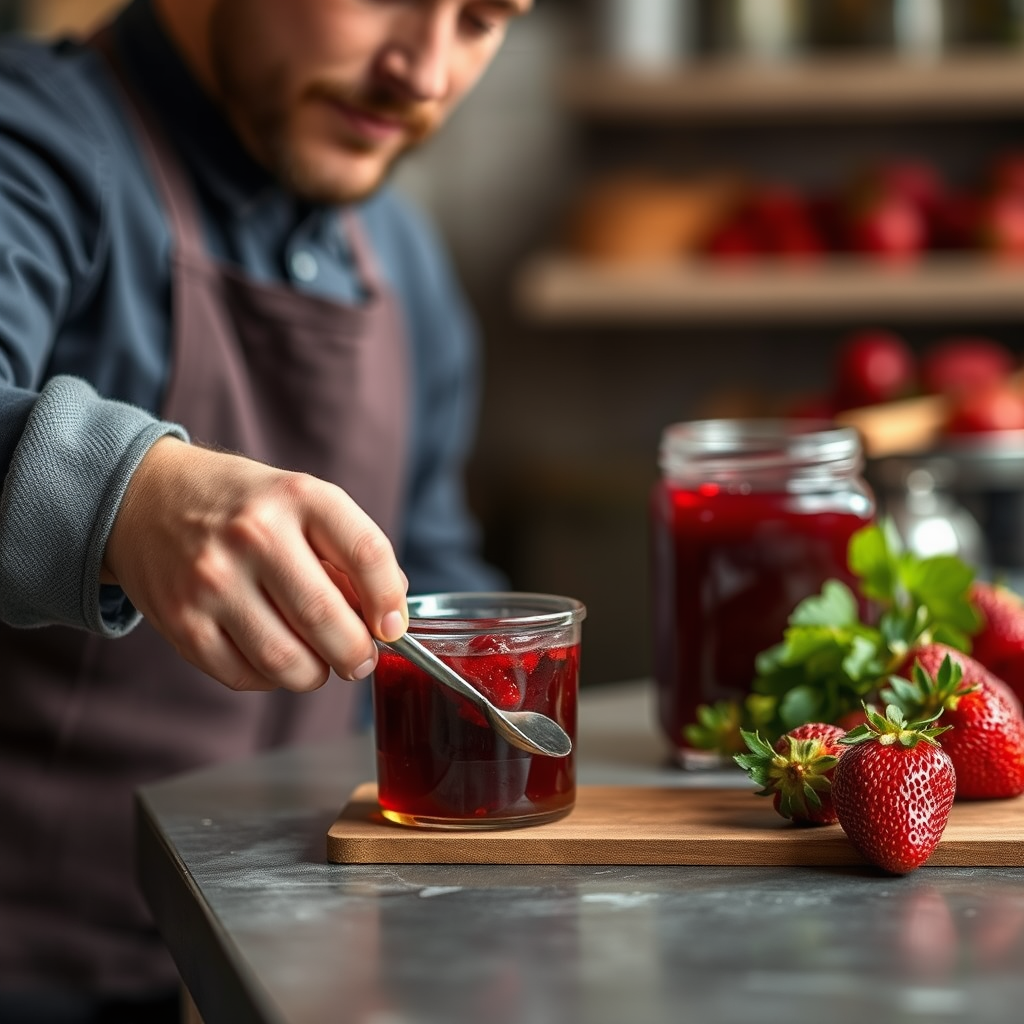
– Do not proceed with this recipe if you notice signs of mold or spoilage on the strawberries before preparation. Spoiled fruit can lead to foodborne illness.
– Avoid making this jam if you cannot maintain a consistent boiling temperature during cooking, as this can result in improper preservation and spoilage.
– If you have allergies to any of the recipe ingredients, such as strawberries or sugar, do not attempt this recipe without appropriate substitutions. Always consult a healthcare provider if you are unsure about potential allergens.
The Most Common Mistakes (And Their Consequences)
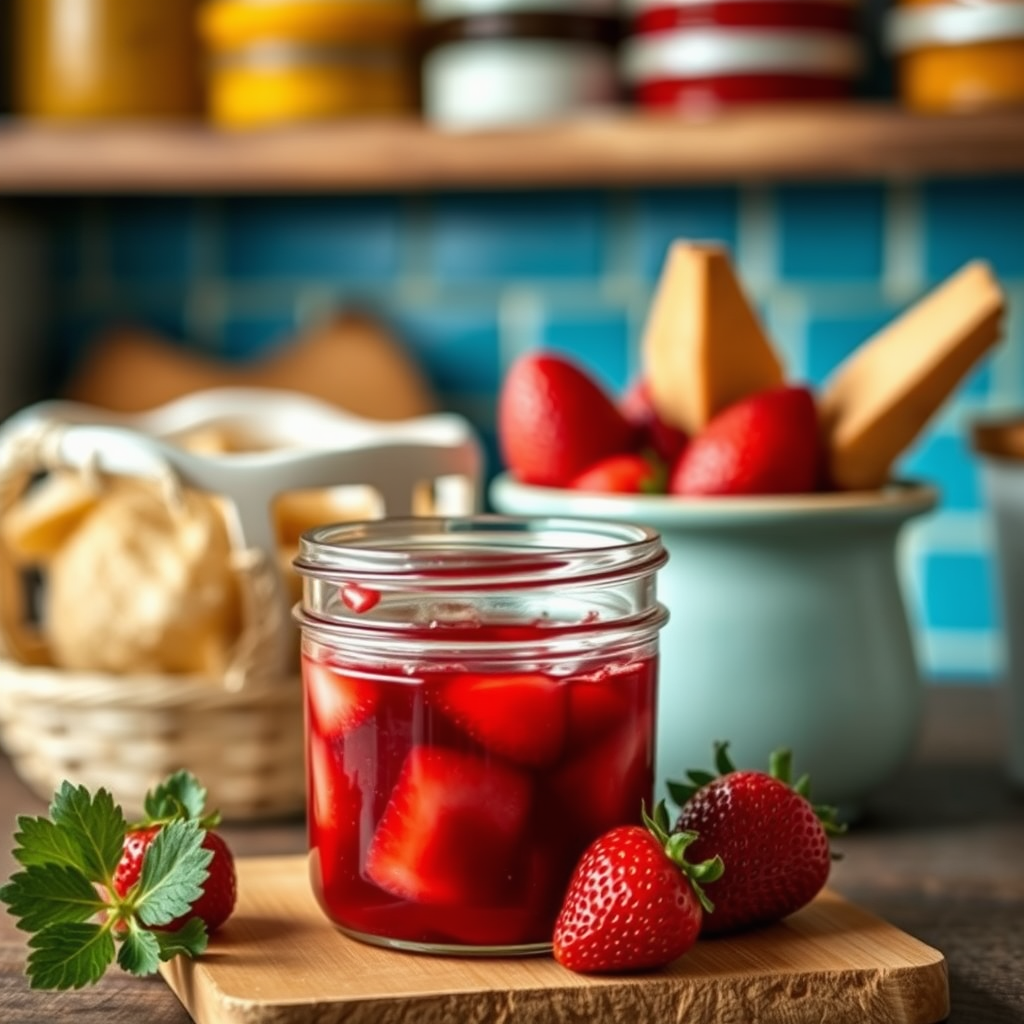
– Using Overripe or Under-Ripe Strawberries: Using strawberries that are overly soft or not fully ripe can lead to poor texture and flavor. Always select firm, ripe berries for the best results.
– Skipping the Water Bath Canning Process: Neglecting to process the jars in a boiling water bath can result in spoilage due to harmful bacteria surviving. Ensure all jars are processed adequately for safety.
– Not Measuring Ingredients Accurately: Inaccurate measurements can negatively impact the jam’s consistency. Always use a kitchen scale or measuring cups designed for liquid and dry ingredients for precise measurements.
Special Cases That Need a Different Approach
– Using Frozen Strawberries: If using frozen strawberries, be aware that they may contain more water, affecting cooking time. Allow them to thaw and drain excess liquid, then simmer longer to achieve the desired thickness.
– For Low-Sugar or Sugar-Free Versions: Use pectin designed for low-sugar preserves, following the package instructions closely. The sugar in traditional recipes aids in preservation and flavor, so adjustments may influence the final product.
– Canning at High Altitudes: If canning at elevations above 1,000 feet, increase the processing time by 5 minutes. Higher altitudes require longer processing to ensure proper sealing and safety.
When You Need a Professional
– If you are uncertain about the safety of your canned strawberry jam due to questionable sterilization practices, consult a food safety expert before consumption. This is especially important if there are signs of improper sealing or spoilage.
– Seek professional guidance if you notice any signs of botulism, such as bulging jars, off-smelling contents, or unusual colors. Botulism is a serious illness that can be life-threatening and requires immediate medical attention.
– For dietary concerns or allergies that may arise from the recipe, consult a registered dietitian for tailored advice and alternative recipes. This is crucial if you have specific dietary needs or restrictions.
Sources and Further Reading
– The National Center for Home Food Preservation provides comprehensive guidelines on safe canning practices and preserving methods.
– “Ball Complete Book of Home Preserving” offers a wealth of recipes and safety tips for home canning enthusiasts.
– The USDA Guide to Canning, Freezing, Curing & Smoking Meat provides essential resources for safe preservation techniques.
By following this expert guide, you can confidently create delicious strawberry jam that captures the essence of summer, ensuring safety and quality in every jar. Enjoy your canning adventure!
Frequently Asked Questions
What ingredients do I need for an easy strawberry jam recipe?
To make an easy strawberry jam, you’ll need fresh strawberries, granulated sugar, and lemon juice. Typically, a 2:1 ratio of strawberries to sugar works well, and the lemon juice helps to balance the sweetness while also acting as a natural preservative.
How do I make strawberry jam without pectin?
You can make strawberry jam without pectin by simply cooking down the strawberries and sugar together until the mixture thickens naturally. Start by mashing the strawberries and combining them with sugar, then simmer over medium heat, stirring frequently, until it reaches your desired consistency, usually around 20-30 minutes.
Why is my strawberry jam not setting properly?
If your strawberry jam is not setting, it may be due to insufficient cooking time or the wrong sugar-to-fruit ratio. Make sure to cook the jam long enough to evaporate excess moisture and consider adding a bit more sugar if your strawberries are particularly juicy, as sugar helps with the gelling process.
What is the best way to store homemade strawberry jam?
The best way to store homemade strawberry jam is in sterilized glass jars, sealed tightly, and kept in the refrigerator for up to three weeks. For longer storage, you can process the jars in a water bath canner to ensure they are shelf-stable for up to a year when kept in a cool, dark place.
Which type of strawberries is best for making jam?
The best strawberries for making jam are those that are ripe and sweet, such as June-bearing or everbearing varieties. Look for strawberries that are fully colored, free from bruises, and have a fragrant aroma, as these will yield the most flavorful and delicious jam.
References
- Fruit preserves
https://en.wikipedia.org/wiki/Jam - https://www.uga.edu/extension/publications/files/pdf/B%20432_1.pdf
https://www.uga.edu/extension/publications/files/pdf/B%20432_1.pdf - https://www.extension.iastate.edu/publications/pm1041.pdf
https://www.extension.iastate.edu/publications/pm1041.pdf - https://www.foodsafety.gov/food-safety-charts/jam-and-jelly-safety
https://www.foodsafety.gov/food-safety-charts/jam-and-jelly-safety - Google Scholar Google Scholar
https://scholar.google.com/scholar?q=strawberry+jam+recipe+easy - Google Scholar Google Scholar
https://scholar.google.com/scholar?q=strawberry+preservation+methods - https://www.ncbi.nlm.nih.gov/pmc/articles/PMC4873479/
https://www.ncbi.nlm.nih.gov/pmc/articles/PMC4873479/ - Strawberry jam recipe | Good Food
https://www.bbcgoodfood.com/recipes/strawberry-jam - https://www.nytimes.com/2021/07/02/cooking/strawberry-jam-recipe.html
https://www.nytimes.com/2021/07/02/cooking/strawberry-jam-recipe.html - https://www.sciencedirect.com/topics/agricultural-and-biological-sciences/strawberry-jam
https://www.sciencedirect.com/topics/agricultural-and-biological-sciences/strawberry-jam