Mastering the art of making caramelized onion jam safely is essential for both home cooks and culinary enthusiasts. This comprehensive expert guide provides step-by-step instructions, key safety protocols, and tips to ensure your jam turns out rich in flavor while minimizing risks. Understanding the proper techniques not only enhances the taste but also guarantees a safe and enjoyable canning experience.
What This Guide Covers (And What It Doesn’t)
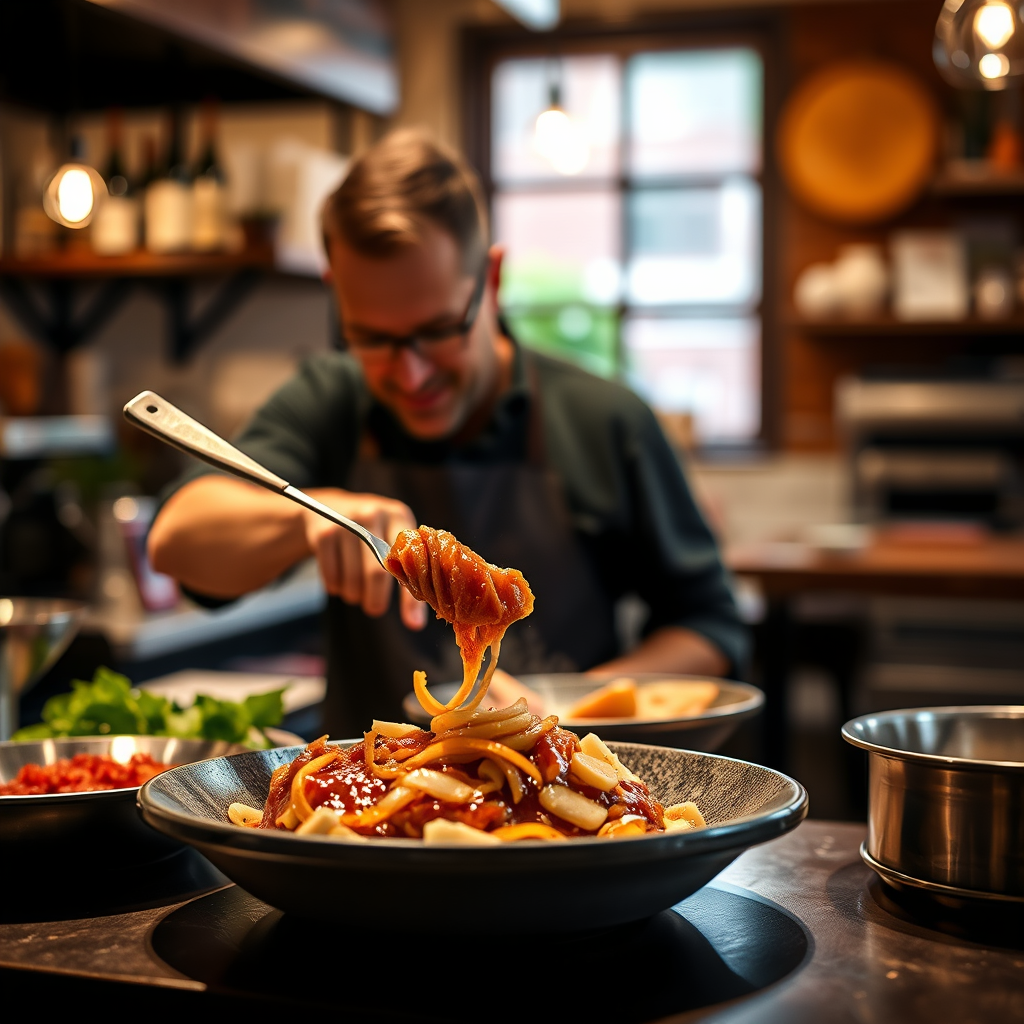
This guide presents an in-depth recipe for crafting caramelized onion jam, detailing specific ingredients, precise measurements, and cooking techniques that yield exceptional flavor and texture. It includes essential safety tips regarding food preparation, storage, and canning processes to ensure the jam is safe for consumption. However, it does not address other types of jams or preserves, nor does it explore unrelated onion dishes or general cooking methods outside the realm of caramelized onion jam.
Who Should Read This
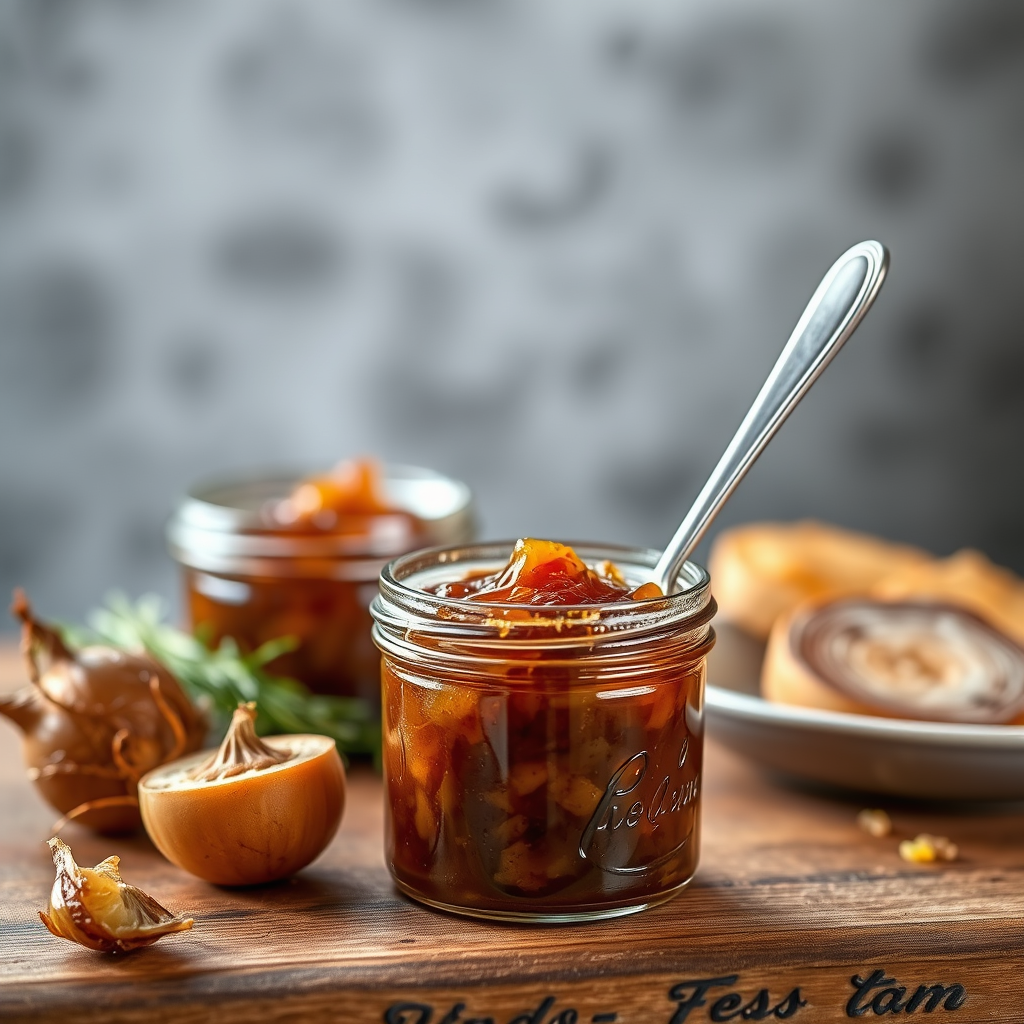
This guide is perfect for home cooks who possess basic culinary skills, especially those familiar with sautéing and preserving techniques and eager to try making their own condiments. Food enthusiasts aiming to enhance their cooking repertoire with gourmet spreads that elevate everyday meals will find this guide particularly useful. Additionally, individuals with dietary restrictions or a preference for homemade goods over commercial options, such as vegans and those avoiding preservatives, will appreciate this comprehensive approach.
The Step-by-Step Protocol
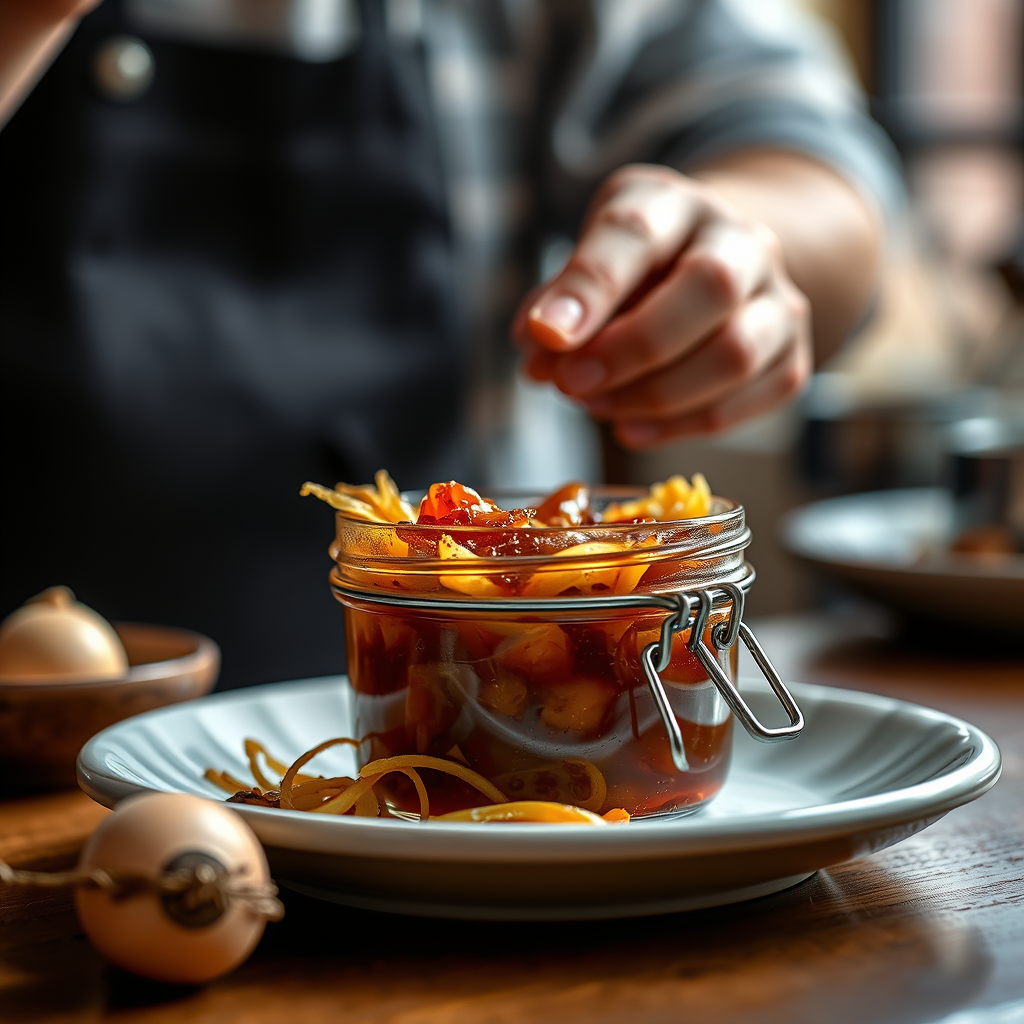
1. Gather Ingredients and Equipment: You will need 4 large onions (about 2 pounds), 1 cup of brown sugar, 1 cup of balsamic vinegar, 2 tablespoons of olive oil, and salt to taste. Also, prepare a large skillet, a wooden spoon, and glass jars for storage.
2. Prepare the Onions: Slice the onions thinly, approximately 1/8 inch thick. This ensures even cooking and facilitates uniform caramelization without burning.
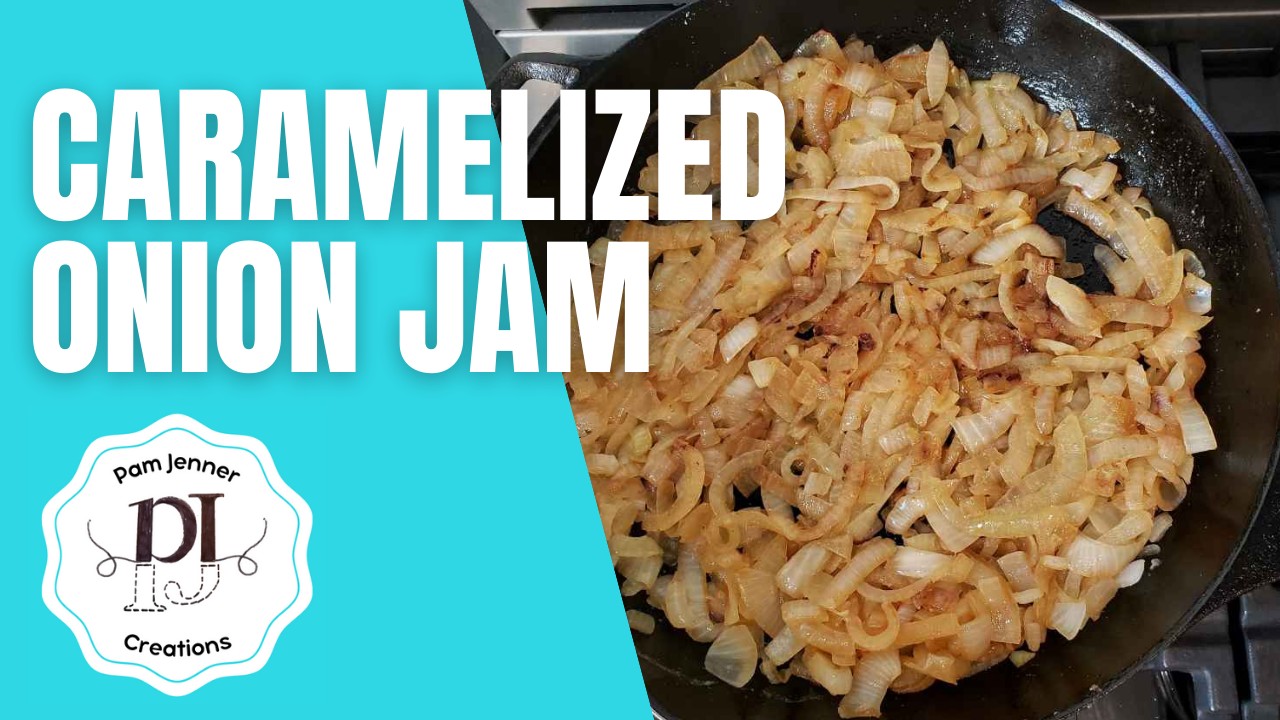
3. Cook the Onions: Heat the olive oil in a large skillet over medium heat. Add the sliced onions along with a pinch of salt. Stir occasionally for 15-20 minutes until the onions soften and turn golden brown. Keep a close eye on them to prevent burning.
4. Add Sugar and Vinegar: Once the onions are caramelized, stir in the brown sugar and balsamic vinegar. Increase the heat to medium-high and cook for an additional 15-20 minutes, stirring frequently until the mixture thickens and achieves a jam-like consistency.
5. Final Adjustments: Taste the jam and adjust the seasoning with additional salt if needed. If the jam is too sweet, consider adding a splash of vinegar to balance the flavors.
6. Cool and Store: Allow the caramelized onion jam to cool completely before transferring it to glass jars. Ensure the jars are sterilized if you plan to store them for an extended period.
7. Label and Refrigerate: Label the jars with the date and store them in the refrigerator. The jam should be consumed within 2-3 weeks if not canned.
Nutritional Breakdown of Caramelized Onion Jam (Per Serving, 1 Tbsp)
| Nutrient | Amount | % Daily Value* |
|---|---|---|
| Calories | 50 | 2% |
| Total Fat | 2g | 3% |
| Sodium | 150mg | 7% |
| Total Carbohydrates | 10g | 4% |
| Sugars | 8g | N/A |
| Dietary Fiber | 1g | 4% |
| Protein | 0g | 0% |
| Vitamin A | 0% | 0% |
| Vitamin C | 0% | 0% |
| Calcium | 0% | 0% |
| *Daily values are based on a 2,000 calorie diet. | ||
Warning Signs: When Not to Follow This
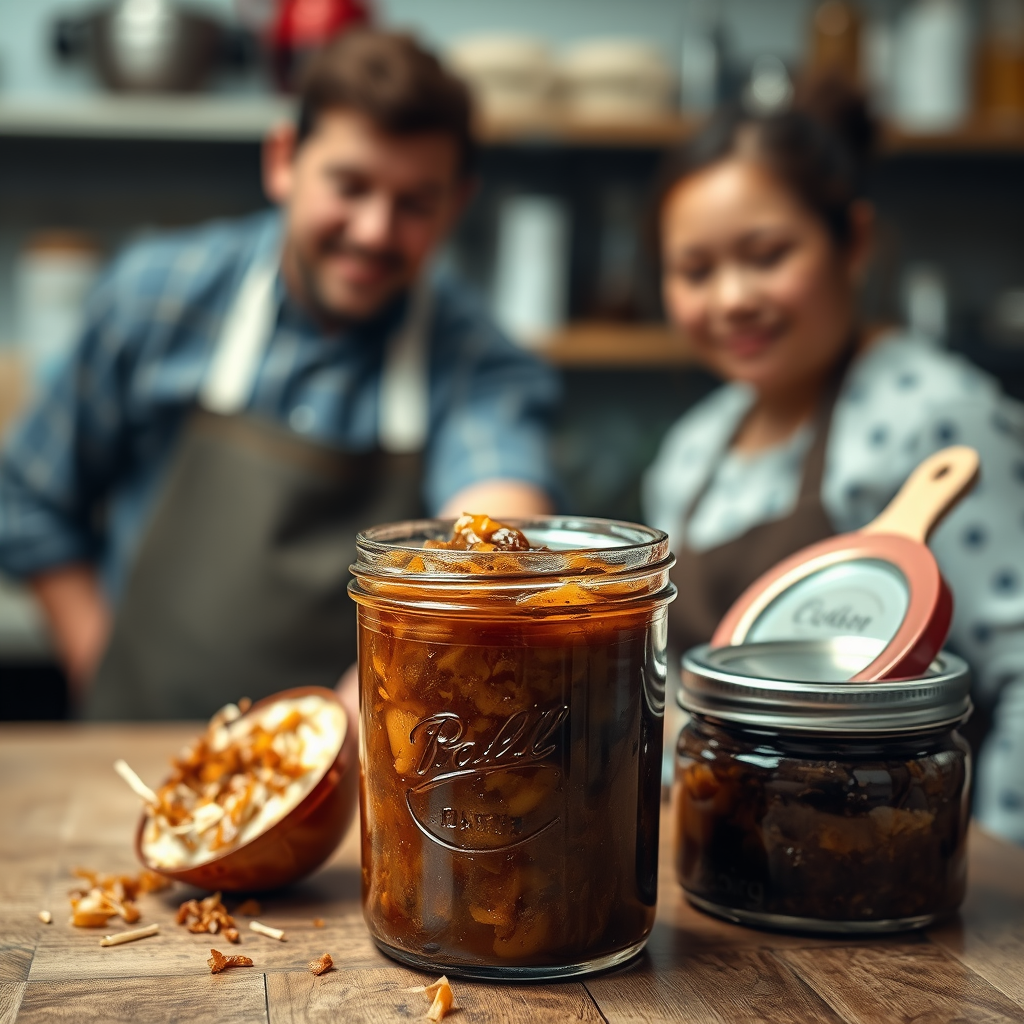
Avoid making caramelized onion jam if you have allergies to any listed ingredients, such as onions or balsamic vinegar, as this could trigger severe reactions. Additionally, do not attempt this recipe without the necessary kitchen equipment, like a heavy-bottomed skillet, which is essential for even cooking and preventing burnt ingredients. If you can’t maintain the required cooking temperatures, especially in the later stages, it’s best to skip this recipe, as it may compromise both food safety and quality.
The Most Common Mistakes (And Their Consequences)
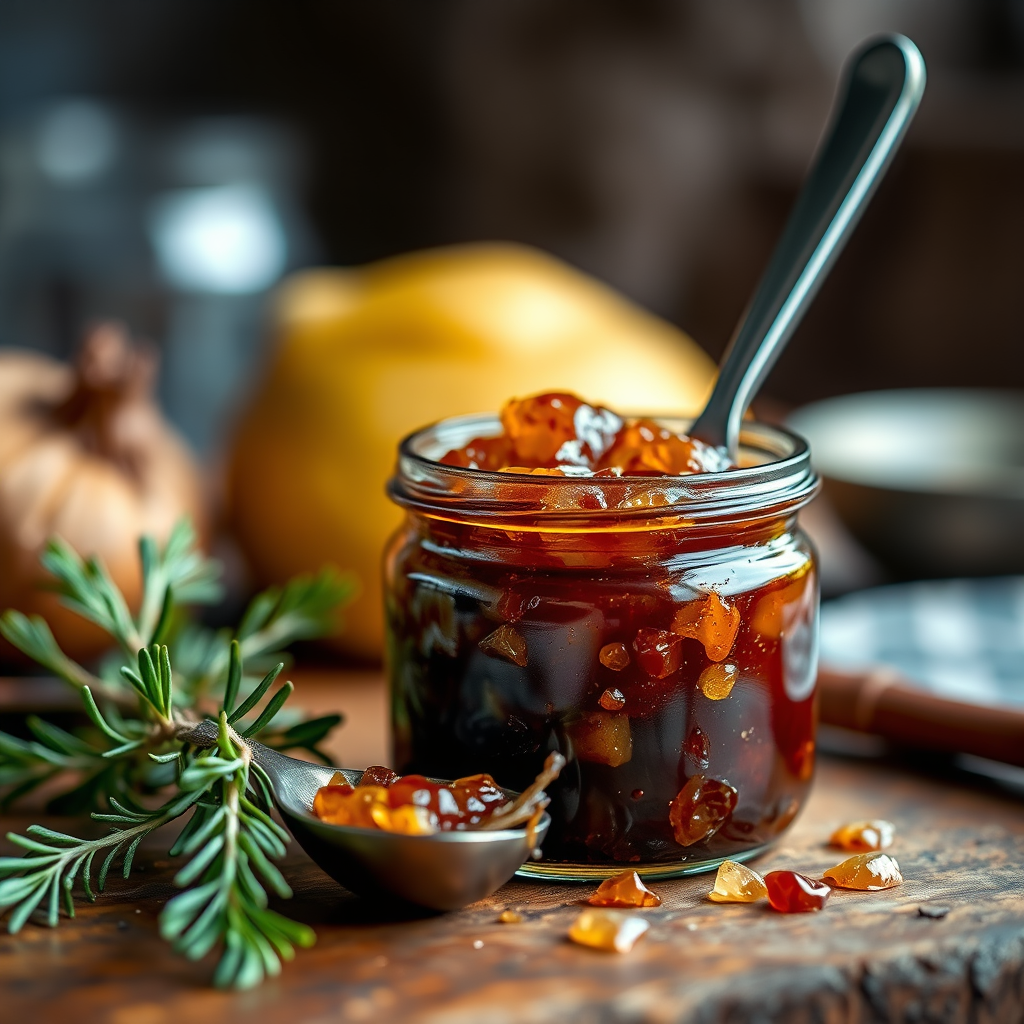
One frequent misstep is using high heat while cooking the onions, which can lead to burning instead of proper caramelization, resulting in a bitter flavor. Rushing the caramelization process may yield a jam that lacks depth and sweetness, undermining the final product. Furthermore, skipping the deglazing step after adding the vinegar can result in missing out on the flavorful browned bits, leading to a less complex jam.
Special Cases That Need a Different Approach
If you prefer a spicier jam, consider adding chopped fresh chilies or a pinch of red pepper flakes during the initial sautéing phase to infuse heat into the blend. For a sweeter alternative, substitute honey or maple syrup for brown sugar, but keep in mind that this will alter the cooking time and texture of the jam. To create a savory version, incorporating herbs like thyme or rosemary during the cooking process can enhance the flavor profile, offering a unique twist on classic caramelized onion jam.
When You Need a Professional
If you intend to can the caramelized onion jam for long-term storage, consult a food preservation expert or a certified canning guide to ensure safe practices. Additionally, if you have any underlying health conditions that may affect your ability to prepare or consume this recipe, such as diabetes due to sugar content, it’s wise to seek advice from a healthcare provider before proceeding. Should you experience any adverse reactions after consuming the jam, such as gastrointestinal distress or allergic reactions, seek medical attention immediately.
Sources and Further Reading
The National Center for Home Food Preservation provides guidelines on safe canning practices and food preservation techniques specific to jams and jellies. “Onions: The Secret Ingredient” by the Culinary Institute of America offers insights into various cooking techniques and flavor pairings for onions. For additional flavor variations and preservation methods, refer to “Preserving the Harvest” by the University of Georgia, which includes safe practices for making homemade preserves.
Frequently Asked Questions
What ingredients do I need for a basic caramelized onion jam recipe?
To make a basic caramelized onion jam, you will need 2-3 large onions, preferably yellow or sweet onions, 2 tablespoons of olive oil or butter, 1/4 cup of brown sugar, 1/4 cup of balsamic vinegar, and salt to taste. These ingredients combine to create a rich, sweet, and tangy flavor profile that is perfect for pairing with cheeses or meats.
How long does it take to caramelize onions for jam?
Caramelizing onions for jam typically takes about 30 to 45 minutes over low to medium heat. The key is to cook them slowly, allowing the natural sugars to develop and deepen in flavor without burning, resulting in that perfect, rich caramel color and taste.
Why is my caramelized onion jam bitter?
If your caramelized onion jam tastes bitter, it might be due to cooking the onions at too high a heat or not allowing them to caramelize properly. To avoid bitterness, ensure you cook the onions slowly, stirring frequently, and avoid any burnt bits, which can introduce a bitter flavor to the jam.
What is the best way to store caramelized onion jam?
The best way to store caramelized onion jam is in an airtight container in the refrigerator, where it can last for up to two weeks. For longer storage, consider canning the jam using proper sterilization techniques, allowing it to be shelf-stable for several months.
Which dishes pair well with caramelized onion jam?
Caramelized onion jam pairs beautifully with a variety of dishes, including cheese platters, burgers, grilled meats, and charcuterie boards. Its sweet and savory profile enhances flavors, making it a versatile condiment for both appetizers and main courses.
References
- Onion
https://en.wikipedia.org/wiki/Onion - https://www.bbc.co.uk/food/recipes/caramelized_onion_jam_22068
https://www.bbc.co.uk/food/recipes/caramelized_onion_jam_22068 - NYT Cooking – Recipes and Cooking Guides From The New York Times
https://www.nytimes.com/recipes/1019810/caramelized-onion-jam - https://www.sciencedirect.com/topics/food-science/caramelized-onions
https://www.sciencedirect.com/topics/food-science/caramelized-onions - https://pubmed.ncbi.nlm.nih.gov/22240454/
https://pubmed.ncbi.nlm.nih.gov/22240454/ - https://www.verywellfit.com/caramelized-onions-nutrition-facts-5192373
https://www.verywellfit.com/caramelized-onions-nutrition-facts-5192373 - Google Scholar Google Scholar
https://scholar.google.com/scholar?q=caramelized+onion+jam+recipe - Google Scholar Google Scholar
https://scholar.google.com/scholar?q=onion+jam+health+benefits - Google Scholar Google Scholar
https://scholar.google.com/scholar?q=cooking+with+caramelized+onions - caramelized onion jam recipe – Search results
https://en.wikipedia.org/wiki/Special:Search?search=caramelized+onion+jam+recipe