Making blueberry jam without pectin is not only achievable but also results in a rich, flavorful preserve that captures the essence of fresh berries. This expert guide provides a step-by-step recipe and essential tips for crafting the perfect batch, ensuring you avoid common pitfalls that can compromise texture and taste. Mastering this technique will elevate your canning skills and allow you to enjoy homemade jam year-round.
What This Guide Covers (And What It Doesn’t)
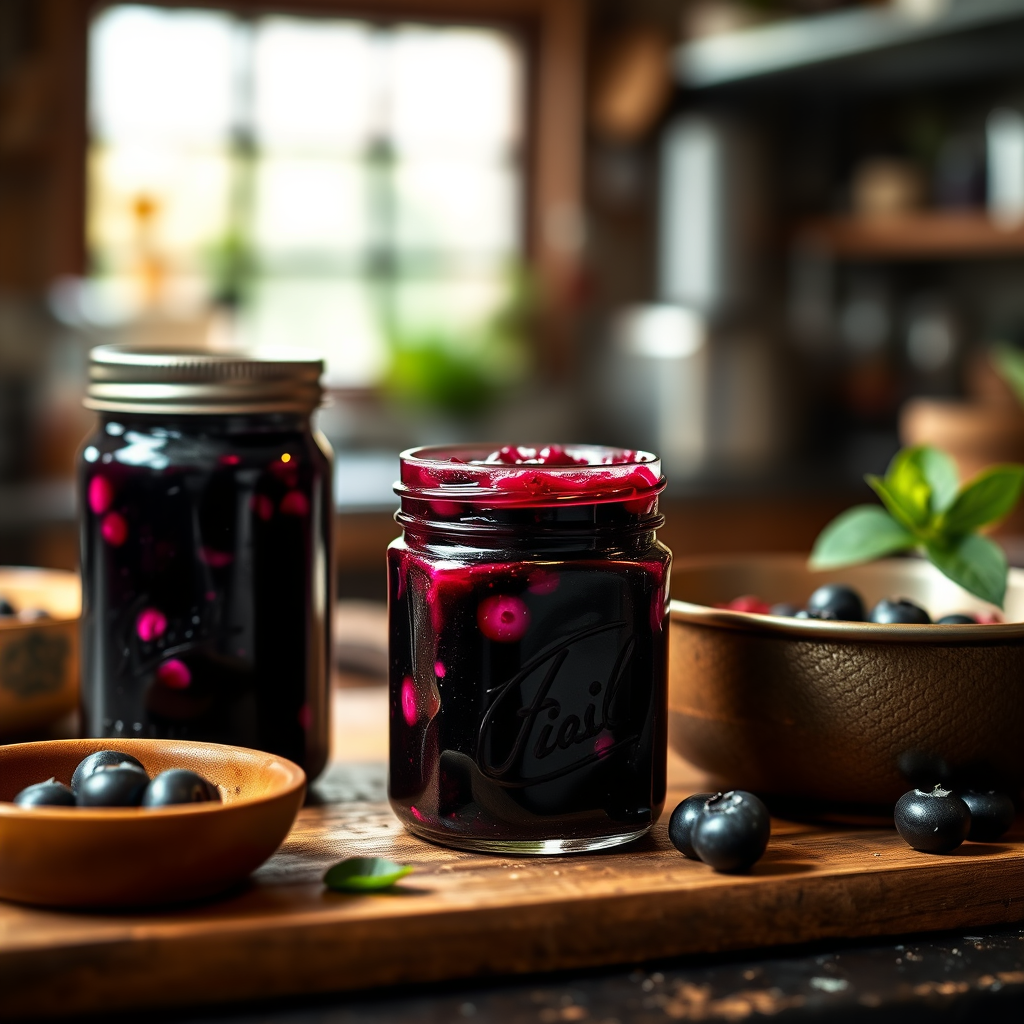
This comprehensive guide offers a clear, step-by-step process for crafting blueberry jam without commercial pectin. Instead, it emphasizes utilizing natural thickening agents like sugar and acidity. You will find precise instructions on the necessary ingredients, tools, and techniques to achieve the ideal blueberry jam. However, it does not include pectin-based recipes or alternative fruit preserves, nor does it discuss canning methods that involve pressure canning or high-acid foods beyond blueberry jam.
Who Should Read This

Designed for home cooks with a basic understanding of essential kitchen techniques—such as boiling, measuring, and using a water bath for canning—this guide is perfect for those who want to create homemade preserves using natural ingredients. It’s especially suitable for individuals seeking to avoid commercial additives like pectin. While beginners may benefit from the instructions, prior experience with fruit preparation and cooking is recommended for optimal results.
The Step-by-Step Protocol
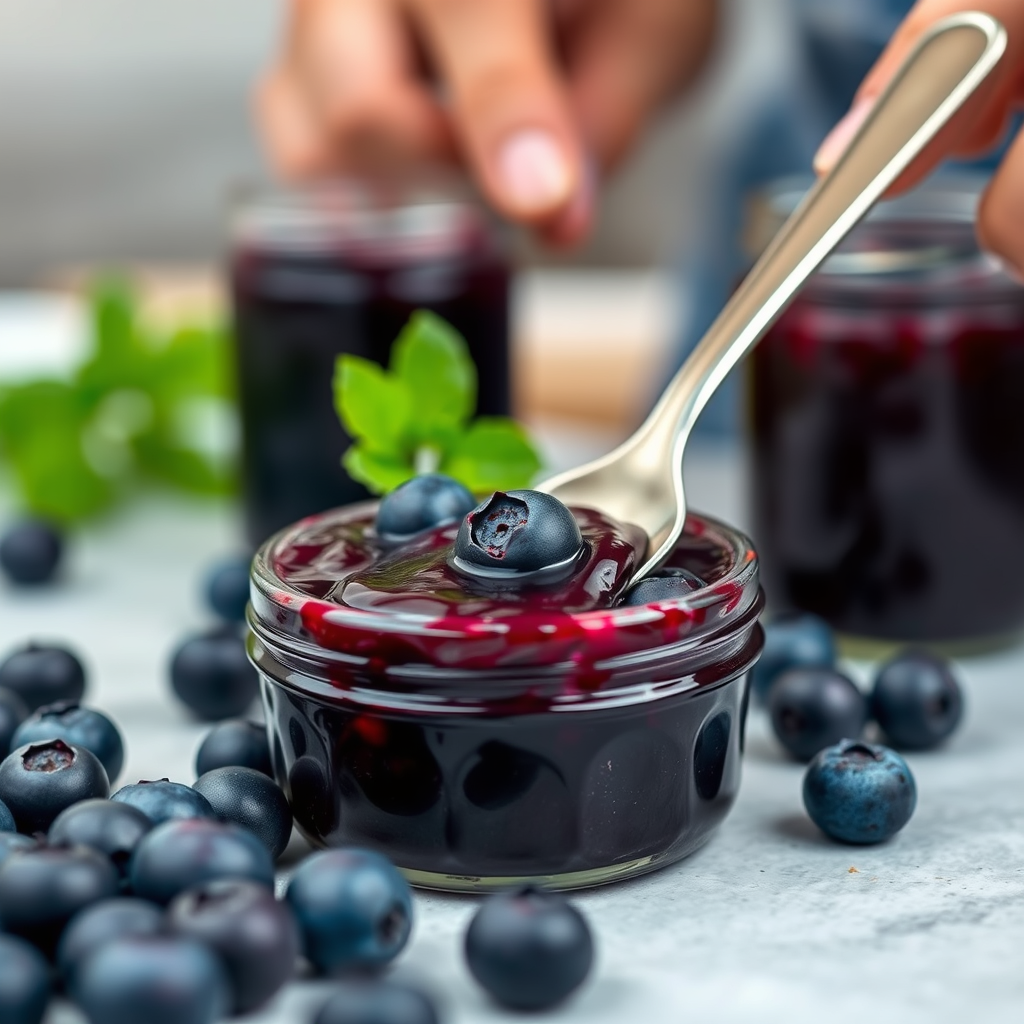
1. Gather Ingredients: Start with 4 cups of fresh blueberries, 1 ½ cups of granulated sugar, and the juice of 1 lemon. Ensure that the blueberries are ripe and free from mold or bruising.
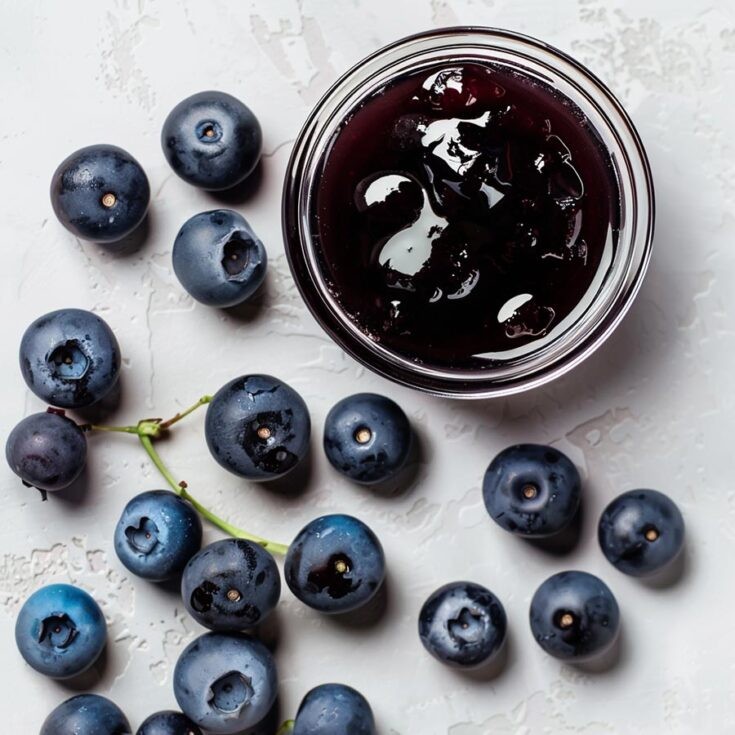
2. Prepare the Blueberries: Rinse the blueberries under cold water, removing any stems and debris. In a large pot, mash half of the blueberries with a potato masher or fork to release their juice, leaving the other half whole for added texture.
3. Combine Ingredients: Add the sugar and lemon juice to the mashed blueberries. Stir well and let the mixture sit for about 30 minutes. This maceration step allows the sugar to dissolve and the flavors to meld, enhancing the overall taste of the jam.
4. Cook the Mixture: Place the blueberry mixture on the stove over medium-high heat. Bring it to a rapid boil, stirring frequently to prevent sticking. Continue boiling for 10-15 minutes until the jam thickens. To check for the gel stage, drop a spoonful of the mixture on a cold plate and tilt it; if it holds its shape, it’s ready.
5. Test for Doneness: If you prefer a firmer texture, you can continue boiling for an additional 2-3 minutes. Just be cautious, as overcooking can lead to a burnt flavor. If you have a candy thermometer, the jam should reach around 220°F (104°C) at sea level.
6. Jar the Jam: Once the desired consistency is achieved, remove the pot from heat. Pour the hot jam into sterilized jars, leaving about ¼ inch of headspace. Wipe the rims of the jars with a clean cloth to remove any residue.
7. Seal and Store: Immediately seal the jars with sterilized lids. If you plan to store the jam long-term, process the jars in a boiling water bath for 10 minutes. Allow the jars to cool at room temperature before storing them in a cool, dark place.
Nutritional Information for Homemade Blueberry Jam (per tablespoon)
| # | Nutrient | Amount | Daily Value % |
|---|---|---|---|
| 1 | Calories | 50 | 2% |
| 2 | Total Fat | 0g | 0% |
| 3 | Sodium | 0mg | 0% |
| 4 | Total Carbohydrates | 13g | 5% |
| 5 | Sugars | 12g | N/A |
| 6 | Protein | 0g | 0% |
| 7 | Vitamin C | 3mg | 5% |
| 8 | Calcium | 1mg | 0% |
| 9 | Iron | 0.1mg | 0% |
| 10 | Potassium | 30mg | 1% |
Warning Signs: When Not to Follow This
Avoid this recipe if your blueberries are overly ripe or beginning to ferment, as this can lead to spoilage or undesirable flavors in the final product. If you’re uncertain about the cleanliness of your kitchen or equipment, don’t proceed; contamination can result in foodborne illnesses. Additionally, if you have health conditions that necessitate strict control over sugar intake, this recipe may not be suitable due to its high sugar content.
The Most Common Mistakes (And Their Consequences)
One frequent error is not adequately mashing the blueberries, which can yield an uneven texture and insufficient juice for thickening. Overlooking the boiling process can lead to scorching, resulting in a burnt flavor that negatively impacts the jam’s quality. Another mistake involves using imprecise amounts of sugar; this can make the jam too runny or excessively sweet, preventing the desired consistency and taste.
Special Cases That Need a Different Approach
If you opt for frozen blueberries, be aware that the cooking time may increase due to the excess moisture released during thawing; adjust your boiling time accordingly. For those with dietary preferences, consider using alternative sweeteners, but be cautious, as this may alter the gel formation and consistency of the jam. If you’re interested in a spiced version, add a pinch of cinnamon or nutmeg during cooking, ensuring these spices enhance rather than overpower the blueberry flavor.
When You Need a Professional
If you notice any signs of spoilage, such as off-smells, mold growth, or unusual textures in your jam, contact a food safety expert immediately. Seek professional advice if you’re unsure about the canning process, especially if you plan to store the jam for an extended period; improper canning can lead to botulism. If you have specific dietary restrictions or health concerns related to high-sugar foods, consult a healthcare provider for tailored guidance.
Sources and Further Reading
For safe canning practices and preserving techniques, refer to the National Center for Home Food Preservation. “The Ball Complete Book of Home Preserving” provides comprehensive recipes and methods tailored to home canning and preserving fruits. Additionally, explore resources from the USDA on fruit preservation and safety standards to ensure your jam-making process adheres to recommended guidelines.
By following this guide, you can create delicious blueberry jam without the need for pectin, resulting in a flavorful treat that captures the essence of fresh blueberries. Enjoy your culinary creation!
Frequently Asked Questions
How do I make blueberry jam without pectin?
To make blueberry jam without pectin, start by crushing fresh blueberries in a large pot using a potato masher. Add sugar (about 1 cup per 4 cups of blueberries) and a splash of lemon juice to enhance the flavor. Cook the mixture over medium heat, stirring frequently until it thickens, usually around 20-30 minutes. To test for doneness, spoon a small amount onto a cold plate; if it holds its shape, your jam is ready for canning.
Why should I make blueberry jam without pectin?
Making blueberry jam without pectin can result in a more natural flavor and texture, as pectin can sometimes create a gel-like consistency that masks the fruit’s taste. Additionally, this method allows you to control the sweetness and avoid added preservatives, making it a healthier choice for homemade preserves.
What are some tips for achieving the right consistency in blueberry jam without pectin?
To achieve the desired consistency for your blueberry jam without pectin, ensure you cook the mixture long enough to evaporate excess water while stirring regularly to prevent burning. Using ripe blueberries can also help, as they naturally contain more pectin. If your jam is still too runny, you can continue cooking it for a few more minutes or add a small amount of lemon juice to help it thicken.
Which blueberries are best for making jam without pectin?
The best blueberries for making jam without pectin are fresh, ripe, and sweet berries, preferably those that are in season. Wild blueberries tend to have a more intense flavor and higher pectin content, making them excellent for jam. If using frozen blueberries, ensure they are fully thawed and drained of excess liquid before cooking to achieve the best results.
How long can I store homemade blueberry jam without pectin?
Homemade blueberry jam without pectin can be stored in sterilized jars and kept in the refrigerator for up to three weeks. If you process the jam in a water bath canner, it can last for up to a year when stored in a cool, dark place. Always check for signs of spoilage, such as mold or off smells, before consuming.
References
- https://www.extension.purdue.edu/extmedia/HE/HE-1-W.pdf
https://www.extension.purdue.edu/extmedia/HE/HE-1-W.pdf - https://www.foodsafety.gov/keep/charts/jam.html
https://www.foodsafety.gov/keep/charts/jam.html - https://www.fda.gov/food/food-labeling-nutrition/food-safety-tips-home-canning
https://www.fda.gov/food/food-labeling-nutrition/food-safety-tips-home-canning - https://www.ncbi.nlm.nih.gov/pmc/articles/PMC5002180/
https://www.ncbi.nlm.nih.gov/pmc/articles/PMC5002180/ - https://www.health.harvard.edu/staying-healthy/how-to-make-jams-and-jellies
https://www.health.harvard.edu/staying-healthy/how-to-make-jams-and-jellies - https://www.jstor.org/stable/10.5325/jfoodpro.74.1.0001
https://www.jstor.org/stable/10.5325/jfoodpro.74.1.0001 - Google Scholar Google Scholar
https://scholar.google.com/scholar?q=recipe+blueberry+jam+no+pectin - Google Scholar Google Scholar
https://scholar.google.com/scholar?q=blueberry+jam+without+pectin - Google Scholar Google Scholar
https://scholar.google.com/scholar?q=making+jam+without+pectin - recipe blueberry jam no pectin – Search results
https://en.wikipedia.org/wiki/Special:Search?search=recipe+blueberry+jam+no+pectin