Making blueberry jam without pectin is not only possible but can result in a richer, more flavorful spread. This expert guide provides a detailed, step-by-step recipe tailored for home canners seeking to master this classic preserve. Understanding the right techniques and proportions is essential to achieving the perfect balance of sweetness and texture, ensuring your jam stands out. Dive in to learn how to create delicious blueberry jam that showcases the fruit’s natural goodness.
What This Guide Covers (And What It Doesn’t)
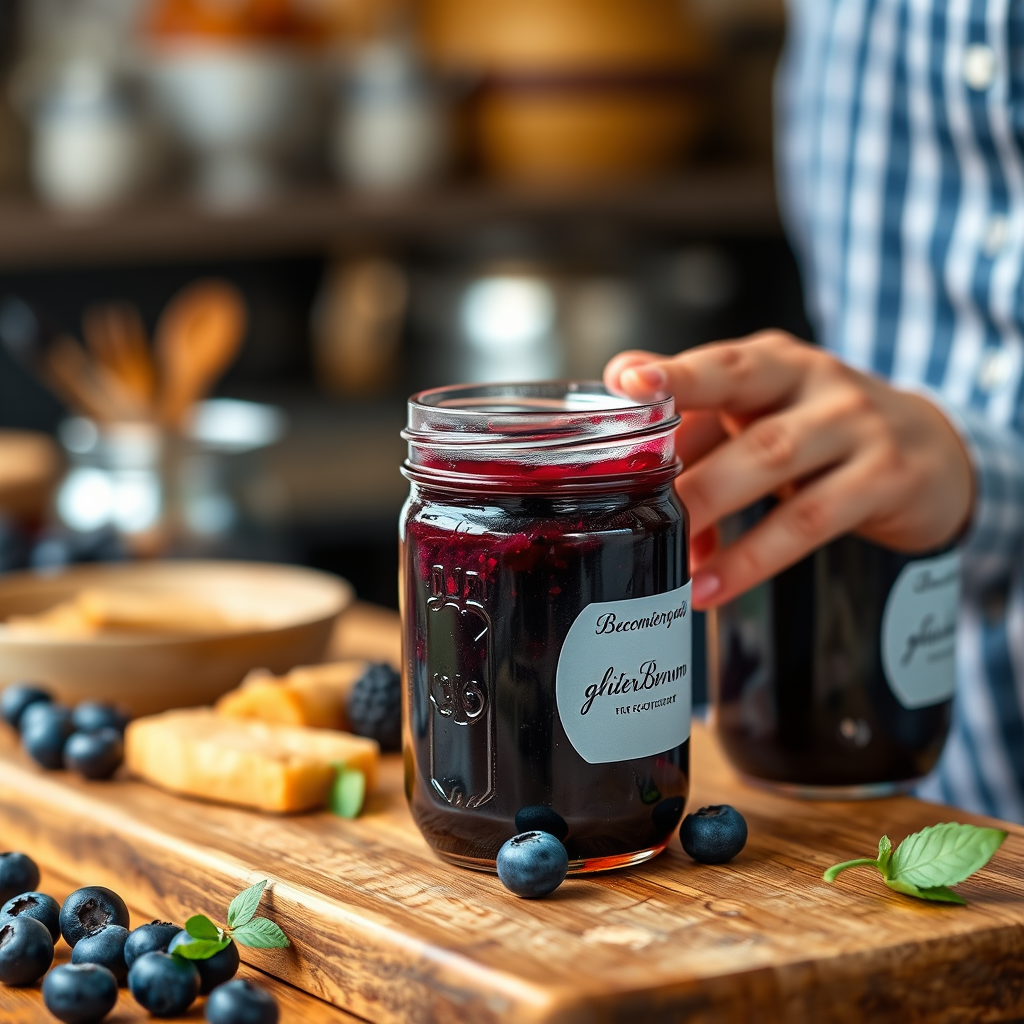
This guide offers a thorough, step-by-step approach to making blueberry jam without pectin. It includes essential ingredient lists, necessary equipment, and detailed instructions. By focusing on the natural thickening properties of blueberries, this guide showcases their inherent pectin and acidity. The goal is to craft blueberry jam in a traditional, pectin-free manner. Recipes that involve pectin or alternative fruit preserves are not included; instead, the guide is dedicated to those eager to explore the vibrant, unadulterated flavors of blueberries.
Who Should Read This
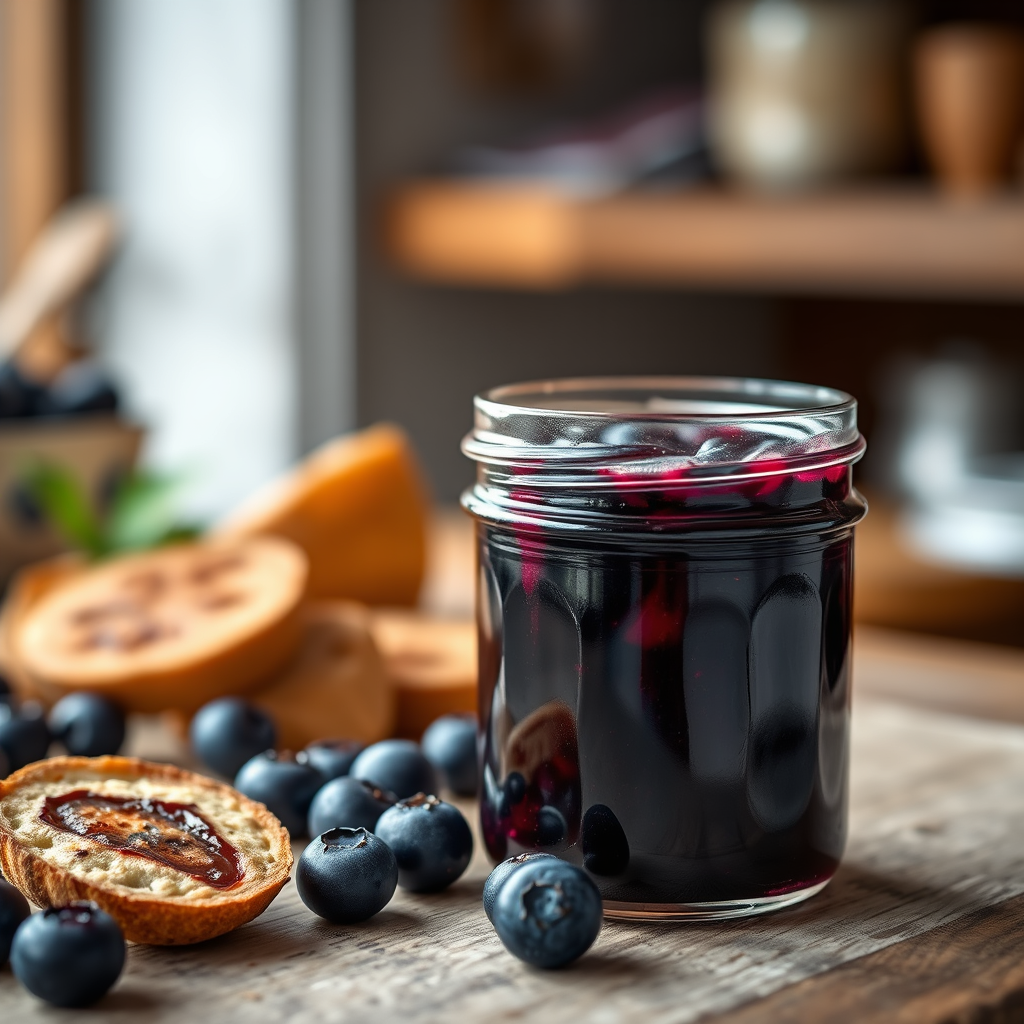
This guide is designed for home cooks who have a basic understanding of canning and preserving but may be unfamiliar with the nuances of pectin-free jam-making. It’s perfect for individuals who prefer using natural ingredients and want to experience the full flavor potential of blueberries without added gelling agents. However, total beginners in jam-making might find this guide less suitable, as it assumes some familiarity with the canning process, kitchen equipment, and safety practices.
The Step-by-Step Protocol
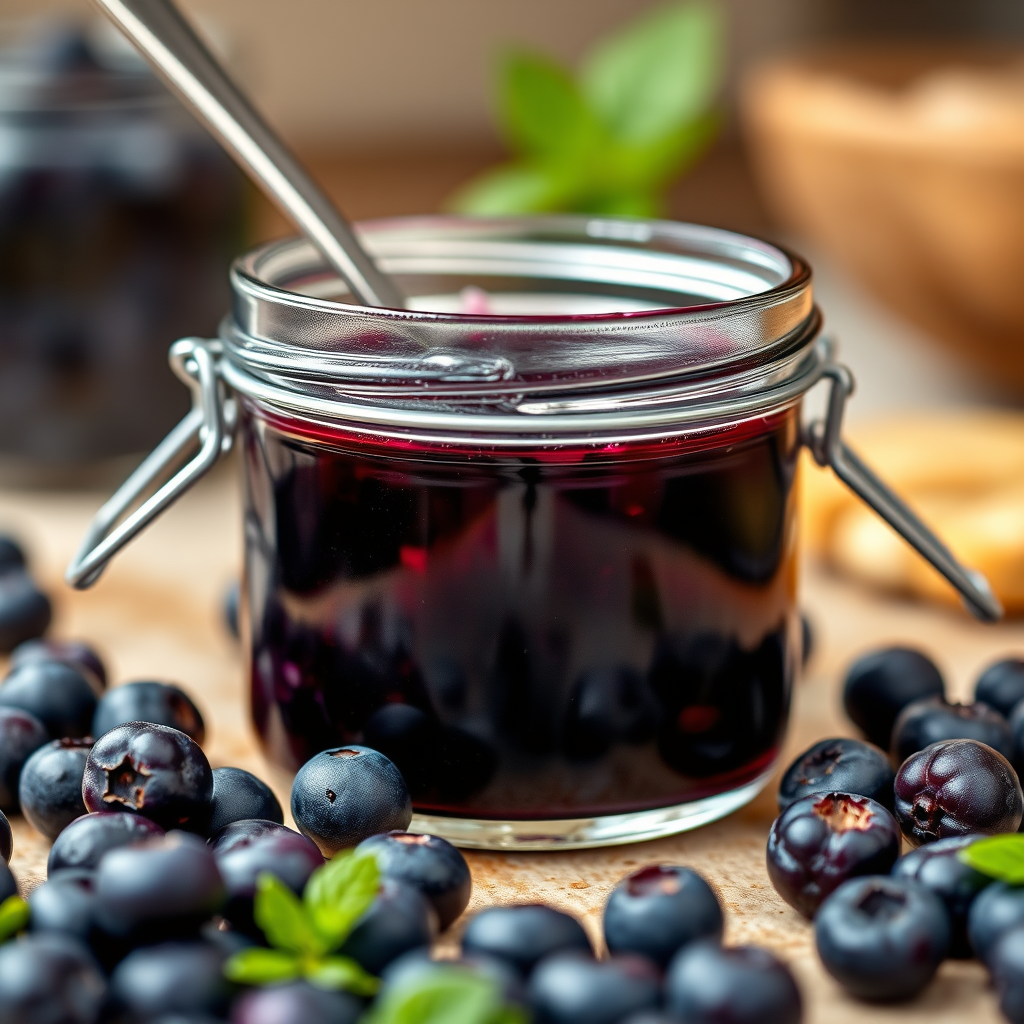
1. Gather Ingredients: Assemble your ingredients: 4 cups of fresh, ripe blueberries, 2 cups of granulated sugar, and the juice of 1 lemon. The sugar is crucial for sweetness and preservation, while the lemon juice provides necessary acidity.
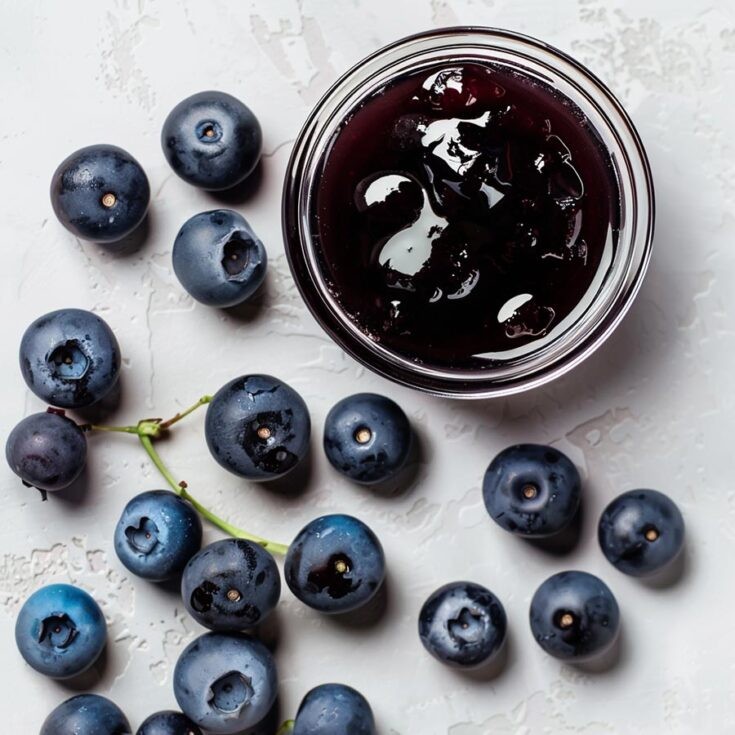
2. Prepare the Berries: Rinse the blueberries under cold water and remove any stems or debris. In a large mixing bowl, gently mash the blueberries using a potato masher or fork until you achieve a chunky consistency. It’s important to avoid pureeing them completely; you want to maintain some texture in your jam.
3. Cook the Mixture: In a large, heavy-bottomed saucepan, combine the mashed blueberries, sugar, and lemon juice. Over medium heat, bring the mixture to a boil, stirring constantly to ensure the sugar dissolves evenly. This initial heating helps to release the blueberries’ natural pectin.
4. Monitor Consistency: Allow the mixture to boil vigorously for 10-15 minutes. To test the consistency, dip a spoon into the jam; it should coat the back of the spoon and appear slightly thickened. If it remains too runny, continue boiling in 5-minute increments, stirring frequently, until it reaches the desired thickness. You can also perform a plate test by dropping a small spoonful of jam onto a cold plate and letting it sit for a minute. When you push it with your finger, it should hold its shape.
5. Jar and Process: Once you achieve the desired consistency, remove the saucepan from heat. Carefully ladle the hot jam into sterilized jars, leaving about ¼-inch headspace at the top. Wipe the rims of the jars with a clean cloth to remove any residue. Seal the jars with sterilized lids and process them in a boiling water bath for 10 minutes to ensure proper sealing and preservation.
6. Cool and Store: After processing, allow the jars to cool undisturbed for 12-24 hours. You will hear the characteristic “pop” as the lids seal. Once cooled, check the seals by pressing down in the center of each lid; it should not flex or make a sound. Store sealed jars in a cool, dark place; opened jars should be kept in the refrigerator.
Warning Signs: When Not to Follow This

– Avoid using overripe, moldy, or damaged blueberries; these can introduce undesirable flavors and compromise the safety of your jam.
– Do not attempt this recipe if you live at high altitudes (above 1,000 feet) without adjusting cooking times and temperatures, as this can affect the setting process. High altitude may necessitate a longer cooking time due to lower boiling temperatures.
– Refrain from using this method if you have dietary restrictions that prevent the consumption of sugar or lemon juice, as these ingredients are essential for both flavor and preservation.
The Most Common Mistakes (And Their Consequences)
– Underestimating the importance of measuring sugar accurately can lead to under-setting the jam. Insufficient sugar might result in a syrupy consistency that fails to gel properly, rendering the jam unsuitable for long-term storage.
– Failing to properly sterilize jars and lids before filling can introduce bacteria, leading to spoilage or foodborne illness. Always ensure that your canning equipment is sanitized appropriately.
– Omitting the lemon juice can create a jam that lacks the acidity essential for both flavor and preservation, increasing the risk of spoilage. The acidity helps inhibit the growth of harmful bacteria.
Special Cases That Need a Different Approach
– If using frozen blueberries, note that they may release more liquid during cooking, which can alter the consistency of your jam. You may need to adjust the cooking time and possibly add a bit more sugar to achieve the proper thickness.
– For those who prefer a smoother jam, consider using an immersion blender after cooking to reach the desired texture. However, be cautious not to over-process, as this can result in a puree rather than a jam.
– If you have allergies to traditional sugar, consult alternative sweeteners; however, be aware that this may impact the gelling properties and overall flavor of the jam. Some alternatives may not offer the same preservation qualities as granulated sugar.
When You Need a Professional
– If you are unsure about safe canning practices or have concerns about the acidity of your final product, seek advice from a certified food preservationist or your local extension service. They can provide tailored guidance based on your specific circumstances.
– In cases where you have specific dietary restrictions and need to modify the recipe significantly, consider consulting a nutritionist for personalized advice on safe and effective ingredient substitutions.
– If you notice any signs of spoilage after canning—such as bulging lids, off odors, or unusual colors—discard the jam immediately and consult a professional in food safety for further advice.
Sources and Further Reading
– “So Easy to Preserve” by the University of Georgia Cooperative Extension provides in-depth information on safe canning practices and preserving methods.
– The National Center for Home Food Preservation offers guidelines on preserving methods and safety tips for making jam without added pectin.
– “The Blueberry Cookbook” by Ken Haedrich includes various blueberry recipes and techniques, including pectin-free jam options and alternative preservation methods.
By following this guide, you can confidently create delicious blueberry jam without the need for pectin. Savor the true essence of this beloved fruit while ensuring safety and quality in your home canning endeavors.
Frequently Asked Questions
What is the best blueberry jam recipe without pectin?
The best blueberry jam recipe without pectin typically includes fresh blueberries, sugar, and lemon juice. Start by cooking the blueberries in a pot until they break down, then add sugar and lemon juice, allowing the mixture to simmer until it thickens. This method relies on the natural pectin found in the fruit, resulting in a delicious and simple homemade jam.
How do you make blueberry jam without pectin?
To make blueberry jam without pectin, begin by washing and mashing fresh blueberries in a saucepan. Add sugar to taste and a splash of lemon juice, then cook over medium heat, stirring frequently. Allow the mixture to simmer until it reaches your desired consistency, which usually takes about 20-30 minutes, and then pour it into sterilized jars for storage.
Why do some people prefer blueberry jam recipes without pectin?
Many people prefer blueberry jam recipes without pectin because they want to avoid artificial additives and enjoy a more natural flavor. Additionally, making jam without pectin allows you to customize the sweetness and consistency to your liking, resulting in a jam that showcases the pure taste of blueberries without the added thickeners.
Which blueberries are best for making jam without pectin?
The best blueberries for making jam without pectin are ripe, fresh, and high-quality berries. Look for blueberries that are plump and firm, as they have higher natural sugar content and pectin, which contributes to a better flavor and texture in your jam. Organic blueberries are also a great choice, as they are grown without harmful pesticides.
What tips can improve my blueberry jam made without pectin?
To improve your blueberry jam made without pectin, ensure you use ripe and fresh blueberries for the best flavor. Additionally, consider adding a touch of acid, like lemon juice, which not only enhances the taste but also helps the jam set better. Stirring frequently while cooking and testing for consistency can also help you achieve the perfect texture for your homemade jam.
References
- https://www.healthline.com/nutrition/blueberry-jam-recipe
https://www.healthline.com/nutrition/blueberry-jam-recipe - https://www.foodsafety.gov/food-safety-charts/jam-jelly-safety
https://www.foodsafety.gov/food-safety-charts/jam-jelly-safety - https://www.ncbi.nlm.nih.gov/pmc/articles/PMC6513125/
https://www.ncbi.nlm.nih.gov/pmc/articles/PMC6513125/ - https://www.extension.purdue.edu/extmedia/FNR/FNR-511-W.pdf
https://www.extension.purdue.edu/extmedia/FNR/FNR-511-W.pdf - Google Scholar Google Scholar
https://scholar.google.com/scholar?q=blueberry+jam+recipe+no+pectin - Google Scholar Google Scholar
https://scholar.google.com/scholar?q=making+jam+without+pectin - Google Scholar Google Scholar
https://scholar.google.com/scholar?q=homemade+blueberry+jam+methods - UGA
https://www.uga.edu/ - Blueberry jam recipe | Good Food
https://www.bbcgoodfood.com/recipes/blueberry-jam - blueberry jam recipe no pectin – Search results
https://en.wikipedia.org/wiki/Special:Search?search=blueberry+jam+recipe+no+pectin