Making blueberry jam with pectin safely is a rewarding endeavor that requires precision and knowledge of food preservation techniques. This expert guide covers everything from selecting the best blueberries to mastering the pectin process, ensuring your jam is both delicious and safe to enjoy. Following proper protocols is crucial to prevent spoilage and guarantee a successful batch every time. Dive in to transform fresh blueberries into a delectable jam while adhering to best practices in food safety.
What This Guide Covers (And What It Doesn’t)
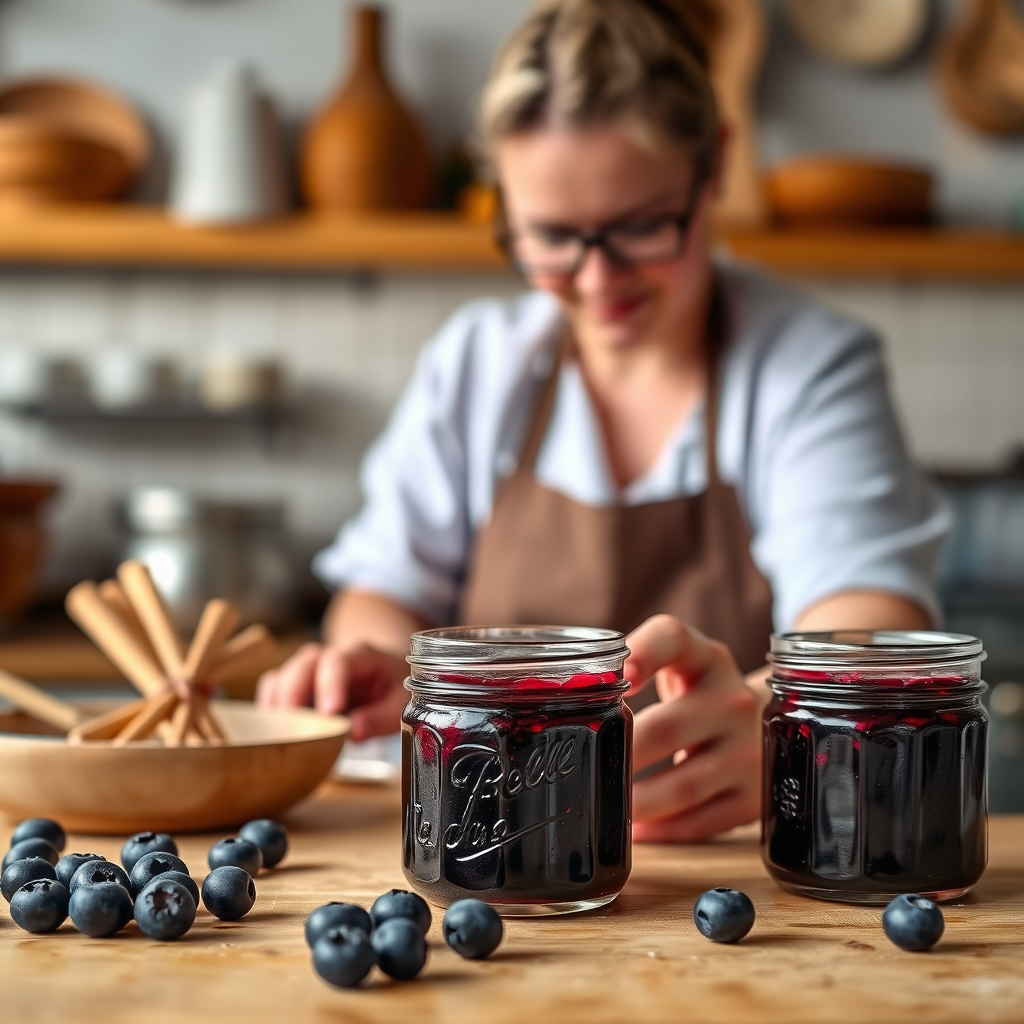
This guide provides a comprehensive blueprint for making blueberry jam with pectin, detailing ingredient measurements, necessary equipment, and essential safety precautions. It focuses on traditional canning methods that utilize pectin, ensuring proper gel formation, shelf stability, and protection against spoilage. However, this guide does not include recipes for alternative jam-making methods, such as low-sugar or freezer jam techniques, as it strictly adheres to the pectin-based process. The content is tailored for home canners looking to enhance their food preservation skills and does not delve into commercial canning practices or advanced food science.
Who Should Read This
This guide is intended for novice to intermediate home cooks who possess basic kitchen skills and have a foundational understanding of food preservation concepts. Individuals eager to learn the specific process of making blueberry jam with pectin—including first-time canners or those unfamiliar with pectin—will find this guide particularly beneficial. It is not designed for experienced canners who may already have established methods or those seeking advanced techniques that do not involve pectin. Readers should have access to fresh blueberries, pectin, and canning supplies, along with a commitment to adhere to food safety guidelines throughout the jam-making process.
The Step-by-Step Protocol
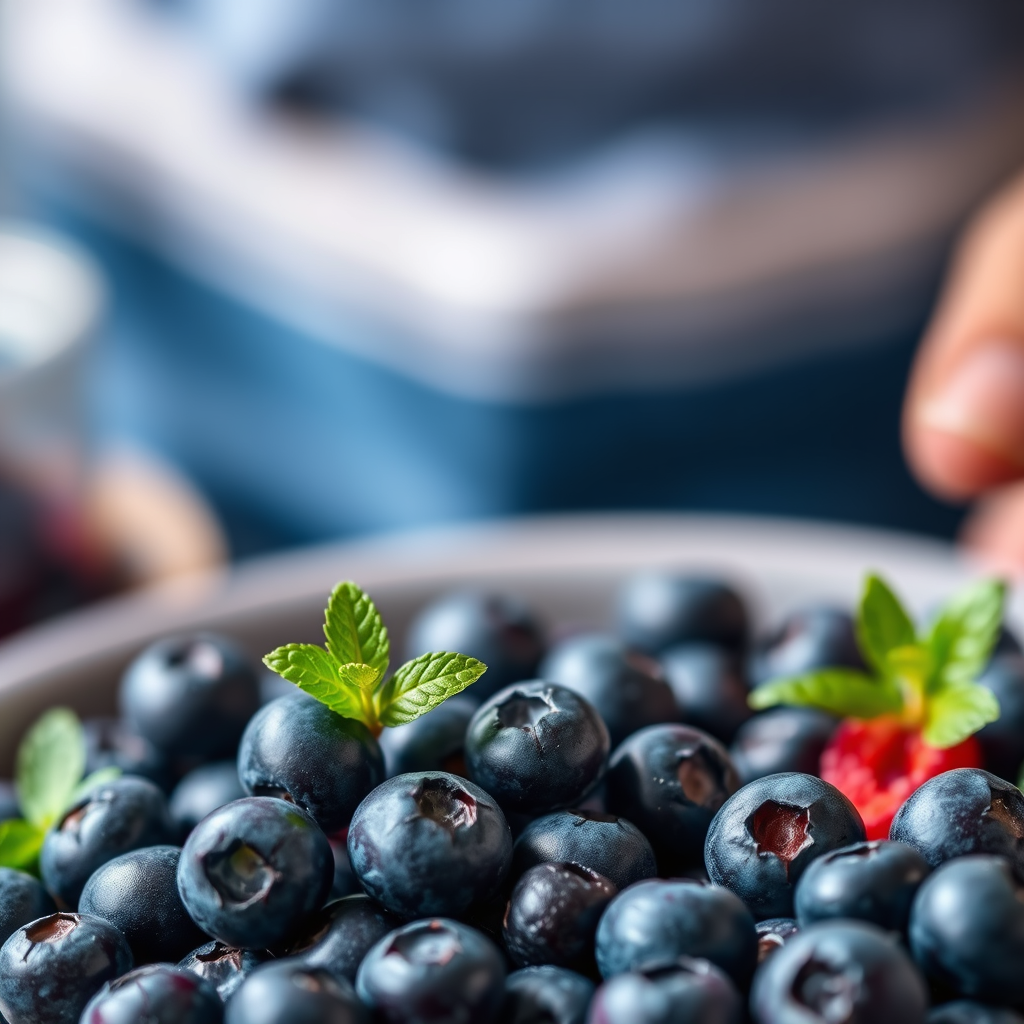
1. Gather Ingredients: Measure out 4 cups of fresh blueberries, 1 cup of granulated sugar, and 1 package (1.75 oz) of regular pectin. Ensure that the blueberries are fully ripe but not overripe to achieve the best flavor and texture.
2. Prepare Jars: Sterilize 5 half-pint jars by placing them in boiling water for 10 minutes. After sterilization, let them air dry on a clean towel. This step is crucial for preventing contamination.
3. Cook the Blueberries: In a large saucepan, crush the blueberries with a potato masher. Aim for a mix of mashed and whole berries to enhance texture. Once crushed, add the pectin and bring the mixture to a rolling boil over medium-high heat. Stir continuously to prevent sticking.
4. Add Sugar and Boil: Once the mixture reaches a rolling boil, add the sugar all at once while stirring constantly. It is vital to return to a rolling boil for exactly 1 minute. This timing is critical for activating the pectin properly and achieving the desired gel consistency. Remove from heat after the minute is complete.
5. Fill Jars: Carefully pour the hot jam into the prepared jars, leaving a 1/4-inch headspace at the top. Wipe the rims of the jars clean with a damp cloth to ensure a proper seal before placing the lids on.
6. Process Jars: Process the jars in a boiling water bath for 10 minutes, ensuring the water covers the jars by at least an inch. This step is essential for eliminating bacteria and ensuring shelf stability. After processing, remove the jars and allow them to cool completely on a clean towel or cooling rack.
Warning Signs: When Not to Follow This
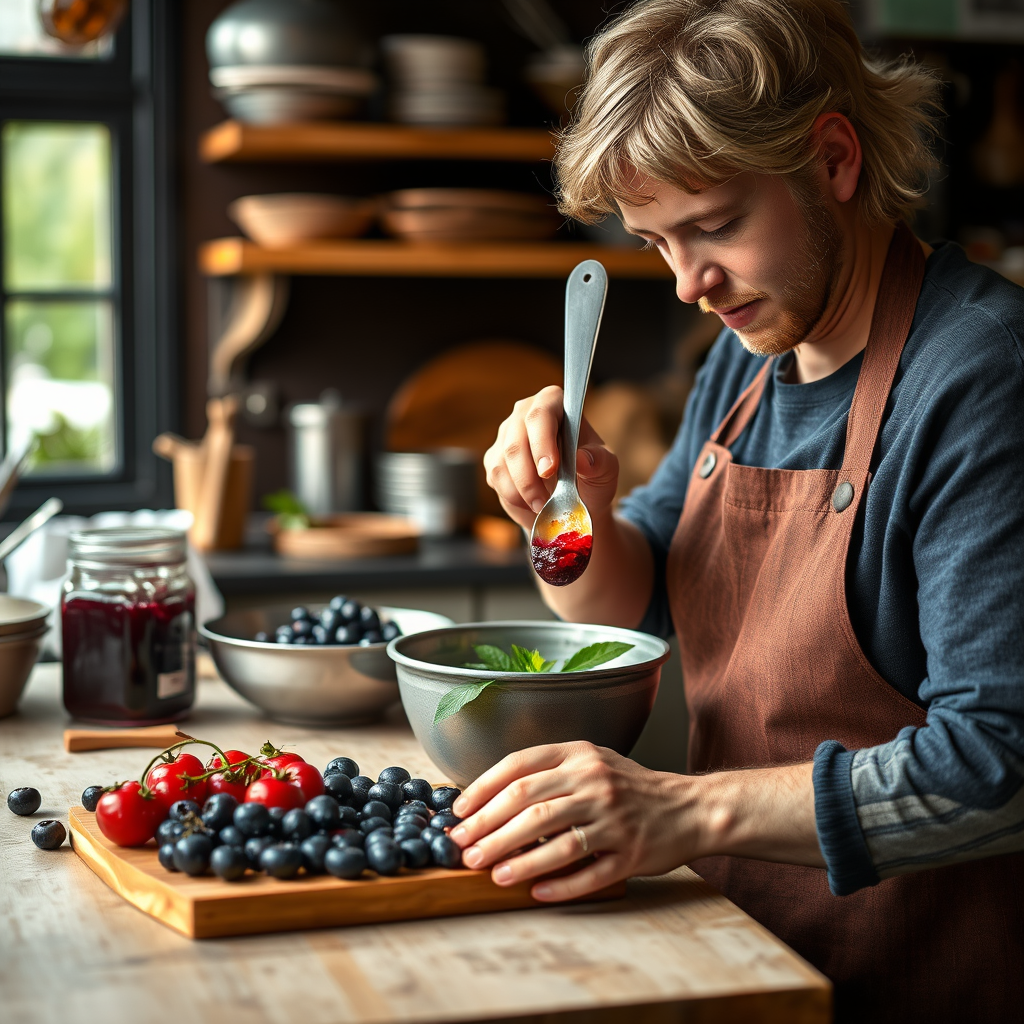
Do not follow this protocol if:
– You have overripe or moldy blueberries. Using compromised fruit can lead to spoilage and health risks.
– You lack the proper canning equipment, such as a water bath canner and sterilized jars. Inadequate equipment can compromise preservation safety.
– You are uncertain about the effectiveness of your pectin due to age or improper storage. Using old or improperly stored pectin may result in a failed gel, compromising the jam’s integrity.
– Kitchen hygiene is not maintained. Failing to wash hands or using unclean equipment increases the risk of contamination, which can lead to foodborne illnesses.
The Most Common Mistakes (And Their Consequences)
– Inaccurate Sugar Measurement: A frequent error is not measuring the sugar accurately. Using less sugar than specified can prevent the jam from setting properly due to inadequate pectin activation, resulting in a runny consistency.
– Skipping Boiling Water Bath Processing: Not processing the jars in a boiling water bath can lead to spoilage. This step is necessary to eliminate bacteria and ensure the long-term safety of the jam.
– Insufficiently Crushing Blueberries: Not crushing the blueberries sufficiently can yield a jam that is too chunky, failing to achieve the desired consistency. Proper crushing allows for better integration of pectin and sugar.
– Ignoring Headspace Recommendations: Failing to adhere to headspace guidelines can cause jars to seal improperly, leading to spoilage or overflow during processing, which results in wasted ingredients and time.
Special Cases That Need a Different Approach
– Using Frozen Blueberries: If you are using frozen blueberries instead of fresh, ensure they are thawed and drained to prevent excess moisture. Adjust the pectin quantity if necessary to accommodate the additional liquid.
– High Altitude Adjustments: For those living at elevations above 1,000 feet, increase the processing time to 15 minutes to ensure proper sealing and safety. This adjustment is necessary due to the lower boiling point of water at higher altitudes.
– Reduced-Sugar Versions: If you prefer a reduced-sugar version, consult the pectin package for specific low-sugar instructions, as this requires different ratios of fruit, sugar, and pectin. Not adhering to these guidelines can result in a jam that doesn’t set properly.
– Dietary Restrictions: In cases of dietary restrictions, consider using low-sugar pectin alternatives. However, be aware that this may alter the final texture and taste of the jam, potentially leading to a less desirable product.
When You Need a Professional
– If you experience a failed jam, such as one that does not set after following the protocol, seek guidance from a food preservation expert or your local extension office. They can provide troubleshooting tips and solutions.
– Consult a licensed food safety professional if you are unsure about the safety of any ingredients or your canning methods, particularly if you are new to preserving. This ensures that your practices align with current safety standards.
– If you observe any signs of spoilage, such as bulging lids, off smells, or unusual colors, do not consume the jam. Consult a professional for safe disposal methods and further guidance on preventing future issues.
– When experimenting with substitutions or non-standard ingredients, it is advisable to reach out to a food scientist or preservation expert. This ensures safety and effectiveness in your preservation efforts.
Sources and Further Reading
– USDA Complete Guide to Home Canning: This resource offers safe canning practices and specific blueberry jam recipes.
– Ball Canning Book for Beginners: A practical guide that includes step-by-step instructions and troubleshooting tips for pectin-based jams.
– National Center for Home Food Preservation: An authoritative source for canning guidelines, safety recommendations, and preservation techniques.
– Pectin Manufacturer’s Guidelines: Specific instructions and tips for using different types of pectin effectively in jam-making.
By closely following these guidelines, you can confidently create delicious blueberry jam with pectin, ensuring that it is safe, stable, and enjoyable for all to savor.
Frequently Asked Questions
What ingredients do I need for a blueberry jam recipe with pectin?
To make blueberry jam with pectin, you will need fresh or frozen blueberries, granulated sugar, pectin (either powdered or liquid), and lemon juice. These ingredients work together to create a sweet and tangy jam that sets properly, thanks to the pectin’s gelling properties.
How do I make blueberry jam with pectin step by step?
Start by washing and crushing the blueberries in a large pot. Then, mix in the sugar and lemon juice, and let it sit for about 10 minutes. Next, add the pectin according to package instructions, bring the mixture to a boil, and cook for a few minutes until it thickens. Finally, pour the hot jam into sterilized jars and seal them, following proper canning procedures.
Why is pectin important in making blueberry jam?
Pectin is a natural thickening agent that helps blueberry jam achieve the desired gel-like consistency. Without pectin, the jam may remain runny and not set properly, leading to a less enjoyable texture. Using pectin ensures that your jam has a perfect spreadable consistency while also enhancing the fruit’s flavor.
What is the best type of pectin to use for blueberry jam?
The best type of pectin for blueberry jam often depends on personal preference, but both powdered and liquid pectin can yield excellent results. Powdered pectin is typically preferred for its quick setting properties, while liquid pectin may offer a more flexible cooking process. Always follow the instructions on the packaging to ensure the best outcome.
Which tips can help me achieve a perfect blueberry jam with pectin?
To achieve perfect blueberry jam, make sure to measure your ingredients accurately and use ripe blueberries for the best flavor. It’s also crucial to boil the mixture at a rolling boil for the recommended time to activate the pectin fully. Lastly, perform a gel test by placing a spoonful of the jam on a cold plate to check if it has set to your liking before canning.
References
- Fruit preserves
https://en.wikipedia.org/wiki/Jam - https://www.uga.edu/extension/publications/blueberry_jam_recipe.pdf
https://www.uga.edu/extension/publications/blueberry_jam_recipe.pdf - https://nchfp.uga.edu/how/can6_jam.html
https://nchfp.uga.edu/how/can6_jam.html - https://www.fs.usda.gov/treesearch/pubs/43910
https://www.fs.usda.gov/treesearch/pubs/43910 - https://www.extension.purdue.edu/extmedia/FNR/FNR-619-W.pdf
https://www.extension.purdue.edu/extmedia/FNR/FNR-619-W.pdf - https://www.mayoclinic.org/diseases-conditions/diabetes/in-depth/healthy-eating/art-20044574
https://www.mayoclinic.org/diseases-conditions/diabetes/in-depth/healthy-eating/art-20044574 - https://www.ncbi.nlm.nih.gov/pmc/articles/PMC3945101/
https://www.ncbi.nlm.nih.gov/pmc/articles/PMC3945101/ - Google Scholar Google Scholar
https://scholar.google.com/scholar?q=blueberry+jam+recipe+with+pectin - Google Scholar Google Scholar
https://scholar.google.com/scholar?q=pectin+jam+recipes - Google Scholar Google Scholar
https://scholar.google.com/scholar?q=blueberry+jam+health+benefits