Making blackberry jam without pectin is a rewarding process that allows you to preserve the rich flavors of summer. This expert guide provides precise recipes and essential safety protocols to ensure your jam turns out perfectly every time. Understanding the importance of proper techniques is crucial for both taste and food safety, making this resource invaluable for home canners and cooking enthusiasts alike.
What This Guide Covers (And What It Doesn’t)

This guide provides detailed, step-by-step instructions for crafting blackberry jam without pectin, focusing on harnessing the natural sugars and acidity found in fruit to achieve the perfect consistency. You’ll discover the advantages of using fresh blackberries, including their rich flavor and appealing texture, alongside tips for selecting ripe fruit to elevate your jam-making experience. However, this guide does not delve into pectin-based recipes, commercial blackberry jam production, or advanced canning techniques beyond the scope of home kitchen methods.
Who Should Read This

Designed for home cooks with a foundational understanding of kitchen safety and food preservation, this guide invites those eager to explore natural jam-making methods. It caters to individuals looking to minimize added sugars and preservatives in their preserves, as well as those who prefer a hands-on approach to food preparation. While beginners will find the straightforward instructions beneficial, experienced canners may consider the content too basic for their advanced needs.
The Step-by-Step Protocol

1. Gather Ingredients: Collect 4 cups of fresh blackberries, 2 cups of organic sugar, and 1/4 cup of freshly squeezed lemon juice.
2. Prepare the Blackberries: Rinse the blackberries under cool water, remove any stems, and gently mash them in a large saucepan using a fork or potato masher.
3. Combine Ingredients: Add the sugar and lemon juice to the mashed blackberries, stirring well to dissolve the sugar completely. Let sit for 10 minutes to allow the berries to release their juices.
4. Cook the Mixture: Place the saucepan over medium heat, bringing the mixture to a gentle boil. Stir continuously for 15-20 minutes until it thickens to your desired consistency, typically reaching 220°F (104°C) on a candy thermometer.
5. Test the Jam: To ensure the jam has set, place a spoonful on a chilled plate and run your finger through it; if it holds its shape, it’s ready for canning.
6. Canning Process: Pour the hot jam into sterilized jars, leaving 1/4 inch of headspace. Seal with lids and process in a boiling water bath for 10 minutes to ensure safety and longevity.
Top 7 Blackberry Varieties for Jam Making
| # | Blackberry Variety | Flavor Profile | Best Use | Ripeness Indicator |
|---|---|---|---|---|
| 1 | Thornless Blackberries | Sweet and tart | Jams and desserts | Dark purple, plump |
| 2 | Boysenberries | Rich, sweet | Jams and sauces | Soft, deep color |
| 3 | Marionberries | Complex, sweet | Jams and baking | Firm, shiny |
| 4 | Dewberries | Sweet, slightly tart | Jams and syrups | Ripe, soft |
| 5 | Black Satin Blackberries | Sweet, juicy | Jams and preserves | Dark purple, plump |
| 6 | Triple Crown Blackberries | Sweet, full | Jams and desserts | Dark, shiny |
| 7 | Navaho Blackberries | Sweet, aromatic | Jams and baking | Firm, dark |
Warning Signs: When Not to Follow This
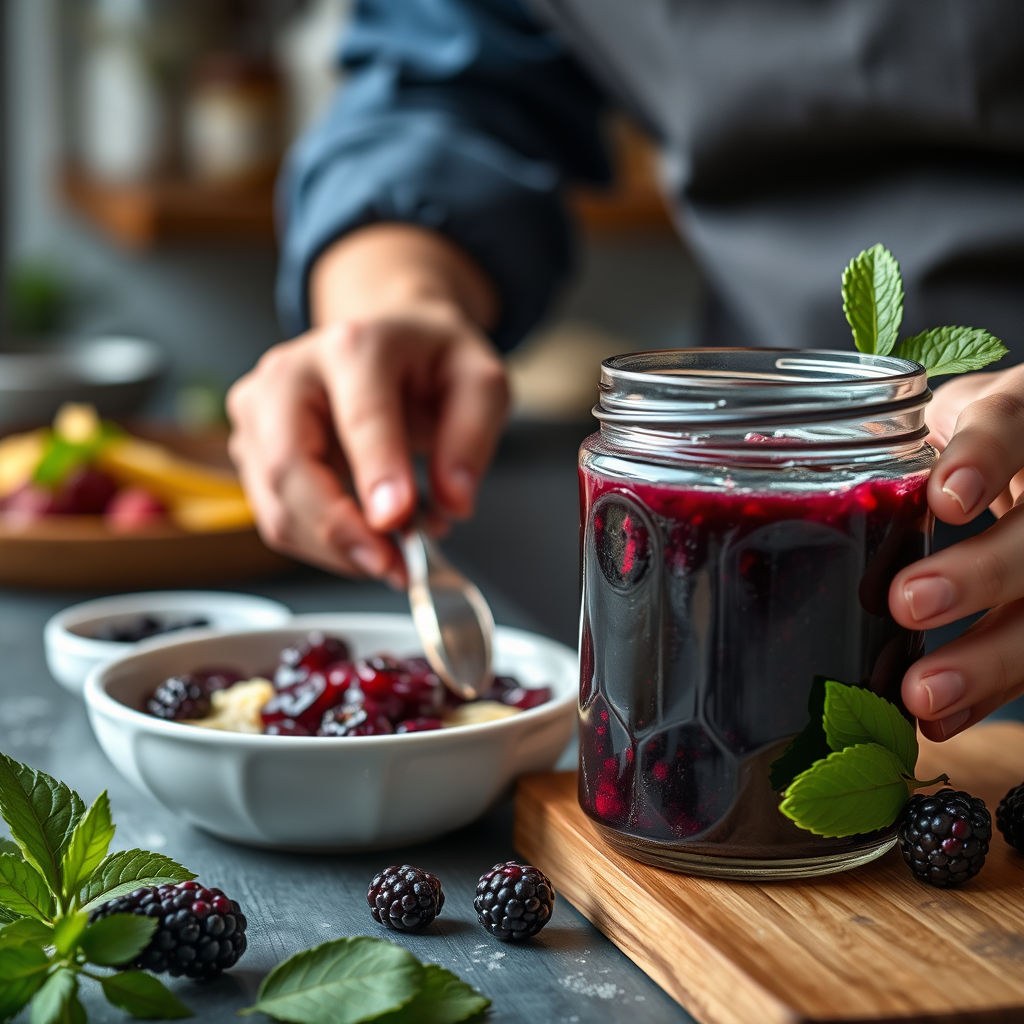
Avoid making this blackberry jam recipe if the blackberries show signs of mold, over-ripeness, or significant bruising, as these factors can compromise the quality and safety of your jam. Additionally, if the ambient temperature is below 50°F (10°C) or above 90°F (32°C), refrain from attempting to make jam, as these conditions may hinder the setting process and increase the risk of spoilage. If you have a history of food allergies related to berries or sugar, consult a healthcare professional before making or consuming homemade jam.
The Most Common Mistakes (And Their Consequences)
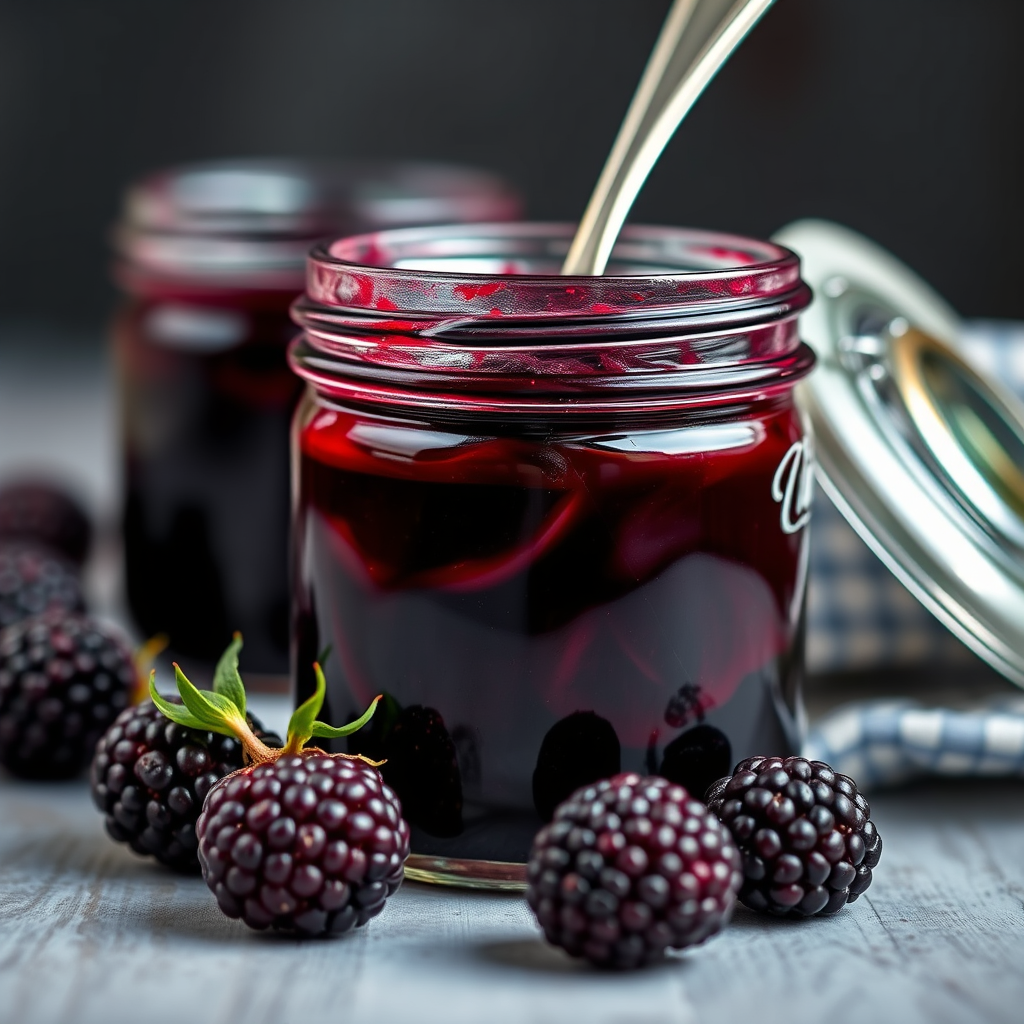
Many cooks underestimate the significance of using ripe blackberries; unripe fruit can yield a jam lacking in sweetness and flavor, leading to a disappointing result. Inaccurate sugar measurements can also jeopardize the jam’s success; too little sugar might result in a runny consistency, while too much could render it overly sweet. Furthermore, neglecting the boiling water bath can jeopardize preservation; without proper sealing, your jam may spoil rapidly or harbor harmful bacteria.
Special Cases That Need a Different Approach
For those seeking a lower sugar option, consider using 3 cups of blackberries and 1 cup of sugar, adjusting the cooking time to achieve the right consistency without pectin. If you have dietary restrictions, you might substitute sugar with honey or maple syrup, but be aware that this may change the flavor and consistency of the final jam. When using frozen blackberries, thaw them and drain excess liquid before starting the recipe, as frozen berries tend to have a higher water content than fresh ones.
When You Need a Professional
If you have questions about safe canning practices, particularly as a newcomer to food preservation, consult a licensed food preservation specialist. Should you encounter any spoilage, such as mold or off-smells in your jam after processing, seek advice from a food safety expert before consuming or attempting to salvage the product. For large-scale jam production (beyond 10 jars), consider collaborating with a certified kitchen or food scientist to ensure adherence to safety and quality standards.
Sources and Further Reading
– National Center for Home Food Preservation: Offers guidelines on safe canning practices and methods specific to jam and jelly making.
– Ball Canning Guide: A comprehensive resource on home canning techniques, recipes, and safety tips for preserving fruits.
– “The Complete Book of Home Canning” by the USDA: Provides in-depth knowledge on home canning methods, including pectin-free recipes and safety protocols.
Frequently Asked Questions
What are the best ingredients for making blackberry jam without pectin?
The best ingredients for making blackberry jam without pectin include fresh or frozen blackberries, sugar, and lemon juice. The natural pectin in blackberries combined with the acidity from lemon juice helps the jam to set. Using ripe, high-quality berries will enhance the flavor and ensure a successful jam-making process.
How do I make blackberry jam without pectin step by step?
To make blackberry jam without pectin, start by washing 4 cups of blackberries and mashing them in a pot. Add 1 to 2 cups of sugar (depending on your sweetness preference) and the juice of one lemon. Cook the mixture over medium heat, stirring frequently, until it reaches a thick, jam-like consistency, typically around 20-30 minutes, then pour it into sterilized jars for storage.
Why is pectin sometimes avoided in blackberry jam recipes?
Pectin is often avoided in blackberry jam recipes for several reasons, including a desire for a more natural product, sensitivity to pectin, or simply to create a jam that is less sweet. Many home cooks prefer the rich, pure flavor of fruit-based jams that do not rely on added pectin. Additionally, using natural methods can appeal to those interested in traditional cooking techniques.
What should I do if my blackberry jam doesn’t set properly?
If your blackberry jam doesn’t set properly, it may be due to insufficient cooking time or not enough natural pectin in the fruit. You can return the jam to the stove, bring it to a boil, and cook it for an additional 10-15 minutes, stirring frequently. If it still doesn’t set, consider adding a little more lemon juice or simmering longer to help thicken it.
Which types of blackberries are best for making jam without pectin?
The best types of blackberries for making jam without pectin are ripe, juicy berries such as Marionberries or Boysenberries, known for their high natural pectin levels. Look for berries with a deep color and firm texture, as these will yield the best flavor and consistency. Avoid overripe or mushy berries, as they can result in a less desirable jam quality.
References
- Fruit preserves
https://en.wikipedia.org/wiki/Jam - https://www.uga.edu/extension/food-safety/food-preservation/jams-and-jellies
https://www.uga.edu/extension/food-safety/food-preservation/jams-and-jellies - https://www.fs.usda.gov/Internet/FSE_DOCUMENTS/stelprdb5341682.pdf
https://www.fs.usda.gov/Internet/FSE_DOCUMENTS/stelprdb5341682.pdf - https://www.ncbi.nlm.nih.gov/pmc/articles/PMC7045130/
https://www.ncbi.nlm.nih.gov/pmc/articles/PMC7045130/ - https://www.sciencedirect.com/topics/agricultural-and-biological-sciences/jam
https://www.sciencedirect.com/topics/agricultural-and-biological-sciences/jam - https://www.nationalparkservice.gov/articles/blackberry-jam-recipe
https://www.nationalparkservice.gov/articles/blackberry-jam-recipe - Google Scholar Google Scholar
https://scholar.google.com/scholar?q=blackberry+jam+recipes+no+pectin - Google Scholar Google Scholar
https://scholar.google.com/scholar?q=making+jams+without+pectin - Google Scholar Google Scholar
https://scholar.google.com/scholar?q=blackberry+preservation+methods - https://www.foodsafety.gov/food-safety-charts/jams-and-jellies
https://www.foodsafety.gov/food-safety-charts/jams-and-jellies