Master the art of making blackberry jam with pectin by following this expert guide, designed for both novice and seasoned cooks. This comprehensive resource covers essential techniques, ingredient ratios, and safety protocols to ensure your homemade jam is delicious and shelf-stable. Adhering to these guidelines not only enhances flavor but also guarantees food safety, making your culinary efforts worthwhile.
What This Guide Covers (And What It Doesn’t)

This guide delivers a thorough, step-by-step protocol for crafting blackberry jam with pectin, prioritizing both safety and quality. It details the essential ingredients, equipment, and techniques required to achieve the ideal consistency and flavor, specifically emphasizing the use of commercial pectin. However, it does not delve into alternative jam-making methods without pectin or recipes featuring other fruits. The focus remains exclusively on blackberry jam with pectin.
Who Should Read This
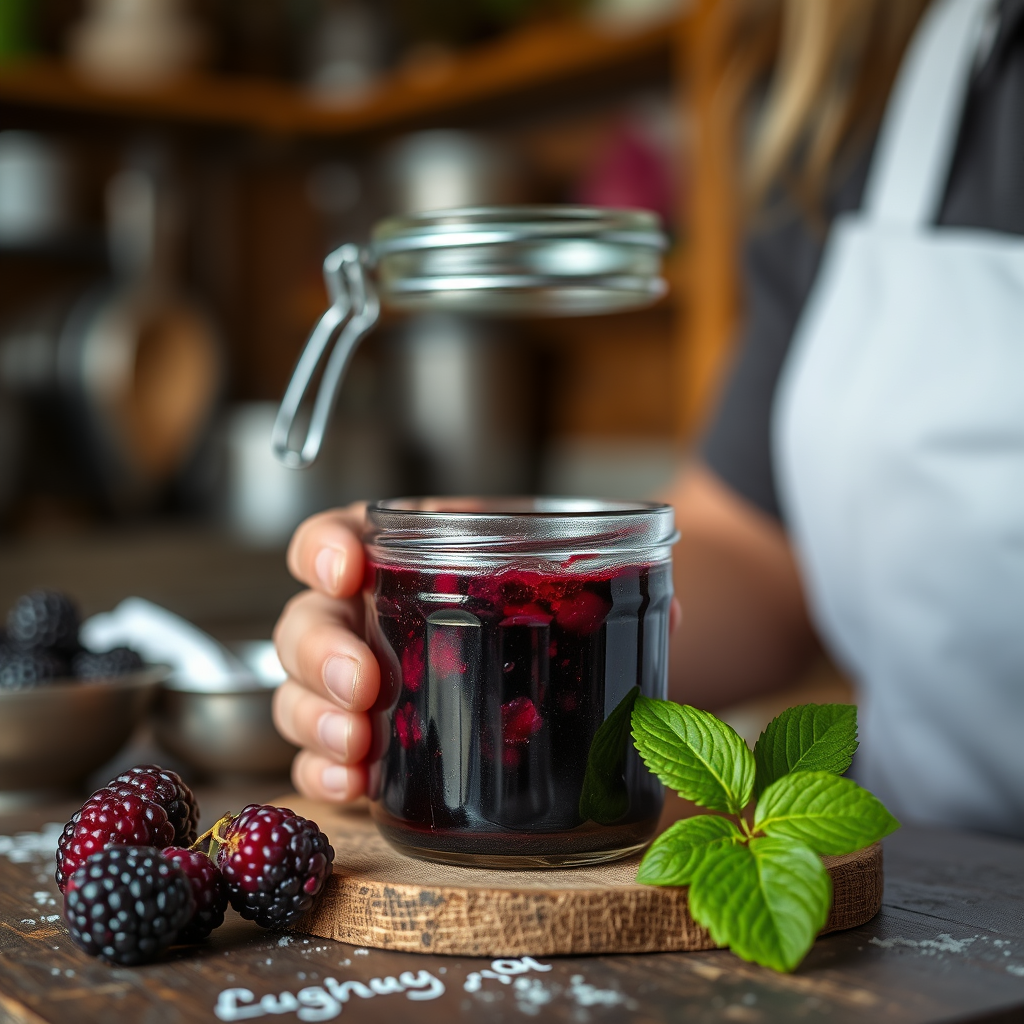
This guide is tailored for home cooks who possess a basic understanding of canning and preserving but seek to refine their technique specifically for blackberry jam. It is also beneficial for those familiar with other jam-making processes yet new to using pectin and in need of detailed instructions. Readers interested in the scientific aspects of the pectin process in jam-making will appreciate the precision offered here, while those looking for inventive or experimental recipes may want to consult additional resources.
The Step-by-Step Protocol

1. Gather Ingredients: You will need 4 cups of ripe blackberries, 1 package (1.75 oz) of fruit pectin (such as Sure-Jell), 5 cups of granulated sugar, and 1/4 cup of lemon juice.
2. Prepare Jars: Sterilize your canning jars by boiling them in water for 10 minutes. Ensure lids are new and free of rust.
3. Cook Blackberries: In a large saucepan, crush the blackberries with a potato masher until you have approximately 4 cups of crushed fruit. Add lemon juice and stir in the pectin.
4. Boil and Add Sugar: Bring the mixture to a rolling boil over medium-high heat, stirring constantly. Once boiling, add all the sugar at once and continue to boil for exactly 1 minute, stirring constantly to dissolve.
5. Test for Set: After boiling, remove a small spoonful of the mixture and place it on a cold plate. Let it sit for a minute, then draw your finger through it. If it holds its shape and separates, it’s ready for canning. If not, boil for an additional 30 seconds and test again.
6. Fill Jars: Using a ladle, fill the sterilized jars with the hot jam, leaving about 1/4 inch of headspace. Wipe the rim of each jar with a clean cloth to ensure a proper seal.
7. Seal and Process: Place the sterilized lids on each jar and screw on the metal bands until they are fingertip-tight. Process the jars in a boiling water bath for 5-10 minutes, depending on your altitude. For altitudes above 1,000 feet, increase the processing time by 1 minute for each additional 1,000 feet.
8. Cool and Store: Remove the jars from the water bath and place them on a clean towel or cooling rack. Allow them to cool completely for 12-24 hours. Check the seals before storing; any unsealed jars should be refrigerated and used within a few weeks.
Nutritional Information for Blackberry Jam (per tablespoon)
| # | Nutrient | Amount | Daily Value (%) |
|---|---|---|---|
| 1 | Calories | 50 | 2% |
| 2 | Total Fat | 0g | 0% |
| 3 | Sodium | 0mg | 0% |
| 4 | Total Carbohydrates | 13g | 5% |
| 5 | Sugars | 12g | N/A |
| 6 | Protein | 0g | 0% |
| 7 | Vitamin C | 5mg | 6% |
Warning Signs: When Not to Follow This
Do not attempt this recipe with under-ripened blackberries; they will lack the necessary sweetness and flavor, impacting the jam’s set. Additionally, avoid using expired or improperly stored pectin, as this can prevent you from achieving the desired consistency and safety standards. If you notice signs of mold or spoilage in your ingredients, do not proceed with the recipe, as this poses health risks.
The Most Common Mistakes (And Their Consequences)
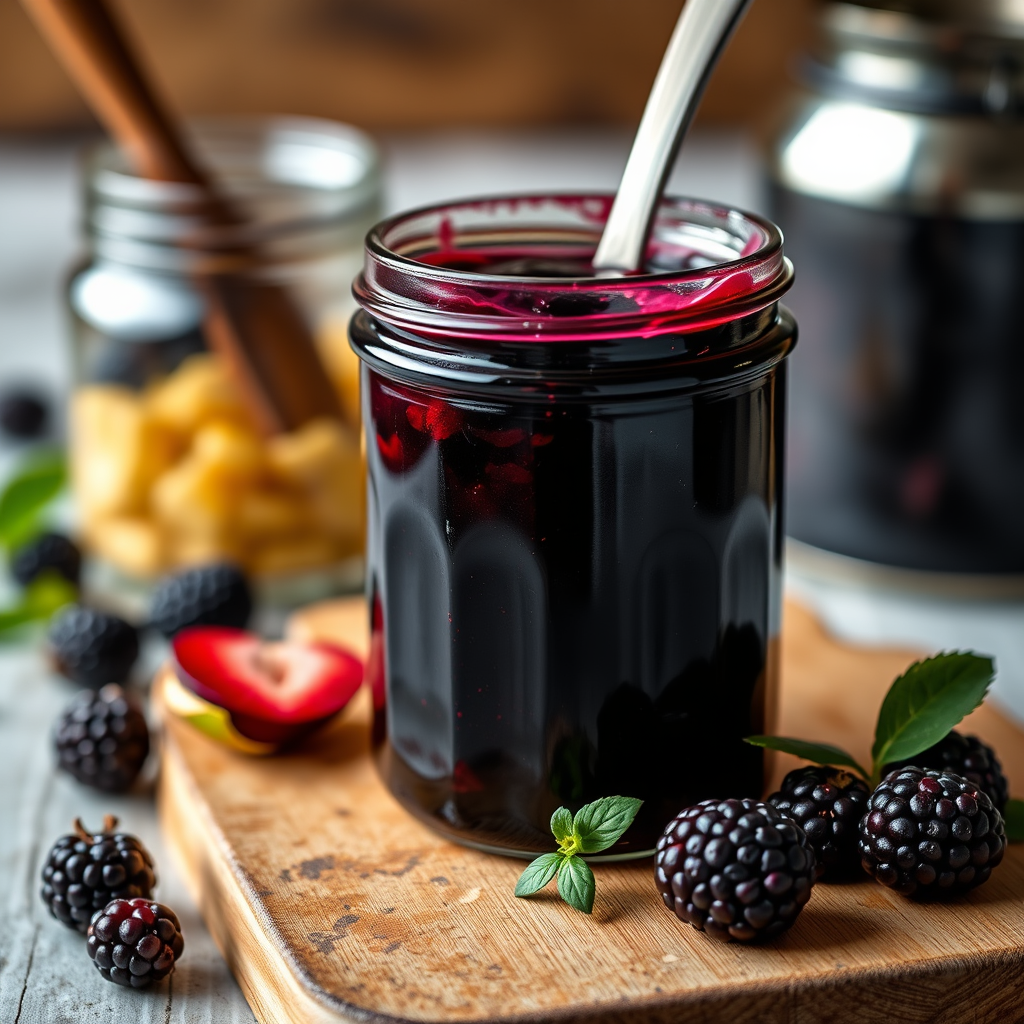
Many home cooks underestimate the importance of accurately measuring sugar. Using too little can create a runny jam, while too much may result in an overly sweet product that fails to set properly. Another frequent oversight is not boiling the mixture long enough after adding the sugar; insufficient boiling can hinder the jam from reaching the correct temperature for proper gelling. Lastly, neglecting to adequately sterilize jars can lead to contamination, risking spoilage and health hazards for consumers.
Special Cases That Need a Different Approach
If you’re using frozen blackberries, make sure they are completely thawed and drained to avoid excess moisture, which can interfere with the gelling process. For those with dietary restrictions, consider using low-sugar pectin and adjust sugar levels correspondingly, keeping in mind that this may alter the flavor and texture. If you intend to store your jam for over a year, consider employing a pressure canner instead of a water bath to ensure long-term preservation.
When You Need a Professional
If you frequently struggle to achieve the proper set with your jam, it may be time to consult a food preservation expert or your local extension service for tailored advice. In cases of suspected spoilage or contamination—such as bubbles forming in the jar or off smells during the canning process—discard the batch and consult a food safety expert. If you have allergies or health concerns related to food preservation practices, such as botulism, seek guidance from a licensed dietitian or food safety professional before proceeding.
Sources and Further Reading
The National Center for Home Food Preservation offers scientifically tested guidelines for safe canning practices and pectin usage. “Canning and Preserving for Dummies” by Amelia Jeanroy provides valuable insights into the fundamentals of home canning, including pectin-based recipes. For authoritative information on safe food preservation techniques and standards, consult the USDA Complete Guide to Home Canning.
Frequently Asked Questions
What ingredients do I need for a blackberry jam recipe with pectin?
To make blackberry jam with pectin, you will need fresh blackberries, granulated sugar, and fruit pectin, which helps the jam set properly. Additionally, you may want to add a little lemon juice to enhance the flavor and acidity, which aids in preservation.
How do I properly prepare blackberries for making jam with pectin?
To prepare blackberries for jam, start by washing them thoroughly to remove any dirt or insects. Remove any stems or leaves, and inspect the berries for mold or spoilage. It’s important to mash the berries slightly to release their juices, which will mix with the sugar and pectin during cooking.
Why is pectin important in a blackberry jam recipe?
Pectin is crucial in a blackberry jam recipe because it acts as a thickening agent that helps the jam achieve the desired consistency. Without pectin, your jam may turn out runny or too liquid. Using pectin allows for a quicker cooking time and ensures that the jam sets properly, providing a perfect spreadable texture.
What is the best method for canning blackberry jam with pectin?
The best method for canning blackberry jam with pectin involves using a water bath canner. First, sterilize your jars and lids by boiling them in water. After filling the jars with hot jam, leave a quarter-inch headspace, wipe the rim, and seal with lids. Process the jars in boiling water for the recommended time to ensure they are properly sealed and safe for storage.
Which type of pectin is best for making blackberry jam?
The best type of pectin for making blackberry jam is instant or low-sugar pectin, especially if you prefer a sweeter jam with less sugar. Instant pectin allows for a quick set without the prolonged cooking time, while low-sugar pectin is designed to work effectively with reduced sugar recipes, maintaining flavor and texture.
References
- Fruit preserves
https://en.wikipedia.org/wiki/Jam - https://www.extension.purdue.edu/extmedia/hn/hn-141-w.pdf
https://www.extension.purdue.edu/extmedia/hn/hn-141-w.pdf - https://www.foodsafety.gov/food-safety-charts/jams-and-jellies
https://www.foodsafety.gov/food-safety-charts/jams-and-jellies - https://www.nal.usda.gov/explore-research/blackberry-jam-recipe
https://www.nal.usda.gov/explore-research/blackberry-jam-recipe - https://www.ncbi.nlm.nih.gov/pmc/articles/PMC6571968/
https://www.ncbi.nlm.nih.gov/pmc/articles/PMC6571968/ - https://www.sciencedirect.com/topics/food-science/pectin
https://www.sciencedirect.com/topics/food-science/pectin - ODA : Welcome Page : State of Oregon
https://www.oregon.gov/oda/shared/Documents/Publications/FoodSafety/BlackberryJam.pdf - https://www.cdc.gov/foodsafety/communication/food-safety-tips.html
https://www.cdc.gov/foodsafety/communication/food-safety-tips.html - Google Scholar Google Scholar
https://scholar.google.com/scholar?q=blackberry+jam+recipe+with+pectin - Google Scholar Google Scholar
https://scholar.google.com/scholar?q=pectin+blackberry+jam+recipes