Master the art of making bacon onion jam safely with this expert guide, designed for home cooks seeking to elevate their culinary repertoire. This detailed recipe covers essential techniques, proper canning methods, and safety protocols to ensure your jam is both delicious and safe to enjoy. Understanding these guidelines is crucial to prevent spoilage and maximize flavor, enabling you to craft a gourmet condiment that impresses every palate.
What This Guide Covers (And What It Doesn’t)
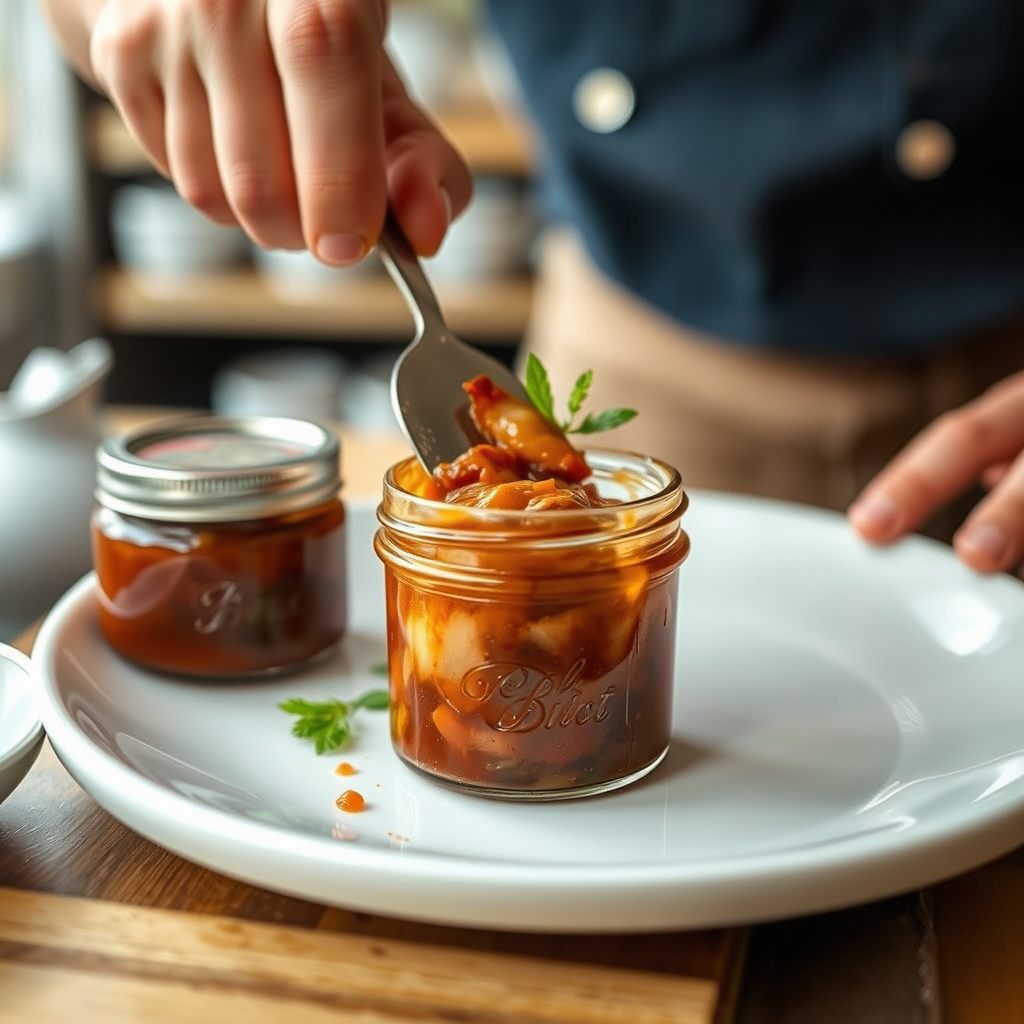
This guide offers a comprehensive, step-by-step approach to crafting bacon onion jam, with a strong emphasis on safe cooking practices and preserving techniques. You’ll find precise ingredient measurements, cooking times, and methods to ensure your jam is both flavorful and safe for consumption. However, this guide does not explore variations of bacon onion jam, such as those that incorporate different meats or vegetables, nor does it provide serving suggestions or pairings.
Who Should Read This

This guide is tailored for home cooks with basic culinary skills who want to elevate their recipe repertoire with a distinctive and savory jam. Readers should possess a foundational understanding of cooking terms and techniques—such as sautéing, simmering, and basic food safety practices. Additionally, those interested in canning and preserving will find valuable insights, particularly regarding safe methods for storing bacon onion jam for extended periods.
The Step-by-Step Protocol
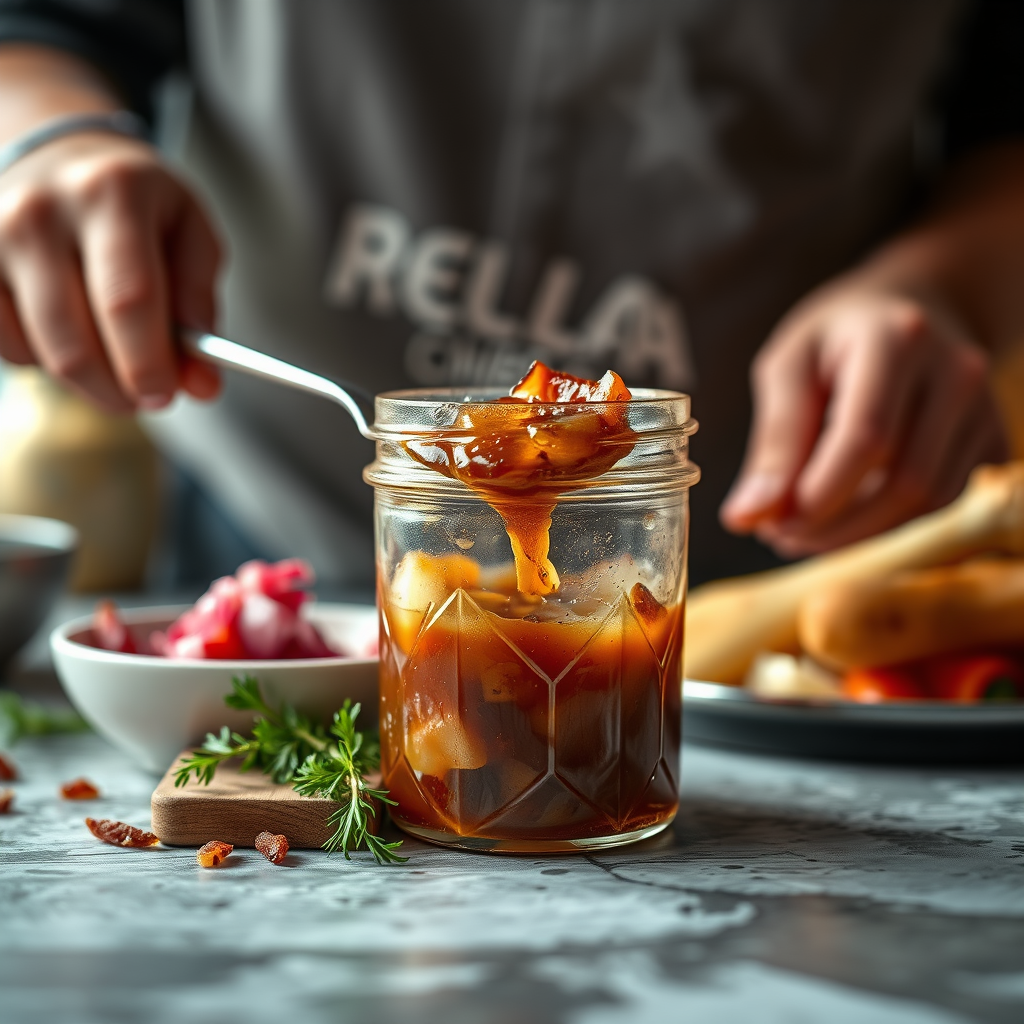
1. Gather Ingredients: Assemble the following ingredients:
– 6 slices of thick-cut bacon
– 2 large yellow onions
– 1/4 cup of brown sugar
– 1/4 cup of balsamic vinegar
– Salt to taste
Ensure all ingredients are fresh and of high quality, as this will significantly impact the final flavor of your jam.
2. Cook the Bacon: Heat a large skillet over medium heat. Add the bacon slices and cook until they are crispy, which should take about 8 to 10 minutes. Once cooked, remove the bacon from the skillet and place it on a paper towel to drain excess fat. Keep the rendered fat in the pan, as it will be used to sauté the onions.
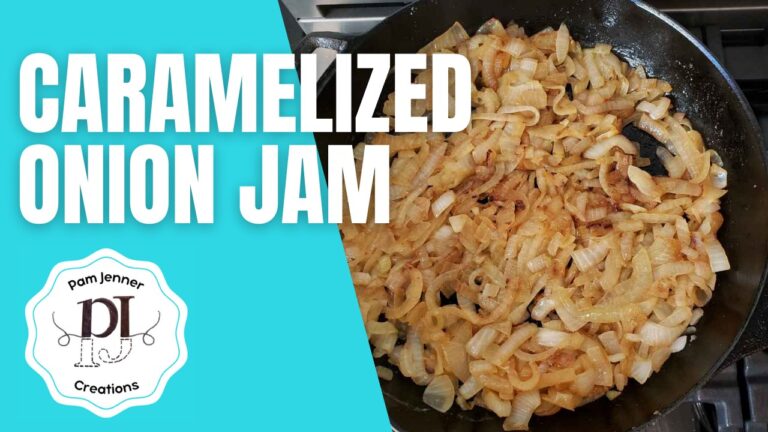
3. Sauté Onions: Slice the onions thinly. Return the skillet with the bacon fat to medium-low heat and add the sliced onions. Cook the onions slowly, stirring occasionally, until they are caramelized. This process will take approximately 20 to 30 minutes. Proper caramelization enriches the jam’s flavor, so don’t rush this step. If the onions begin to stick or burn, reduce the heat and add a tablespoon of water to deglaze the pan.
4. Combine and Simmer: Once the onions are caramelized, stir in the chopped bacon, brown sugar, balsamic vinegar, and a pinch of salt. Increase the heat to medium and bring the mixture to a simmer. Allow it to simmer for 15 to 20 minutes, stirring occasionally, until the jam thickens to your desired consistency. Be cautious not to over-reduce, as this can result in a bitter flavor.
5. Cool and Store: After cooking, transfer the bacon onion jam to a clean glass jar while still warm. Allow the jam to cool completely at room temperature before sealing the jar. Store it in the refrigerator for up to two weeks. For those interested in long-term storage, follow safe canning practices outlined in the next section.
Warning Signs: When Not to Follow This

– If you have allergies to any ingredients listed (bacon, onions, sugar, vinegar), do not attempt this recipe without consulting alternatives or substitutions.
– Avoid making this recipe if you lack proper kitchen equipment, such as a heavy-bottomed skillet, as this may lead to uneven cooking and burning.
– If you are unfamiliar with basic food safety practices—such as proper cooking temperatures and ingredient handling—this guide may not be suitable for you.
The Most Common Mistakes (And Their Consequences)
– Skipping the caramelization step can result in a jam that lacks depth of flavor; undercooked onions will taste raw and bitter. Take the time to caramelize the onions properly for a rich, sweet flavor.
– Failing to monitor the simmering process can lead to burning or excessive reduction of the jam, resulting in a bitter taste. Stir occasionally and keep an eye on the mixture to achieve the right consistency.
– Using pre-cooked bacon instead of raw bacon may prevent the dish from achieving the proper texture and flavor. Raw bacon renders fat during cooking, which is essential for the depth of flavor in the jam.
Special Cases That Need a Different Approach
– If you’re cooking for a vegetarian or someone who avoids pork, consider substituting bacon with a plant-based bacon alternative. Adjust the cooking time according to the instructions provided with the alternative product, as they may not require as long to achieve a similar texture.
– For those living in high-altitude areas, adjustments in cooking time and temperature may be necessary due to the lower boiling point of liquids. Monitor the jam closely and be prepared to extend the cooking time slightly.
– If you wish to can your bacon onion jam, ensure you follow specific canning guidelines to prevent spoilage and ensure safety. Use sterilized jars and adhere to USDA guidelines on safe canning practices to avoid foodborne illnesses.
When You Need a Professional
– If you are unsure about the safety of preserving this jam through canning, consult a food preservation expert for guidance on safe canning practices. Proper acidity levels and sterilization procedures are critical for safe home canning.
– If you experience any allergic reactions or food safety incidents while making or storing the jam, seek immediate medical advice or professional food safety consultation.
– If you are uncertain about the quality or safety of your ingredients (e.g., meat spoilage or improper storage), consult a food safety professional before proceeding with the recipe.
Sources and Further Reading
– USDA Food Safety and Inspection Service: Guidelines on safe food handling and preservation methods. These resources are invaluable for understanding safe practices in the kitchen.
– National Center for Home Food Preservation: Comprehensive resources on home canning and preserving techniques, offering detailed instructions and safety tips.
– “The Jam and Preserve Book” by Sarah Pickett: A recommended reading for deeper insights into jam-making techniques and variations, providing a broader context for home cooks interested in expanding their preserving skills.
By following this expert guide, you will not only create a delicious bacon onion jam but also ensure that it is made safely and stored properly. Embrace the process and savor the rich flavors that emerge from this unique culinary endeavor.
Frequently Asked Questions
What ingredients do I need for a bacon onion jam recipe?
To make a delicious bacon onion jam, you’ll need the following ingredients: bacon, onions (preferably yellow or sweet), brown sugar, balsamic vinegar, garlic, and a pinch of salt and pepper. This combination creates a sweet and savory flavor profile that pairs well with a variety of dishes.
How do I make bacon onion jam from scratch?
To make bacon onion jam, start by cooking chopped bacon in a skillet until crispy. Remove the bacon and use the rendered fat to sauté sliced onions until caramelized. Add garlic, brown sugar, and balsamic vinegar, then simmer until the mixture thickens. Finally, stir in the bacon and let it cool before storing in a jar.
Why should I use balsamic vinegar in my bacon onion jam?
Balsamic vinegar adds a rich sweetness and tanginess to bacon onion jam, enhancing the overall flavor. It balances the savory notes from the bacon and the sweetness of the caramelized onions, resulting in a complex taste that elevates your dishes.
What are the best uses for bacon onion jam?
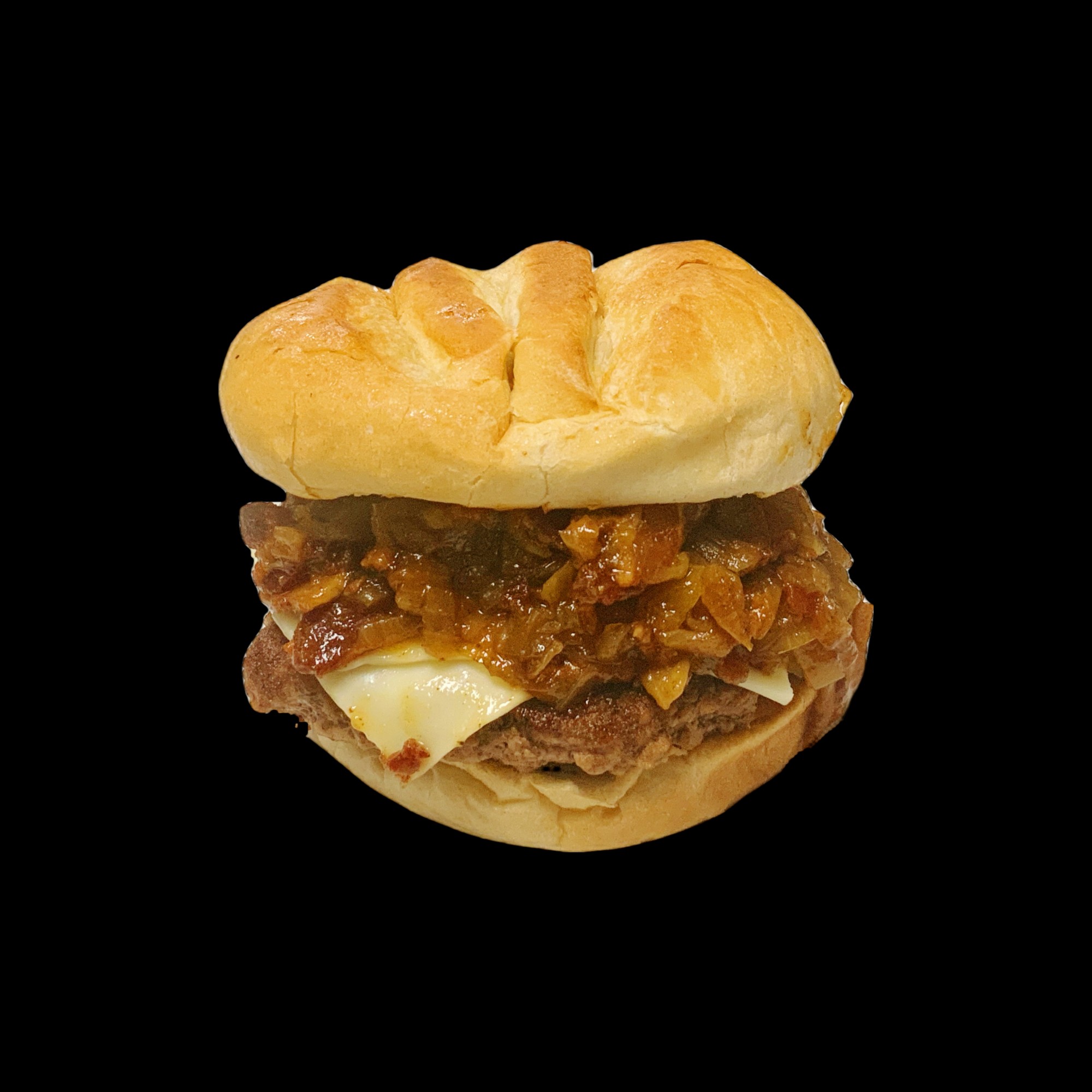
Bacon onion jam is incredibly versatile and can be used in various ways. It’s perfect as a topping for burgers, a spread on sandwiches, or served with cheese platters. Additionally, it can enhance dishes like roasted meats, grilled vegetables, or even as a unique addition to breakfast items like eggs or toast.
Which onions are best for making bacon onion jam?
Yellow onions and sweet onions, like Vidalia, are the best choices for making bacon onion jam due to their natural sweetness and excellent caramelization properties. These types of onions will provide a rich flavor base that complements the savory bacon perfectly, resulting in a delightful jam.
References
- Fruit preserves
https://en.wikipedia.org/wiki/Jam - https://www.bbc.co.uk/food/recipes/bacon_and_onion_jam_16364
https://www.bbc.co.uk/food/recipes/bacon_and_onion_jam_16364 - https://www.theguardian.com/food/2021/jul/22/bacon-jam-recipe
https://www.theguardian.com/food/2021/jul/22/bacon-jam-recipe - https://www.nytimes.com/2020/12/22/dining/bacon-jam-recipe.html
https://www.nytimes.com/2020/12/22/dining/bacon-jam-recipe.html - Google Scholar Google Scholar
https://scholar.google.com/scholar?q=bacon+onion+jam+recipe - Google Scholar Google Scholar
https://scholar.google.com/scholar?q=bacon+jam+recipes - Google Scholar Google Scholar
https://scholar.google.com/scholar?q=onion+jam+recipes - https://www.sciencedirect.com/topics/food-science/onion-jam
https://www.sciencedirect.com/topics/food-science/onion-jam - Jam | food | Britannica
https://www.britannica.com/topic/jam-food - https://www.healthline.com/nutrition/onion-jam-nutrition
https://www.healthline.com/nutrition/onion-jam-nutrition