Master the art of making apricot jam with pectin safely, ensuring delicious results and food safety. This expert guide provides precise recipes, step-by-step instructions, and essential safety protocols that every home canner should follow. By adhering to these methods, you can create vibrant, flavorful jam while minimizing the risk of spoilage or contamination.
What This Guide Covers (And What It Doesn’t)
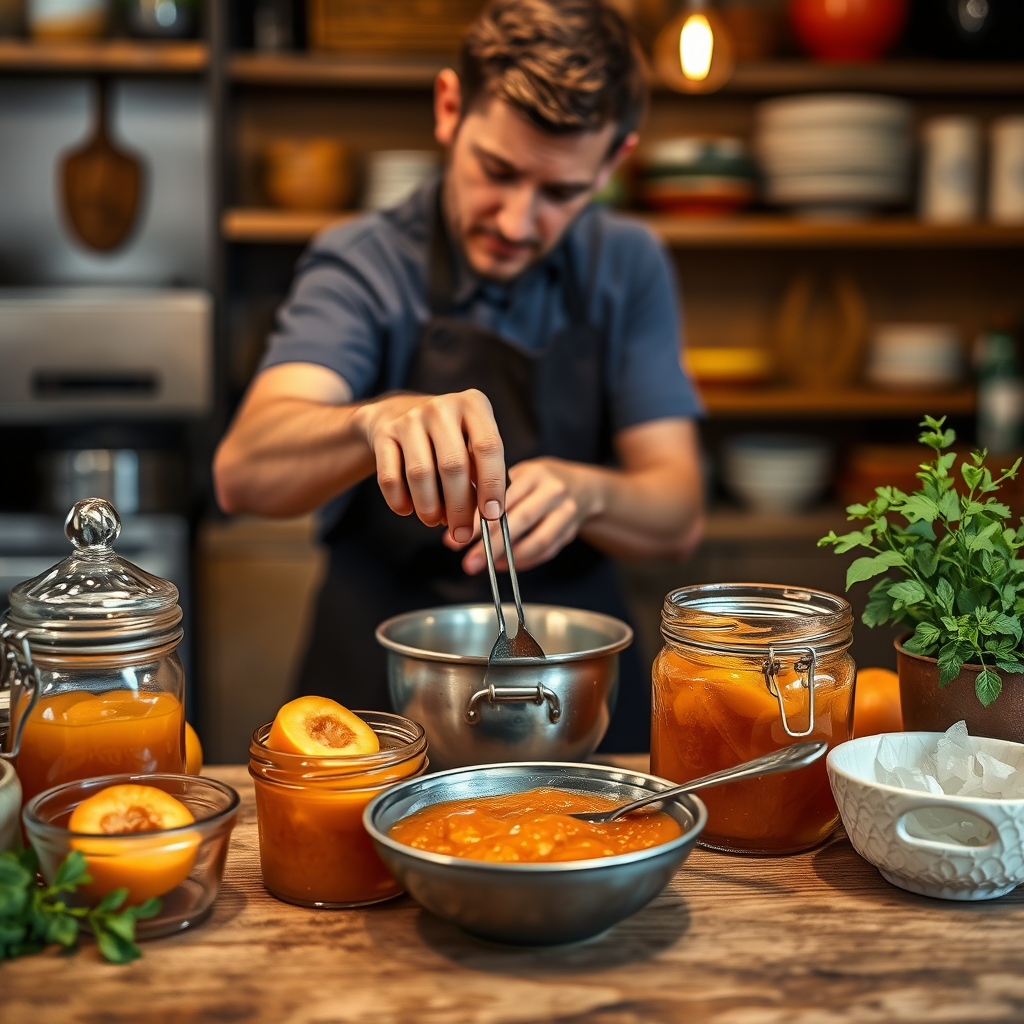
This guide serves as your definitive resource for crafting apricot jam using pectin, offering precise ingredient quantities, preparation methods, and preservation techniques. It emphasizes the crucial role of pectin in achieving the perfect texture and consistency, making it accessible for both novice and seasoned canners. However, the guide does not explore recipe variations utilizing alternative thickeners or methods that exclude pectin, nor does it discuss unrelated fruit preservation techniques.
Who Should Read This
Home cooks eager to preserve seasonal fruits, especially apricots, will find this guide invaluable for creating a stable and flavorful jam with pectin. A basic understanding of canning safety practices—such as jar sterilization and following tested recipes—is essential for readers. While this guide is tailored for those looking to deepen their knowledge of fruit preservation with a focus on pectin, individuals interested in advanced fermentation techniques or alternative jam recipes may need to seek other resources.
The Step-by-Step Protocol
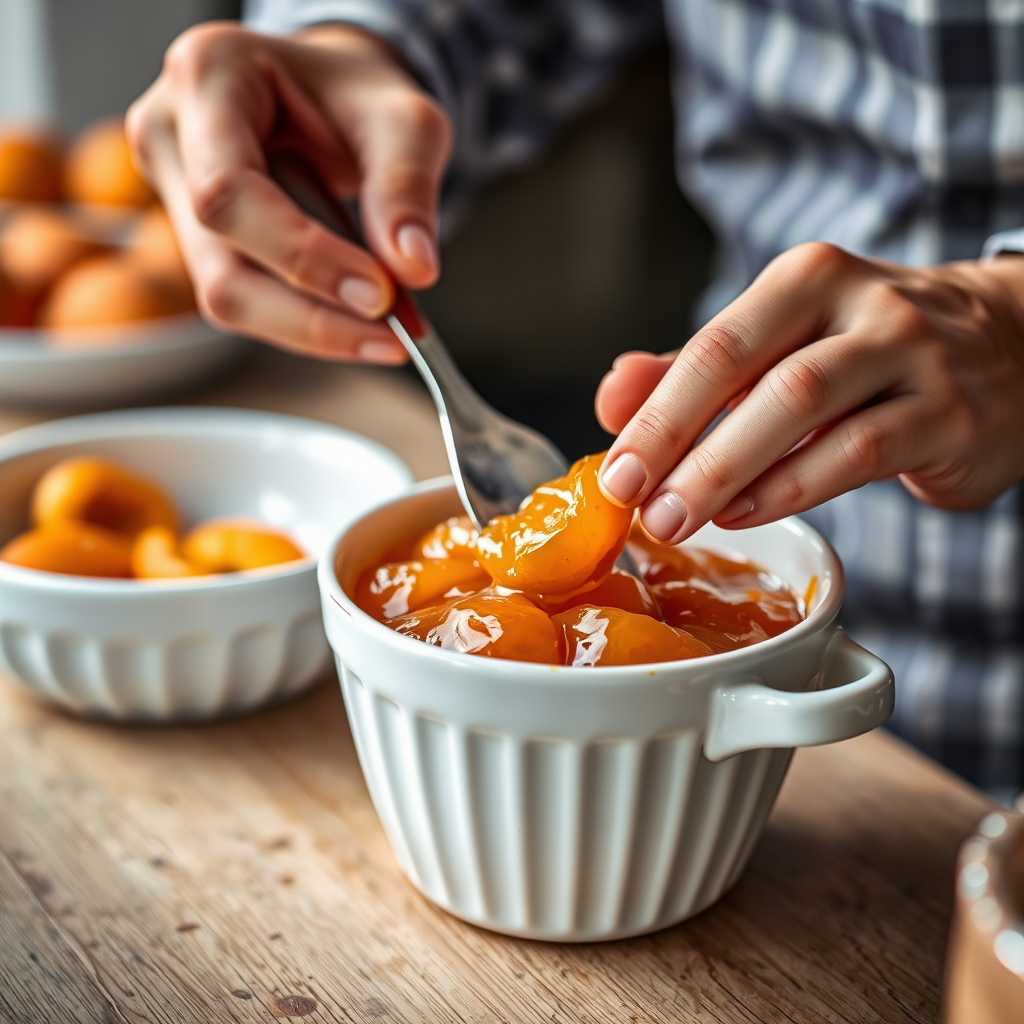
1. Gather Ingredients: For a standard batch, you will need 2 pounds of ripe apricots, 1 cup of granulated sugar, and 1 packet (approximately 1.75 oz) of fruit pectin. Ensure that your apricots are firm, ripe, and free from blemishes for the best flavor and texture.
2. Prepare Apricots: Wash the apricots thoroughly under cold running water. Halve and pit the apricots, then chop them into small pieces, ensuring you have about 4 cups of fruit. Discard any overripe or damaged fruit.
3. Cook the Jam Mixture: In a large, non-reactive pot, combine the chopped apricots and 1/4 cup of water. Bring to a boil over medium-high heat, stirring frequently to prevent sticking. Once boiling, add the pectin and sugar, stirring continuously until the mixture returns to a rolling boil. Allow it to boil for 1-2 minutes, or until the sugar and pectin are fully dissolved.
4. Jar and Seal: Pour the hot jam into sterilized jars, leaving a 1/4-inch headspace. Wipe the rims of the jars clean to remove any residue that could prevent sealing. Place the lids on the jars and process them in a boiling water bath for 5-10 minutes, depending on your altitude. This step ensures proper sealing and helps prevent spoilage.
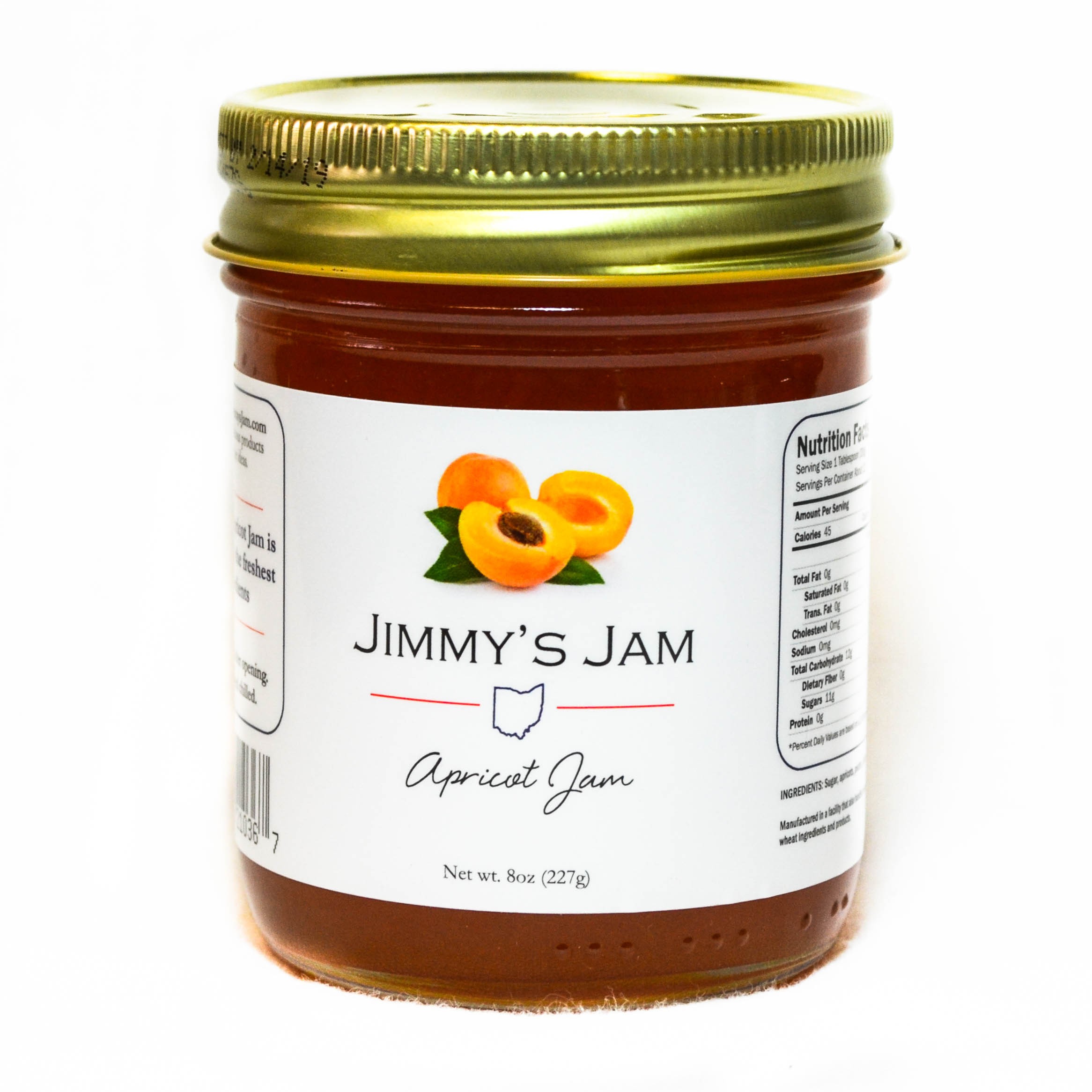
Nutritional Values of Apricot Jam (per tablespoon)
| # | Nutritional Component | Amount | Daily Value (%) |
|---|---|---|---|
| 1 | Calories | 50 | |
| 2 | Carbohydrates | 13g | 4% |
| 3 | Sugars | 11g | 12% |
| 4 | Fiber | 0.5g | 2% |
| 5 | Fat | 0g | 0% |
| 6 | Protein | 0g | 0% |
| 7 | Vitamin A | 1% RDA | 1% |
| 8 | Calcium | 0% RDA | 0% |
| 9 | Iron | 0% RDA | 0% |
| 10 | Potassium | 2% RDA | 2% |
Warning Signs: When Not to Follow This
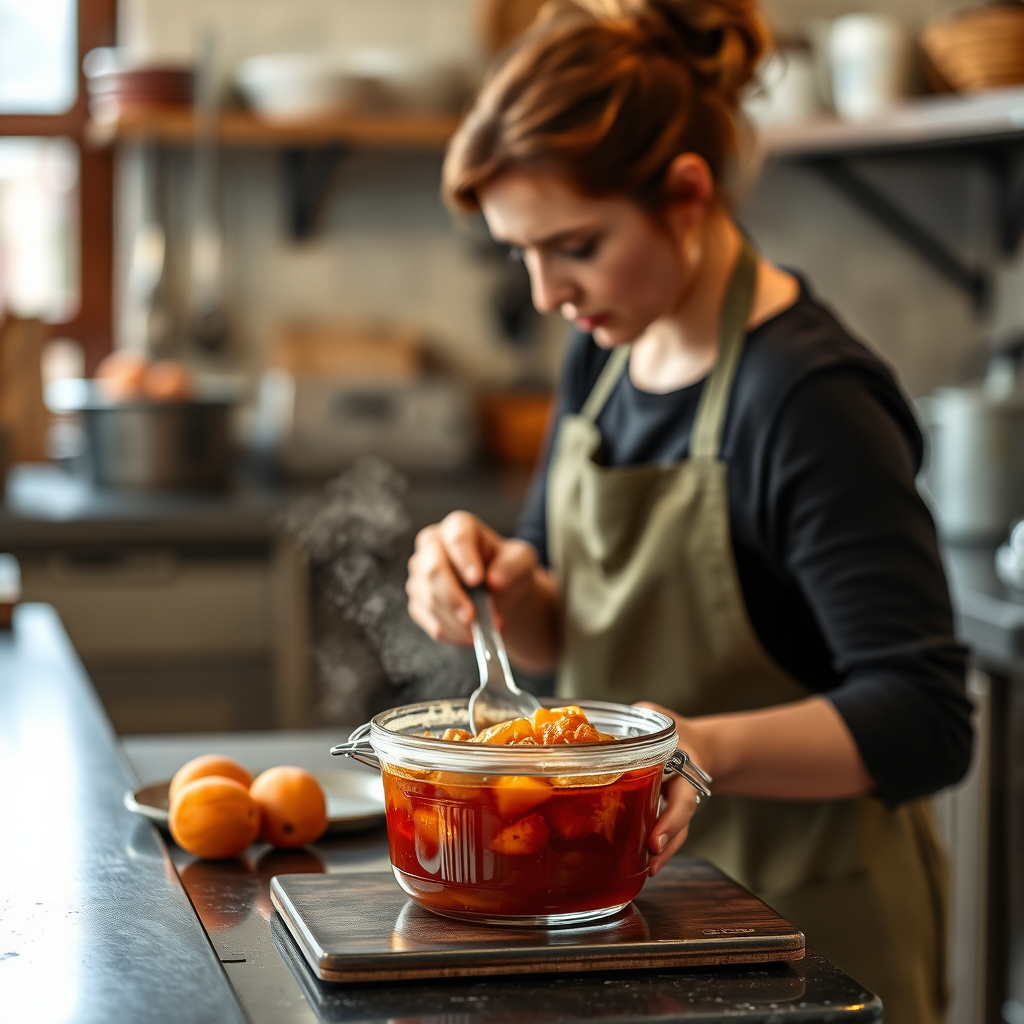
Avoid making apricot jam if your apricots are overripe or moldy, as this can lead to spoilage and unsafe preservation. If you notice any off-smells or discoloration in the fruit after preparation, do not proceed with canning; these are clear indicators of fermentation or spoilage. Additionally, do not attempt this recipe without the necessary canning equipment (e.g., boiling water bath canner, sterilized jars), as this can compromise food safety.
The Most Common Mistakes (And Their Consequences)
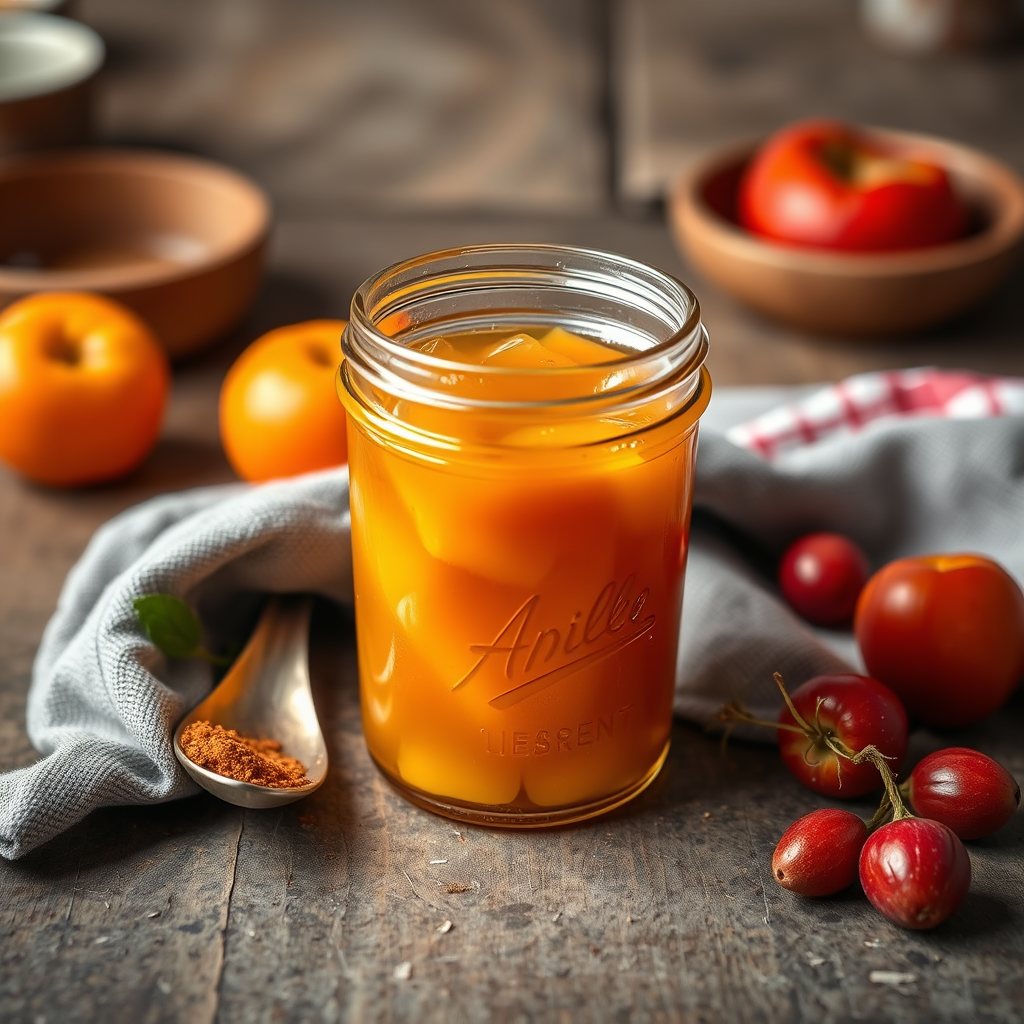
One frequent error is miscalculating the sugar-to-pectin ratio; using too little sugar can result in a runny jam that fails to set properly. Skipping the boiling water bath process can lead to jars that are not sealed correctly, heightening the risk of spoilage and foodborne illness. Many novice canners underestimate the significance of using fresh pectin; expired pectin can result in poor gelling and an undesirable texture in the final product.
Special Cases That Need a Different Approach
When using low-sugar pectin, adjust the sugar content according to the specific instructions on the pectin package, which may require less sugar than traditional recipes. For those with dietary restrictions, consider using no-sugar pectin, but follow the product guidelines for fruit-to-pectin ratios closely. If you wish to incorporate spices or additional flavors (e.g., cinnamon, vanilla) into your apricot jam, be prepared to adjust the cooking time and pectin amount to ensure the proper consistency.
When You Need a Professional
If you are uncertain about the safety of your canning methods or the quality of your ingredients, consult a local extension office or food preservation specialist before proceeding. It’s wise to seek professional guidance if you plan to preserve large quantities of jam or if you have specific dietary concerns that necessitate specialized knowledge regarding ingredient substitutions. If you’ve encountered issues with previous canning batches, such as jars not sealing properly or signs of spoilage, it’s advisable to consult with a food safety expert before continuing.
Sources and Further Reading
The National Center for Home Food Preservation offers research-based guidelines on canning methods, including specific recommendations for pectin use in jams and jellies. “Ball Complete Book of Home Preserving” provides detailed recipes and safety recommendations for canning various fruits, including apricots with pectin. Additionally, the USDA’s Complete Guide to Home Canning presents comprehensive instructions on safe preservation practices and pectin usage in fruit preserves.
Frequently Asked Questions
What ingredients do I need for an apricot jam recipe using pectin?
To make apricot jam with pectin, you will need fresh apricots, granulated sugar, lemon juice, and pectin (either powdered or liquid). The pectin helps the jam set properly, ensuring a thick and spreadable consistency. It’s essential to use ripe apricots for the best flavor and sweetness.
How do I prepare apricots for making jam with pectin?
Start by washing the apricots thoroughly, then cut them in half and remove the pits. You can chop the apricots into smaller pieces for a chunkier jam or puree them for a smoother texture. Make sure to measure the fruit accurately, as this will affect the jam’s flavor and consistency.
Why is pectin important in my apricot jam recipe?
Pectin is a natural thickening agent that helps fruit jams set properly, giving them the right texture and preventing them from being overly runny. Using pectin in your apricot jam recipe allows for a shorter cooking time, preserving the fresh flavor and color of the fruit. If you prefer a more natural approach, you can also look for low-sugar or no-sugar pectin options.
What is the best way to store apricot jam made with pectin?
The best way to store apricot jam is in sterilized glass jars, sealed with airtight lids. Once cooled, store the jars in a cool, dark place like a pantry. For longer shelf life, you can also refrigerate the jam after opening, where it can last up to three weeks.
Which pectin should I choose for my apricot jam recipe?
For apricot jam, you can use either powdered or liquid pectin, depending on your preference and the recipe instructions. Powdered pectin is typically added with the sugar, while liquid pectin is added at the end of the cooking process. Check the packaging for specific ratios and instructions to achieve the best results in your apricot jam.
References
- Fruit preserves
https://en.wikipedia.org/wiki/Jam - https://www.nal.usda.gov/sites/default/files/fnic_uploads/foodpreservation.pdf
https://www.nal.usda.gov/sites/default/files/fnic_uploads/foodpreservation.pdf - https://pubmed.ncbi.nlm.nih.gov/29229033/
https://pubmed.ncbi.nlm.nih.gov/29229033/ - https://www.sciencedirect.com/topics/food-science/jam
https://www.sciencedirect.com/topics/food-science/jam - https://www.ars.usda.gov/ARSUserFiles/np/foodpreservation/processing_jams_jellies.pdf
https://www.ars.usda.gov/ARSUserFiles/np/foodpreservation/processing_jams_jellies.pdf - https://www.extension.purdue.edu/extmedia/FN/FN-300-W.pdf
https://www.extension.purdue.edu/extmedia/FN/FN-300-W.pdf - https://www.cdc.gov/foodsafety/communication/keeping-food-safe.html
https://www.cdc.gov/foodsafety/communication/keeping-food-safe.html - Google Scholar Google Scholar
https://scholar.google.com/scholar?q=apricot+jam+recipe+pectin - Google Scholar Google Scholar
https://scholar.google.com/scholar?q=jam+making+pectin+usage - Google Scholar Google Scholar
https://scholar.google.com/scholar?q=apricot+preservation+methods