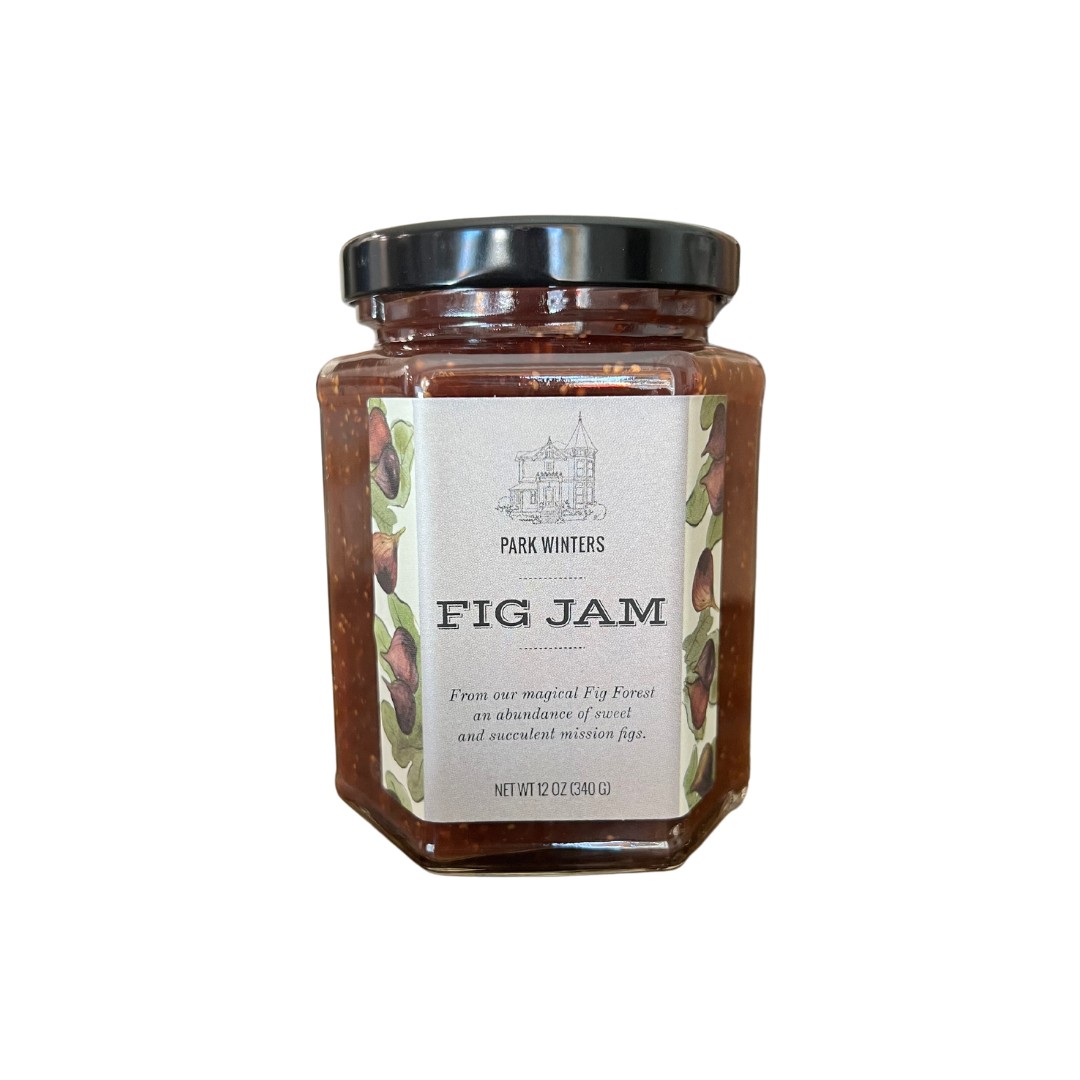
Fig jam recipes can elevate your culinary repertoire, transforming fresh figs into a delectable spread. This expert guide provides detailed, step-by-step protocols to ensure your fig jam turns out perfectly every time. Mastering the right techniques not only enhances flavor but also guarantees a safe and successful preservation process. Whether you’re a novice or an experienced cook, these precise instructions will help you create fig jam that delights the palate.
What This Guide Covers (And What It Doesn’t)
This guide offers a diverse collection of fig jam recipes, featuring traditional methods, low-sugar alternatives, and creative variations that incorporate spices and other fruits. Each recipe includes detailed steps, precise timing, and specific ingredient ratios, ensuring your fig jam achieves the ideal balance of sweetness and texture.
While this guide focuses exclusively on fig jam, it does not delve into unrelated preserves or jams, nor does it explore the nutritional aspects of fig jam. Instead, it serves as a practical resource for home cooks eager to master the art of fig jam making. Whether you’re a novice or an experienced cook, the step-by-step instructions will help you achieve a perfect fig jam consistency and flavor.
Who Should Read This
This guide is tailored for home cooks with basic culinary skills who are comfortable using kitchen equipment such as pots, jars, and canning tools. A passion for homemade preserves will enhance your experience. Those interested in the intricacies of fig preservation, especially regarding seasonal fruit usage, will find this guide particularly beneficial.
For individuals with specific dietary restrictions or those seeking healthier alternatives, this guide includes low-sugar options and recipes that incorporate other fruits or spices. However, if you’re not at ease with the canning process or have limited kitchen experience, some techniques may prove to be challenging.
The Step-by-Step Protocol
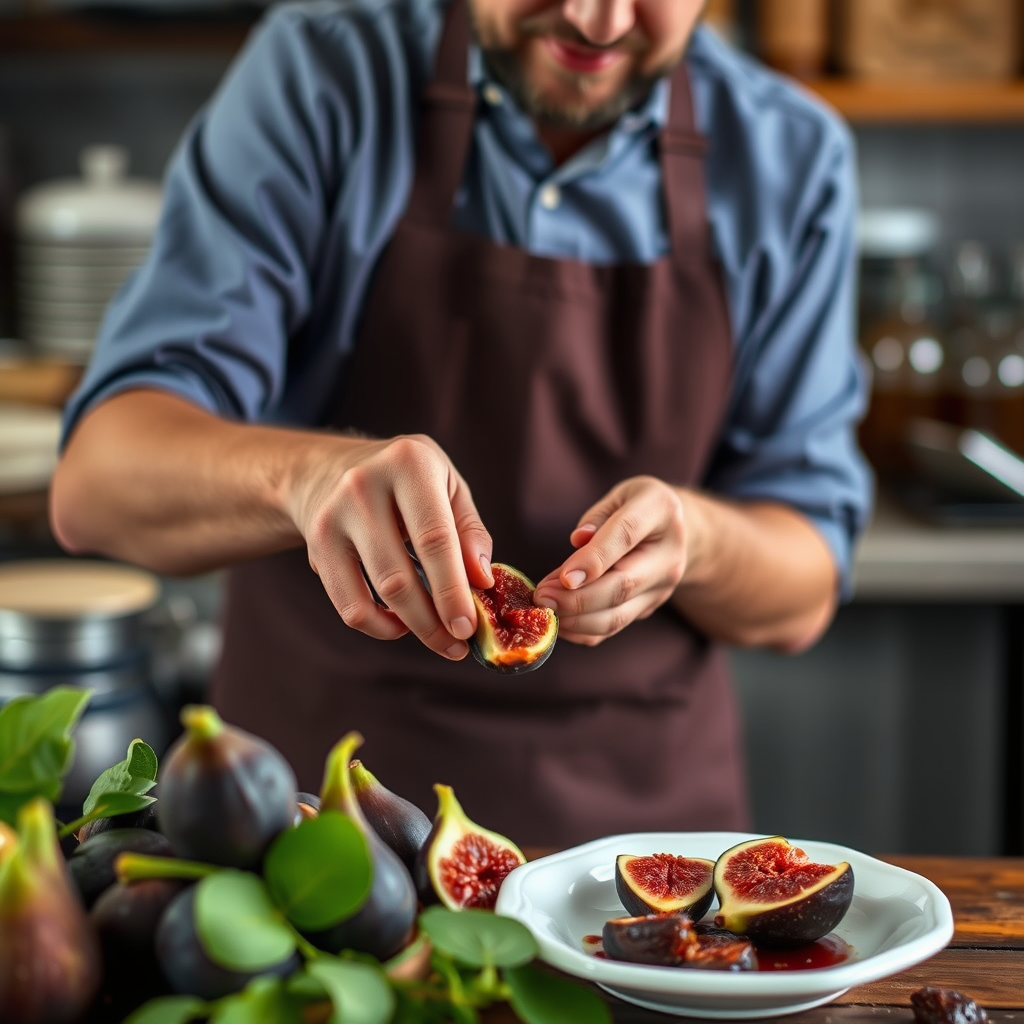
1. Select Quality Figs: Choose 2 pounds of fresh, ripe figs, making sure they are free of bruises and blemishes. Rinse them under cool running water, then remove the stems and any damaged areas. If you prefer a smoother jam, you may peel the figs, though this is optional.
2. Prepare Ingredients: Gather 1 cup of granulated sugar, 1 tablespoon of freshly squeezed lemon juice, and optional spices like cinnamon or vanilla extract to enhance the flavor. If you’re opting for a low-sugar recipe, consider using a sugar substitute suitable for cooking, adhering to the manufacturer’s guidelines for quantity.
3. Cook the Mixture: In a large, heavy-bottomed pot, combine the prepared figs, sugar, and lemon juice. Heat over medium heat, stirring frequently to prevent sticking and ensure even cooking. The mixture should start to bubble after about 10 minutes.
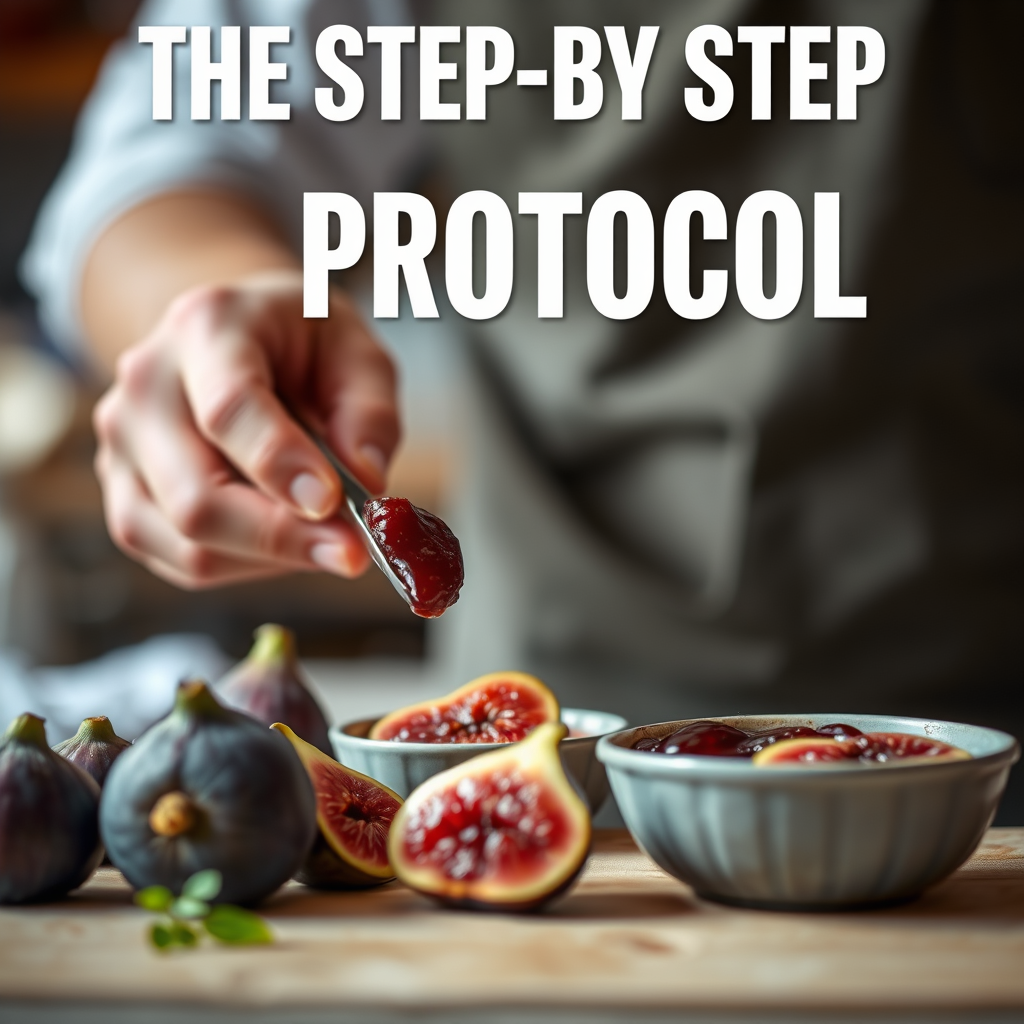
4. Achieve the Right Consistency: Cook for 30-40 minutes, stirring occasionally. To test the jam’s consistency, place a spoonful on a cold plate and let it sit for a minute. Run your finger through the jam; it should wrinkle slightly and hold its shape. If it appears too runny, continue cooking for an additional 5-10 minutes, retesting as needed until the desired thickness is reached.
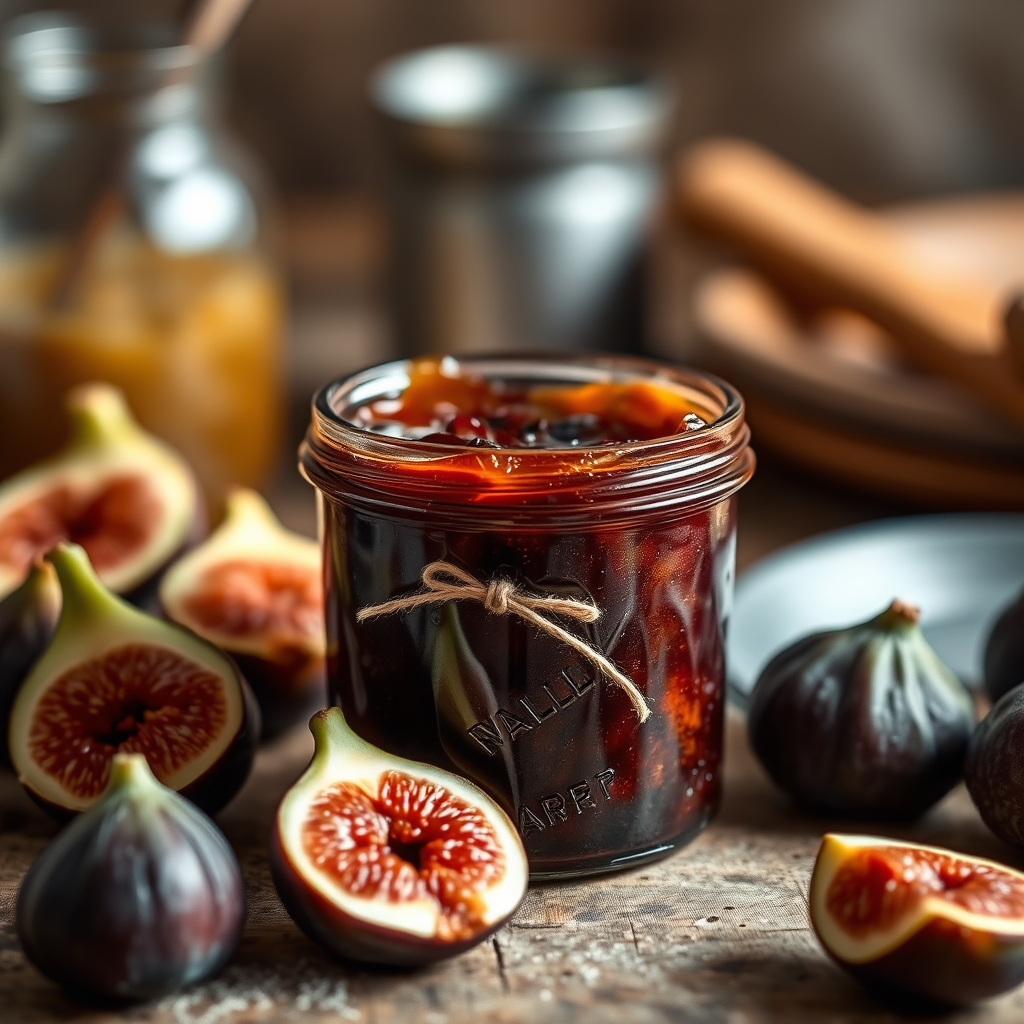
5. Jar and Seal: Once the jam reaches the desired consistency, remove it from heat. Pour the hot jam into sterilized jars, leaving about 1/4 inch of headspace. Wipe the rims of the jars with a clean cloth to remove any residue. Place the sterilized lids on top and screw the bands on until they are fingertip-tight.
6. Process the Jars: If you wish to store the jam for an extended period, process the jars in a boiling water bath for 10 minutes. Ensure the water covers the jars by at least an inch. Allow the jars to cool completely on a clean towel or cooling rack. After 24 hours, check the seals; the lids should not flex up and down when pressed.
Warning Signs: When Not to Follow This

Avoid making fig jam if your figs are overly ripe or beginning to ferment, as this can result in an unpleasant taste and spoilage. If you have a medical condition that restricts your consumption of high-sugar products, such as diabetes, reconsider following this guide without modifications.
If your kitchen lacks proper canning tools (like sterilized jars and lids), it is unsafe to proceed, as this increases the risk of contamination. Additionally, if you notice any signs of mold or unusual odors during the cooking process, discard the jam immediately.
The Most Common Mistakes (And Their Consequences)
– Using Undercooked Figs: Utilizing undercooked figs can lead to a jam that is too runny and lacking in flavor, making it less enjoyable and difficult to spread.
– Inaccurate Measurements: Neglecting to measure ingredients accurately, particularly sugar, can result in over-sweetening or inadequate preservation, risking spoilage. Always use precise measurements for the best results.
– Neglecting Jar Sterilization: Failing to properly sterilize jars can introduce bacteria, leading to spoilage and food safety concerns. Always ensure jars are washed in hot, soapy water and sanitized before use.
Special Cases That Need a Different Approach
– Low-Sugar Options: For those preferring less sugar, substituting granulated sugar with an equal amount of honey or agave syrup may require adjustments in cooking times and pH levels. Be aware that honey can impart a distinct flavor, so select one that complements the figs.
– Using Dried Figs: If using dried figs instead of fresh, soak them in hot water for at least 30 minutes before cooking to rehydrate. Adjust sugar levels based on sweetness, as dried figs are often sweeter than their fresh counterparts.
– Spice Variations: When adding spices like cardamom or herbs like rosemary, incorporate them during the last 10 minutes of cooking to preserve their flavor integrity. Start with small quantities, adjusting to taste as the jam cooks.
When You Need a Professional
Consult a licensed nutritionist if you have specific dietary concerns that require tailored recipes, especially if you’re managing diabetes or other health conditions. If you notice any adverse reactions while canning, such as unusual odors or mold, seek advice from a food safety expert to assess any risk of foodborne illness.
For large-scale production or commercial sales of fig jam, it is wise to engage a food science professional to ensure compliance with health regulations and food safety standards—this is crucial for maintaining quality and ensuring consumer safety.
Sources and Further Reading
– “The Complete Book of Home Preserving” by Anne Sheasby – Offers extensive guidance on various preserving techniques, including jams and jellies.
– USDA’s “Complete Guide to Home Canning” – A reliable source for canning techniques and safety practices.
– “Fig Jam: From Tree to Table” – A specialized resource focusing on fig varieties, their culinary uses, and preservation methods.
By following the protocols outlined in this guide, you can confidently create delicious fig jam that not only showcases the fruit’s natural sweetness but also preserves it for enjoyment year-round. Embrace the joy of jam-making!
Frequently Asked Questions
What ingredients do I need for a basic fig jam recipe?
To make a basic fig jam, you’ll need fresh figs, sugar, lemon juice, and water. The figs provide the primary flavor, while sugar helps with preservation and sweetness, and lemon juice adds acidity to balance the flavors. You can also add spices like cinnamon or vanilla for an extra flavor boost.
How do I make fig jam without pectin?
To make fig jam without pectin, combine chopped fresh figs, sugar, and lemon juice in a saucepan. Cook over medium heat, stirring frequently, until the mixture thickens, which usually takes about 30-40 minutes. The natural pectin in the figs will help the jam set, resulting in a delicious, spreadable product.
Why is my fig jam not thickening?
If your fig jam is not thickening, it may be due to insufficient cooking time or not enough sugar. Ensure you cook the jam long enough to evaporate excess moisture and allow the natural pectin in the figs to activate. If needed, you can also add a small amount of store-bought pectin to help achieve the desired consistency.
What is the best way to store homemade fig jam?
The best way to store homemade fig jam is to keep it in clean, sterilized glass jars with airtight lids. Store the jars in the refrigerator for up to three months or process them in a water bath canner for long-term preservation at room temperature. Always use a clean spoon when scooping out jam to prevent contamination.
Which types of figs are best for making jam?
The best types of figs for making jam are Black Mission, Kadota, and Adriatic figs. Black Mission figs are sweet and flavorful, making them ideal for jam, while Kadota figs have a milder taste and a firmer texture. Adriatic figs offer a unique sweetness and vibrant color, adding variety to your fig jam recipes.
References
- Fig
https://en.wikipedia.org/wiki/Fig_jam - https://www.foodnetwork.com/recipes/articles/fig-jam-recipe
https://www.foodnetwork.com/recipes/articles/fig-jam-recipe - https://www.extension.purdue.edu/extmedia/FNR/FNR-620-W.pdf
https://www.extension.purdue.edu/extmedia/FNR/FNR-620-W.pdf - https://www.seriouseats.com/fig-jam-recipe-5111446
https://www.seriouseats.com/fig-jam-recipe-5111446 - https://www.nature.com/articles/s41598-020-66409-y
https://www.nature.com/articles/s41598-020-66409-y - Google Scholar Google Scholar
https://scholar.google.com/scholar?q=fig+jam+recipes - Google Scholar Google Scholar
https://scholar.google.com/scholar?q=making+fig+jam - Google Scholar Google Scholar
https://scholar.google.com/scholar?q=fig+preservation+techniques - Fig jam recipe | Good Food
https://www.bbcgoodfood.com/recipes/fig-jam - fig jam recipes – Search results
https://en.wikipedia.org/wiki/Special:Search?search=fig+jam+recipes