Creating delicious recipes with jam is an art that elevates ordinary dishes into extraordinary culinary experiences. This expert guide provides step-by-step instructions, tips for ingredient pairings, and essential techniques to harness the full potential of jam in your cooking. Understanding the nuances of flavor and texture is crucial for achieving standout results that will impress any palate. Dive into this comprehensive resource to transform your kitchen creations with the sweet and savory magic of jam.
What This Guide Covers (And What It Doesn’t)

This guide presents a rich array of recipes that showcase the versatility of jam, including delightful desserts, savory dishes, and breakfast options. It emphasizes techniques for incorporating different types of jam—ranging from fruit jams like raspberry and apricot to savory jams such as onion and tomato, as well as specialty jams featuring unique flavors like pepper or herb-infused varieties. However, it intentionally omits jam-making processes or preservation methods and does not explore recipes that do not include jam as a key ingredient.
Who Should Read This
This guide is tailored for home cooks eager to enhance their culinary skills by integrating jam into both classic and inventive recipes. It’s also perfect for bakers and dessert aficionados who want to use jam as a filling or flavor enhancer in cakes, pastries, and other sweets. Additionally, individuals in search of quick and easy recipes that leverage jam for flavor—without requiring extensive cooking skills or time—will uncover valuable insights and techniques here.
The Step-by-Step Protocol
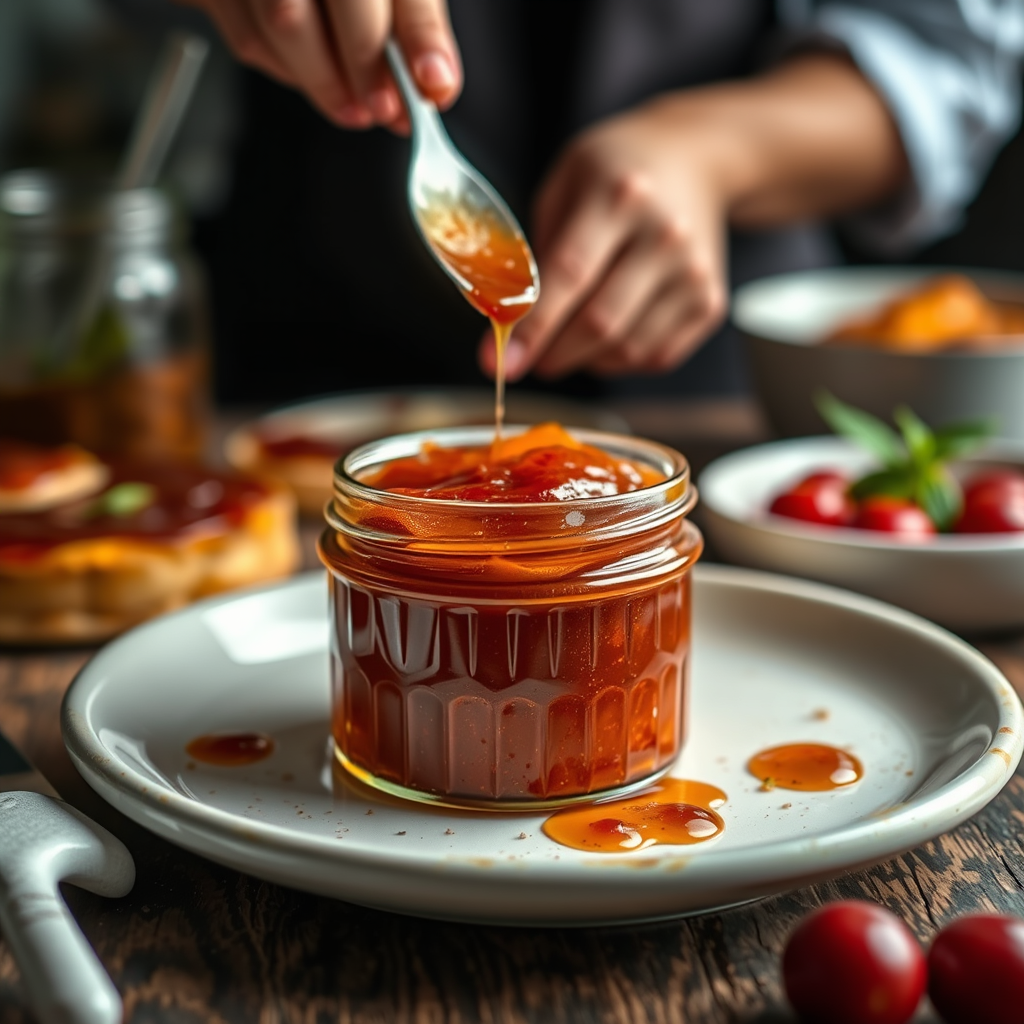
1. Select Your Jam: Choose a jam flavor that complements your dish. For instance, strawberry jam works beautifully in desserts, apricot jam is perfect for glazes on meats, and fig jam adds depth to savory tarts. Consider the overall flavor profile of the dish you are preparing.
2. Measure the Jam: Use precise measurements. Typically, around 1/2 cup of jam is suitable for recipes serving 4-6 people. Adjust according to personal taste and specific recipe requirements. If you’re crafting a glaze, you may want to increase the amount for a thicker coating.
3. Incorporate Jam into Your Recipe: Follow specific instructions for adding jam. For example, mix it into batter for cakes or muffins, spread it between cake layers, or use it as a glaze for meats or vegetables. Ensure even distribution to achieve the best flavor throughout the dish.
4. Taste and Adjust: After incorporating the jam, taste your dish and make any necessary adjustments. If the dish seems too sweet, balance it with acidity—consider adding citrus juice or vinegar. If the flavor is too subtle, add more jam gradually, tasting as you go.
Warning Signs: When Not to Follow This
– Avoid using jam that has been opened for more than a year; it may have lost flavor or developed unwanted bacteria, compromising your dish’s integrity.
– Do not use jam that has an off smell, unusual texture, or visible mold; these signs indicate spoilage and pose a food safety risk.
– If you have allergies to specific fruits or ingredients in the jam, do not attempt recipes using those jams. Always consider alternatives that fit your dietary needs.
The Most Common Mistakes (And Their Consequences)
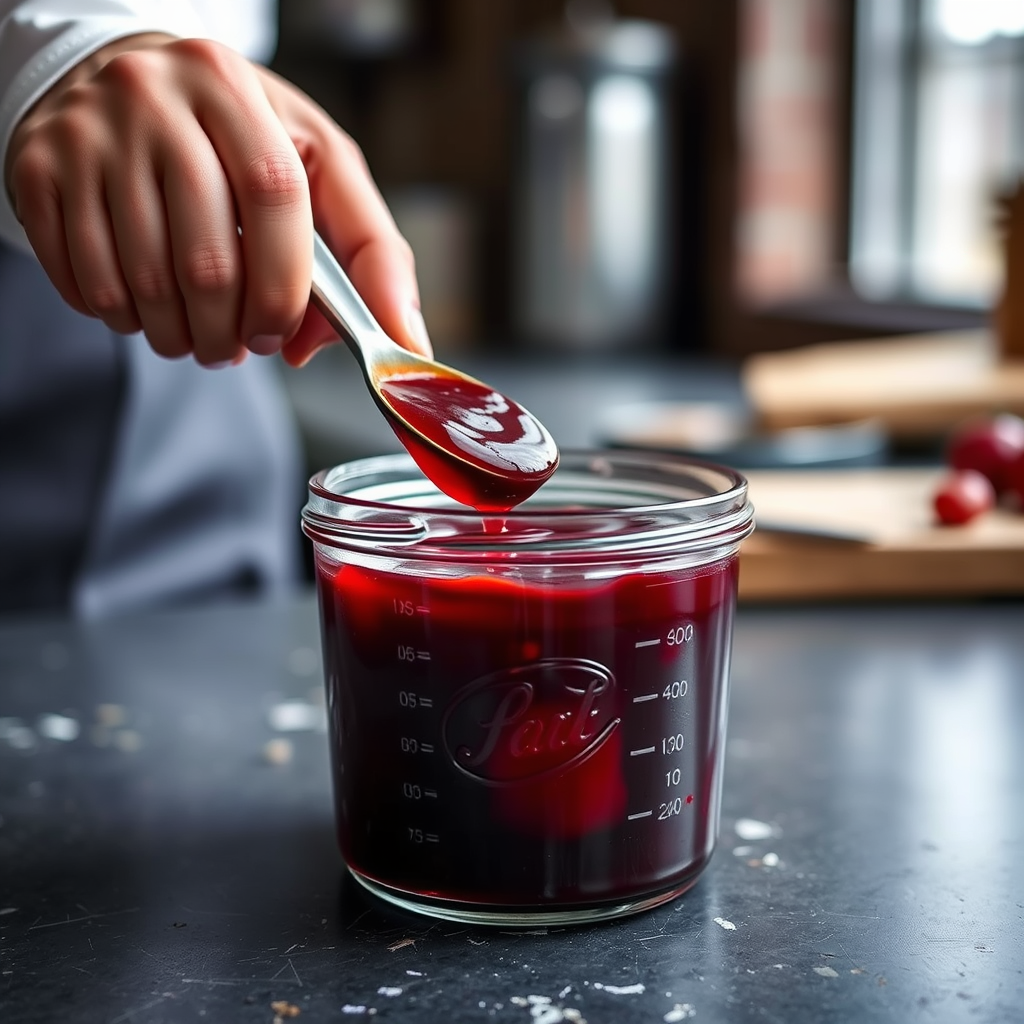
– Misjudging the Balance of Flavors: Using too much jam can overpower a dish, while too little may not provide adequate flavor. Always start with the recommended amount and adjust according to taste. Overusing jam, especially in savory dishes, can lead to an unbalanced flavor profile that detracts from the dish’s intended essence.
– Using Jam Straight from the Fridge: Recipes that require the incorporation of jam should ideally use jam at room temperature. Cold jam can affect the consistency and how well it blends with other ingredients, leading to uneven texture and flavor distribution.
– Overcooking Dishes with Jam: When jam is exposed to high heat for too long, the sugars can caramelize excessively, altering the intended flavor and resulting in a burnt or bitter taste. Monitor cooking times carefully, especially in glazes or sauces.
Special Cases That Need a Different Approach
– Dietary Restrictions: When adapting recipes for dietary restrictions, such as using sugar-free or low-sugar jams, modifications may be necessary. These types of jams can have different moisture content, which may require additional ingredients like applesauce or yogurt to maintain the desired texture.
– High Acidity Concerns: In scenarios where high acidity is a concern (such as in canning or preserving), select jams with added pectin or specific fruit combinations that balance acidity appropriately. This is particularly important when creating savory dishes that require a delicate balance.
– Vegan Adaptations: For recipes that may traditionally include animal products alongside jam, consider using plant-based alternatives. For example, replace butter with coconut oil or applesauce in baking, ensuring the flavor and texture are preserved.
When You Need a Professional
– Consult a registered dietitian if you require detailed nutritional information about the impact of incorporating jam into your diet, particularly if you are managing health conditions like diabetes. They can provide tailored advice that aligns with your dietary needs and overall health goals.
– If you are attempting to create large batches of jam-based recipes for commercial purposes, seek the guidance of a food safety expert to ensure compliance with local regulations. This is crucial to avoid potential health risks and legal repercussions.
– Engage a culinary professional if you’re working with specialty jams (like those containing alcohol or exotic fruits) that require advanced preparation techniques or intricate flavor pairings. Their expertise can help elevate your dish while ensuring safety and quality.
Sources and Further Reading
– “The Joy of Cooking” — a classic reference that expands your understanding of baking and cooking with various ingredients, including jams. It provides foundational techniques and recipes that can be adapted to include jam.
– “Preserving with Pomona’s Pectin” by Allison Carroll Duffy — a resource for understanding the balance of flavors and textures in jam-based recipes. This book offers insights into using jams creatively in culinary applications.
– University extension programs and food safety guidelines provide essential information on food preservation and safety when using jams in various culinary applications. Always refer to your local health department or food safety authority for specific guidelines.
By following this expert guide, you can confidently create delicious recipes with jam that enhance your culinary repertoire and delight your palate. Embrace the joy of experimentation and the pleasure of sharing your creations with others.
Frequently Asked Questions
What are some easy recipes with jam for breakfast?
Easy recipes with jam for breakfast include jam-filled pancakes, toast with cream cheese and jam, and yogurt parfaits layered with granola and fruit preserves. These dishes are quick to prepare and can add a burst of flavor to your morning routine, making them perfect for busy weekdays or leisurely weekends.
How can I use jam as a filling for desserts?
Jam can be used as a delicious filling for various desserts such as cookies, pastries, and cakes. For instance, you can create thumbprint cookies by placing a dollop of jam in the center before baking, or layer your favorite jam between cake layers for added flavor and moisture.
Why should I incorporate jam into savory recipes?
Incorporating jam into savory recipes can enhance flavors and add a unique twist to traditional dishes. The sweetness of jam can balance salty or spicy ingredients, making it a great addition to glazes for meats, dressings for salads, or even as a topping for cheese boards.
What is the best type of jam to use in baking?
The best type of jam to use in baking often depends on the desired flavor profile of your dish. Fruit jams like raspberry, apricot, and strawberry are popular choices for their vibrant flavors and ability to complement various baked goods, such as cakes, muffins, and tarts.
Which recipes can I make with homemade jam?
You can make a variety of recipes with homemade jam, including thumbprint cookies, jam tarts, and glazes for meats. Homemade jam is versatile and can elevate simple dishes, making it a fantastic ingredient for both sweet and savory culinary creations.
References
- Fruit preserves
https://en.wikipedia.org/wiki/Jam - https://www.ncbi.nlm.nih.gov/pmc/articles/PMC5319030/
https://www.ncbi.nlm.nih.gov/pmc/articles/PMC5319030/ - Jam recipes | Good Food
https://www.bbcgoodfood.com/recipes/collection/jam-recipes - https://www.sciencedirect.com/topics/agricultural-and-biological-sciences/jam
https://www.sciencedirect.com/topics/agricultural-and-biological-sciences/jam - https://www.mayoclinic.org/healthy-lifestyle/nutrition-and-healthy-eating/in-depth/jam-and-jelly/art-20046432
https://www.mayoclinic.org/healthy-lifestyle/nutrition-and-healthy-eating/in-depth/jam-and-jelly/art-20046432 - The New York Times – Search
https://www.nytimes.com/search?query=jam+recipes - https://www.theguardian.com/food/recipes
https://www.theguardian.com/food/recipes - Google Scholar Google Scholar
https://scholar.google.com/scholar?q=jam+recipes - Google Scholar Google Scholar
https://scholar.google.com/scholar?q=jam+culinary+uses - Google Scholar Google Scholar
https://scholar.google.com/scholar?q=jams+and+preserves+recipes