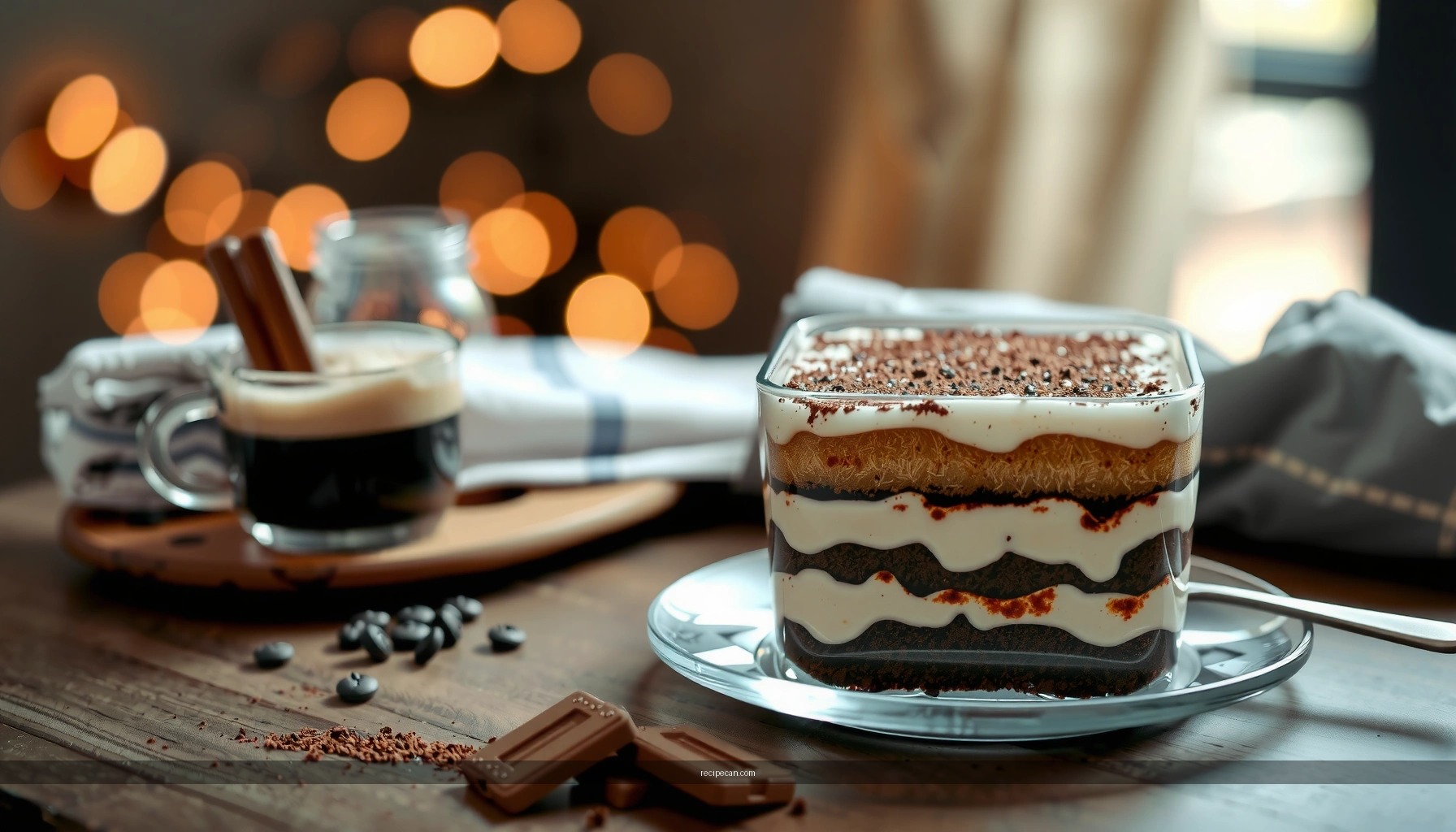
Mastering the art of crafting the perfect mocha coffee recipe elevates your beverage experience from ordinary to extraordinary. This expert guide provides precise instructions and essential tips to ensure every cup is rich, balanced, and indulgent. Following the right protocol is crucial, as it not only enhances flavor but also showcases the skill behind this beloved drink. Whether you’re a novice or a seasoned barista, this guide will empower you to create café-quality mocha at home.
What This Guide Covers (And What It Doesn’t)
This guide provides a comprehensive, step-by-step process for crafting a classic mocha coffee recipe. You’ll find insights on ingredient selection, preparation techniques, and tips for achieving a harmonious balance of flavors. However, it does not delve into variations such as white mocha, vegan mocha, or iced mocha; for those alternatives, readers should consult specialized resources. This guide is designed for home coffee enthusiasts eager to elevate their brewing skills and create a professional-quality mocha in the comfort of their own kitchens.
Who Should Read This
This guide is tailored for coffee lovers who possess a basic understanding of brewing but want to refine their skills specifically in making mocha coffee. If you enjoy experimenting with flavors and wish to learn about the interplay between espresso, chocolate, and milk, you’ll find this guide particularly valuable. However, it may not suit complete novices without any knowledge of coffee preparation, nor those seeking quick, instant methods without a commitment to quality.
The Step-by-Step Protocol

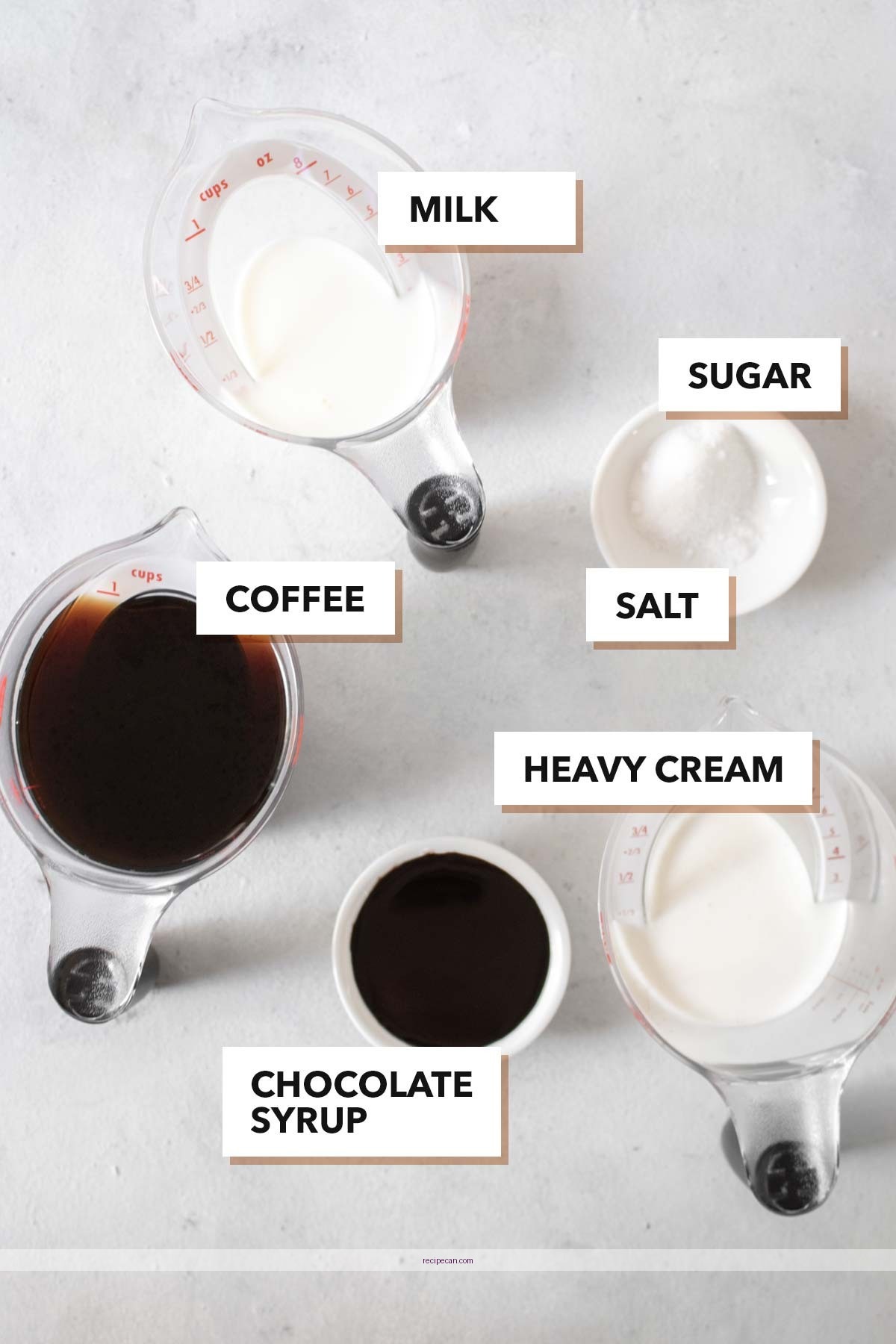
1. Gather Ingredients: You’ll need 1 shot (1 ounce) of espresso, 2 tablespoons of high-quality unsweetened cocoa powder, 1 tablespoon of sugar (adjust to taste), 6 ounces of steamed milk, and whipped cream for topping.
2. Prepare the Espresso: Brew one shot of espresso using an espresso machine or stovetop moka pot. Ensure the coffee is fresh and ground specifically for espresso to extract optimal flavor. The ideal extraction time for espresso is approximately 25-30 seconds.
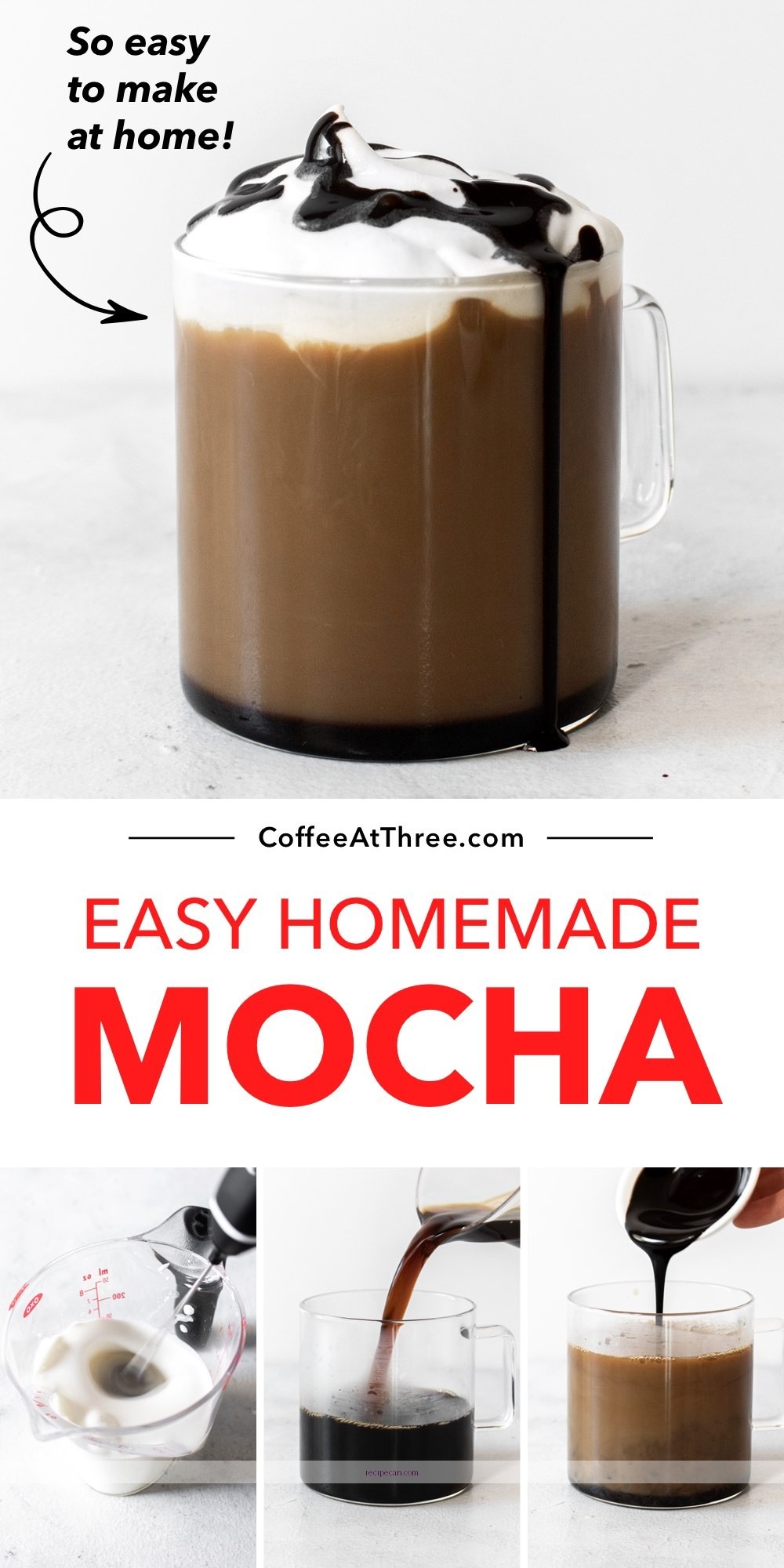
3. Mix Cocoa and Sugar: In a separate cup, combine the cocoa powder and sugar. Add 1 ounce of hot water (around 200°F) and stir until the mixture forms a smooth paste, ensuring no lumps remain. This step is crucial for integrating the chocolate flavor evenly into your mocha.
4. Combine Ingredients: Pour the freshly brewed espresso into the cocoa-sugar mixture and stir thoroughly. Gradually add the steamed milk, mixing continuously until well incorporated. The milk should be steamed to a temperature of around 150°F to 155°F, providing a creamy texture without scalding.
5. Finish and Serve: Top with whipped cream if desired. For an extra touch, you may sprinkle additional cocoa powder or chocolate shavings on top. Serve immediately to enjoy the optimal flavor and temperature.
Top 7 Cocoa Powders for Mocha Coffee (2024)
| # | Brand | Cocoa Type | Sugar Content | Flavor Profile |
|---|---|---|---|---|
| 1 | Valrhona | Dutch-Processed | None | Rich, Smooth |
| 2 | Ghirardelli | Natural | 10g | Deep, Chocolatey |
| 3 | Hershey’s | Natural | 16g | Sweet, Smooth |
| 4 | Scharffen Berger | Natural | None | Complex, Fruity |
| 5 | Cacao Barry | Dutch-Processed | None | Intense, Bold |
| 6 | Nestlé | Natural | 12g | Mild, Balanced |
| 7 | Pernigotti | Dutch-Processed | None | Rich, Velvety |
Warning Signs: When Not to Follow This
– Avoid this guide if you have a sensitivity to caffeine, as mocha coffee contains espresso, which can exacerbate symptoms like jitters or insomnia.
– If you are lactose intolerant or allergic to dairy, the standard recipe may not be suitable without adjustments; consider alternatives such as oat or almond milk.
– If you prefer a significantly low-calorie or sugar-free beverage, traditional mocha recipes may not align with your dietary preferences without substantial alterations.
The Most Common Mistakes (And Their Consequences)
– Using low-quality cocoa powder can result in a flat or overly bitter flavor profile, undermining the richness that defines a great mocha coffee. Always opt for high-quality, unsweetened cocoa.
– Failing to steam the milk properly can lead to a watery texture, detracting from the overall creaminess and mouthfeel of the drink. Ensure the milk is steamed to the correct temperature and frothed adequately.
– Skipping the step of creating a smooth cocoa paste may leave lumps in your mocha, negatively impacting both texture and taste. This step is vital for achieving a cohesive drink.
Special Cases That Need a Different Approach
– For those who prefer a sweeter mocha, consider increasing the sugar to 2 tablespoons or adding flavored syrups such as vanilla or hazelnut for added depth.
– If you’re preparing a mocha for someone with dietary restrictions (e.g., vegan), substitute dairy milk with almond, soy, or coconut milk and ensure the cocoa is dairy-free.
– In high-altitude locations, adjustments may be necessary, such as increasing the brewing time of espresso due to the lower boiling points of water.
When You Need a Professional
– If you’re interested in exploring complex coffee brewing techniques or wish to delve deeper into the intricacies of flavor profiling, consider attending a workshop led by a certified barista.
– For individuals with specific health concerns related to caffeine consumption or dietary restrictions linked to ingredients in mocha recipes, consulting a nutritionist may be beneficial.
– If you’re contemplating opening a coffee shop and want to serve a signature mocha, collaborating with a food scientist or beverage consultant can help optimize your recipe for commercial preparation.
Sources and Further Reading
– “The Coffee Roaster’s Companion” by Scott Rao — an authoritative resource on coffee brewing techniques and flavor profiles.
– Specialty Coffee Association (SCA) guidelines for espresso preparation and milk steaming techniques.
– Research articles on the health effects of caffeine consumption and its implications for different demographics published in journals like the “American Journal of Clinical Nutrition.”
Frequently Asked Questions
What ingredients do I need for a classic mocha coffee recipe?
To make a classic mocha coffee, you will need espresso or strong brewed coffee, steamed milk, chocolate syrup or cocoa powder, and whipped cream for topping. Additionally, you can use milk alternatives like almond or oat milk to cater to dietary preferences. Combining these ingredients creates a rich, chocolatey coffee experience.
How do I make a mocha coffee at home?
To make a mocha coffee at home, start by brewing a strong cup of coffee or espresso. In a separate container, mix chocolate syrup with hot milk until well combined, then add the brewed coffee. Finally, top it with whipped cream and a drizzle of chocolate syrup for an indulgent touch that enhances the mocha flavor.
Why is my mocha coffee not sweet enough?
If your mocha coffee isn’t sweet enough, it could be due to insufficient chocolate syrup or cocoa powder. Adjust the sweetness by adding more chocolate syrup or a sweetener of your choice. Remember that the balance between coffee and chocolate is key, so feel free to experiment until you achieve your preferred sweetness level.
What is the best type of chocolate to use in a mocha recipe?
The best type of chocolate for a mocha recipe is typically unsweetened cocoa powder or high-quality chocolate syrup that complements the coffee’s flavor. Dark chocolate offers a rich taste that pairs well with espresso, while milk chocolate provides a sweeter, creamier option. Choose based on your personal preference for a delicious mocha.
Which milk is best for making mocha coffee?
The best milk for making mocha coffee depends on your taste and dietary needs. Whole milk creates a creamy, rich texture, while skim milk offers a lighter option. For dairy-free alternatives, oat milk or almond milk are popular choices that also blend well with chocolate and coffee, providing a delicious mocha experience.
References
- https://en.wikipedia.org/wiki/Mocha
https://en.wikipedia.org/wiki/Mocha - https://www.bbc.co.uk/food/recipes/mocha_18565
https://www.bbc.co.uk/food/recipes/mocha_18565 - https://www.sciencedirect.com/topics/agricultural-and-biological-sciences/mocha
https://www.sciencedirect.com/topics/agricultural-and-biological-sciences/mocha - Checking your browser – reCAPTCHA
https://www.ncbi.nlm.nih.gov/pmc/articles/PMC6832394/ - Page Not Found – Site Help – Mayo Clinic
https://www.mayoclinic.org/healthy-lifestyle/nutrition-and-healthy-eating/expert-answers/coffee/faq-20057991 - https://www.nytimes.com/2020/02/05/dining/coffee-mocha-recipe.html
https://www.nytimes.com/2020/02/05/dining/coffee-mocha-recipe.html - https://www.cdc.gov/healthyweight/healthy_eating/index.html
https://www.cdc.gov/healthyweight/healthy_eating/index.html - Google Scholar Google Scholar
https://scholar.google.com/scholar?q=mocha+recipe+coffee - Google Scholar Google Scholar
https://scholar.google.com/scholar?q=coffee+health+benefits - Google Scholar Google Scholar
https://scholar.google.com/scholar?q=mocha+coffee+preparation+methods