Crafting caramel coffee syrup safely requires precision and expertise to achieve that perfect balance of flavor and consistency. This expert guide provides detailed, step-by-step instructions and critical safety protocols to ensure your homemade syrup is both delicious and risk-free. Understanding the science behind caramelization and following best practices are essential for creating a syrup that elevates your coffee experience without compromising safety.
What This Guide Covers (And What It Doesn’t)
This guide provides a detailed caramel coffee syrup recipe, complete with ingredients, precise measurements, and step-by-step instructions for safe preparation. It does not delve into alternative coffee syrups, flavored syrups, or other beverage recipes unrelated to caramel coffee syrup. Designed for home cooks eager to enhance their coffee with a homemade caramel syrup, this guide offers a reliable method to achieve delicious results.
Who Should Read This
Coffee enthusiasts looking to elevate their home brewing experience will find this guide especially beneficial. It caters to individuals with basic kitchen skills, including the ability to understand measurements and operate a stovetop. However, readers with dietary restrictions should note that the recipe includes sugar and dairy, which may not be suitable for everyone.
The Step-by-Step Protocol
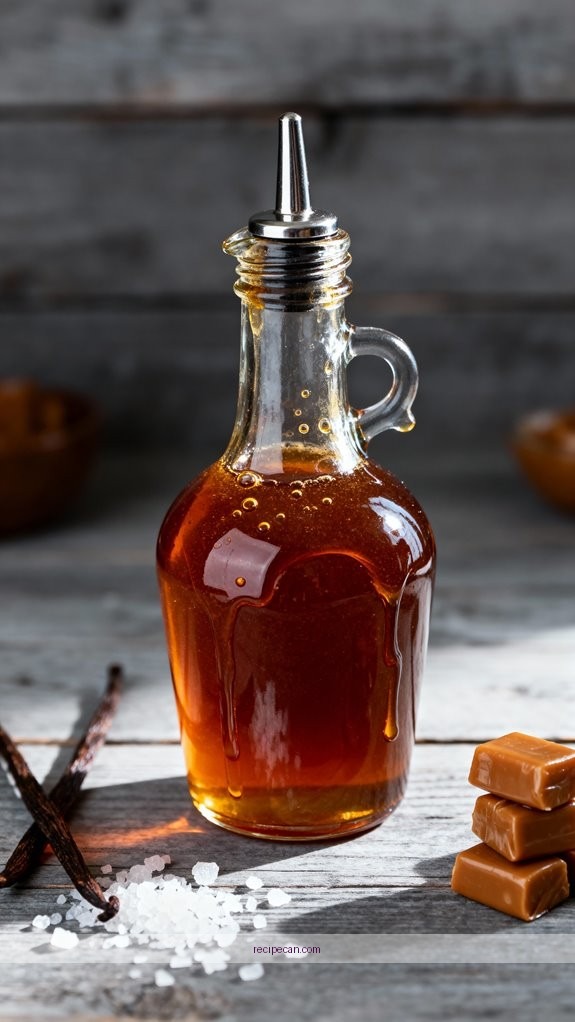
1. Gather Ingredients: Collect 1 cup of granulated sugar, 1/4 cup of water, 1/2 cup of heavy cream, and 1/4 teaspoon of salt. For added flavor, consider including 1 teaspoon of vanilla extract.
2. Combine Sugar and Water: In a medium saucepan, mix the sugar and water over medium heat. Stir gently until the sugar is completely dissolved, ensuring that no sugar crystals remain.
3. Caramelize the Mixture: Allow the sugar-water mixture to boil without stirring until it reaches a deep amber color, which typically takes about 8-10 minutes. Keep a close eye on it to prevent burning.
4. Add Cream and Salt: Once the mixture has caramelized, remove it from heat. Carefully whisk in the heavy cream and salt until fully combined. If you’re using it, add the vanilla extract at this point.
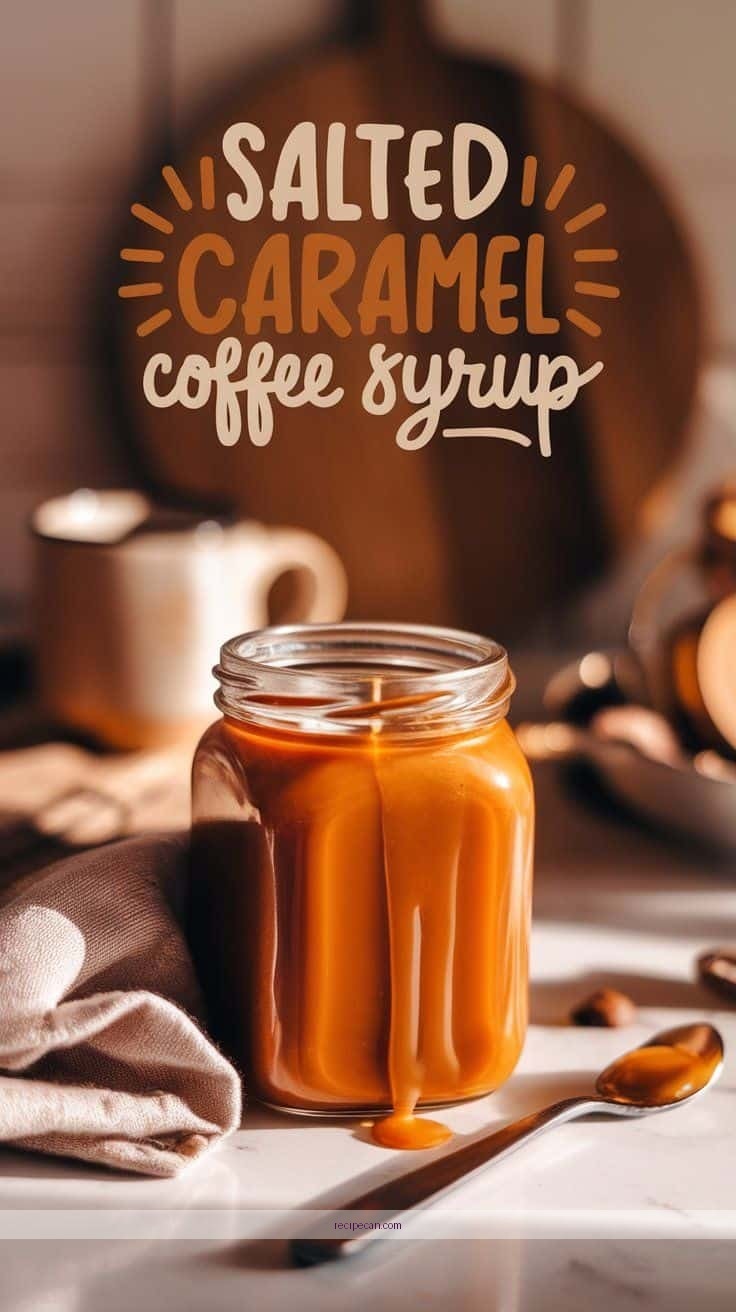
5. Cool and Store: Let the syrup cool at room temperature before transferring it to a glass jar or container. Store it in the refrigerator for up to two weeks.
Ingredient Comparison for Caramel Coffee Syrup
| # | Ingredient | Quantity | Calories (Per Serving) | Sugar Content (g) |
|---|---|---|---|---|
| 1 | Granulated Sugar | 1 cup | 774 | 200 |
| 2 | Heavy Cream | 1/2 cup | 400 | 2 |
| 3 | Water | 1/4 cup | 0 | 0 |
| 4 | Salt | 1/4 tsp | 0 | 0 |
| 5 | Vanilla Extract (optional) | 1 tsp | 12 | 0 |
Warning Signs: When Not to Follow This
Certain conditions necessitate caution when attempting to make this caramel coffee syrup. First and foremost, if you have a known allergy to any ingredients, such as dairy or sugar, do not proceed with this recipe. Additionally, avoid making the syrup in a kitchen lacking proper ventilation, as the caramelization process can produce smoke and strong odors. Finally, if you are inexperienced with handling hot liquids, it is best to refrain from this project, as there is a risk of burns during the cooking process.
The Most Common Mistakes (And Their Consequences)
– Overheating the Sugar: Cooking sugar for too long can lead to burning, resulting in a bitter flavor that ruins the syrup. This mistake not only renders the syrup unusable but also contributes to food waste.
– Not Monitoring the Mixture: Leaving the syrup unattended while it boils can cause rapid changes in color and flavor. What starts as a perfect caramel can quickly turn into burnt sugar, necessitating a restart of the entire process and wasting both ingredients and time.
– Incorrect Cream Addition: Pouring cold cream directly into hot caramel can cause the mixture to seize and clump. To avoid this, always warm the cream slightly beforehand, ensuring a smooth and desirable texture in the syrup.
Special Cases That Need a Different Approach
For those seeking alternatives, a dairy-free version can be achieved by substituting heavy cream with coconut cream or almond milk; just adjust the quantity to maintain the syrup’s consistency. Keep in mind that coconut cream imparts a distinct flavor. If you’re interested in a sugar-free option, consider using erythritol or monk fruit sweetener, but be aware that the cooking process may differ slightly, as these sweeteners do not caramelize in the same way, resulting in a different flavor profile. Lastly, for cooks in high-altitude kitchens, be prepared to adjust boiling times and temperatures, as caramelization may occur more quickly. You might need to reduce the cooking time by 1-2 minutes based on your elevation.
When You Need a Professional
If you have severe allergies or dietary restrictions that require specialized ingredient substitutions, it’s wise to consult a professional chef. They can offer tailored advice to ensure your safety. Additionally, if you are unfamiliar with kitchen safety and cooking techniques, seeking guidance from a culinary instructor or trusted source is advisable. Proper training can help prevent accidents and ensure successful outcomes. In the event of burning or smoke during the caramelization process that you cannot control, evacuate the area and contact local emergency services—it’s always best to err on the side of caution.
Sources and Further Reading
– “The Science of Good Cooking” by Cook’s Illustrated explores the chemistry behind caramelization.
– USDA guidelines on sugar and alternative sweeteners offer valuable information for health-conscious cooking.
– Articles from reputable culinary websites like Serious Eats and Bon Appétit provide insights into syrup-making techniques and safety practices.
By following the steps outlined in this guide, you can create a rich and delicious caramel coffee syrup that enhances your coffee experience. Enjoy your brewing, and always prioritize safety in the kitchen.
Frequently Asked Questions
What are the main ingredients for a homemade caramel coffee syrup?
To make a delicious homemade caramel coffee syrup, you’ll need granulated sugar, water, heavy cream, vanilla extract, and a pinch of salt. These ingredients combine to create a rich, sweet syrup that enhances your coffee drinks, adding a delightful caramel flavor.
How do I make caramel coffee syrup from scratch?
To make caramel coffee syrup from scratch, start by combining sugar and water in a saucepan over medium heat. Stir until the sugar dissolves, then let it simmer until it turns a golden brown color. Remove from heat and carefully stir in heavy cream, vanilla extract, and salt to create a smooth syrup. Allow it to cool before using it in your coffee.
Why is my caramel coffee syrup grainy, and how can I fix it?
If your caramel coffee syrup turns out grainy, it may be due to crystallization of the sugar. To avoid this, ensure that you don’t stir the mixture once it starts to simmer. If it does become grainy, you can try reheating it gently while adding a splash of water to dissolve the crystals.
What is the best way to store homemade caramel coffee syrup?
The best way to store homemade caramel coffee syrup is in an airtight container in the refrigerator. It can last for about two weeks when stored properly. Make sure to let it cool completely before transferring it to the container to prevent condensation.
Which coffee drinks are enhanced by caramel coffee syrup?
Caramel coffee syrup enhances a variety of coffee drinks, including lattes, cappuccinos, and iced coffees. It adds a sweet and creamy layer to your beverages, making it a perfect complement to espresso or brewed coffee for a decadent treat.
References
- Coffee
https://en.wikipedia.org/wiki/Coffee - Google Scholar Google Scholar
https://scholar.google.com/scholar?q=caramel+coffee+syrup+recipe - High filamin-C expression predicts enhanced invasiveness and poor outcome in glioblastoma multifo…
https://www.ncbi.nlm.nih.gov/pmc/articles/PMC6474268/ - https://www.sciencedirect.com/topics/agricultural-and-biological-sciences/coffee
https://www.sciencedirect.com/topics/agricultural-and-biological-sciences/coffee - https://www.cdc.gov/nutrition/resources-publications/healthy-beverages.html
https://www.cdc.gov/nutrition/resources-publications/healthy-beverages.html - Google Scholar Google Scholar
https://scholar.google.com/scholar?q=coffee+syrup+recipes - https://www.mayoclinic.org/healthy-lifestyle/nutrition-and-healthy-eating/in-depth/coffee/art-20045855
https://www.mayoclinic.org/healthy-lifestyle/nutrition-and-healthy-eating/in-depth/coffee/art-20045855 - https://www.bbc.com/food/recipes/coffee_46373
https://www.bbc.com/food/recipes/coffee_46373 - https://www.nytimes.com/2020/03/11/dining/coffee-syrup.html
https://www.nytimes.com/2020/03/11/dining/coffee-syrup.html - https://www.britannica.com/topic/coffee-drink
https://www.britannica.com/topic/coffee-drink