Crafting bacon and onion jam requires precision and safety to achieve the perfect blend of savory and sweet. This expert guide provides detailed, step-by-step instructions for making this delicious condiment while adhering to safe food handling practices. Mastering this recipe not only elevates your culinary skills but ensures that your homemade jam is both tasty and safe for consumption.
What This Guide Covers (And What It Doesn’t)
This guide presents a comprehensive, step-by-step recipe for crafting bacon and onion jam, detailing specific ingredient lists and cooking techniques to ensure both safety and quality. It emphasizes the culinary aspects of making this savory jam, outlining best practices for flavor development, preservation methods, and ingredient sourcing. However, it does not delve into variations of onion jam without bacon or explore other jam recipes; it is specifically designed for those eager to create a rich bacon and onion jam. Readers looking for unrelated cooking techniques or recipes beyond the scope of bacon and onion jams will need to seek alternative resources.
Who Should Read This
This guide is targeted at home cooks who possess a basic understanding of culinary techniques, such as sautéing, simmering, and preserving. Food enthusiasts aiming to elevate their culinary repertoire with a unique condiment will find the insights particularly valuable. Beginners eager to explore jam-making will appreciate the clear, actionable instructions provided throughout. However, those with dietary restrictions regarding bacon or onions may find this guide less applicable, as it focuses exclusively on a bacon-centric recipe.
The Step-by-Step Protocol
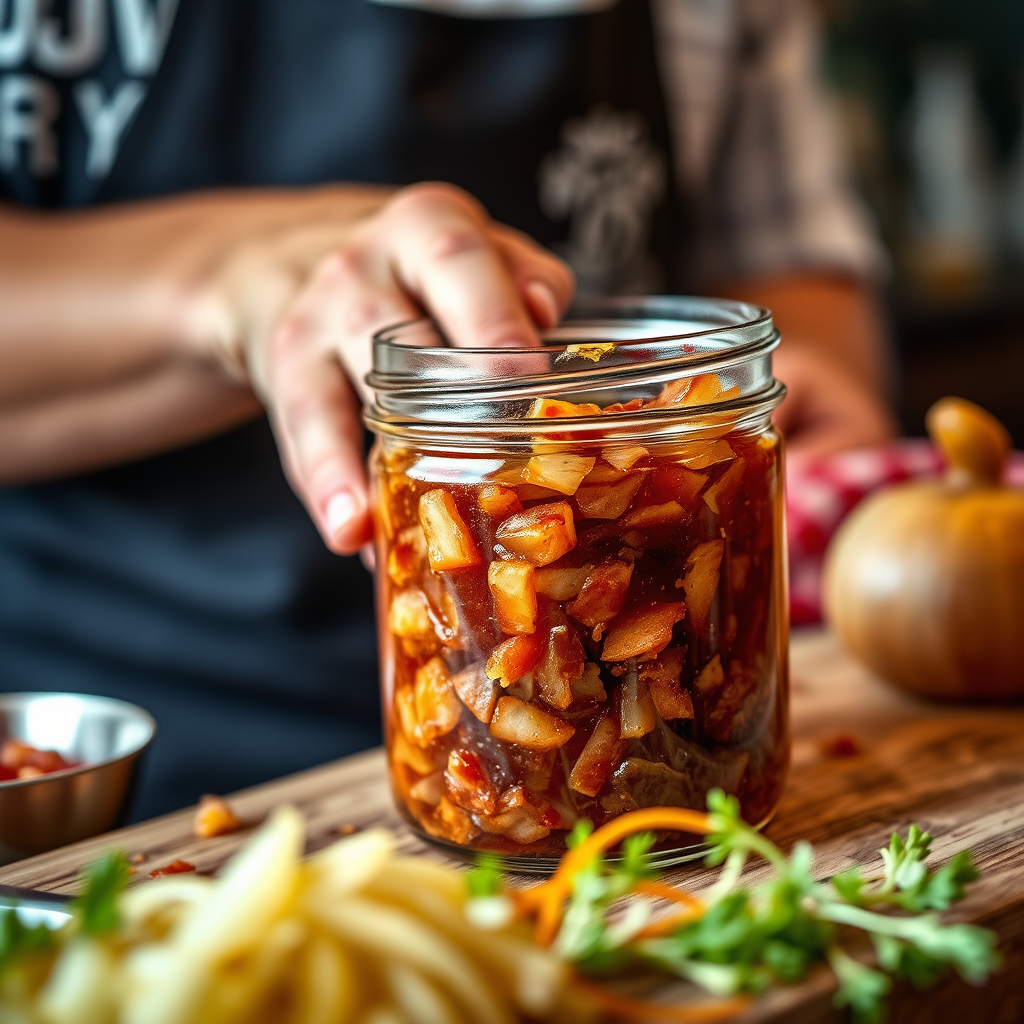
1. Gather Ingredients: Collect 1 pound of bacon, 2 large onions (preferably yellow), 1 cup of brown sugar, 1 cup of balsamic vinegar, and a pinch of salt and pepper.
2. Cook the Bacon: In a large skillet, cook the bacon over medium heat until crispy, about 8-10 minutes. Remove the bacon, leaving the rendered fat in the skillet.
3. Sauté Onions: Add the sliced onions to the skillet with the bacon fat and cook on medium-low heat until they are caramelized, about 20-25 minutes. Stir occasionally to prevent burning.
4. Combine Ingredients: Chop the cooked bacon and return it to the skillet along with the brown sugar and balsamic vinegar. Stir well and simmer for 30 minutes until the mixture thickens.
5. Cool and Store: Allow the jam to cool at room temperature for 10 minutes before transferring it to sterilized jars. Store in the refrigerator for up to 2 weeks or process in a water bath for long-term preservation.
Ingredient Nutritional Values per Serving (1 Tbsp)
| # | Ingredient | Calories | Fat (g) | Sugar (g) | Fiber (g) |
|---|---|---|---|---|---|
| 1 | Bacon | 42 | 3.3 | 0 | 0 |
| 2 | Onion | 9 | 0.1 | 1.1 | 0.3 |
| 3 | Brown Sugar | 15 | 0 | 4 | 0 |
| 4 | Balsamic Vinegar | 14 | 0 | 2.1 | 0 |
| 5 | Salt | 0 | 0 | 0 | 0 |
| 6 | Pepper | 1 | 0.03 | 0 | 0 |
| 7 | Total per Tbsp | 81 | 3.43 | 7.2 | 0.6 |
Warning Signs: When Not to Follow This
Avoid making this bacon and onion jam if you are allergic to any of the ingredients, including bacon, onions, or vinegar. If you lack the essential kitchen tools, such as a large skillet, cutting board, and jars for storage, this recipe may not be suitable for you. Additionally, do not attempt this recipe if you cannot access a reliable heat source or if you are unable to monitor the cooking process closely to prevent burning. If you are unfamiliar with food safety practices, such as proper sterilization of jars, it may be prudent to seek guidance before proceeding.
The Most Common Mistakes (And Their Consequences)
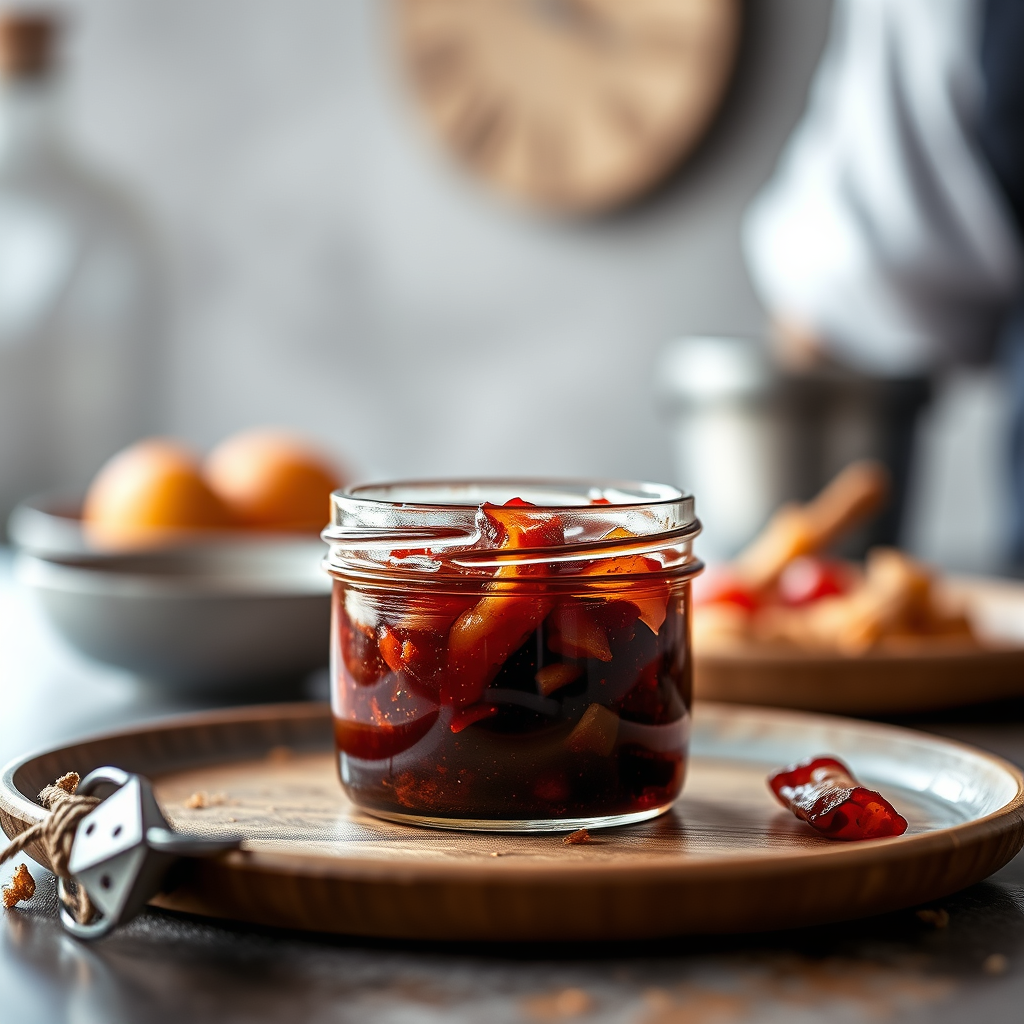
One prevalent mistake is not properly caramelizing the onions, which can lead to a jam that lacks depth of flavor and sweetness. Ensure the onions are cooked slowly until they reach a golden brown hue. Overcooking the bacon can impart a bitter taste to the final product; aim for a crispy yet not burnt texture to maintain balance. Failing to monitor the consistency during simmering may result in a jam that is either too runny or overly thick, both of which can compromise usability. Additionally, neglecting to sterilize jars properly before filling can lead to spoilage, rendering the jam unsafe to consume.
Special Cases That Need a Different Approach
If you have dietary restrictions, consider substituting turkey bacon for a lower-fat option, but be aware that this may alter the flavor profile. For those looking to reduce sugar intake, using a sugar substitute can be an option, though the final texture and taste may vary significantly. If you prefer a spicier jam, try adding a pinch of cayenne pepper or finely chopped jalapeños during the simmering process for an extra kick. For a more gourmet twist, incorporating herbs like thyme or rosemary can enhance complexity, although this will change the traditional flavor of the jam.
When You Need a Professional
If you have underlying health conditions, such as severe food allergies or diabetes, consult a healthcare provider before consuming homemade jams. If you are uncertain about safe canning practices or the acidity levels of your bacon and onion jam, it’s crucial to seek advice from a food preservation expert or a local extension service. Those planning to sell the jam commercially should also consult a food safety professional to ensure compliance with local health regulations. If you experience any adverse reactions after consuming the jam, such as gastrointestinal distress, seek medical attention promptly.
Sources and Further Reading
– National Center for Home Food Preservation: Offers guidelines on safe canning and food preservation techniques.
– “The Joy of Cooking”: A classic resource for comprehensive cooking techniques, including jam-making.
– FoodSafety.gov: Provides insights into safe food handling practices, which are essential when making homemade preserves.
– “Preserving the Harvest” by the University of Georgia: A detailed guide on preserving fruits and vegetables safely, including jam recipes.
Frequently Asked Questions
What ingredients do I need for a bacon and onion jam recipe?
To make a delicious bacon and onion jam, you’ll need the following ingredients: 1 pound of bacon, 2 large onions (preferably sweet onions), 1 cup of brown sugar, 1/2 cup of apple cider vinegar, and a pinch of salt and pepper. Optional ingredients include garlic and herbs for added flavor, giving your jam a unique twist.
How long does it take to prepare and cook bacon and onion jam?
The preparation time for bacon and onion jam is approximately 15 minutes, while the cooking process can take around 45 minutes to 1 hour. Cooking slowly allows the onions to caramelize and the flavors to meld, resulting in a rich and savory jam that pairs well with various dishes.
Why is my bacon and onion jam too sweet?
If your bacon and onion jam turns out too sweet, it could be due to the ratio of brown sugar to onions or the type of onions used. To balance the sweetness, consider adding a splash more vinegar or incorporating some savory elements like additional bacon or herbs to enhance the flavor profile.
What are the best ways to use bacon and onion jam?
Bacon and onion jam is incredibly versatile and can be used in various ways. It makes an excellent topping for burgers, a delicious spread on sandwiches, or a flavorful addition to cheese boards. Additionally, it can be served alongside roasted meats or used as a condiment for appetizers.
Which type of onions work best for bacon and onion jam?
Sweet onions, such as Vidalia or Walla Walla, are the best choice for bacon and onion jam due to their natural sweetness and ability to caramelize beautifully. However, you can also mix in yellow onions for a more balanced flavor or even red onions for a hint of color and sharpness in your jam.
References
- Bacon
https://en.wikipedia.org/wiki/Bacon - https://www.bbc.co.uk/food/recipes/bacon_and_onion_jam_78370
https://www.bbc.co.uk/food/recipes/bacon_and_onion_jam_78370 - https://www.nytimes.com/2011/12/14/dining/bacon-jam-recipe.html
https://www.nytimes.com/2011/12/14/dining/bacon-jam-recipe.html - https://www.sciencedirect.com/topics/food-science/jam
https://www.sciencedirect.com/topics/food-science/jam - https://pubmed.ncbi.nlm.nih.gov/
https://pubmed.ncbi.nlm.nih.gov/ - Google Scholar Google Scholar
https://scholar.google.com/scholar?q=bacon+onion+jam+recipe - Google Scholar Google Scholar
https://scholar.google.com/scholar?q=bacon+jam - Google Scholar Google Scholar
https://scholar.google.com/scholar?q=onion+jam+recipes - https://www.theguardian.com/food/2020/jul/07/bacon-jam-recipe
https://www.theguardian.com/food/2020/jul/07/bacon-jam-recipe - Jam | food | Britannica
https://www.britannica.com/topic/jam-food