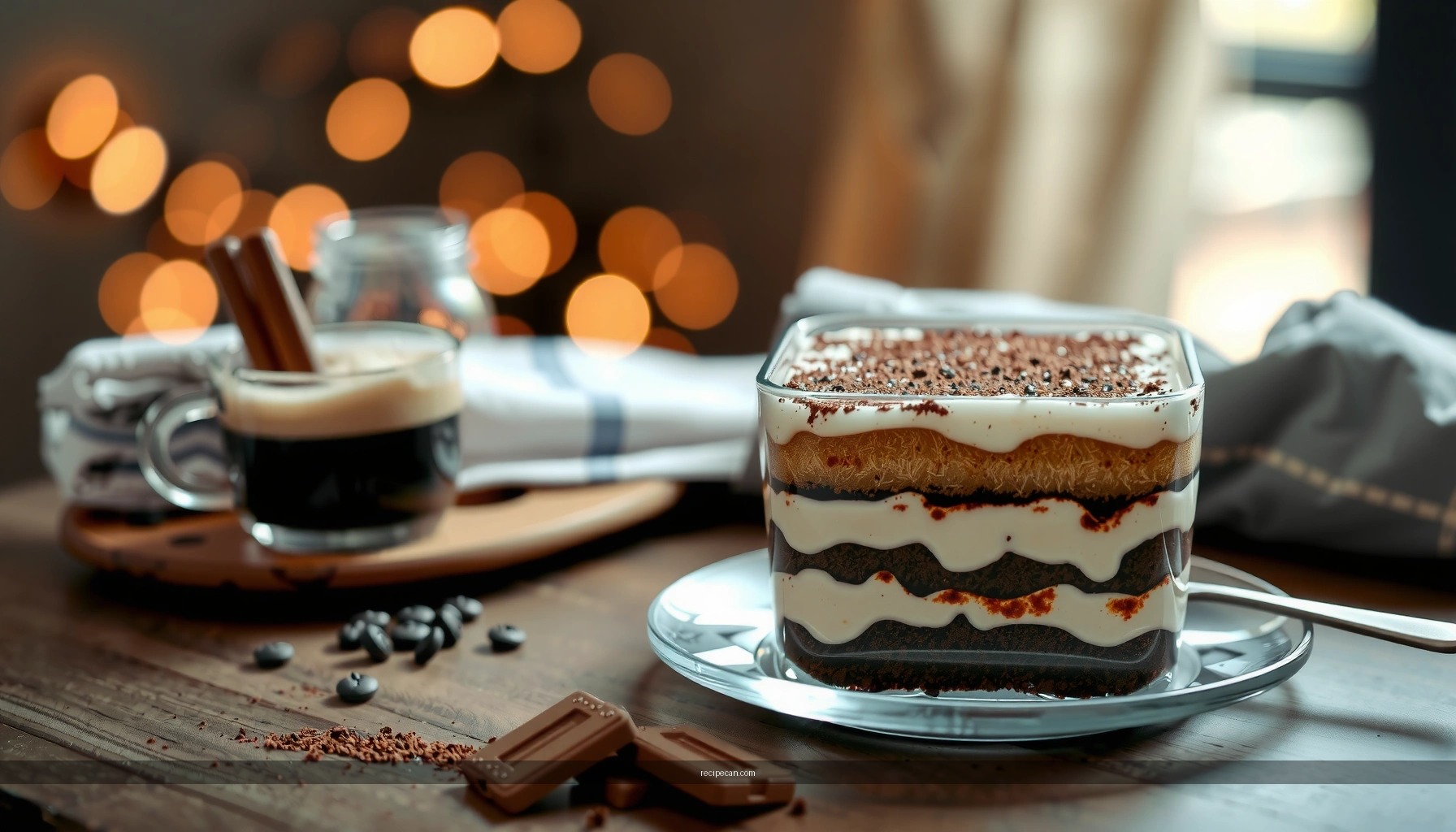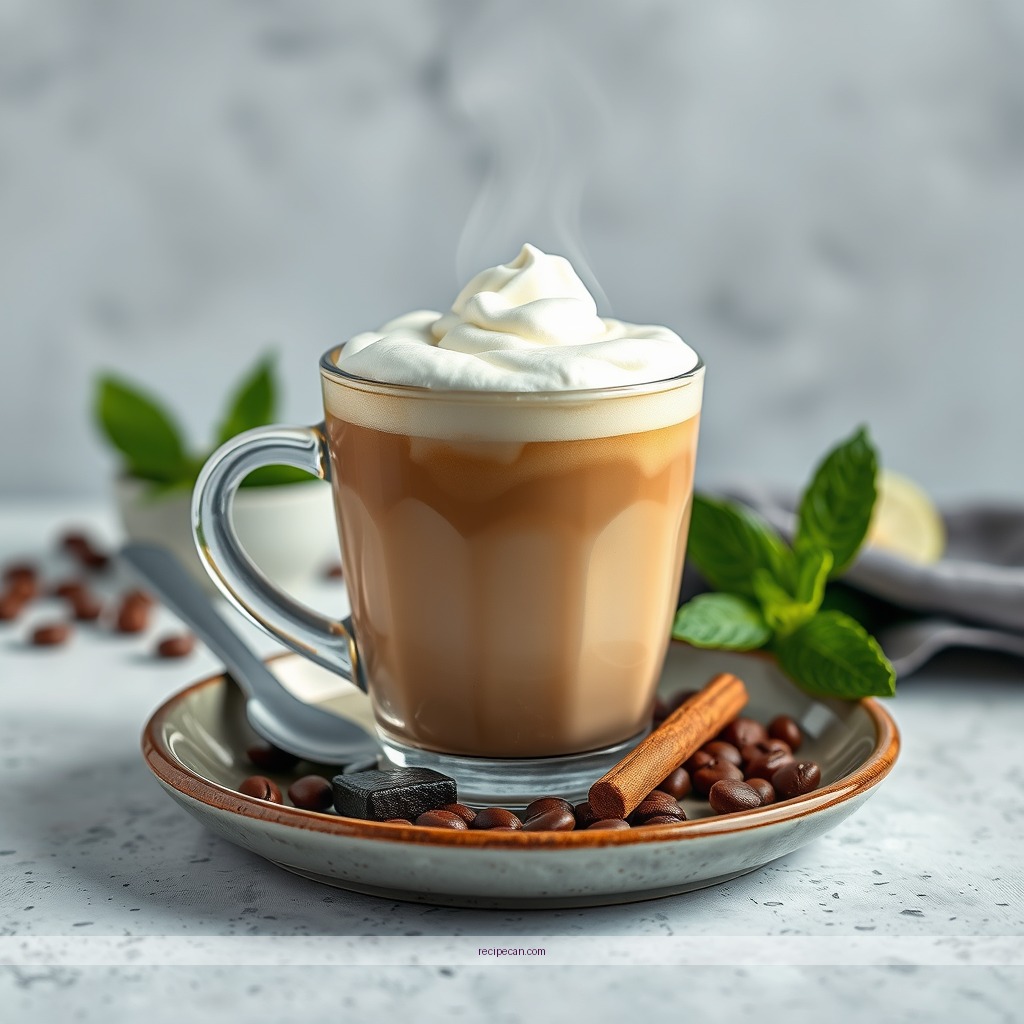
Crafting a perfect coffee latte recipe requires precision and technique to achieve that ideal balance of espresso, milk, and foam. This expert guide provides step-by-step instructions, essential tips, and common pitfalls to avoid, ensuring you elevate your latte-making skills. For both home baristas and coffee aficionados, mastering this recipe not only enhances your beverage experience but also deepens your appreciation for the art of coffee.
What This Guide Covers (And What It Doesn’t)
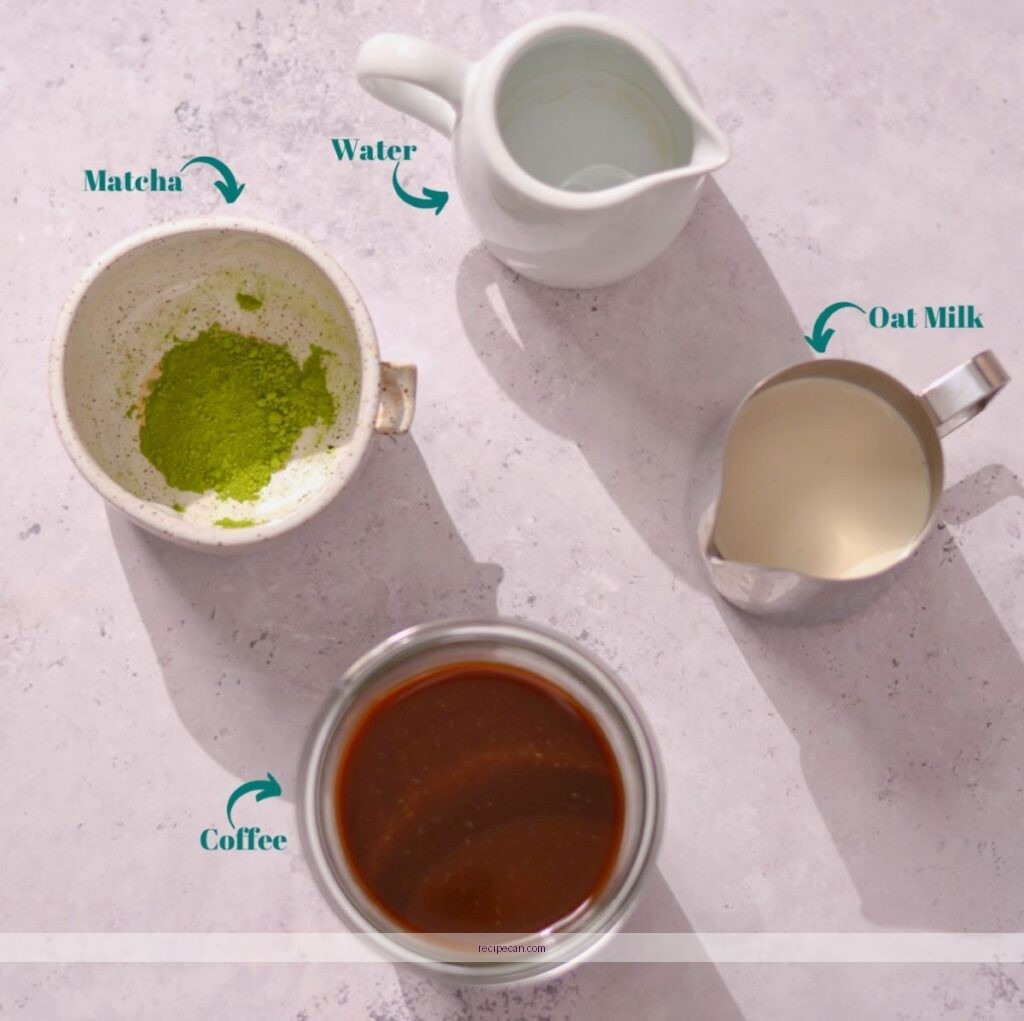
This guide provides a comprehensive overview of creating a classic coffee latte, focusing on the essential ingredients, equipment, techniques, and variations to enhance your latte experience. While it emphasizes the traditional coffee latte made with espresso and steamed milk, it excludes other coffee variants like cappuccinos or flavored lattes. You’ll find precise measurements for ingredients, detailed preparation steps, and valuable tips for troubleshooting common latte-making issues.
Who Should Read This
Coffee enthusiasts eager to elevate their home brewing skills will find this guide particularly useful. It caters to individuals with a basic understanding of coffee brewing methods who feel comfortable using an espresso machine and steaming milk. Beginners willing to learn and experiment will also benefit, as this guide breaks down the latte-making process into manageable steps.
The Step-by-Step Protocol
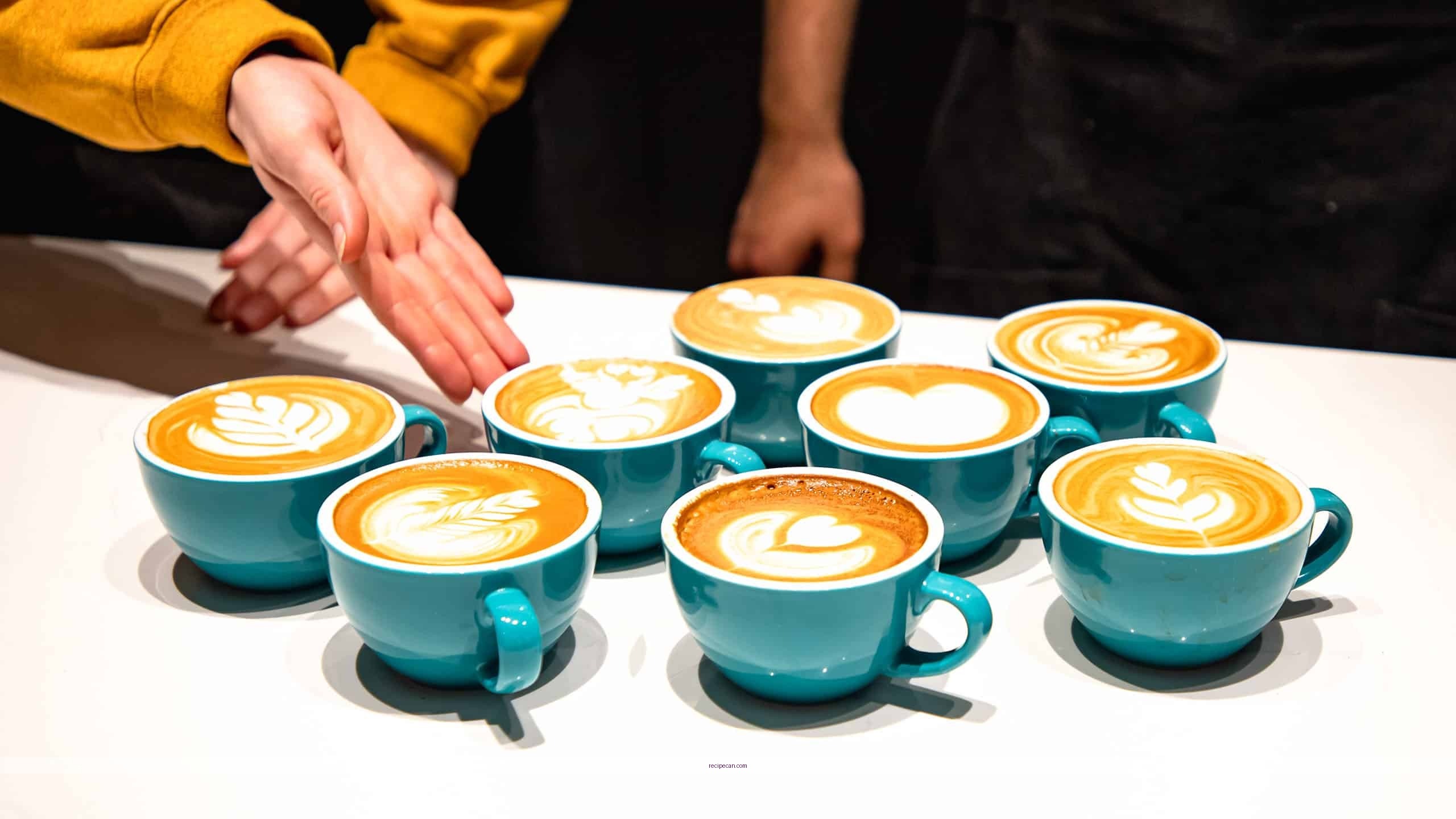
1. Gather Ingredients: Start with 1 shot (approximately 1 ounce) of high-quality espresso beans, 6-8 ounces of fresh, cold milk, and any optional sweeteners or flavorings.
2. Brew the Espresso: Use an espresso machine to extract 1 shot of espresso, aiming for a brewing time of 25-30 seconds for optimal flavor. Ensure the beans are freshly ground to enhance taste and aroma.
3. Steam the Milk: Heat the milk using a steam wand until it reaches 150-155°F. This temperature creates microfoam, resulting in a velvety texture with small, fine bubbles. Keep the steam wand submerged for even heating and to avoid scalding.
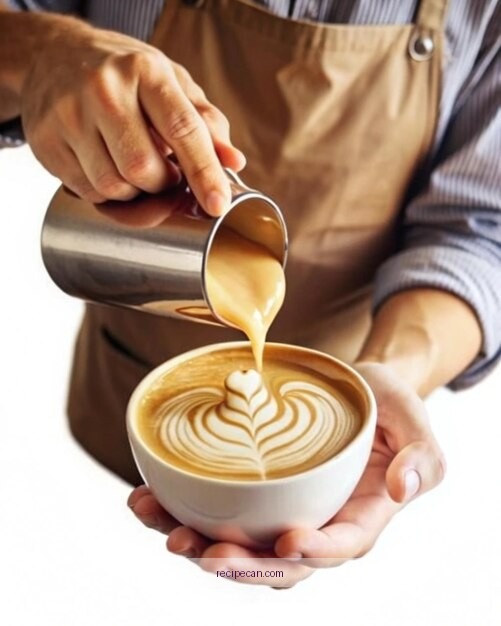
4. Combine and Serve: Pour the steamed milk gently over the espresso, using a spoon to hold back the foam and control the amount that flows into the cup. Finish with a dollop of foam on top for presentation, and optionally sprinkle a bit of cocoa or cinnamon for garnish.
Essential Coffee Latte Ingredients and Techniques
| # | Ingredient/Technique | Recommended Amount | Optimal Temperature | Frothing Time |
|---|---|---|---|---|
| 1 | Espresso | 1 oz | 190-200°F | 25-30 sec |
| 2 | Whole Milk | 6-8 oz | 150-155°F | 15-20 sec |
| 3 | Soy Milk | 6-8 oz | 140-150°F | 20-25 sec |
| 4 | Oat Milk | 6-8 oz | 140-150°F | 20-25 sec |
| 5 | Cocoa Powder | 1 tsp | N/A | N/A |
| 6 | Cinnamon | 1/4 tsp | N/A | N/A |
| 7 | Sweeteners (optional) | To Taste | N/A | N/A |
Warning Signs: When Not to Follow This
If you have lactose intolerance or dairy allergies, consider substituting with plant-based milk; however, be aware that frothing may differ from dairy milk. Test your chosen alternative with small quantities before preparing a full latte. This recipe is not suitable if you have a heart condition or are sensitive to caffeine; in such cases, opt for decaffeinated espresso instead. Additionally, if your espresso machine is malfunctioning or not heating properly, refrain from making a latte until it is repaired, as this will compromise the quality of your drink.
The Most Common Mistakes (And Their Consequences)
Using pre-ground coffee instead of freshly ground espresso can lead to a bitter taste and a lack of crema, diminishing the overall quality of your latte. Overheating the milk beyond 160°F results in burnt milk, altering the flavor profile and creating an unpleasant texture. Pouring the milk too quickly may cause the foam to separate from the liquid, resulting in an unappealing presentation and inconsistent texture. Moreover, neglecting to clean your espresso machine regularly can introduce stale flavors that compromise the integrity of your latte.
Special Cases That Need a Different Approach
For those using non-dairy milk alternatives like oat or almond milk, adjustments in steaming technique may be necessary; these milks often require different temperatures for optimal frothing. Non-dairy milks can also produce varying levels of foam, affecting the final latte. If preparing a flavored latte, such as vanilla or caramel, incorporate syrups or extracts during the espresso brewing phase instead of after pouring, ensuring even distribution. In high-altitude locations, consider increasing the brewing temperature and steam pressure, as lower boiling points can affect milk frothing.
When You Need a Professional
If you’re unsure about the functionality of your espresso machine or steam wand, consult a technician before use to avoid damage or poor-quality espresso. Seek a barista or coffee expert if you consistently struggle with achieving the correct milk texture, as this skill is crucial for a proper latte. Additionally, if you experiment with coffee blends or flavors and notice adverse reactions, such as digestive issues or allergic responses, contact a healthcare professional for advice on suitable alternatives.
Sources and Further Reading
– “The Coffee Dictionary” by Maxwell Colonna-Dashwood provides an in-depth understanding of coffee types and brewing methods.
– The Specialty Coffee Association (SCA) offers detailed guidelines on espresso preparation and milk frothing techniques.
– The Barista Hustle website features extensive resources and tutorials on perfecting coffee-making skills, including latte art and milk texturing.
By following these guidelines, you’ll be well on your way to crafting a perfect coffee latte tailored to your taste preferences and dietary needs. Embrace the process and savor each cup.
Frequently Asked Questions
What ingredients do I need for a basic coffee latte recipe?
To make a basic coffee latte, you’ll need freshly brewed espresso, steamed milk, and milk foam. Typically, a latte consists of one shot of espresso and about 6-8 ounces of steamed milk, topped with a thin layer of milk foam. You can also add flavored syrups to customize your drink.
How do I froth milk for my coffee latte at home?
To froth milk for your coffee latte, heat your milk to about 150°F and use a milk frother, a French press, or a whisk to create foam. For the best results, choose whole milk for creaminess or non-dairy alternatives like oat milk for a vegan option. Aim for a velvety texture with small bubbles for an ideal latte experience.
Why is my coffee latte not creamy enough?
If your coffee latte is not creamy enough, it could be due to using low-fat milk or not frothing the milk properly. Whole milk or 2% milk generally creates the richest, creamiest texture. Additionally, ensure that you’re incorporating enough air into the milk while frothing to achieve a silky microfoam.
What is the best coffee for making a latte?
The best coffee for making a latte is a high-quality espresso roast, as it provides a rich and bold flavor that complements the milk. Look for coffee beans that are specifically labeled for espresso; these typically have a deeper, sweeter profile. Popular choices include medium to dark roasts which enhance the latte’s overall taste.
Which coffee equipment do I need to make a perfect latte at home?
To make a perfect latte at home, you will need an espresso machine or a stovetop espresso maker, a milk frother, and a good quality coffee grinder. A thermometer can help you achieve the right milk temperature, and a scale can ensure precise measurements for consistent results. Investing in these tools will elevate your latte-making experience.
References
- Latte
https://en.wikipedia.org/wiki/Latte - https://www.sciencedirect.com/science/article/pii/S2211601X19300513
https://www.sciencedirect.com/science/article/pii/S2211601X19300513 - https://www.mayoclinic.org/healthy-lifestyle/nutrition-and-healthy-eating/in-depth/coffee/art-20045865
https://www.mayoclinic.org/healthy-lifestyle/nutrition-and-healthy-eating/in-depth/coffee/art-20045865 - https://www.healthline.com/nutrition/coffee-and-health
https://www.healthline.com/nutrition/coffee-and-health - https://www.nytimes.com/2020/02/04/well/eat/how-to-make-coffee-latte.html
https://www.nytimes.com/2020/02/04/well/eat/how-to-make-coffee-latte.html - https://www.britannica.com/topic/latte
https://www.britannica.com/topic/latte - https://pubmed.ncbi.nlm.nih.gov/?term=coffee+latte
https://pubmed.ncbi.nlm.nih.gov/?term=coffee+latte - Google Scholar Google Scholar
https://scholar.google.com/scholar?q=coffee+latte+recipe - Google Scholar Google Scholar
https://scholar.google.com/scholar?q=latte+coffee+health+benefits - coffee latte recipe – Search results
https://en.wikipedia.org/wiki/Special:Search?search=coffee+latte+recipe