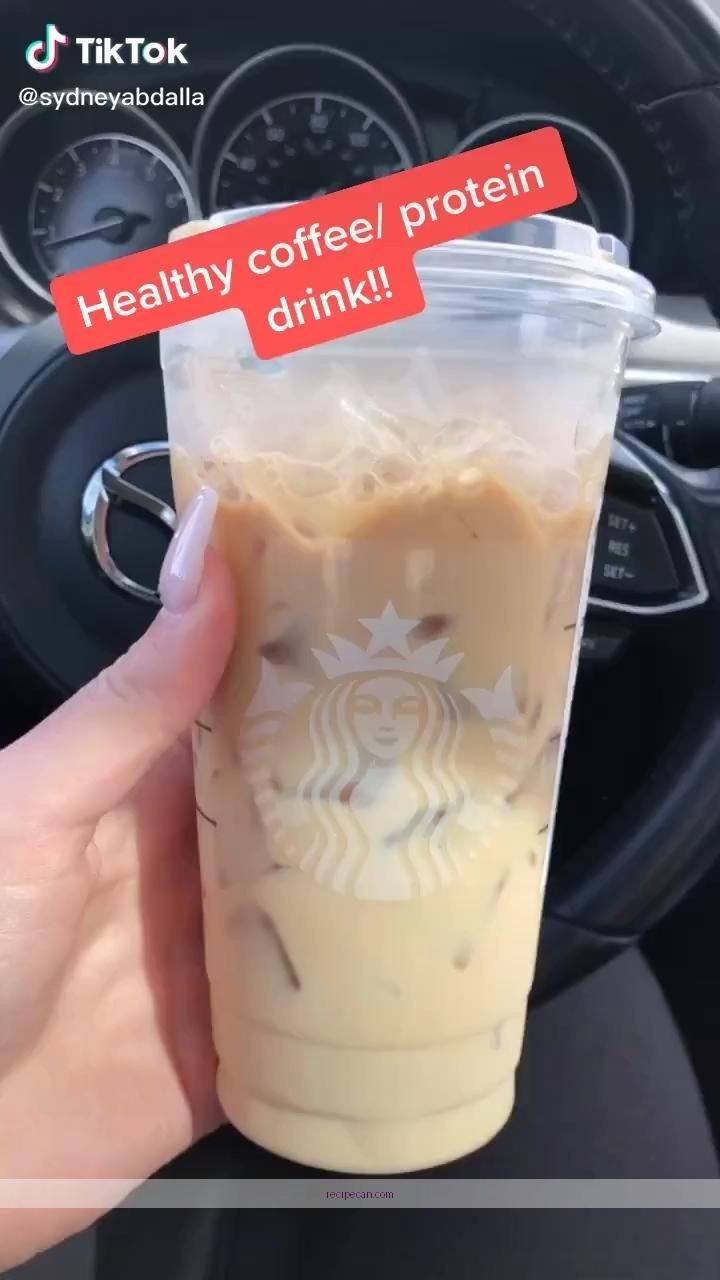
Crafting a coffee protein drink recipe safely is essential for maximizing both flavor and nutritional benefits. This expert guide provides precise protocols and tips for creating a delicious, healthy beverage that meets dietary needs. Following these guidelines ensures you not only enjoy your drink but also avoid common pitfalls that can compromise safety and quality. Dive into the art and science of blending coffee with protein for optimal results.
What This Guide Covers (And What It Doesn’t)
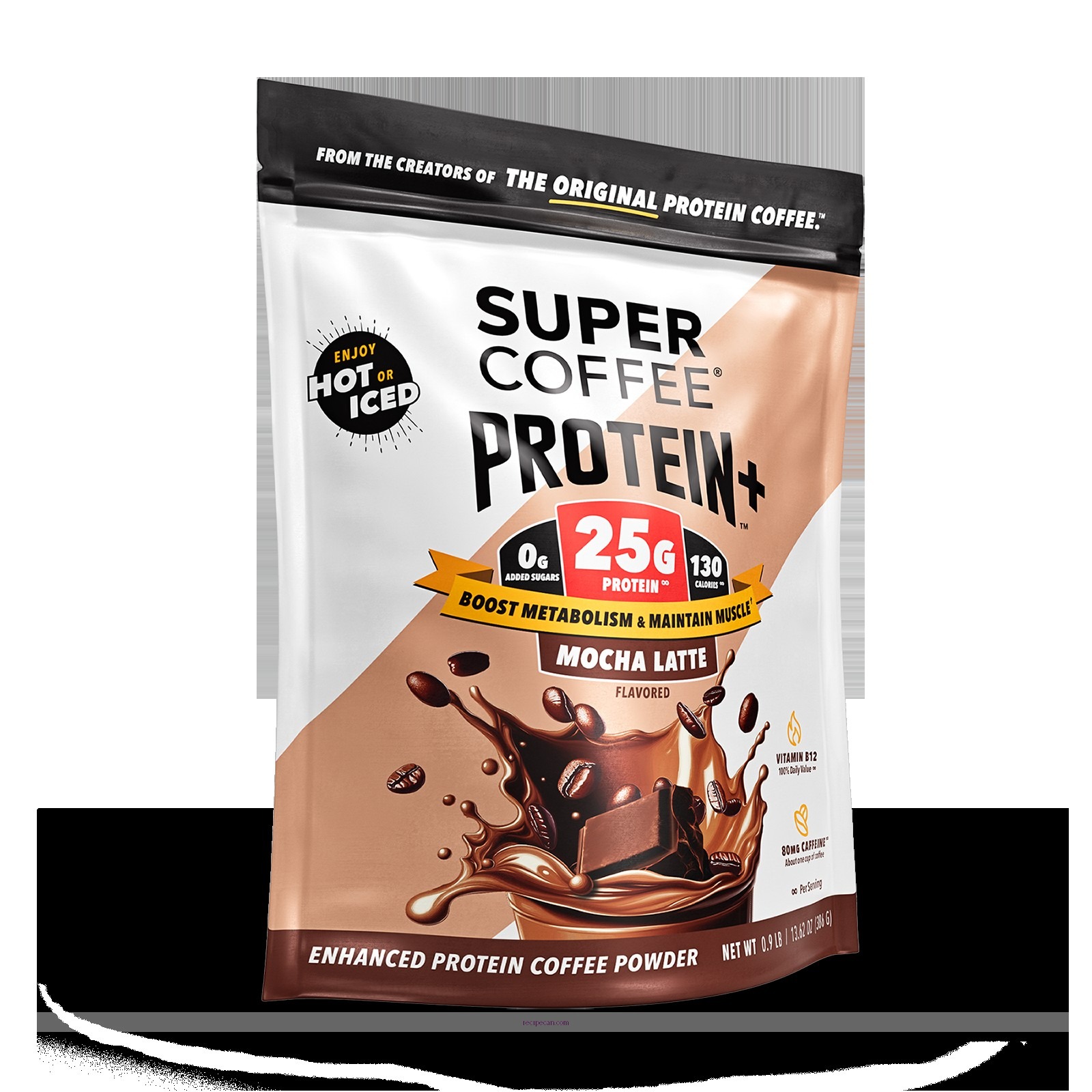
This guide provides a comprehensive recipe for crafting a nutritious coffee protein drink, emphasizing specific ingredient ratios and their health benefits. It explores various types of proteins suitable for incorporation, including whey, casein, and plant-based options, alongside detailed preparation instructions. However, it does not cover coffee brewing methods or general nutrition advice unrelated to protein drinks; the focus remains on combining coffee with protein for a fortified beverage.
Who Should Read This
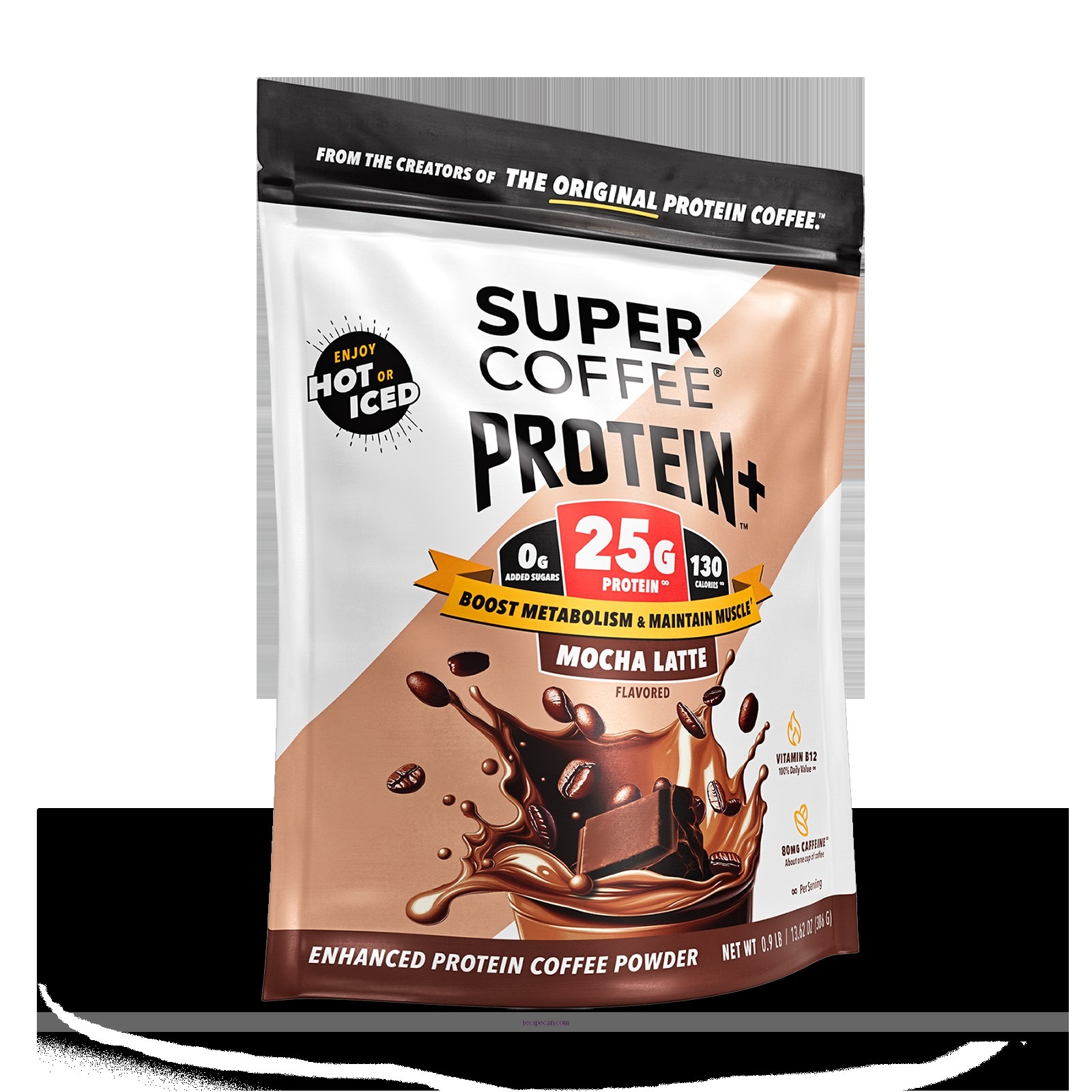
Designed for fitness enthusiasts and health-conscious individuals, this guide is perfect for those looking to enhance their protein intake through flavorful beverages. It caters to readers familiar with basic culinary techniques and those who have a grasp of macronutrients, particularly protein. While beginners in the realm of protein drinks may find it beneficial, individuals with severe dietary restrictions or medical conditions should seek alternative resources.
The Step-by-Step Protocol

1. Choose Your Ingredients: Select 1 cup of brewed coffee (hot or cold), 1 scoop (about 30 grams) of your preferred protein powder, and 1 tablespoon of a sweetener (like honey or agave syrup) if desired.
2. Mix the Base: Pour the brewed coffee into a blender or shaker bottle. Add the protein powder directly into the coffee.
3. Blend or Shake: Blend for 30 seconds or shake vigorously for about 1 minute until fully combined and frothy.
4. Taste and Adjust: Sample the drink; if it’s too strong, add 1/4 cup of almond milk or water to dilute, and blend again. Adjust sweetness as needed.
5. Serve: Pour the drink into a glass and enjoy immediately. For an iced version, add ice cubes before blending.
Top 7 Protein Powders for Coffee Drinks (2024)
| # | Protein Powder | Type | Calories/Scoop | Protein (g) | Taste Rating |
|---|---|---|---|---|---|
| 1 | Whey Protein Isolate | Dairy | 120 | 25 | ★★★★☆ |
| 2 | Casein Protein | Dairy | 120 | 24 | ★★★☆☆ |
| 3 | Soy Protein Isolate | Plant | 100 | 25 | ★★★★☆ |
| 4 | Pea Protein | Plant | 120 | 24 | ★★★☆☆ |
| 5 | Hemp Protein | Plant | 140 | 20 | ★★☆☆☆ |
| 6 | Egg White Protein | Animal | 100 | 26 | ★★★★★ |
| 7 | Brown Rice Protein | Plant | 110 | 22 | ★★★☆☆ |
Warning Signs: When Not to Follow This
Certain circumstances warrant caution when considering this recipe. Individuals with caffeine sensitivity or insomnia should steer clear, as the combination of coffee and protein may exacerbate these conditions. Additionally, those with allergies to any of the mentioned protein types (e.g., dairy or soy) should not follow this protocol without finding an alternative protein source. If you experience gastrointestinal issues after consuming protein, refrain from trying this recipe until consulting with a healthcare provider.
The Most Common Mistakes (And Their Consequences)
Be mindful of several common pitfalls that can diminish your experience. Many people mistakenly use instant coffee instead of brewed coffee, resulting in a less flavorful and potentially gritty texture. This can lead to dissatisfaction with the beverage. Over-sweetening the drink may mask the natural flavors of the coffee and protein, resulting in excessive calorie intake and an unbalanced taste profile that could contribute to unwanted weight gain. Furthermore, failing to blend or shake thoroughly can leave clumps of protein powder in the drink, negatively impacting texture and overall enjoyment, potentially discouraging individuals from incorporating protein drinks into their diet.
Special Cases That Need a Different Approach
Tailoring the recipe to meet specific needs can enhance its effectiveness. Athletes engaged in intense training may require a higher protein-to-coffee ratio, recommending 1.5 scoops of protein powder to aid recovery. Adjusting to 45 grams of protein can significantly support their needs. For those on a ketogenic diet, substituting regular milk with coconut milk and selecting a low-carb protein powder can help maintain ketosis. It’s essential to keep total carbohydrate content below 20-50 grams per day to stay within ketogenic guidelines. Individuals with dietary restrictions should consider vegan protein powders and plant-based milk alternatives, such as almond or oat milk, to create a suitable version of this recipe without compromising their dietary needs.
When You Need a Professional
Consulting a healthcare professional is crucial if you have a pre-existing health condition, such as kidney disease, before significantly increasing protein intake through drinks. Recommended protein intake for individuals with kidney issues is often lower than standard dietary guidelines. Additionally, seeking guidance from a registered dietitian can clarify how this recipe fits into your overall dietary plan or help you achieve unique nutritional goals. If you experience adverse reactions, such as gastrointestinal distress, after consuming protein drinks, it is vital to consult a medical professional for tailored advice. Symptoms like bloating, gas, or diarrhea may indicate an intolerance or allergy to specific ingredients.
Sources and Further Reading
– The Academy of Nutrition and Dietetics provides guidelines on protein consumption and its effects on health and fitness.
– Research articles from the Journal of the International Society of Sports Nutrition discuss the role of protein in muscle recovery and performance.
– The USDA FoodData Central database can be consulted for nutritional information regarding various protein powders and coffee types.
This guide offers a detailed and practical approach to crafting a nutritious coffee protein drink. By following the prescribed protocol and remaining mindful of contraindications and potential mistakes, you can enjoy a delicious, health-boosting beverage that aligns with your dietary goals. Whether you’re enhancing your fitness regimen or simply seeking a flavorful way to increase your protein intake, this recipe provides a solid foundation for your needs.
Frequently Asked Questions
What are the basic ingredients for a coffee protein drink recipe?
The basic ingredients for a coffee protein drink recipe typically include brewed coffee, a protein powder of your choice (whey, plant-based, or casein), and a liquid base like milk or a dairy alternative. You can also add sweeteners such as honey or stevia, as well as flavor enhancers like vanilla extract or cocoa powder to customize your drink.
How can I make my coffee protein drink taste better?
To enhance the flavor of your coffee protein drink, consider adding ingredients like cinnamon, almond milk, or a scoop of nut butter for a creamier texture. Experimenting with flavored protein powders, such as mocha or vanilla, can also elevate the taste. Blending the drink with ice can create a refreshing, smoothie-like consistency that masks any protein powder aftertaste.
Why should I consider adding protein to my coffee?
Adding protein to your coffee can help increase satiety, making it a great option for those looking to manage their weight or build muscle. It provides sustained energy throughout the day, combining the benefits of caffeine with the nutrients needed for recovery or a balanced diet. This can be particularly beneficial for athletes or individuals with active lifestyles.
What is the best type of protein powder to use in a coffee protein drink?
The best type of protein powder for a coffee protein drink often depends on your dietary preferences and goals. Whey protein is popular for its quick absorption and creamy texture, while plant-based proteins like pea or hemp are ideal for vegan diets. Look for a protein powder that mixes well with liquids and has minimal additives to maintain a smooth consistency in your drink.
Which coffee brewing method works best for a protein drink recipe?
The best coffee brewing method for a protein drink recipe depends on personal preference, but cold brew or espresso are often favored due to their smooth flavors and low acidity. Cold brew coffee can be made in large batches and mixed easily with protein powder, while espresso provides a concentrated caffeine kick that pairs well with creamy ingredients. Choose the method that suits your taste and desired caffeine level.
References
- Checking your browser – reCAPTCHA
https://www.ncbi.nlm.nih.gov/pmc/articles/PMC7570945/ - Checking your browser – reCAPTCHA
https://www.ncbi.nlm.nih.gov/pmc/articles/PMC5642500/ - Checking your browser – reCAPTCHA
https://www.ncbi.nlm.nih.gov/pmc/articles/PMC7071336/ - https://www.who.int/news-room/fact-sheets/detail/coffee
https://www.who.int/news-room/fact-sheets/detail/coffee - https://www.sciencedirect.com/science/article/abs/pii/S0899900719301974
https://www.sciencedirect.com/science/article/abs/pii/S0899900719301974 - Google Scholar Google Scholar
https://scholar.google.com/scholar?q=coffee+protein+drink+recipe - Google Scholar Google Scholar
https://scholar.google.com/scholar?q=coffee+protein+beverage - Google Scholar Google Scholar
https://scholar.google.com/scholar?q=coffee+nutritional+benefits - Coffee | Origin, Types, Uses, History, & Facts | Britannica
https://www.britannica.com/topic/coffee - https://www.mayoclinic.org/healthy-lifestyle/nutrition-and-healthy-eating/in-depth/protein/art-20045778
https://www.mayoclinic.org/healthy-lifestyle/nutrition-and-healthy-eating/in-depth/protein/art-20045778