Mastering coffee recipes is essential for anyone seeking the perfect brew, and this expert guide provides step-by-step protocols to elevate your coffee-making skills. From classic espresso to innovative cold brews, each recipe is meticulously crafted to enhance flavor and aroma. Understanding the right techniques not only ensures consistency but also transforms your daily cup into a remarkable experience. Dive in to discover how precision and expertise can redefine your coffee rituals.
What This Guide Covers (And What It Doesn’t)

This guide offers an extensive overview of various coffee recipes, including cold brews, espresso-based drinks, and unique flavored variations. Each recipe is accompanied by detailed steps, precise measurements, and essential brewing techniques to ensure an exceptional cup. You will discover specific protocols designed to help you create high-quality coffee beverages at home.
However, it does not delve into the history of coffee, the origins of coffee beans, or the scientific principles behind brewing. For those interested in coffee’s cultural context, separate resources are recommended. This guide is tailored for home brewers and coffee enthusiasts aiming to enhance their coffee-making skills with actionable recipes rather than general tips for coffee preparation.
Who Should Read This
This guide is perfect for individuals who possess a basic understanding of coffee preparation and seek to expand their repertoire with tested recipes. It caters to both novice home brewers eager to refine their skills and experienced coffee aficionados looking to explore new flavors and techniques. Conversely, those who may not benefit from this guide include individuals in search of instant coffee solutions or those who prefer pre-packaged coffee products without the desire to brew from scratch.
The Step-by-Step Protocol
1. Select Your Coffee Beans: Start with high-quality, freshly roasted beans. Opt for a medium roast that aligns with your flavor preferences, whether fruity or nutty. For optimal results, purchase beans within two weeks of roasting.
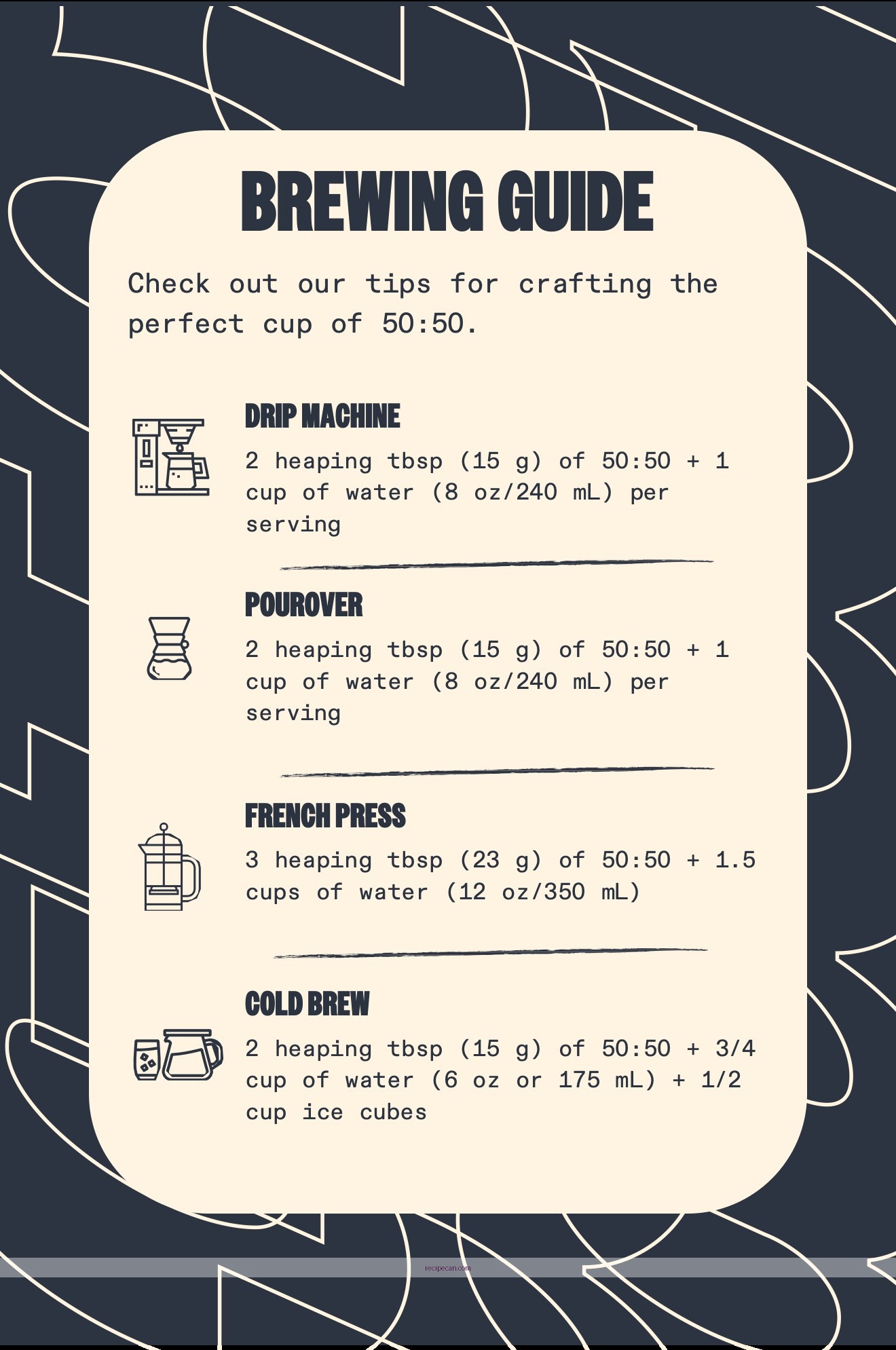
2. Measure Coffee and Water: For a standard brew, maintain a ratio of 1:15 (1 gram of coffee to 15 grams of water). For example, 20 grams of coffee should be paired with 300 grams of water. Feel free to adjust the ratio according to your taste; a stronger brew can be achieved with a 1:12 ratio.
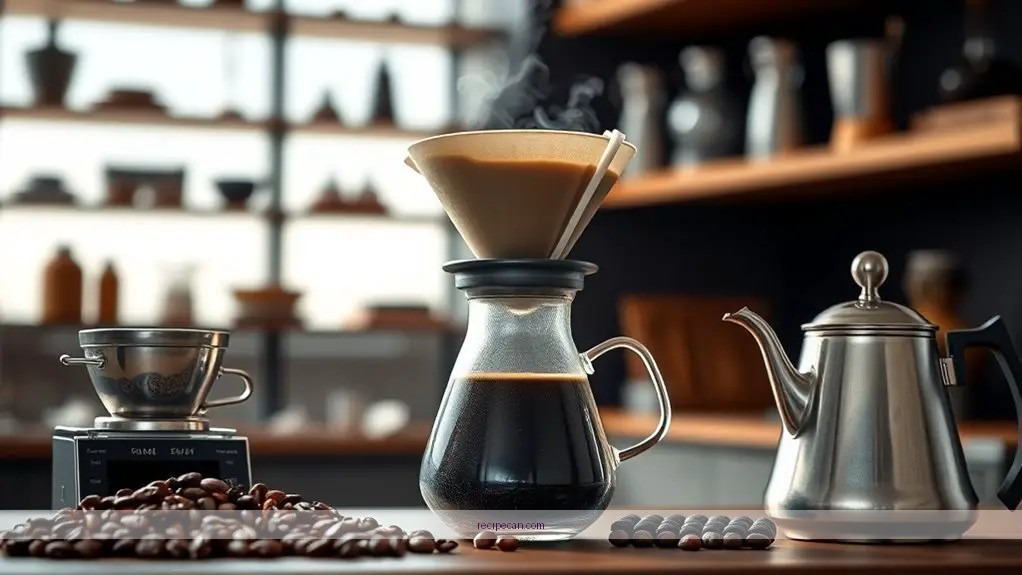
3. Choose Your Brewing Method: Decide among methods such as pour-over, French press, or espresso machine. Each technique has specific parameters for water temperature and brewing time. For instance, pour-over should use water heated to 195-205°F and brewed for 3-4 minutes, while a French press requires a steeping time of 4 minutes.
4. Brew and Serve: Execute the brewing process, ensuring even saturation of coffee grounds based on your chosen method. For pour-over, pour water in a circular motion to cover all grounds uniformly. Serve immediately to retain optimal flavor and prevent bitterness.
Top 7 Coffee Brewing Methods
| # | Brewing Method | Time (minutes) | Water Temp (°F) | Flavor Profile |
|---|---|---|---|---|
| 1 | Pour-Over | 3-4 | 195-205 | Bright, Clean |
| 2 | French Press | 4 | 200 | Rich, Full-Bodied |
| 3 | Espresso | 25-30 | 190-195 | Bold, Concentrated |
| 4 | Aeropress | 2 | 175-185 | Smooth, Versatile |
| 5 | Cold Brew | 12-24 | Room Temp | Smooth, Less Acidic |
| 6 | Siphon | 5 | 200 | Crisp, Aromatic |
| 7 | Moka Pot | 5 | 200 | Strong, Intense |
Warning Signs: When Not to Follow This
Exercise caution when following this guide if you have dietary restrictions related to caffeine or specific additives, as some recipes may contain high caffeine content or dairy products. Using stale coffee beans or low-quality instant coffee will compromise the integrity of the recipes; fresh ingredients are essential for achieving vibrant flavors. If you experience adverse reactions to caffeine, such as jitters or insomnia, consider moderating your intake instead of relying on these recipes.
The Most Common Mistakes (And Their Consequences)
Many home brewers overlook the significance of water quality, often opting for tap water that can impart undesirable flavors. This can lead to a flat or unpleasant tasting coffee. Another frequent mistake is inaccurately measuring the coffee-to-water ratio, which often results in overly bitter or weak coffee. Adhering closely to the recommended ratios is crucial for optimal results. Additionally, neglecting to pre-warm equipment, such as cups or brewing vessels, can cause coffee to cool too quickly, detracting from the overall experience.
Special Cases That Need a Different Approach
When brewing for a large group, consider utilizing a batch brewing method, such as a coffee urn, instead of preparing individual servings, while adjusting the coffee-to-water ratio accordingly. For individuals with lactose intolerance or dairy allergies, alternative milk options like almond or oat milk can be used in recipes that typically require dairy. If you find yourself brewing coffee at high altitudes, be mindful to adjust brewing times and temperatures, as water boils at lower temperatures and may require longer extraction times.
When You Need a Professional
If you experience severe adverse reactions to coffee or caffeine, such as panic attacks or heart palpitations, seek advice from a medical professional regarding your coffee consumption. For those attempting to create complex coffee recipes that demand specialized equipment or ingredients (e.g., nitro cold brew), consulting with baristas or coffee experts can help you avoid common pitfalls. Additionally, when embarking on a coffee-related business, such as opening a café, it’s advisable to consult with a licensed food service consultant to ensure compliance with health and safety regulations.
Sources and Further Reading
For comprehensive guidelines on brewing techniques and coffee quality standards, refer to the Specialty Coffee Association. “The Coffee Roaster’s Companion” by Scott Rao offers in-depth insights into coffee processing and brewing methods. For further information on coffee chemistry and preparation, visit the National Coffee Association’s website, which provides a wealth of educational resources.
Frequently Asked Questions
What are some easy recipes for coffee beverages at home?
There are several easy recipes for coffee beverages you can make at home. Popular options include a classic French press, a simple cold brew, and a frothed milk latte. For a quick iced coffee, brew your favorite coffee, let it cool, and serve it over ice with milk or a flavored syrup for a refreshing treat.
How can I make a creamy coffee without using dairy?
You can make a creamy coffee without dairy by using non-dairy milk alternatives like almond, oat, or coconut milk. For an extra creamy texture, try blending your coffee with a tablespoon of coconut cream or a splash of cashew milk. Adding a bit of vanilla extract or a dash of cinnamon can also enhance the flavor without any dairy.
Why does my homemade coffee not taste as good as coffee shop brews?
Several factors can affect the taste of your homemade coffee compared to coffee shop brews. The quality of coffee beans, grind size, water temperature, and brewing time all play crucial roles. Ensure you’re using fresh, high-quality beans, the correct grind for your brewing method, and filtered water heated to the right temperature for optimal flavor extraction.
What is the best coffee recipe for a morning boost?
The best coffee recipe for a morning boost might be a classic espresso or a strong French press. Both methods produce concentrated coffee that can kickstart your day. For an added energy boost, consider adding a scoop of protein powder or a pinch of cinnamon to your coffee for enhanced flavor and health benefits.
Which coffee recipes are suitable for beginners?
Suitable coffee recipes for beginners include a basic drip coffee, a simple espresso, or a cold brew. These methods require minimal equipment and are easy to master with just a little practice. Start with high-quality coffee grounds and experiment with ratios to find the perfect balance that suits your taste preferences.
References
- Coffee
https://en.wikipedia.org/wiki/Coffee - Checking your browser – reCAPTCHA
https://www.ncbi.nlm.nih.gov/pmc/articles/PMC7272007/ - https://www.sciencedirect.com/topics/food-science/coffee
https://www.sciencedirect.com/topics/food-science/coffee - https://www.mayoclinic.org/healthy-lifestyle/nutrition-and-healthy-eating/in-depth/coffee/art-20043915
https://www.mayoclinic.org/healthy-lifestyle/nutrition-and-healthy-eating/in-depth/coffee/art-20043915 - https://www.bbc.com/news/magazine-29774298
https://www.bbc.com/news/magazine-29774298 - https://www.theguardian.com/food/2020/jul/03/how-to-make-the-perfect-cold-brew-coffee
https://www.theguardian.com/food/2020/jul/03/how-to-make-the-perfect-cold-brew-coffee - https://www.nytimes.com/wirecutter/blog/how-to-brew-coffee/
https://www.nytimes.com/wirecutter/blog/how-to-brew-coffee/ - Google Scholar Google Scholar
https://scholar.google.com/scholar?q=coffee+recipes - Google Scholar Google Scholar
https://scholar.google.com/scholar?q=coffee+brewing+methods - Google Scholar Google Scholar
https://scholar.google.com/scholar?q=coffee+health+benefits