Mastering coffee recipes at home is essential for any coffee enthusiast wanting to elevate their brewing skills safely and deliciously. This expert guide provides precise, actionable protocols to create a variety of coffee drinks, ensuring both flavor and safety in your kitchen. By following these guidelines, you’ll not only enjoy a superior cup of coffee but also avoid common pitfalls that can compromise your brewing experience.
What This Guide Covers (And What It Doesn’t)
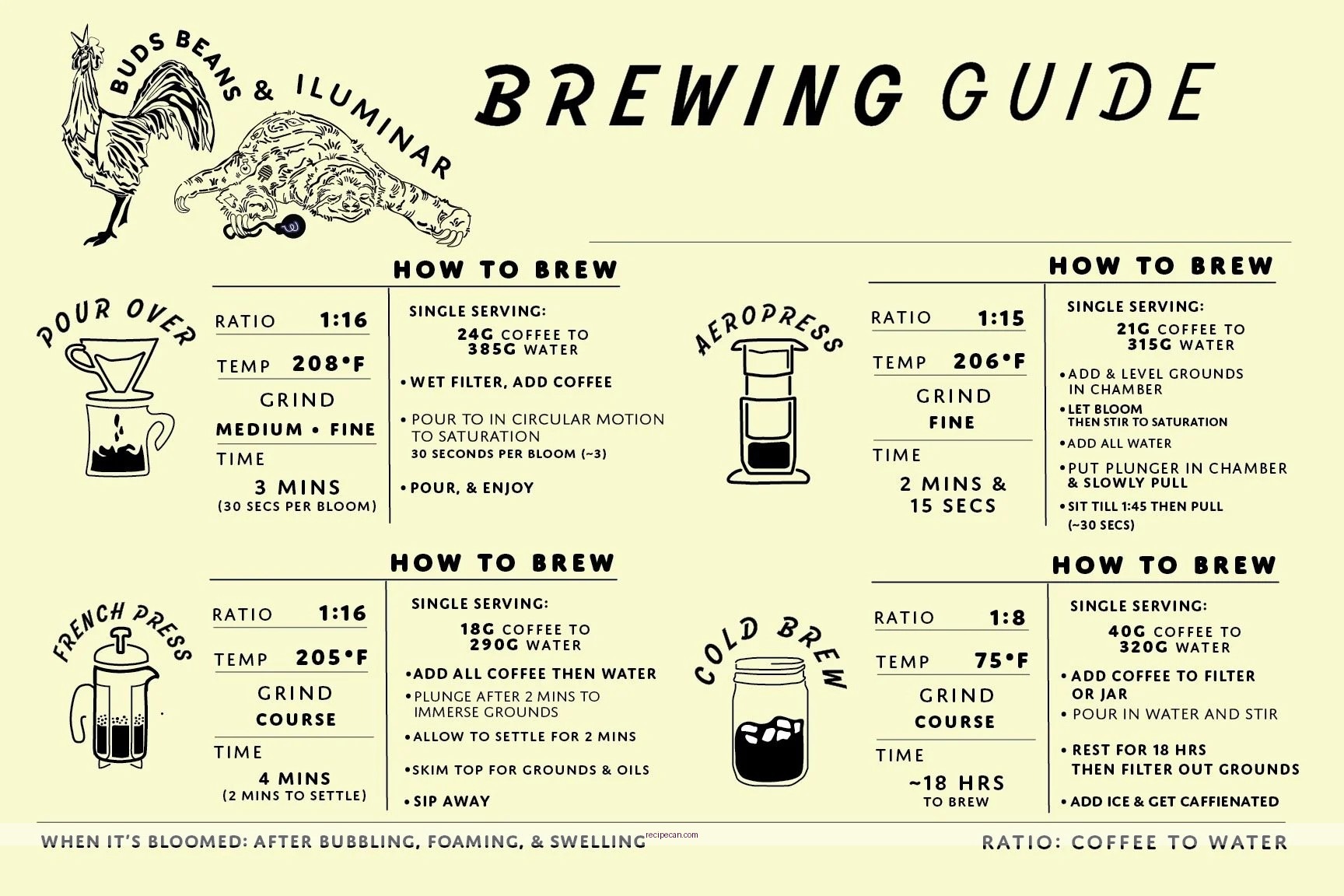
This guide offers a treasure trove of step-by-step coffee recipes designed for home brewers. It includes various brewing methods, precise ingredient ratios, and flavor enhancements, catering to a diverse range of coffee preferences. You’ll find detailed instructions for making espresso, French press, cold brew, and flavored coffee drinks, ensuring there’s something for every palate. However, this guide does not delve into advanced barista techniques or commercial-grade equipment; it is tailored specifically for those using standard kitchen tools. Readers seeking coffee recipes that require specialty ingredients or elaborate presentations may find this guide limited in scope.
Who Should Read This
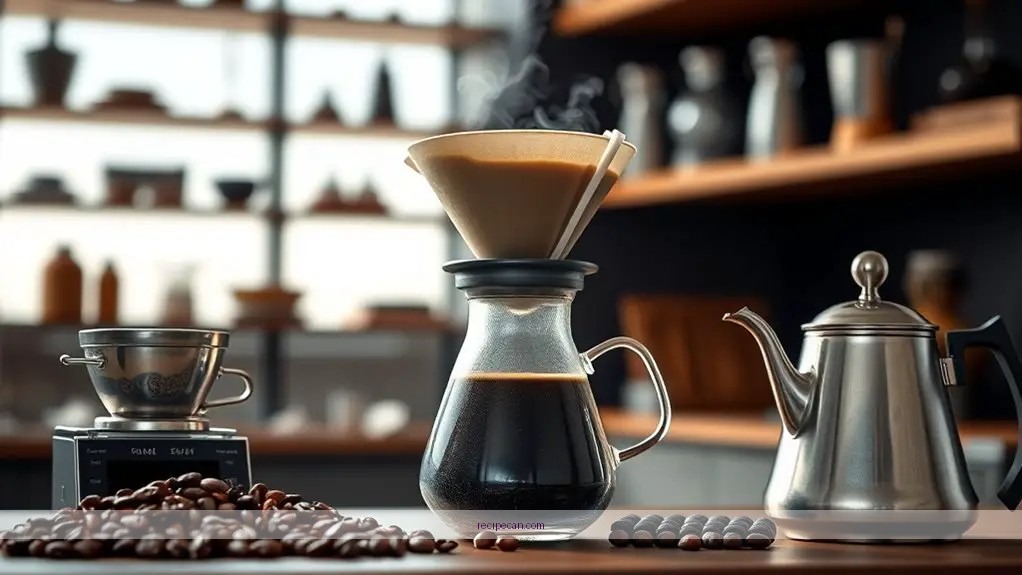
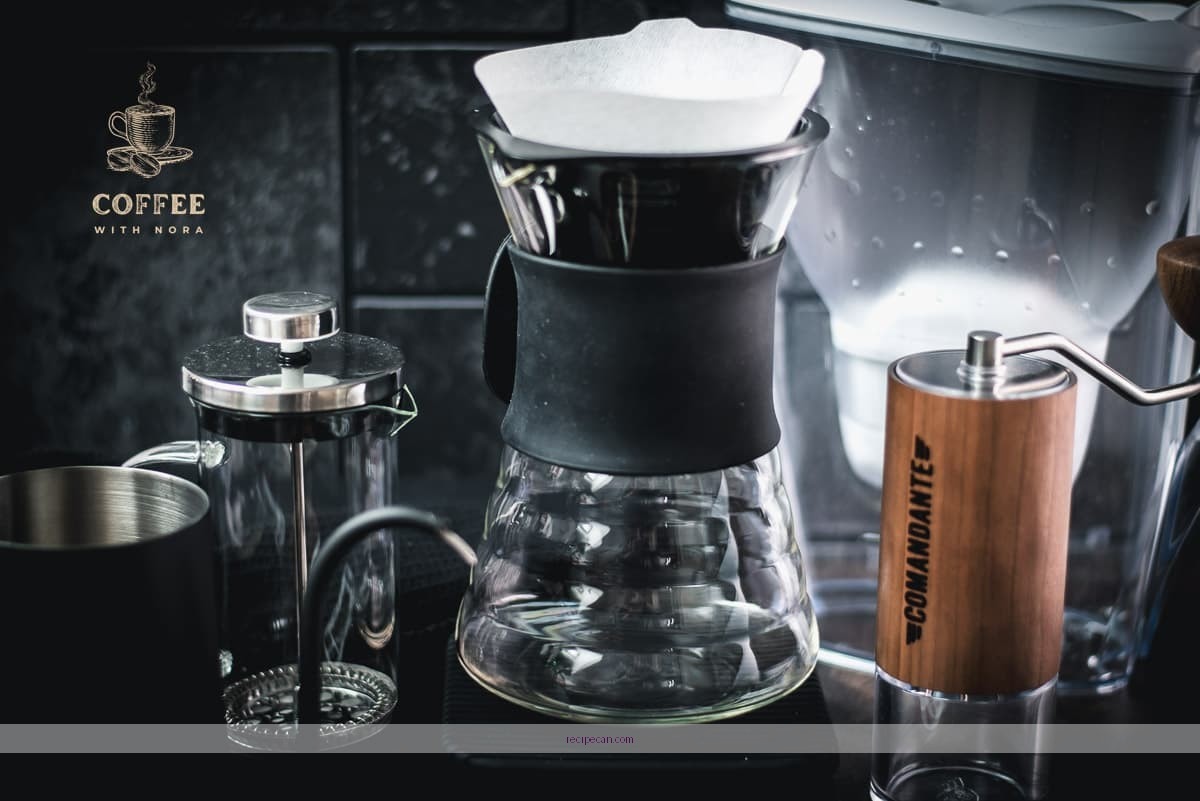
Home coffee enthusiasts looking to enhance their brewing skills will find this guide invaluable. It is perfect for those eager to explore the art of coffee-making using everyday appliances like drip coffee makers, French presses, and pour-over setups. Whether you possess basic knowledge of coffee brewing or want to elevate your home experience with tried-and-true recipes, this guide offers valuable insights. Additionally, coffee lovers aiming for budget-friendly solutions while avoiding expensive coffee shop visits will benefit from the practical recipes outlined here.
The Step-by-Step Protocol
1. Selecting Your Coffee Beans: Choose high-quality, fresh coffee beans—whole bean is preferable. Grind them just before brewing to maximize flavor. For the best results, use beans roasted within the last two weeks.
2. Measuring Coffee and Water: Aim for a coffee-to-water ratio of 1:15 (for example, 20g of coffee to 300ml of water) to achieve a balanced brew. Adjust this ratio according to your personal taste. Weigh your coffee using a kitchen scale to ensure precision.
3. Brewing Techniques:
– French Press:
– Coarsely grind 20g of coffee.
– Heat water to 200°F (about 93°C).
– Combine the coffee and water in the French press, ensuring full saturation.
– Steep for 4 minutes, then slowly press down the plunger.
– Cold Brew:
– Coarsely grind 100g of coffee.
– Mix it with 400ml of cold water in a jar.
– Let it steep for 12-24 hours in the refrigerator.
– Filter through a fine mesh or coffee filter before serving.
4. Flavor Enhancements: Feel free to experiment by adding a pinch of salt, a splash of vanilla extract, or flavored syrups after brewing to customize your drink. Start with small amounts to avoid overpowering the coffee’s natural flavors.
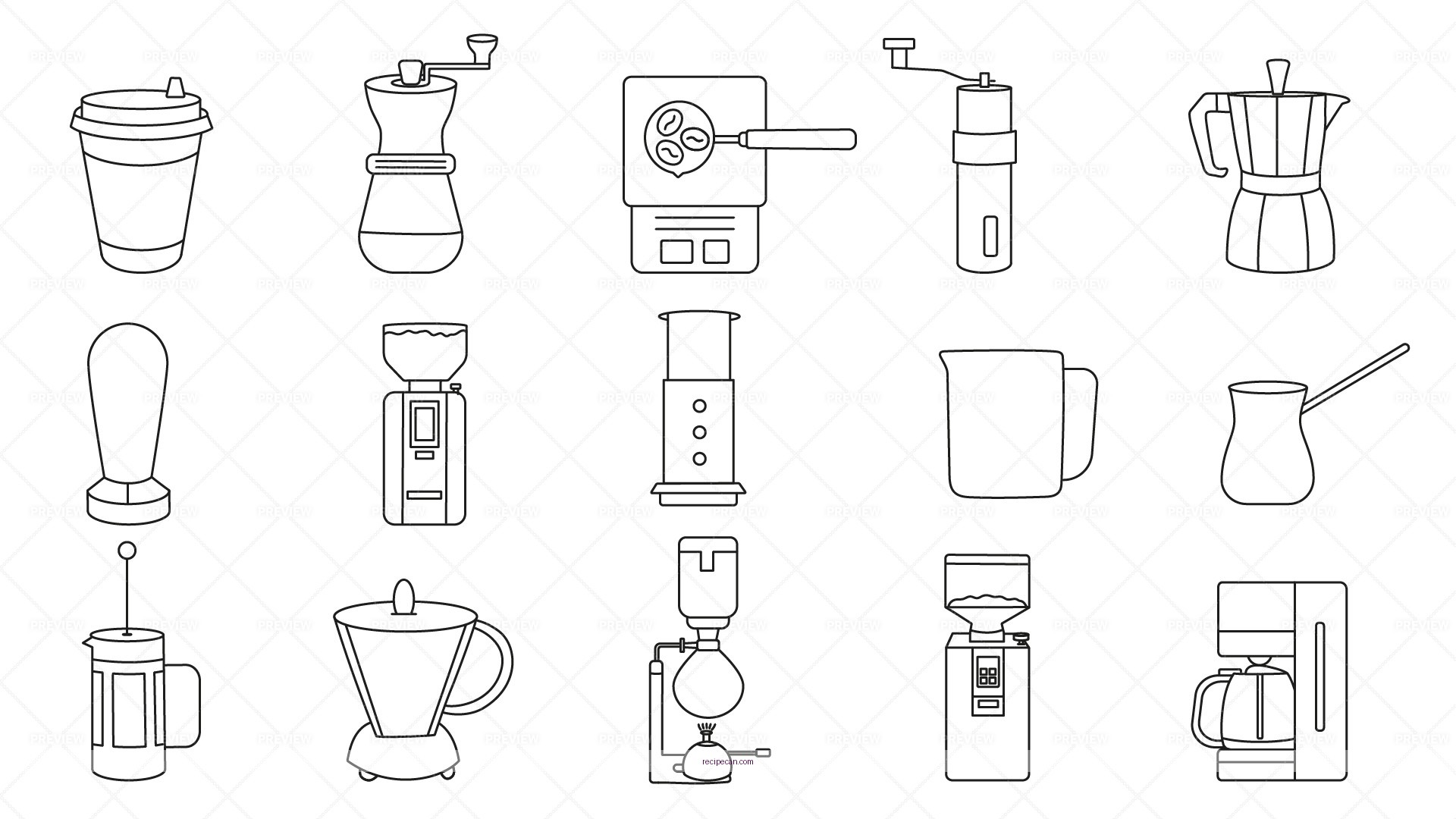
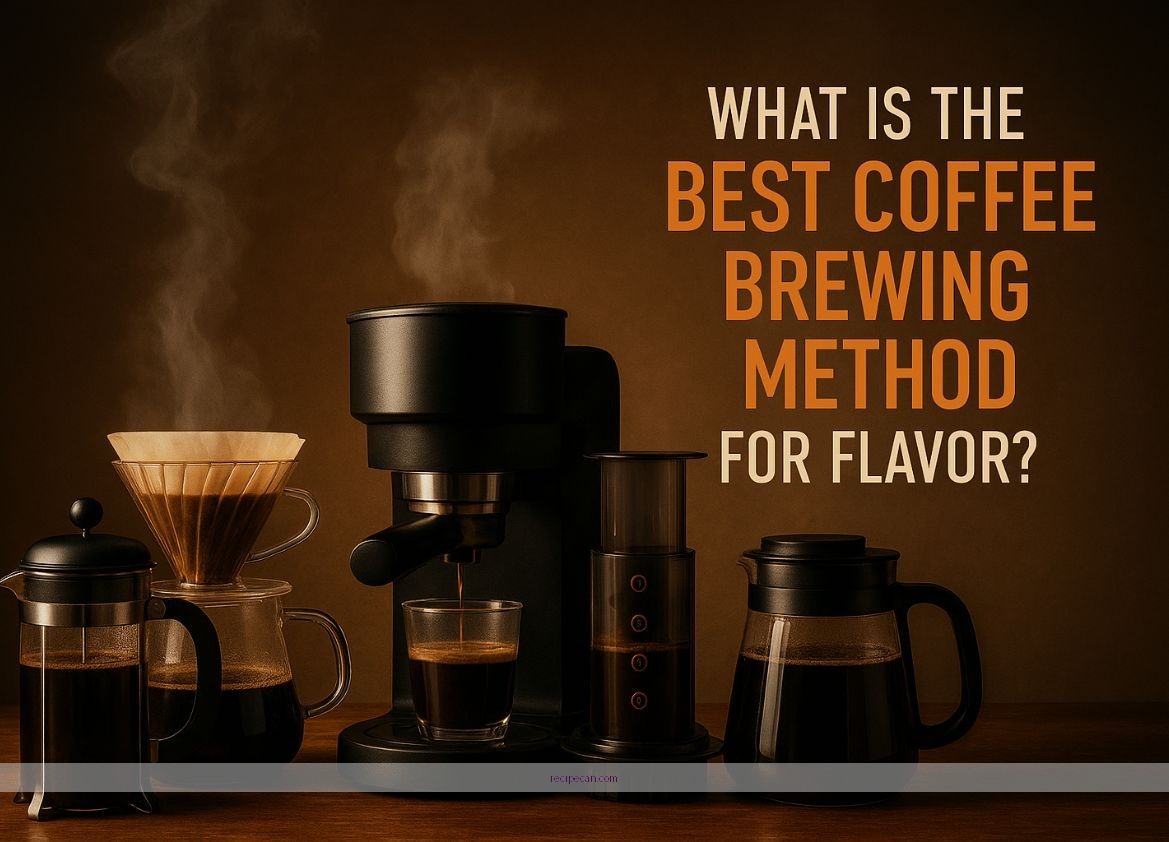
Top 7 Coffee Brewing Methods at Home (2024)
| # | Method | Brew Time | Ideal Ratio | Ease of Use |
|---|---|---|---|---|
| 1 | French Press | 4 minutes | 1:15 | ★ ★ ★ ★ ★ |
| 2 | Cold Brew | 12-24 hours | 1:4 | ★ ★ ★ ★ |
| 3 | Pour Over | 3-4 minutes | 1:16 | ★ ★ ★ ★ ★ |
| 4 | Espresso | 25-30 seconds | 1:2 | ★ ★ ★ |
| 5 | Drip Coffee | 5-6 minutes | 1:17 | ★ ★ ★ ★ |
| 6 | Siphon | 5-10 minutes | 1:15 | ★ ★ |
| 7 | Moka Pot | 5 minutes | 1:10 | ★ ★ ★ ★ |
Warning Signs: When Not to Follow This
If you experience adverse reactions to caffeine—such as insomnia, increased heart rate, or anxiety—consider reducing your intake or avoiding coffee altogether. Individuals with specific dietary restrictions, like lactose intolerance or allergies to certain flavorings, should steer clear of recipes that include milk or syrups unless suitable alternatives are utilized. If you’ve recently had surgery or are on medication that contraindicates caffeine consumption (such as certain antidepressants), this guide may not be appropriate for you. Lastly, avoid trying these recipes if your brewing equipment is damaged or malfunctioning, as this could create unsafe conditions.
The Most Common Mistakes (And Their Consequences)
– Incorrect Coffee Grind Size: Using too fine a grind in a French press can lead to a bitter, overly strong brew due to over-extraction. Always opt for a coarse grind with this method.
– Wrong Water Temperature: Brewing coffee with boiling water (above 205°F) can scorch the coffee grounds, resulting in a burnt taste. Aim for a water temperature between 195°F and 200°F.
– Inaccurate Measurements: Ignoring the recommended coffee-to-water ratio can lead to weak or overly concentrated coffee, negatively impacting flavor. A kitchen scale ensures accurate measurements.
– Ignoring Brew Time: Deviating from suggested steeping times can result in under-extraction (too weak) or over-extraction (too bitter), compromising the final drink. Set a timer for precision.
Special Cases That Need a Different Approach
Brewing coffee at high altitudes requires some adjustments; consider lowering the water temperature to 195°F and extending steeping times by 30 seconds to account for lower boiling points. If using flavored beans or pre-ground coffee, reduce the amount of added sweeteners or syrups to avoid overwhelming the coffee’s natural flavors. For individuals with specific health conditions, such as acid reflux, opting for a cold brew method can yield a smoother, less acidic coffee. When brewing for larger groups (more than four servings), scaling the recipe and using a drip coffee maker or a larger French press can help maintain consistency.
When You Need a Professional
If you frequently experience digestive issues, heart palpitations, or anxiety after consuming coffee, consult a healthcare provider for personalized advice on caffeine consumption. For coffee recipes that include alcohol (like coffee cocktails), guidance from a mixologist can ensure safe and delicious results. If you’re working with advanced brewing equipment (such as espresso machines) and feel uncertain about operation or maintenance, reaching out to a professional barista or equipment technician is wise. For those eager to explore specialty coffee, consider attending a workshop or consulting with a certified coffee expert to refine your skills and expand your knowledge.
Sources and Further Reading
– “The Coffee Compass: A Guide to Coffee Brewing” by Jeremy Tooker – a comprehensive resource on various brewing techniques and recipes.
– Specialty Coffee Association (SCA) – offers guidelines and standards for brewing coffee at home, accessible at [sca.coffee](https://sca.coffee).
– “The Blue Bottle Craft of Coffee” by James Freeman – provides insights into professional coffee brewing methods that can be adapted for home use.
– National Coffee Association (NCA) – for updated research on coffee consumption and brewing methods, visit [ncausa.org](https://ncausa.org).
Frequently Asked Questions
What are some easy coffee recipes I can make at home?
There are several easy coffee recipes you can try at home, such as a classic French press coffee, which requires coarsely ground coffee and hot water steeped for about four minutes. Another simple recipe is an iced coffee, where you brew coffee, let it cool, and serve it over ice with milk or a sweetener of your choice. You can also create a delicious mocha by mixing brewed coffee with cocoa powder and milk.
How can I make a creamy coffee at home without using a coffee machine?
To make a creamy coffee at home without a coffee machine, you can use instant coffee. Simply mix one to two tablespoons of instant coffee with hot water, then add milk or cream to your desired consistency. For a frothy texture, you can whisk the milk vigorously or use a hand frother before combining it with the coffee.
Why is my homemade coffee not tasting as good as from a café?
Your homemade coffee might not taste as good as café coffee due to several factors including coffee bean quality, grind size, and water temperature. Ensure you’re using fresh, high-quality coffee beans and the correct grind size for your brewing method. Additionally, using filtered water at the right temperature (around 200°F) can significantly enhance the flavor of your coffee.
What are the best coffee recipes for beginners?
The best coffee recipes for beginners include a simple brewed coffee using a drip coffee maker, which is straightforward and forgiving. Another great option is a latte, which combines espresso with steamed milk, and can be easily made with a milk frother. Beginners can also experiment with flavored coffee syrups to create personalized drinks without complex techniques.
Which ingredients can I add to my coffee to enhance its flavor?
You can enhance your coffee flavor by adding ingredients like vanilla extract, cinnamon, or cocoa powder for a touch of sweetness and warmth. Additionally, flavored syrups such as caramel or hazelnut can provide a delightful twist. For a creamy texture, consider adding whipped cream or flavored creamers that complement your coffee’s profile.
References
- https://www.bbc.co.uk/food/collections/coffee_recipes
https://www.bbc.co.uk/food/collections/coffee_recipes - https://www.washingtonpost.com/food/2020/05/12/coffee-recipes-home/
https://www.washingtonpost.com/food/2020/05/12/coffee-recipes-home/ - https://www.nytimes.com/wirecutter/blog/how-to-make-coffee/
https://www.nytimes.com/wirecutter/blog/how-to-make-coffee/ - https://www.sciencedirect.com/topics/agricultural-and-biological-sciences/coffee
https://www.sciencedirect.com/topics/agricultural-and-biological-sciences/coffee - https://www.huffpost.com/entry/easy-coffee-recipes_n_5e7f1b6dc5b6f7d1b5b5c7f6
https://www.huffpost.com/entry/easy-coffee-recipes_n_5e7f1b6dc5b6f7d1b5b5c7f6 - https://pubmed.ncbi.nlm.nih.gov/32087380/
https://pubmed.ncbi.nlm.nih.gov/32087380/ - https://www.healthline.com/nutrition/coffee-benefits
https://www.healthline.com/nutrition/coffee-benefits - Google Scholar Google Scholar
https://scholar.google.com/scholar?q=coffee+recipes+at+home - Google Scholar Google Scholar
https://scholar.google.com/scholar?q=home+brewing+coffee+techniques - coffee recipes at home – Search results
https://en.wikipedia.org/wiki/Special:Search?search=coffee+recipes+at+home