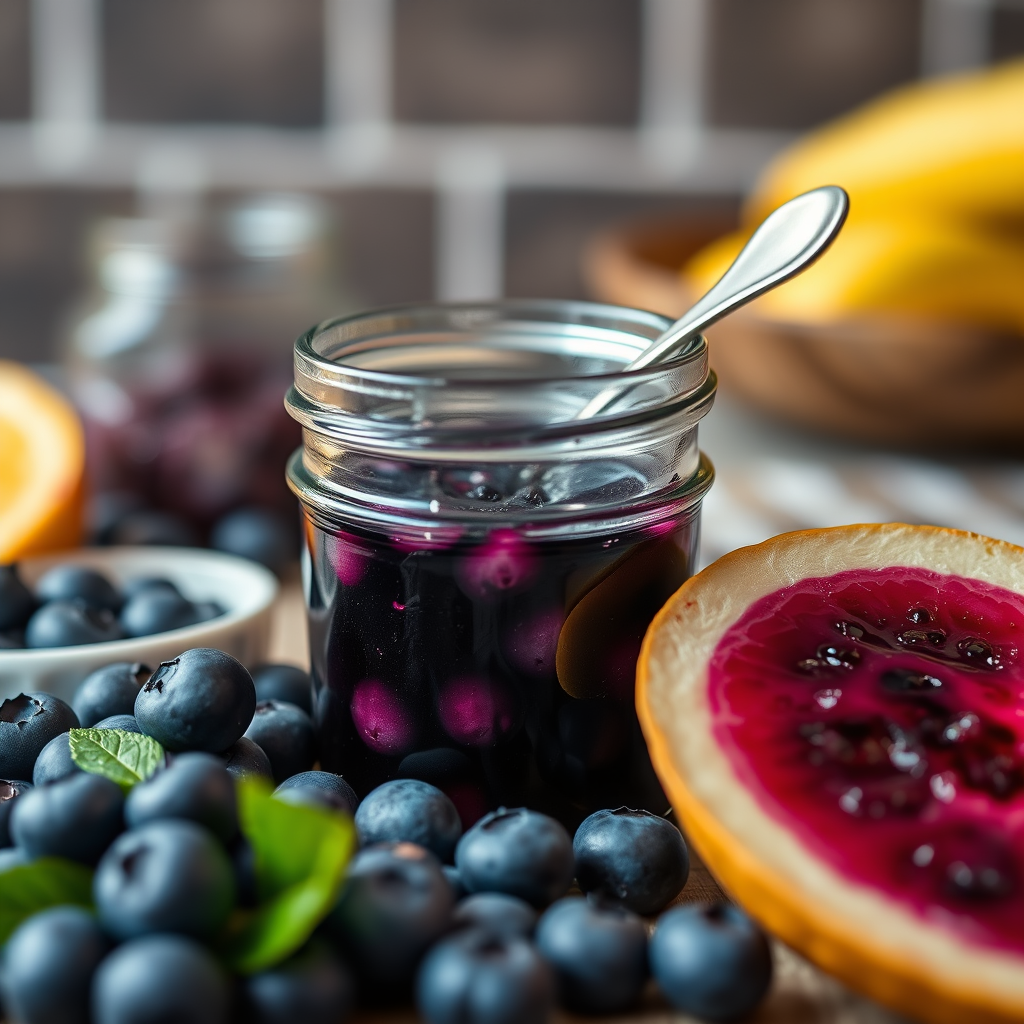
The Complete Expert Guide to Blueberry Jam Pectin Recipe Protocol delivers a precise, step-by-step approach for crafting perfect blueberry jam with the right pectin. This guide is tailored for home canners and food preservation enthusiasts seeking to enhance their jam-making skills. Following the correct protocol is crucial, as it ensures optimal texture, flavor, and shelf stability in your homemade preserves.
What This Guide Covers (And What It Doesn’t)
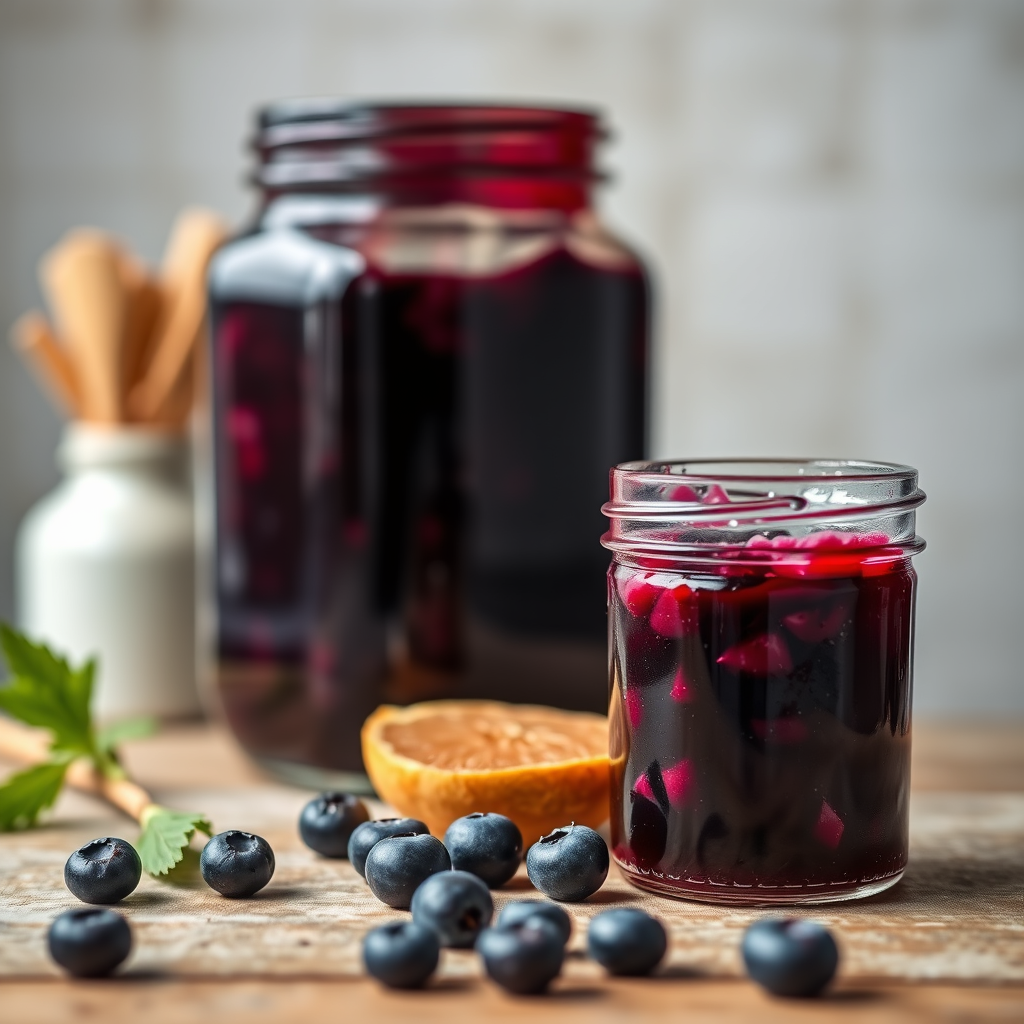
This guide offers an in-depth protocol for crafting blueberry jam with pectin, outlining the essential ingredients, equipment, and precise steps necessary for success. It highlights common pitfalls to avoid while informing readers when to seek professional assistance, empowering them to create blueberry jam with confidence. Focused exclusively on the pectin-based method, this guide does not delve into alternative preservation techniques such as freezer jam or low-sugar recipes, which can function without pectin. Therefore, readers seeking variations or creative twists on the classic blueberry jam recipe may find this guide limited, as it strictly adheres to traditional pectin usage.
Who Should Read This
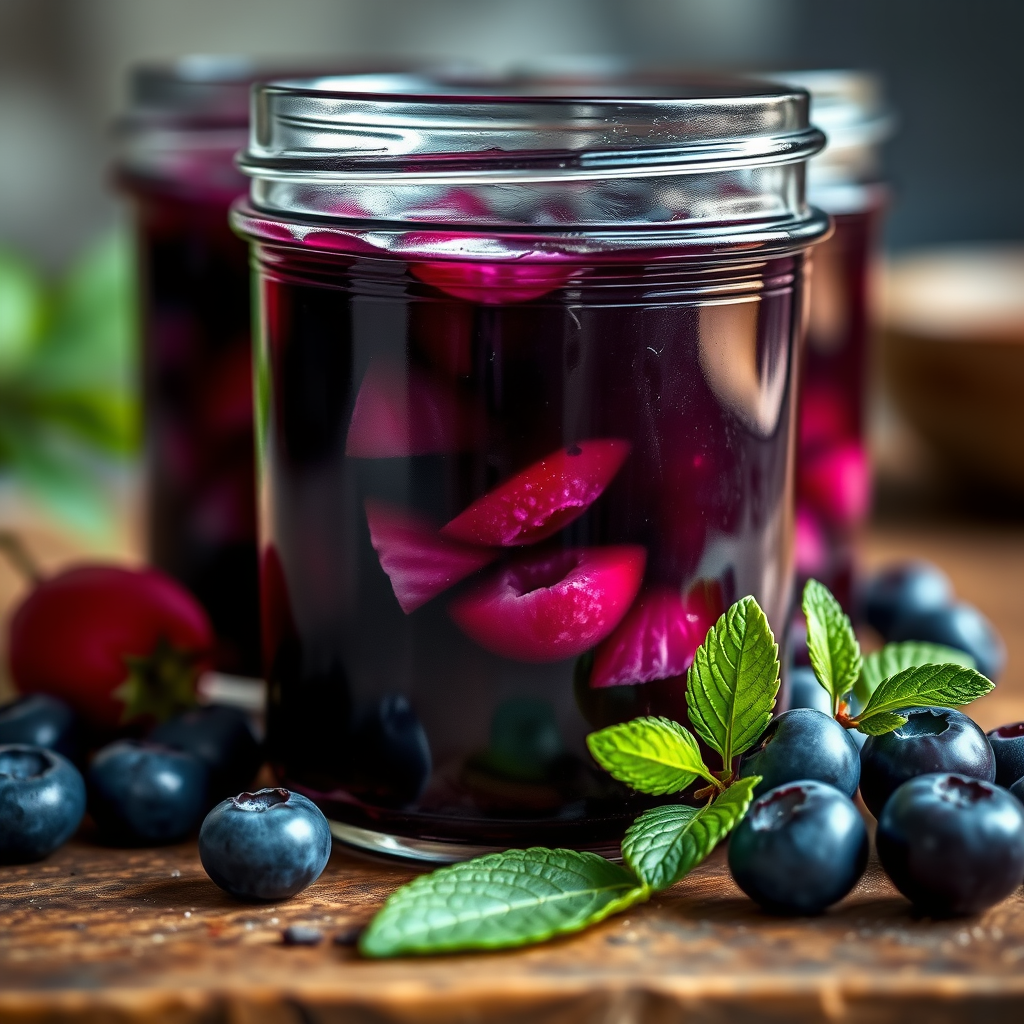
This guide is tailored for home canners, especially those with a foundational understanding of food preservation techniques looking to hone their skills with fruit jams. It serves individuals aiming to create blueberry jam for personal enjoyment or as gifts, as well as those interested in preserving seasonal fruit. Those who have attempted jam-making in the past but encountered challenges will find the detailed expert advice particularly beneficial in enhancing their results. However, readers unfamiliar with canning safety protocols, or those lacking access to the necessary materials, should first seek introductory resources before diving into this guide.
The Step-by-Step Protocol
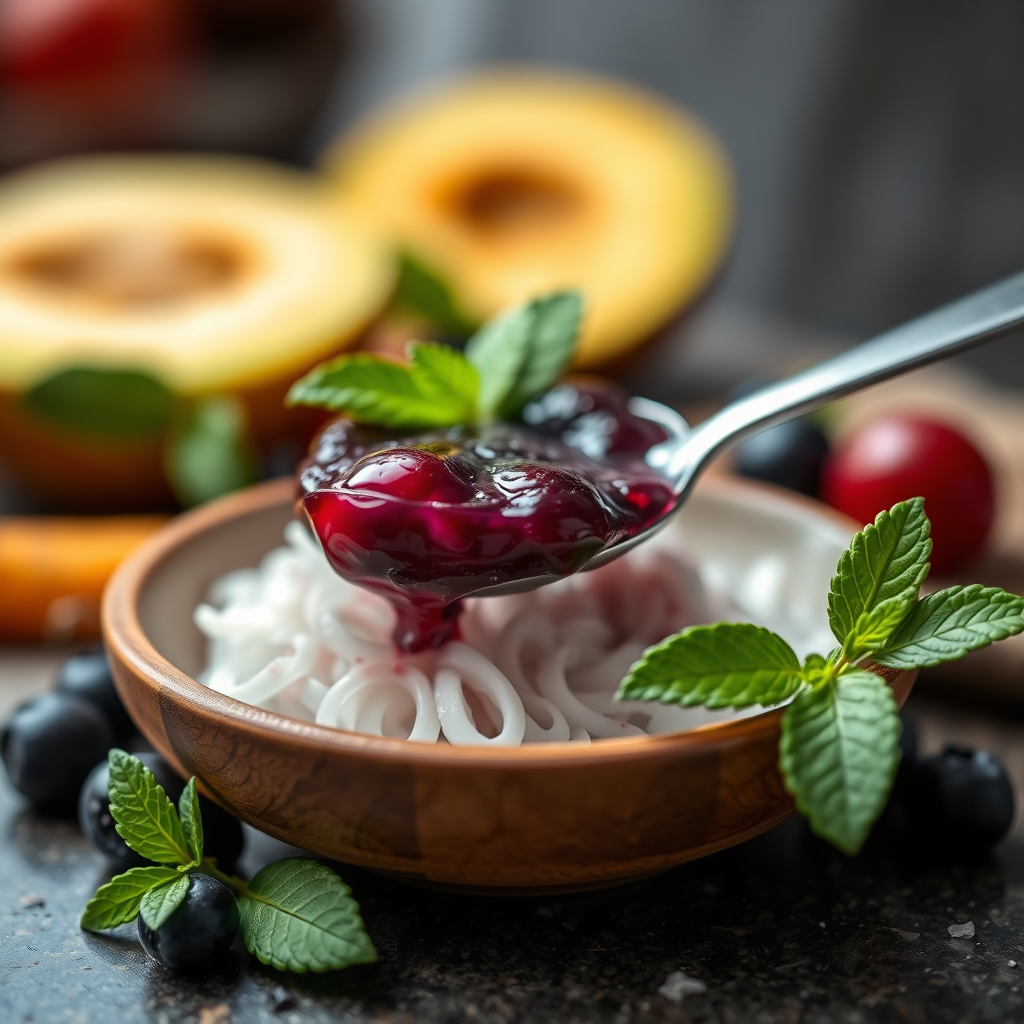
1. Gather Ingredients and Equipment: Measure out 4 cups of fresh blueberries, 1 cup of granulated sugar, and 1 package (1.75 oz) of pectin. Ensure you have canning jars, a pot for boiling, and a water bath canner.
2. Prepare Blueberries: Rinse the blueberries under cold water, remove stems, and mash them lightly in a bowl to release juices, ensuring you have about 2 cups of mashed berries.
3. Cook the Mixture: In a large pot, combine the mashed blueberries and pectin. Bring the mixture to a rolling boil over medium-high heat, stirring constantly.
4. Add Sugar: Once boiling, quickly add the sugar all at once, stirring until fully dissolved. Return to a rolling boil for exactly 1-2 minutes until the mixture thickens.
5. Jar the Jam: Remove the pot from heat. Using a ladle, fill sterilized canning jars with the hot jam, leaving about 1/4 inch of headspace. Wipe the rims of the jars with a clean, damp cloth to remove any residue.
6. Seal the Jars: Place sterilized lids on top of the jars and screw on the metal bands until they are fingertip-tight.
7. Process in Water Bath: Submerge the jars in a boiling water bath for 5-10 minutes, depending on your altitude. Ensure the jars are covered by at least an inch of water. This step is critical for food safety.
8. Cool and Store: After processing, remove the jars from the water bath and allow them to cool on a clean towel or cooling rack. Once cooled, check the seals by pressing the center of the lids; they should not pop back. Store sealed jars in a cool, dark place.
Nutritional Information of Blueberry Jam (per 1 tablespoon)
| Nutrient | Amount | % Daily Value |
|---|---|---|
| Calories | 50 | 2% |
| Total Carbohydrates | 13g | 4% |
| Sugars | 10g | N/A |
| Protein | 0g | 0% |
| Fat | 0g | 0% |
| Vitamin C | 1mg | 2% |
| Calcium | 0mg | 0% |
| Iron | 0mg | 0% |
| Potassium | 20mg | 1% |
| Fiber | 0g | 0% |
Warning Signs: When Not to Follow This
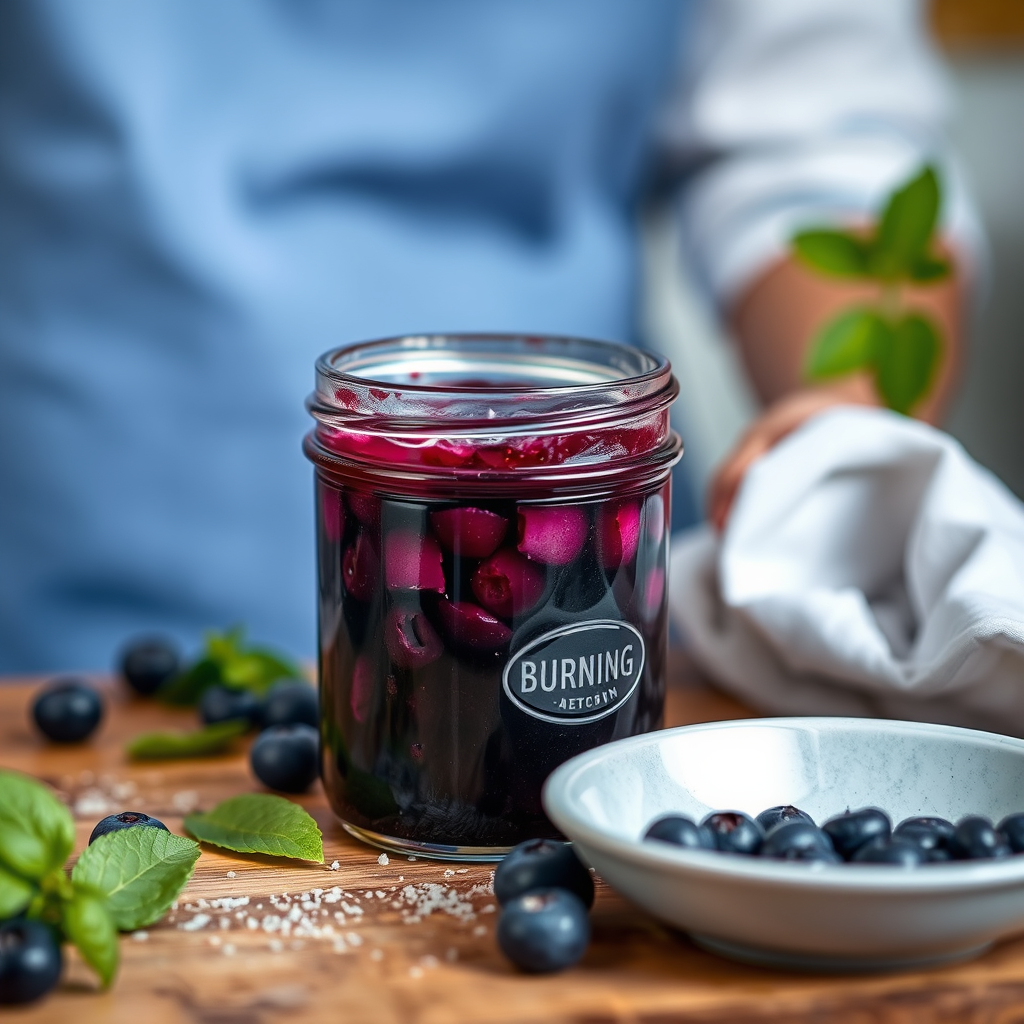
– If the blueberries show signs of spoilage, such as mold, an off odor, or excessive softness, do not proceed with the recipe. These factors can compromise both safety and quality.
– Avoid making this recipe if you lack proper canning equipment; using non-approved methods can lead to spoilage or foodborne illness.
– Discard any expired or improperly stored pectin, as it may not set properly, resulting in a runny jam.
– If you have uncertainties about the canning process or safety guidelines, seek additional resources before attempting this recipe.
The Most Common Mistakes (And Their Consequences)
– Skipping the boiling step after adding sugar can result in jam that fails to set properly, leading to a runny consistency. This oversight also increases the risk of spoilage.
– Using frozen blueberries without thawing may introduce excess water into the mixture, negatively affecting gel formation and the overall texture of the jam.
– Inaccurately measuring ingredients can create imbalances in sweetness and pectin, diminishing preservation and flavor. Always measure precisely to ensure consistency.
– Failing to sterilize jars adequately before filling can introduce bacteria, risking spoilage and food safety issues, which can lead to foodborne illnesses.
Special Cases That Need a Different Approach
– If you use organic blueberries that are less sweet, consider increasing the sugar content by ¼ to ½ cup to ensure proper gel formation with the pectin.
– Individuals with dietary restrictions may substitute traditional granulated sugar with an appropriate alternative, such as stevia or low-sugar pectin, adjusting quantities based on product guidelines.
– Canning at high altitudes requires adjustments in processing time and sometimes ingredient ratios; consult local resources for altitude-specific guidelines.
– For those who prefer a smoother jam, blending the blueberries before cooking is an option, though this may slightly alter the final texture and gel consistency.
When You Need a Professional
– Consult a licensed food preservation expert if you are uncertain about the acidity levels of your blueberries, as improper acidity can compromise safety in canning.
– If you consistently struggle to achieve the desired consistency or safety in previous jam attempts, seeking personalized advice from a canning specialist may be beneficial.
– For large quantities of blueberries (over 20 pounds), professional guidance is advisable to ensure proper techniques and safety are maintained throughout the canning process.
– If specific health concerns or dietary restrictions impact your ability to safely preserve food, consulting a registered dietitian with canning expertise may be necessary.
Sources and Further Reading
– National Center for Home Food Preservation: Comprehensive guidelines on canning fruits, including blueberry jam with pectin.
– USDA Complete Guide to Home Canning: An authoritative resource for safe canning practices and recipes.
– Ball Canning Book: A trusted reference for home canning recipes, including pectin-based fruit preserves.
– Local Cooperative Extension Services: Often provide region-specific guidance on safe food preservation methods and troubleshooting tips.
Frequently Asked Questions
What ingredients do I need for a blueberry jam pectin recipe?
To make blueberry jam with pectin, you’ll need fresh or frozen blueberries, granulated sugar, lemon juice, and pectin. The pectin helps the jam set properly, while the sugar balances the tartness of the blueberries. Be sure to check the pectin package for specific measurements as they can vary by brand.
How do I make blueberry jam using pectin?
To make blueberry jam with pectin, start by washing and mashing the blueberries in a pot. Then, mix in the pectin and lemon juice, bringing the mixture to a boil. Once boiling, add the granulated sugar all at once, stirring continuously until it returns to a rolling boil for one minute. Finally, pour the jam into sterilized jars and seal them for preservation.
Why is my blueberry jam not setting with pectin?
If your blueberry jam isn’t setting, it could be due to insufficient pectin, not boiling the mixture long enough, or using too much sugar. Ensure you’re following the recommended pectin-to-fruit ratio and check that you’ve boiled the jam for the necessary duration to activate the pectin fully. Adding a bit more pectin or reprocessing the jam can sometimes solve the issue.
What is the best type of pectin to use for blueberry jam?
The best type of pectin for blueberry jam is usually a powdered or liquid pectin, as both work effectively for this fruit. Brands like Sure-Jell or Ball provide reliable options, but you can choose based on your preference for clarity and consistency. Always follow the instructions on the pectin package for optimal results.
Which recipes use blueberry jam made with pectin?
Blueberry jam made with pectin can be used in various recipes, such as filling for pastries, toppings for pancakes and waffles, or as a flavorful addition to yogurt. Additionally, it makes a great spread for toast and can be incorporated into marinades or glazes for meats. The versatility of blueberry jam enhances both sweet and savory dishes.
References
- Fruit preserves
https://en.wikipedia.org/wiki/Jam - Expert Resources | CAES Field Report
https://www.uga.edu/extension/publications/blueberry-jam.pdf - https://extension.psu.edu/blueberry-jam-recipe
https://extension.psu.edu/blueberry-jam-recipe - https://www.nal.usda.gov/legacy/fnic/fruit-jams-and-jellies
https://www.nal.usda.gov/legacy/fnic/fruit-jams-and-jellies - https://pubmed.ncbi.nlm.nih.gov/26302013/
https://pubmed.ncbi.nlm.nih.gov/26302013/ - Google Scholar Google Scholar
https://scholar.google.com/scholar?q=blueberry+jam+pectin+recipe - Google Scholar Google Scholar
https://scholar.google.com/scholar?q=making+blueberry+jam - https://www.extension.iastate.edu/foodsource/blueberry-jam
https://www.extension.iastate.edu/foodsource/blueberry-jam - https://www.nutrition.gov/recipes/blueberry-jam
https://www.nutrition.gov/recipes/blueberry-jam - Prospects for natural world heritage sites in the Northwest Pacific Region | US Forest Service Re…
https://www.fs.usda.gov/treesearch/pubs/31029