Unlock the secrets to the best coffee recipes with this comprehensive expert guide that focuses on precise brewing protocols for perfection. Designed for both novice brewers and seasoned aficionados, this guide details essential techniques and tips to elevate your coffee experience. Following the right protocols ensures not just the best flavor but also the artistry behind each cup, making every sip a moment of indulgence.
What This Guide Covers (And What It Doesn’t)

This guide delivers an in-depth look at recipes and brewing techniques for various coffee styles, including espresso, French press, cold brew, and specialty coffee drinks. Its primary aim is to elevate your coffee-making skills through expert-level techniques and precise instructions. However, it deliberately excludes general coffee knowledge, such as bean types or origins, focusing instead on actionable recipes and step-by-step brewing methods. This guide is crafted for home brewers and coffee enthusiasts eager to enhance their coffee experience. If you’re seeking beginner-friendly coffee tips or are interested in coffee’s historical or cultural significance, you may find this guide less pertinent.
Who Should Read This
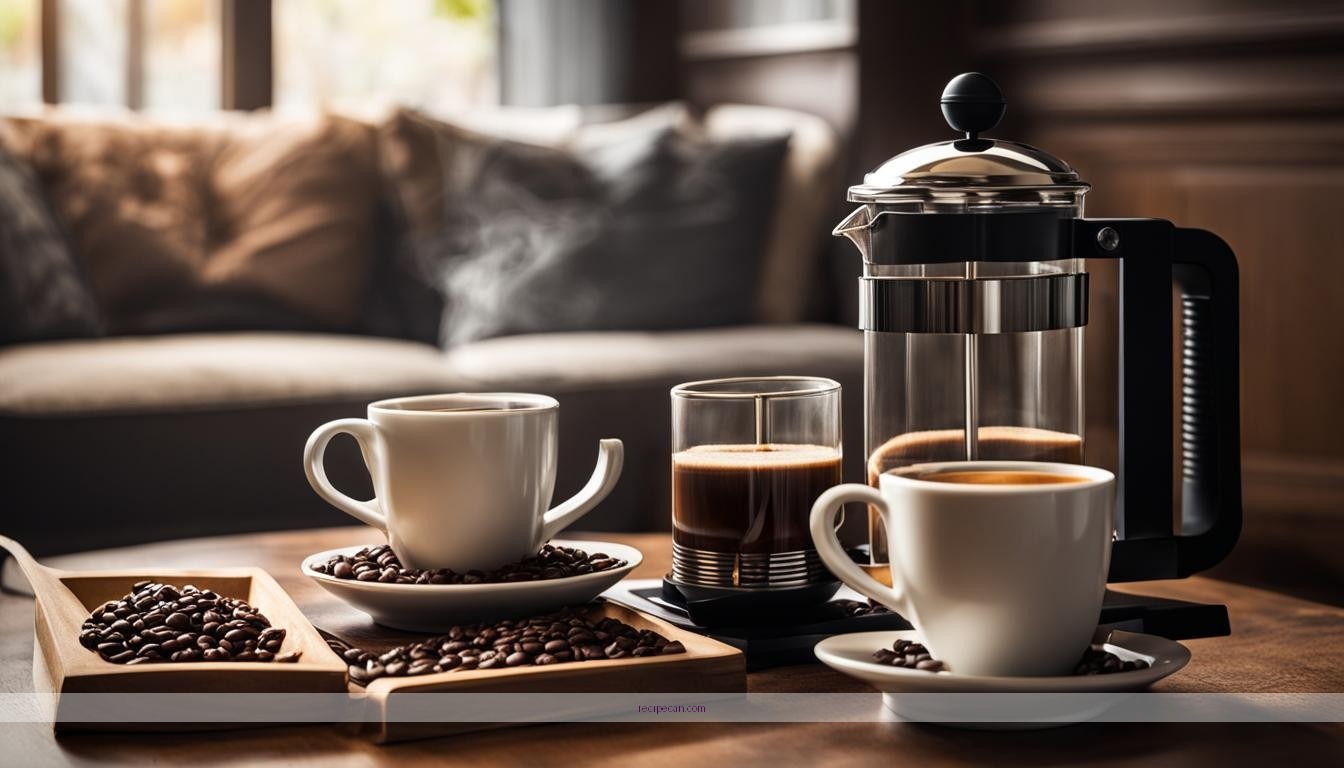
Designed for individuals with a foundational understanding of coffee preparation, this guide is perfect for those looking to refine their brewing skills and explore advanced recipes. Home baristas aspiring to replicate café-quality drinks will appreciate the precise measurements and brewing protocols outlined here. Additionally, coffee lovers who enjoy experimenting with different brewing methods and flavors will discover valuable insights and innovative recipes. However, those without any previous experience in coffee preparation might find the instructions too advanced and should first seek beginner resources.
The Step-by-Step Protocol
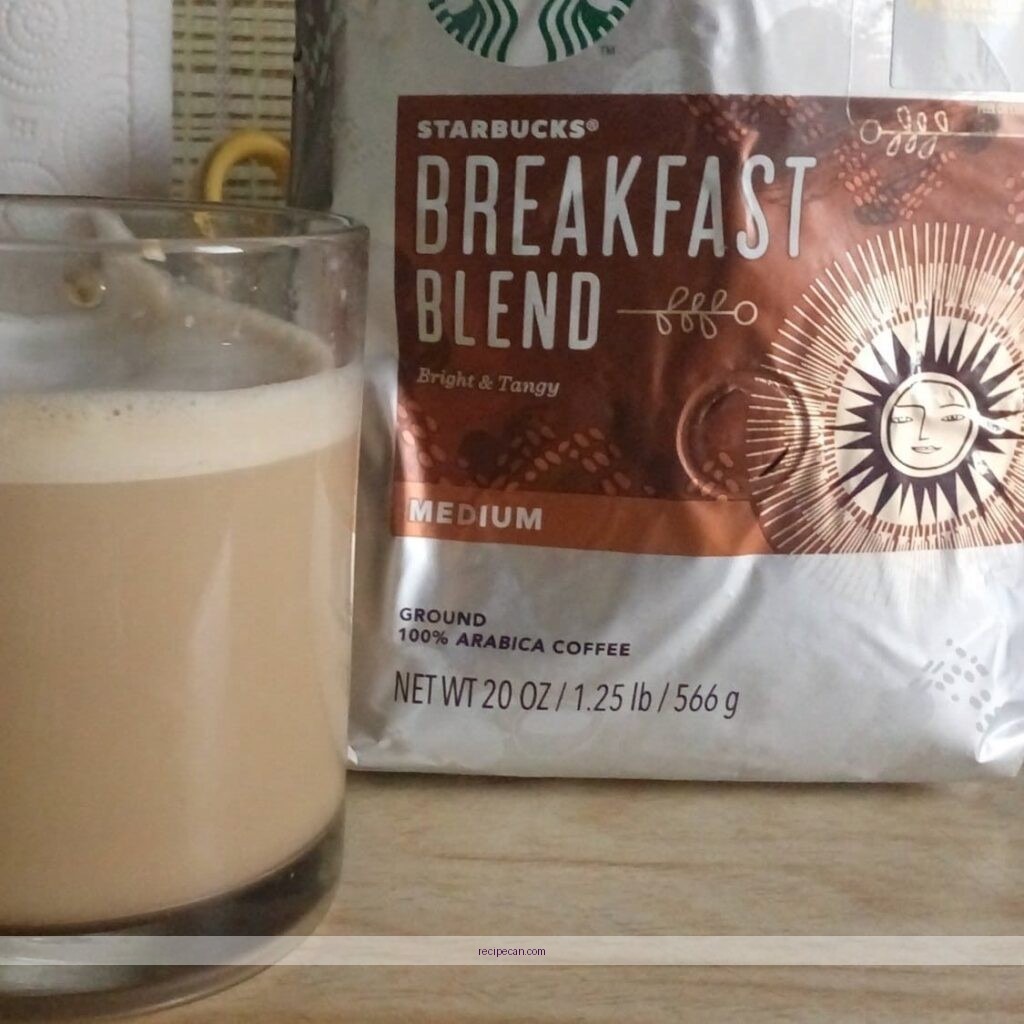
1. Choose Your Coffee Beans: Select high-quality, freshly roasted beans suited for your chosen method. Be mindful of the grind size that aligns with the brewing technique—coarse for French press and fine for espresso.
2. Measure Your Ingredients: Use a digital scale to measure coffee and water precisely; a standard ratio is 1:15 (coffee to water in grams) for most brewing methods.
3. Set Your Brewing Temperature: Heat water to 195-205°F (90-96°C) for optimal extraction. Avoid boiling water to prevent scorched flavors.
4. Brew Time Management: Stick to the recommended brew times for each method—for instance, 4 minutes for French press and 25-30 seconds for espresso. This helps prevent over-extraction and undesirable bitterness.
Top 7 Coffee Brewing Methods by Popularity (2024)
| # | Brewing Method | Preparation Time | Grind Size | Flavor Profile |
|---|---|---|---|---|
| 1 | Espresso | 25-30 seconds | Fine | Rich, Bold |
| 2 | French Press | 4 minutes | Coarse | Full-bodied, Smooth |
| 3 | Cold Brew | 12-24 hours | Coarse | Mellow, Sweet |
| 4 | Pour Over | 3-4 minutes | Medium | Crisp, Clean |
| 5 | AeroPress | 2-3 minutes | Fine | Strong, Versatile |
| 6 | Moka Pot | 5 minutes | Medium | Bold, Intense |
| 7 | Nitro Cold Brew | 12-24 hours | Coarse | Creamy, Smooth |
Warning Signs: When Not to Follow This

Be cautious if you have a medical condition that prohibits caffeine intake, such as certain heart conditions; in such cases, avoid all coffee recipes containing caffeine. Individuals with allergies to specific ingredients, like dairy or flavorings (e.g., vanilla, hazelnut), should steer clear of recipes that include these components. Additionally, lacking the necessary equipment—such as a grinder, espresso machine, or proper brewing vessel—may hinder successful results, making it advisable to hold off on these protocols. Lastly, if you cannot access fresh, high-quality coffee beans, it’s wise to seek quality sources before diving into advanced recipes.
The Most Common Mistakes (And Their Consequences)
– Incorrect Grind Size: Using the wrong grind size can result in over-extraction (too fine) or under-extraction (too coarse), leading to bitter or weak flavors, respectively. For example, espresso requires a fine grind, while French press demands a coarse grind.
– Imprecise Measurements: Failing to weigh coffee and water can create inconsistency; using too much coffee can yield an overpowering brew, while too little may result in a weak cup. A digital scale is essential for accuracy.
– Ignoring Brew Times: Oversteeping coffee, particularly with methods like French press, can result in excessive bitterness, while insufficient steeping leaves flavors unbalanced and lacking depth. Sticking to the recommended brew times is crucial for achieving flavor balance.
– Not Cleaning Equipment: Neglecting to clean coffee-making equipment regularly can cause rancid oil buildup, negatively impacting the flavor of every brew. It is advisable to clean your coffee maker and grinder weekly.
Special Cases That Need a Different Approach
– Decaffeinated Coffee: For those who prefer decaf, recipes should be modified for brewing times and temperatures, as decaffeinated beans require different handling to achieve optimal flavor. Generally, lower brewing temperatures enhance the flavor of decaf.
– Cold Brew Adjustments: Making cold brew requires a coarser grind and longer steeping time (usually 12-24 hours), diverging significantly from hot coffee protocols. Adjust the coffee-to-water ratio to 1:4 for a concentrated brew.
– Flavored Coffees: When adding syrups or flavorings, it’s important to adjust the coffee-to-water ratio to maintain balance. For instance, reduce the amount of coffee if you’re adding a significant volume of syrup. Always taste and adjust according to your preference.
– Single-Origin vs. Blends: Brewing protocols may need adjustments based on the unique characteristics of single-origin beans compared to blends, as their flavor profiles and acidity levels can greatly differ. Single-origin beans often require more delicate brewing techniques.
When You Need a Professional
If you have specific dietary restrictions or health concerns related to caffeine or coffee consumption, consult a healthcare provider before experimenting with coffee recipes. Should you encounter persistent issues with brewing methods despite following the protocols, consider reaching out to a certified coffee expert or barista for personalized guidance. Major equipment failures, such as a leaky espresso machine, may necessitate contacting a professional technician to ensure safety and optimal functioning. Lastly, if you are contemplating starting a coffee business or café and require advanced knowledge or certifications, consulting with a coffee industry expert is advisable for a comprehensive understanding and compliance.
Sources and Further Reading
– “The Coffee Roaster’s Companion” by Scott Rao – an authoritative text on coffee roasting and brewing techniques.
– Specialty Coffee Association (SCA) guidelines on brewing methods and quality standards, available on their official website.
– “The World Atlas of Coffee” by James Hoffmann – a detailed resource covering coffee varieties, brewing methods, and flavor profiles.
– Research studies published in the Journal of Food Science on the chemistry of coffee brewing and extraction rates, providing scientific backing to the discussed protocols.
Frequently Asked Questions
What are some popular coffee recipes for beginners?
Beginners can start with simple coffee recipes like classic iced coffee, French press coffee, and instant coffee variations. A basic iced coffee can be made by brewing strong coffee and pouring it over ice, while French press coffee requires coarsely ground coffee steeped in hot water. Instant coffee recipes often just need hot water and a splash of milk or flavored syrups for added taste.
How can I make a delicious homemade latte?
To make a delicious homemade latte, start by brewing a shot of espresso or strong coffee. Heat and froth milk until it reaches a creamy texture, then pour it over the coffee while holding back the foam. Finish by adding your favorite flavorings, such as vanilla or caramel syrup, to elevate the taste of your latte.
Why are coffee recipes important for enhancing flavor?
Coffee recipes are important as they allow you to explore various flavor profiles and enhance your coffee experience. By experimenting with different brewing methods and ingredients, you can discover unique combinations that cater to your taste preferences. This not only makes your daily coffee routine more enjoyable but also helps you appreciate the diverse world of coffee.
What is the best way to brew coffee for cold brew recipes?
The best way to brew coffee for cold brew recipes is to use a coarse coffee grind and steep it in cold water for 12 to 24 hours. This slow extraction process results in a smooth, less acidic coffee concentrate. After steeping, strain the mixture through a coffee filter or a fine mesh sieve to enjoy a refreshing cold brew that can be served over ice or mixed with milk.
Which ingredients can I add to coffee recipes for a healthier option?
To create healthier coffee recipes, consider adding natural sweeteners like honey or maple syrup instead of refined sugar, and opt for almond or oat milk instead of whole milk. Spices such as cinnamon or nutmeg can enhance flavor without additional calories. Adding a scoop of protein powder or collagen can also provide extra nutrition while maintaining the delicious taste of your coffee.
References
- Coffee
https://en.wikipedia.org/wiki/Coffee - https://www.bbc.com/food/topics/coffee
https://www.bbc.com/food/topics/coffee - https://www.nytimes.com/2020/09/30/cooking/coffee-recipes.html
https://www.nytimes.com/2020/09/30/cooking/coffee-recipes.html - https://www.sciencedirect.com/topics/food-science/coffee
https://www.sciencedirect.com/topics/food-science/coffee - Coping with anxiety: Can diet make a difference? – Mayo Clinic
https://www.mayoclinic.org/healthy-lifestyle/nutrition-and-healthy-eating/expert-answers/coffee/faq-20057987 - https://www.britannica.com/topic/coffee-drink
https://www.britannica.com/topic/coffee-drink - Checking your browser – reCAPTCHA
https://www.ncbi.nlm.nih.gov/pmc/articles/PMC6413048/ - https://www.healthline.com/nutrition/coffee-benefits
https://www.healthline.com/nutrition/coffee-benefits - Google Scholar Google Scholar
https://scholar.google.com/scholar?q=best+coffee+recipes - Google Scholar Google Scholar
https://scholar.google.com/scholar?q=coffee+brew+methods+recipes