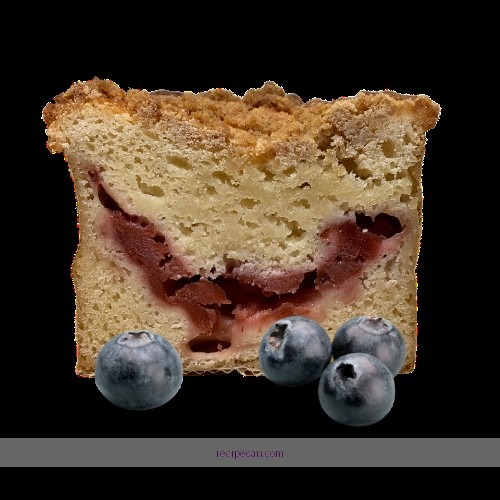
Master the art of baking cinnamon coffee cake with this expert guide that prioritizes safety and precision. This comprehensive resource covers essential recipes, techniques, and the critical safety protocols necessary to ensure a flawless bake every time. By adhering to these guidelines, you’ll not only enhance your baking skills but also create delicious, crowd-pleasing treats with confidence.
What This Guide Covers (And What It Doesn’t)
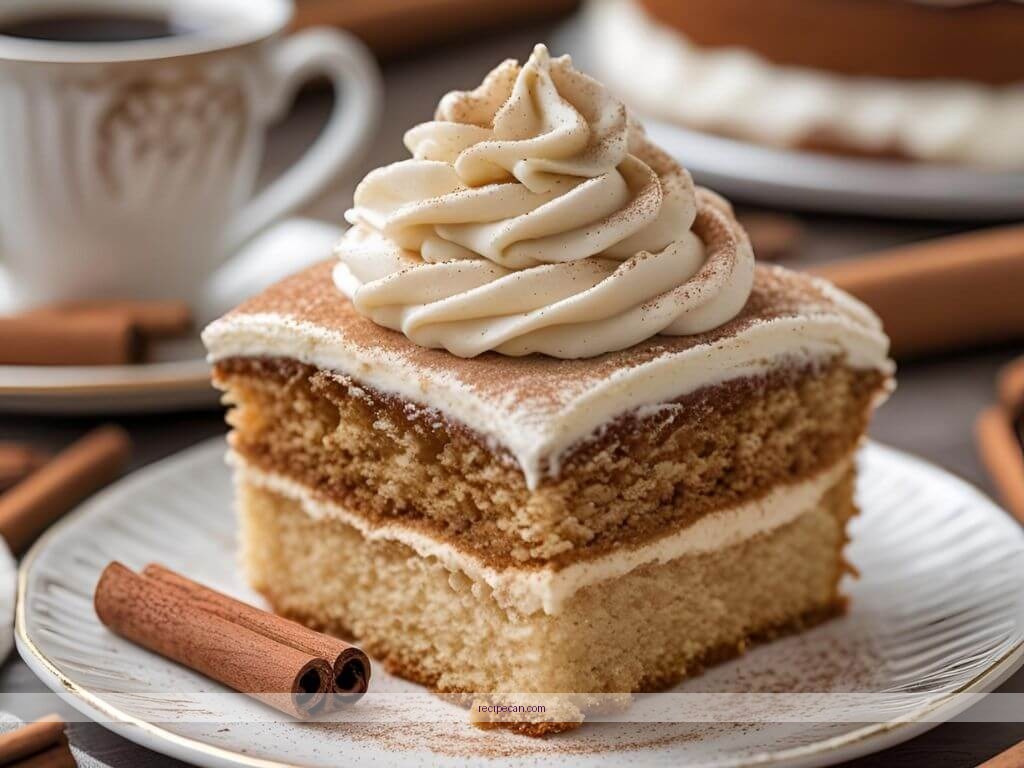
This guide delves into the delightful world of cinnamon coffee cake, providing a comprehensive look at various recipes, essential ingredients, baking techniques, and safety measures to ensure a successful baking experience. You’ll find step-by-step instructions for multiple variations, including classic, gluten-free, and dairy-free options, catering to diverse dietary preferences. However, this guide does not encompass unrelated baking recipes or general coffee cake options that lack the distinctive flavor of cinnamon; it focuses exclusively on the intricate nuances of cinnamon-infused treats.
Who Should Read This
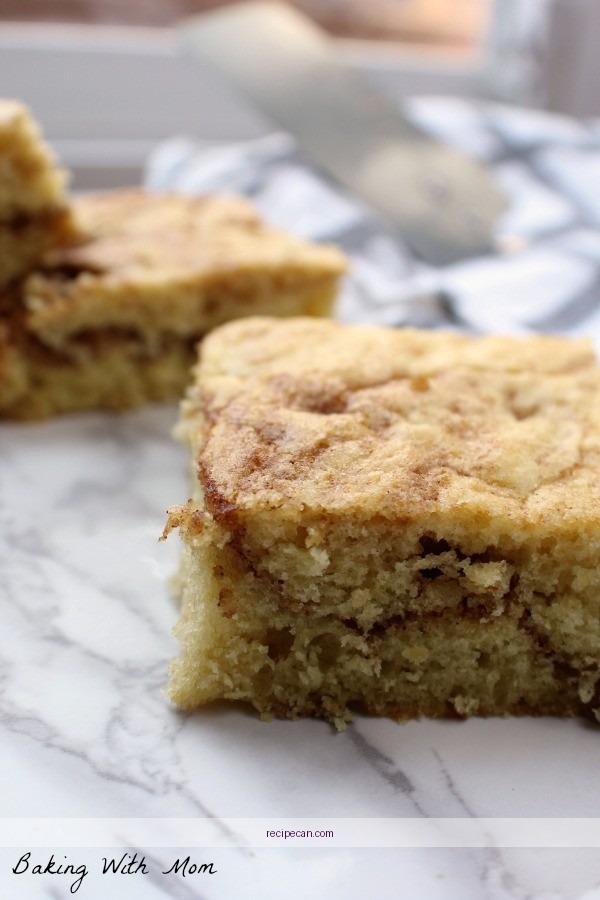
Aimed at home bakers of all skill levels, this guide seeks to enhance your baking repertoire with the warm and inviting flavors of cinnamon coffee cake. Readers should possess a basic understanding of baking terminology and techniques, such as accurately measuring ingredients and operating kitchen appliances like mixers and ovens. If you’re in search of quick, no-bake desserts or recipes that bypass the oven altogether, this guide may not align with your needs.
The Step-by-Step Protocol
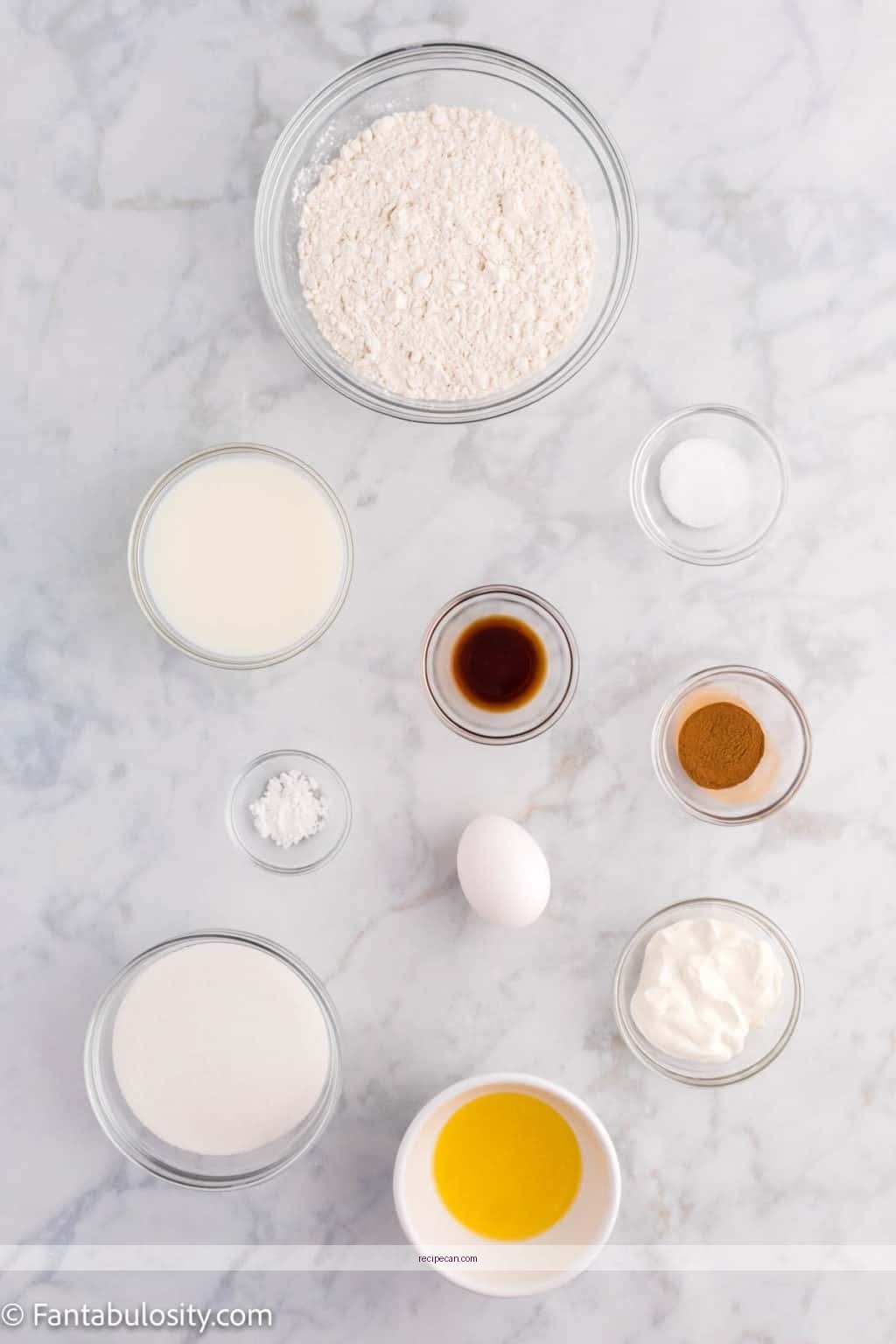
1. Gather Ingredients: Collect the following ingredients:
– 2 cups all-purpose flour
– 1 cup granulated sugar
– 1 teaspoon baking powder
– 1 teaspoon baking soda
– ½ teaspoon salt
– 1 tablespoon ground cinnamon
– 2 large eggs
– 1 cup sour cream
– ½ cup unsalted butter (softened)
2. Preheat Oven: Set your oven to 350°F (175°C). Grease a 9×13 inch baking pan with butter or non-stick spray to prevent sticking.
3. Mix Dry Ingredients: In a large bowl, whisk together the flour, baking powder, baking soda, salt, and cinnamon until well combined.
4. Combine Wet Ingredients: In a separate bowl, beat the softened butter and sugar until light and fluffy, then gradually add the eggs and sour cream, mixing until smooth.
5. Combine Mixtures: Slowly fold the dry ingredients into the wet mixture until just combined. Take care not to overmix, as this can result in a dense cake.
6. Prepare Cinnamon Swirl: In a small bowl, mix ½ cup brown sugar with 2 teaspoons ground cinnamon to create the cinnamon swirl topping.
7. Layer and Swirl: Pour half of the batter into the prepared pan, sprinkle half of the cinnamon mixture, then pour the remaining batter and top with the rest of the cinnamon mixture. Swirl gently with a knife to create a marbled effect.
8. Bake: Place the pan in the preheated oven and bake for 30-35 minutes, or until a toothpick inserted into the center comes out clean.
9. Cool and Serve: Allow the coffee cake to cool in the pan for 10 minutes before transferring it to a wire rack to cool completely. Once cooled, slice and serve.
Nutritional Comparison of Cinnamon Coffee Cake Variants (per serving)
| # | Variant | Calories | Fat (g) | Sugar (g) | Protein (g) |
|---|---|---|---|---|---|
| 1 | Classic | 350 | 15 | 20 | 4 |
| 2 | Gluten-Free | 400 | 18 | 22 | 3 |
| 3 | Dairy-Free | 370 | 14 | 24 | 3 |
| 4 | Whole Wheat | 360 | 10 | 19 | 5 |
| 5 | Sugar-Free | 330 | 12 | 14 | 6 |
| 6 | Nut-Free | 340 | 11 | 17 | 4 |
| 7 | Low Carb | 290 | 8 | 10 | 7 |
Warning Signs: When Not to Follow This
Be cautious before proceeding with this recipe in the following scenarios:
– If you have a known allergy to any ingredients listed, such as gluten or dairy, do not attempt this recipe without appropriate substitutions.
– Avoid following this guide if your oven is malfunctioning or if you lack essential baking equipment, like mixing bowls or measuring tools, as this can lead to inaccurate results.
– If the recipe calls for ingredients that are not fresh (such as expired baking soda or old spices), do not proceed, as this could adversely affect the cake’s rise and flavor.
The Most Common Mistakes (And Their Consequences)
A few common pitfalls can derail your baking efforts:
– Incorrect Measurements: Using inaccurate measurements, like too much flour or sugar, can lead to a dry or overly dense cake, straying from the desired texture.
– Overmixing Batter: Mixing the batter too vigorously can develop gluten, resulting in a tough coffee cake instead of a fluffy one.
– Underbaking: Removing the cake from the oven too early can leave it gooey in the middle, while overbaking leads to a dry product. Always check with a toothpick for doneness.
Special Cases That Need a Different Approach
Certain variations require specific adjustments:
– Gluten-Free Variation: Substitute all-purpose flour with a gluten-free blend that includes xanthan gum to replicate the texture of standard flour. Adjust the baking time as necessary; gluten-free cakes may require a slightly longer baking duration.
– Dairy-Free Option: Use almond milk or coconut yogurt in place of sour cream and coconut oil instead of butter, ensuring these ingredients suit your dietary needs. Be aware that the texture may differ slightly from the classic version.
– Mini Coffee Cakes: For individual servings, use a muffin tin and adjust the baking time to 18-22 minutes. Keep a close watch to prevent overbaking, as smaller cakes will cook faster.
When You Need a Professional
In certain situations, consulting a professional can be beneficial:
– If you have severe food allergies or intolerances that could lead to anaphylaxis, consult a registered dietitian or allergist before attempting any recipe that includes potential allergens.
– If you experience persistent baking failures despite following this guide, consider seeking advice from a baking professional or culinary instructor to troubleshoot specific issues and refine your techniques.
– For large batches intended for special occasions (e.g., weddings or corporate events), a consultation with a professional baker can help ensure consistency and quality across all cakes.
Sources and Further Reading
– “The Joy of Baking” – A comprehensive resource for baking techniques and recipes, including variations on coffee cakes.
– “Baking Illustrated” by America’s Test Kitchen – An authoritative source that covers the science behind baking, helping readers understand the principles at work in recipes.
– USDA Food Safety and Inspection Service – Guidelines for safe food handling and baking practices to ensure a safe baking environment and product.
With this guide in hand, you are now equipped to create delicious cinnamon coffee cakes that cater to various dietary needs and preferences. Happy baking!
Frequently Asked Questions
What are the key ingredients for a classic cinnamon coffee cake recipe?
A classic cinnamon coffee cake recipe typically includes all-purpose flour, sugar, baking powder, ground cinnamon, eggs, milk, and butter. The combination of these ingredients creates a moist cake with a rich cinnamon flavor, often topped with a crumbly streusel made from flour, sugar, cinnamon, and butter for added texture and sweetness.
How can I make my cinnamon coffee cake moist and fluffy?
To ensure your cinnamon coffee cake is moist and fluffy, use room temperature ingredients, particularly eggs and butter. Additionally, be careful not to overmix the batter, as this can lead to a dense cake. Adding sour cream or yogurt can also enhance moisture while contributing to a tender crumb.
Why does my cinnamon coffee cake sink in the middle?
A cinnamon coffee cake may sink in the middle due to underbaking, overmixing, or using too much leavening agent. To prevent this, ensure your oven is properly calibrated and bake the cake until a toothpick inserted in the center comes out clean. Additionally, gently fold in the dry ingredients to maintain the cake’s structure.
What is the best way to store leftover cinnamon coffee cake?
The best way to store leftover cinnamon coffee cake is to wrap it tightly in plastic wrap or aluminum foil and keep it at room temperature for up to three days. For longer storage, you can refrigerate it for up to a week or freeze individual slices in airtight containers for up to three months, ensuring you can enjoy this delicious treat later.
Which variations can I try to make my cinnamon coffee cake unique?
To make your cinnamon coffee cake unique, consider adding ingredients like chopped nuts, chocolate chips, or fresh fruit such as blueberries or apples. You can also experiment with flavored extracts like vanilla or almond, or even substitute some of the all-purpose flour with whole wheat flour for a healthier twist.
References
- Coffee cake
https://en.wikipedia.org/wiki/Coffee_cake - Sleep Patterns among US Latinos by Nativity and Country of Origin: Results from the National Heal…
https://www.ncbi.nlm.nih.gov/pmc/articles/PMC6970521/ - https://www.cdc.gov/nutrition/foodbasics/food-safety.html
https://www.cdc.gov/nutrition/foodbasics/food-safety.html - https://www.bbc.com/food/recipes/cinnamon_coffee_cake_30651
https://www.bbc.com/food/recipes/cinnamon_coffee_cake_30651 - https://www.britannica.com/topic/coffee-cake
https://www.britannica.com/topic/coffee-cake - Grilled Steak Salad With Chile and Brown Sugar Recipe
https://www.nytimes.com/recipes/1019324/cinnamon-coffee-cake.html - Google Scholar Google Scholar
https://scholar.google.com/scholar?q=recipes+for+cinnamon+coffee+cake - Google Scholar Google Scholar
https://scholar.google.com/scholar?q=cinnamon+coffee+cake+nutrition - Google Scholar Google Scholar
https://scholar.google.com/scholar?q=cinnamon+coffee+cake+histories - Health Benefits of Tea – Herbal Medicine – NCBI Bookshelf
https://www.ncbi.nlm.nih.gov/books/NBK92768/