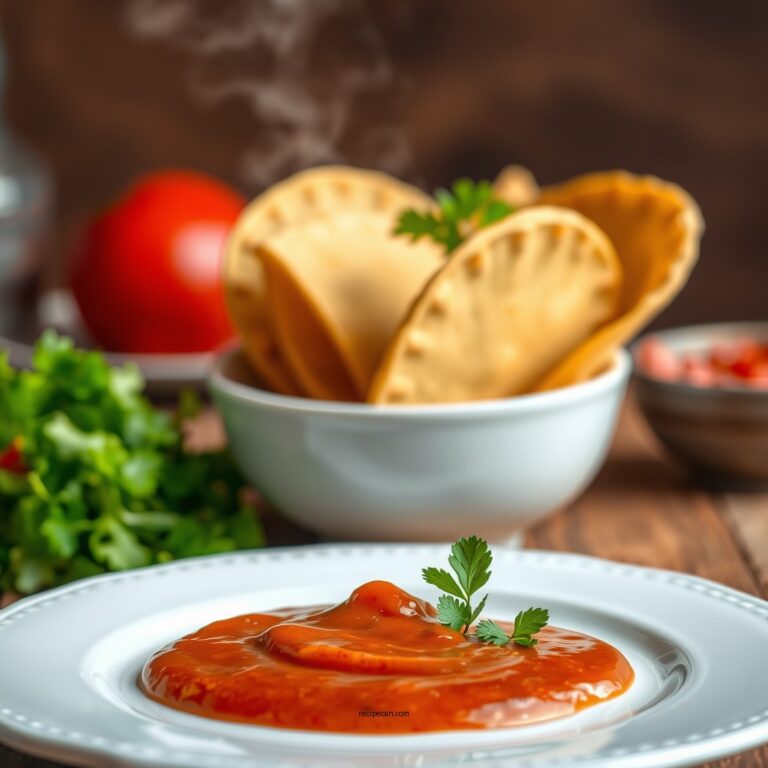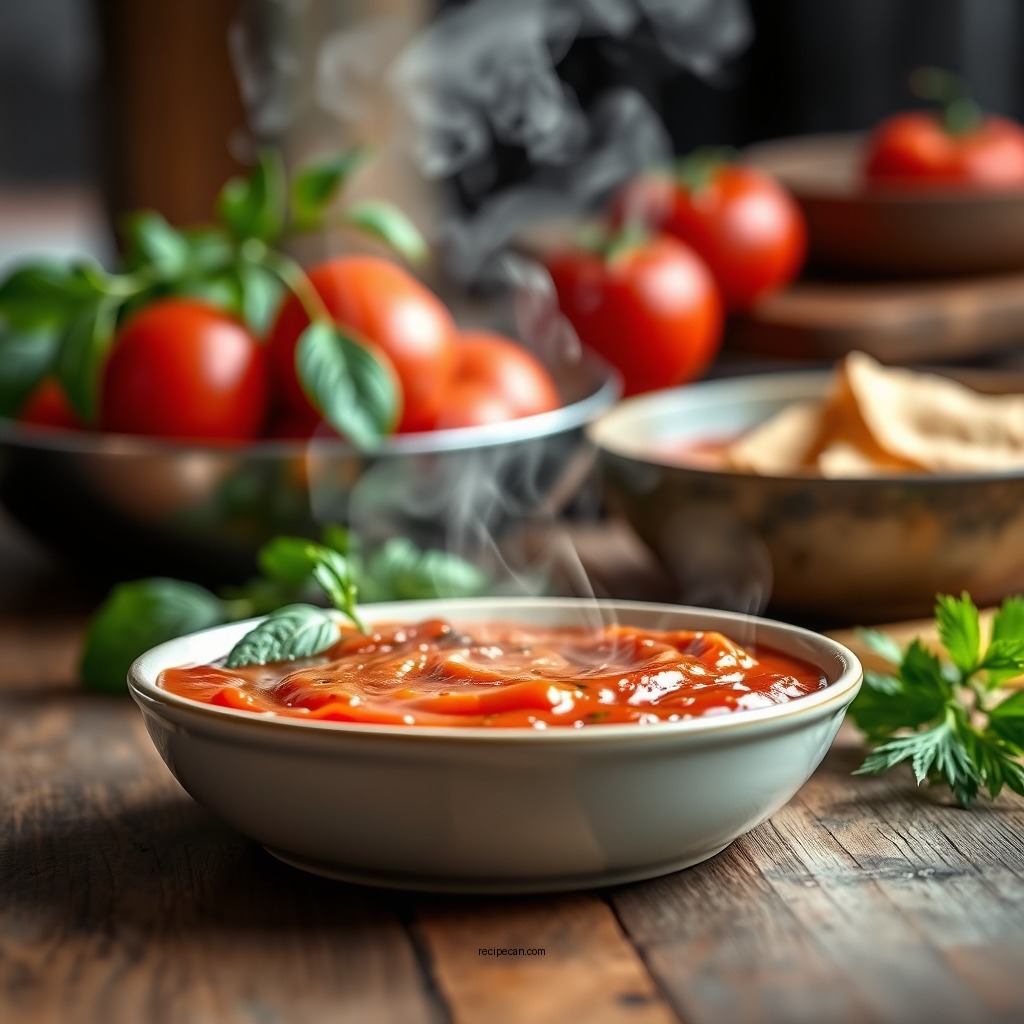
Creating the best tomato sauce is an art that hinges on the selection of high-quality ingredients and mastering a few essential techniques. This guide will walk you through a straightforward recipe that promises to elevate your pasta dishes, pizzas, and more. By combining fresh tomatoes, aromatic herbs, and spices, you can achieve a rich, flavorful sauce in no time, ensuring that every meal is a delightful experience.
Choosing the Right Tomatoes
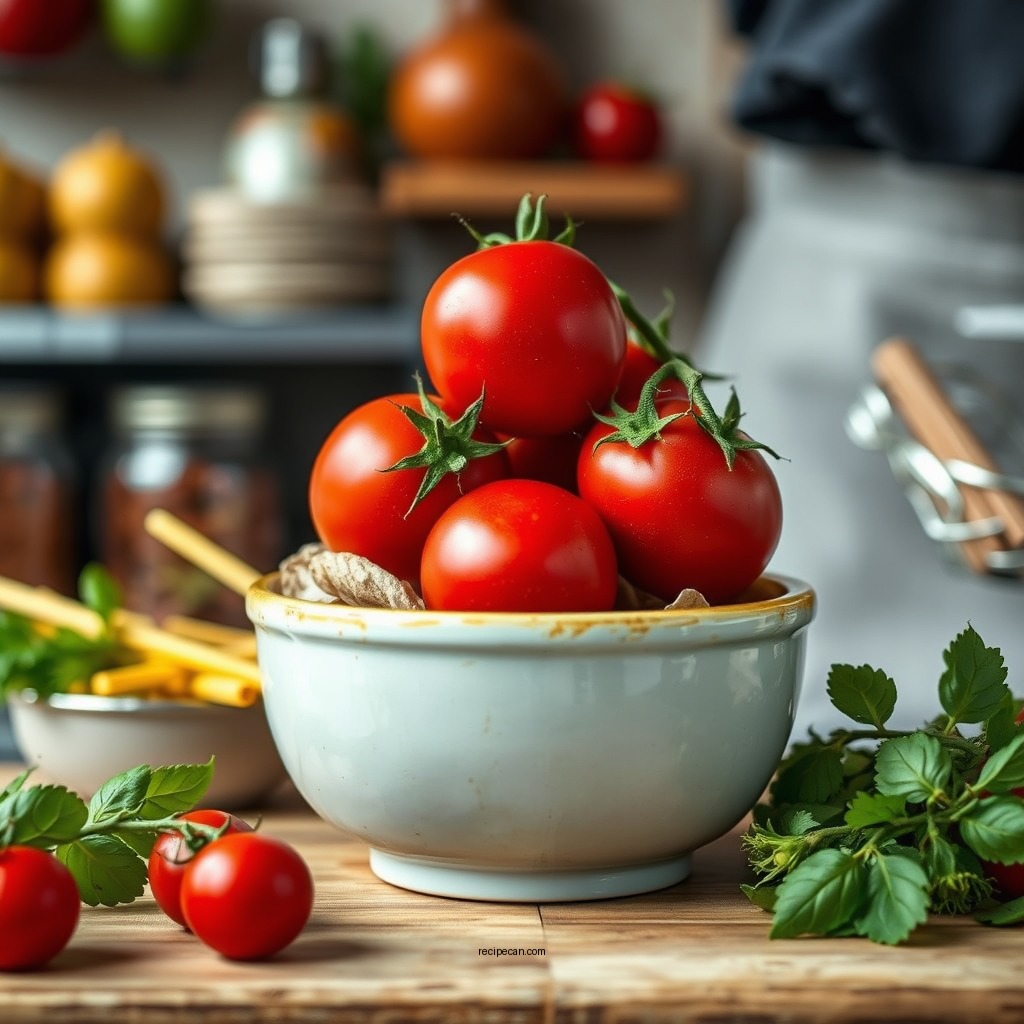
When it comes to making tomato sauce, the type and quality of tomatoes you use are paramount. Opting for ripe, seasonal tomatoes ensures the best flavor and sweetness. Varieties such as Roma and beefsteak tomatoes are particularly favored for their rich taste and meaty texture, which contribute to a more robust sauce. Roma tomatoes, known for their lower water content, are ideal for sauces, while beefsteak tomatoes add a luscious, juicy element.
Consider mixing different varieties to achieve a balanced flavor profile. For example, combining sweet cherry tomatoes with the acidity of San Marzano can enhance the sauce’s depth and complexity. Moreover, sourcing local, organic tomatoes when in season can significantly elevate the taste of your sauce, making it a fresh and vibrant addition to your meals.
Essential Ingredients for Flavor
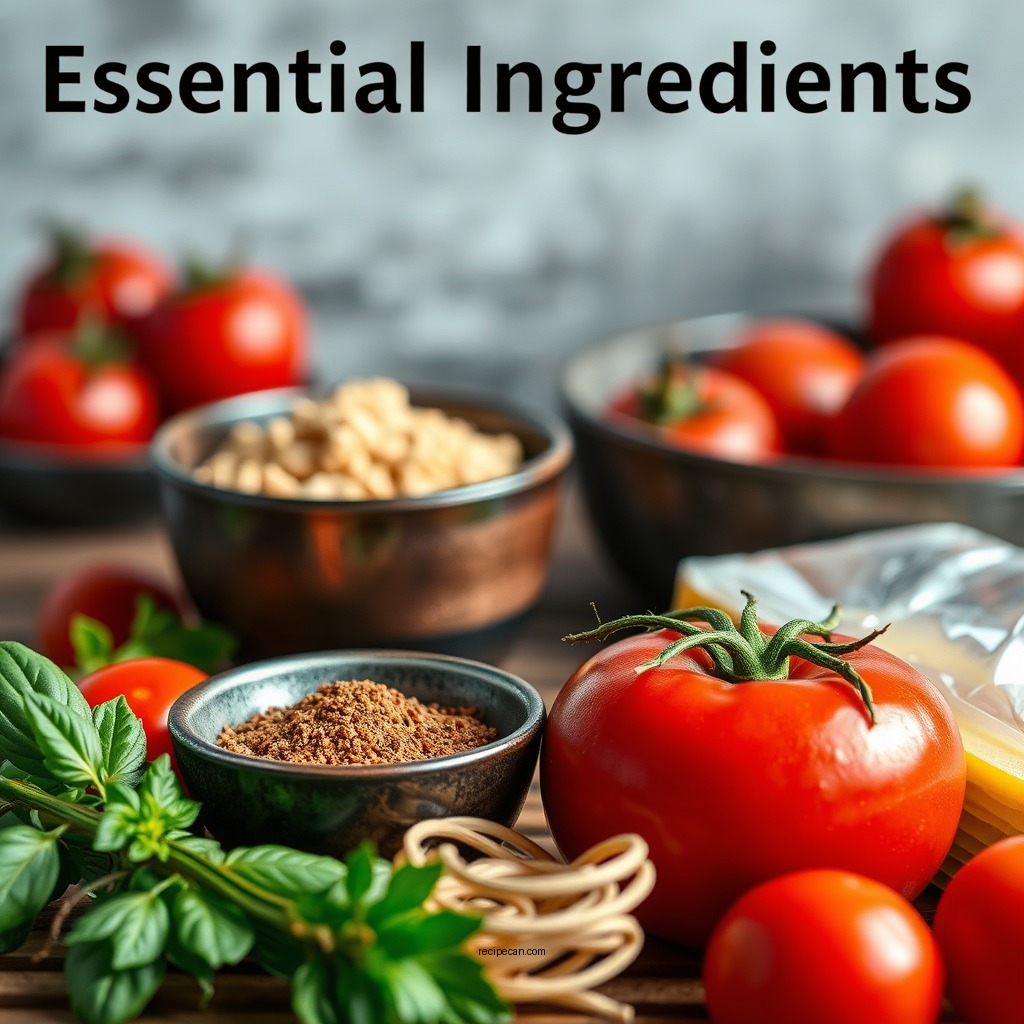
Beyond tomatoes, several essential ingredients can significantly elevate your tomato sauce. Fresh garlic and onions are crucial for adding aromatic depth and complexity. Start by finely chopping a medium onion and a few cloves of garlic; sautéing them in olive oil releases their natural sweetness and transforms them into a fragrant base for your sauce.
Herbs play a vital role as well. Fresh basil and oregano are classic choices that complement the tomato’s natural sweetness. Basil adds a peppery freshness, while oregano contributes earthiness and warmth. For a more layered flavor, consider adding thyme or a bay leaf during the simmering process. Finally, a splash of high-quality olive oil not only enriches the sauce but also enhances the overall mouthfeel, making it more indulgent.
Preparing Your Sauce
The preparation of your tomato sauce begins with the sautéing of garlic and onions in olive oil. Begin by heating a few tablespoons of olive oil in a saucepan over medium heat. Once the oil is shimmering, add the chopped onions and sauté until they become translucent, approximately 5-7 minutes. Next, add the minced garlic, cooking for an additional minute until fragrant.
Following this, introduce your chopped tomatoes into the pan. If you’re using canned tomatoes, choose whole peeled tomatoes for the best texture; crush them by hand or with a wooden spoon. Allow the mixture to come to a gentle simmer, then reduce the heat. This process allows the flavors to meld and develop, creating a rich, harmonious sauce.
📋 DATA
Types of Tomatoes for Sauce (2024)
| # | Tomato Variety | Best For | Flavor Profile | Water Content |
|---|---|---|---|---|
| 1 | Roma | Sauces | Rich, Sweet | Low |
| 2 | Beefsteak | Salsas | Lush, Juicy | Medium |
| 3 | San Marzano | Sauces | Sweet, Tangy | Low |
| 4 | Cherry | Salads | Sweet, Crisp | Medium |
| 5 | Grape | Roasting | Tangy, Sweet | Medium |
| 6 | Green Zebra | Salsas | Sweet, Tangy | Medium |
| 7 | Heirloom | Garnishes | Complex, Rich | Medium |
Cooking Techniques for the Perfect Consistency
Achieving the perfect consistency in your tomato sauce is crucial for a successful final dish. As the sauce simmers, utilize a wooden spoon to break down the tomatoes. This technique helps to create a smoother texture, allowing the flavors to blend seamlessly.
Simmering the sauce uncovered is essential for reducing excess moisture and thickening the mixture. Depending on the desired consistency, this can take anywhere from 20 to 45 minutes. Stir occasionally to prevent the sauce from sticking to the bottom of the pan. For an even richer flavor, consider adding a splash of red wine or a tablespoon of tomato paste during the simmering process, which can deepen the sauce’s complexity and richness.
📈 CHART
Tomato Sauce Cooking Time vs. Consistency (minutes)
Enhancing the Flavor Profile
To elevate your tomato sauce further, consider adding a few simple enhancements. A pinch of sugar can help to balance the acidity of the tomatoes, particularly if you’re using varieties that are more tart. This small addition can transform the sauce from good to great by creating a well-rounded flavor profile.
For those who enjoy a bit of heat, experimenting with red pepper flakes can introduce a delightful kick. Alternatively, a splash of balsamic vinegar can add a layer of complexity and sweetness that complements the tomatoes beautifully. Other options include a touch of freshly grated Parmesan cheese added at the end for a hint of umami or a tablespoon of butter to create a silky finish.
Storing and Using Your Tomato Sauce
Once your tomato sauce is prepared, proper storage is essential for preserving its freshness. Store the sauce in airtight containers in the refrigerator, where it will last for up to a week. To ensure you always have homemade sauce on hand, consider freezing it in batches. Ice cube trays are an excellent option for portioning; once frozen, transfer the cubes to a freezer bag for easy use.
When you’re ready to use your sauce, simply thaw it in the refrigerator overnight or warm it directly from the freezer in a saucepan over low heat. This versatility allows you to enjoy homemade tomato sauce anytime, enhancing the flavor of your meals effortlessly.
Pairing Your Sauce with Dishes
The versatility of tomato sauce makes it an ideal companion for various dishes. It serves as a perfect base for pasta, from spaghetti to fettuccine, allowing you to customize each meal with additional ingredients such as vegetables, proteins, or cheese. It’s also an excellent choice for layering in lasagna or as a base for homemade pizzas, where it complements the crust and toppings beautifully.
For a delightful appetizer, consider serving the sauce with fresh bread for dipping. This not only makes for a simple yet elegant starter but also showcases the sauce’s rich flavors.
In conclusion, the best tomato sauce recipe is one that is simple yet versatile, allowing for customization and creativity. By following these steps, you can enjoy a homemade sauce that enhances your meals. The key lies in using quality ingredients, mastering cooking techniques, and being open to experimentation with flavors. Try it out, and don’t hesitate to make it your own!
Frequently Asked Questions
What are the essential ingredients for the best tomato sauce recipe?
The best tomato sauce recipe typically includes ripe tomatoes, olive oil, garlic, onions, salt, and fresh herbs such as basil and oregano. Using San Marzano tomatoes can enhance the flavor, while a splash of red wine or a pinch of sugar can balance acidity. Fresh ingredients are key to achieving a rich and vibrant sauce.
How do you make tomato sauce from fresh tomatoes?
To make tomato sauce from fresh tomatoes, start by blanching and peeling the tomatoes. Sauté chopped onions and garlic in olive oil until golden, then add diced tomatoes, salt, and herbs. Simmer for about 30-45 minutes until thickened, stirring occasionally, to create a delicious homemade tomato sauce.
Why does my tomato sauce taste bitter and how can I fix it?
A bitter taste in tomato sauce can result from overcooking or using unripe tomatoes. To fix it, add a pinch of sugar or a splash of balsamic vinegar to balance the flavors. Additionally, incorporating fresh basil at the end of cooking can help mellow out bitterness.
What is the best way to store homemade tomato sauce?
The best way to store homemade tomato sauce is to let it cool completely, then transfer it to airtight containers. You can refrigerate the sauce for up to a week or freeze it for up to six months. For convenience, consider portioning the sauce into ice cube trays before freezing for easy use in future recipes.
Which types of tomatoes are best for making sauce?
The best types of tomatoes for making sauce are generally paste tomatoes, like Roma or San Marzano, due to their lower moisture content and rich flavor. These varieties yield a thicker, more concentrated sauce without excess water. For a sweeter flavor, you can also use heirloom tomatoes, but be prepared for a slightly thinner consistency.
References
- Tomato sauce
https://en.wikipedia.org/wiki/Tomato_sauce - https://www.seriouseats.com/classic-tomato-sauce-recipe-5115598
https://www.seriouseats.com/classic-tomato-sauce-recipe-5115598 - https://food.unl.edu/article/tomato-sauce
https://food.unl.edu/article/tomato-sauce - NYT Cooking – Recipes and Cooking Guides From The New York Times
https://www.nytimes.com/recipes/1019821-basic-tomato-sauce - https://www.cooking.nytimes.com/recipes/1019821-basic-tomato-sauce
https://www.cooking.nytimes.com/recipes/1019821-basic-tomato-sauce - Google Scholar Google Scholar
https://scholar.google.com/scholar?q=best+tomato+sauce+recipe - Google Scholar Google Scholar
https://scholar.google.com/scholar?q=tomato+sauce+recipe+nutrition - Google Scholar Google Scholar
https://scholar.google.com/scholar?q=homemade+tomato+sauce+recipe - best tomato sauce recipe – Search results
https://en.wikipedia.org/wiki/Special:Search?search=best+tomato+sauce+recipe - https://www.ncbi.nlm.nih.gov/search/research-articles/?term=best+tomato+sauce+recipe
https://www.ncbi.nlm.nih.gov/search/research-articles/?term=best+tomato+sauce+recipe