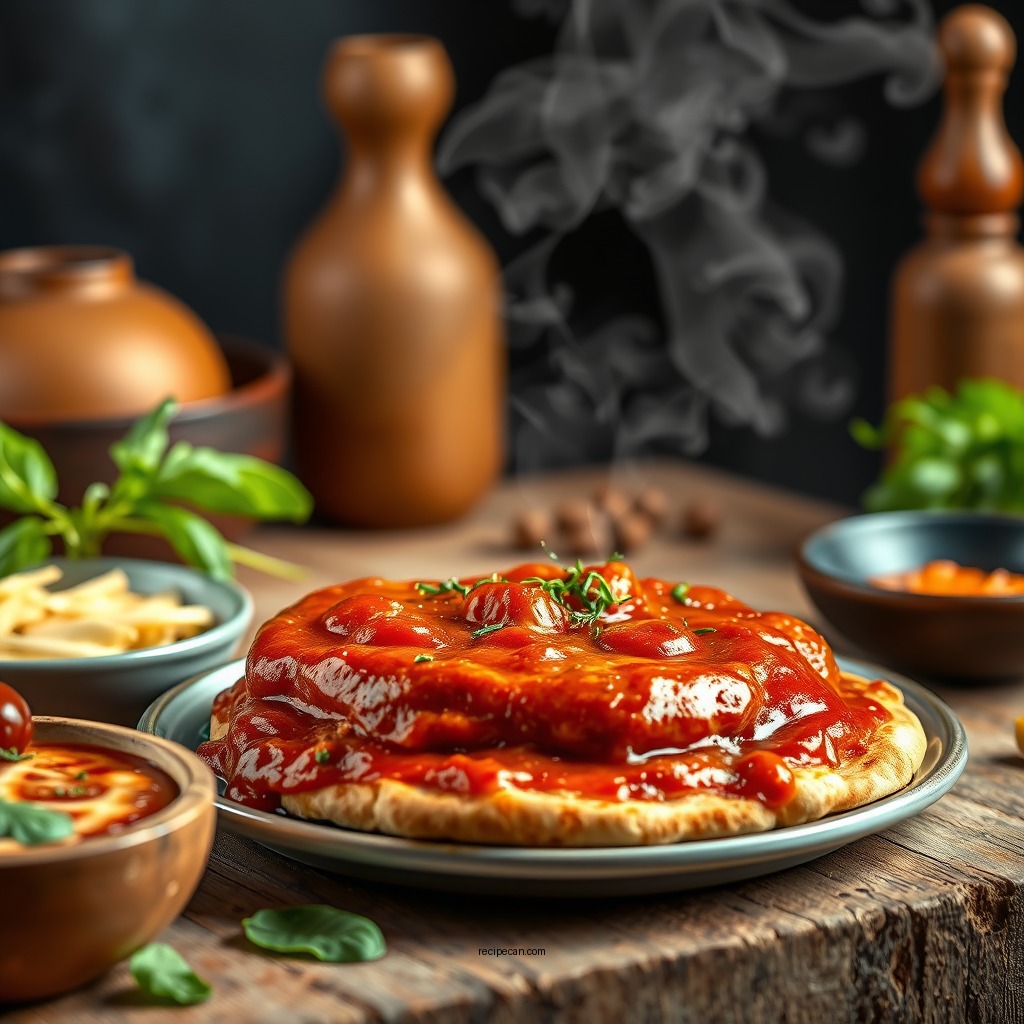
Making the best pizza sauce is straightforward and rewarding, transforming your homemade pizza into a culinary delight. The secret lies in using quality ingredients and simple techniques that bring out the rich flavors of the sauce. In this article, you’ll learn how to craft a delicious pizza sauce that enhances any pizza, utilizing fresh tomatoes, aromatic herbs, and spices.
Key Ingredients for Pizza Sauce
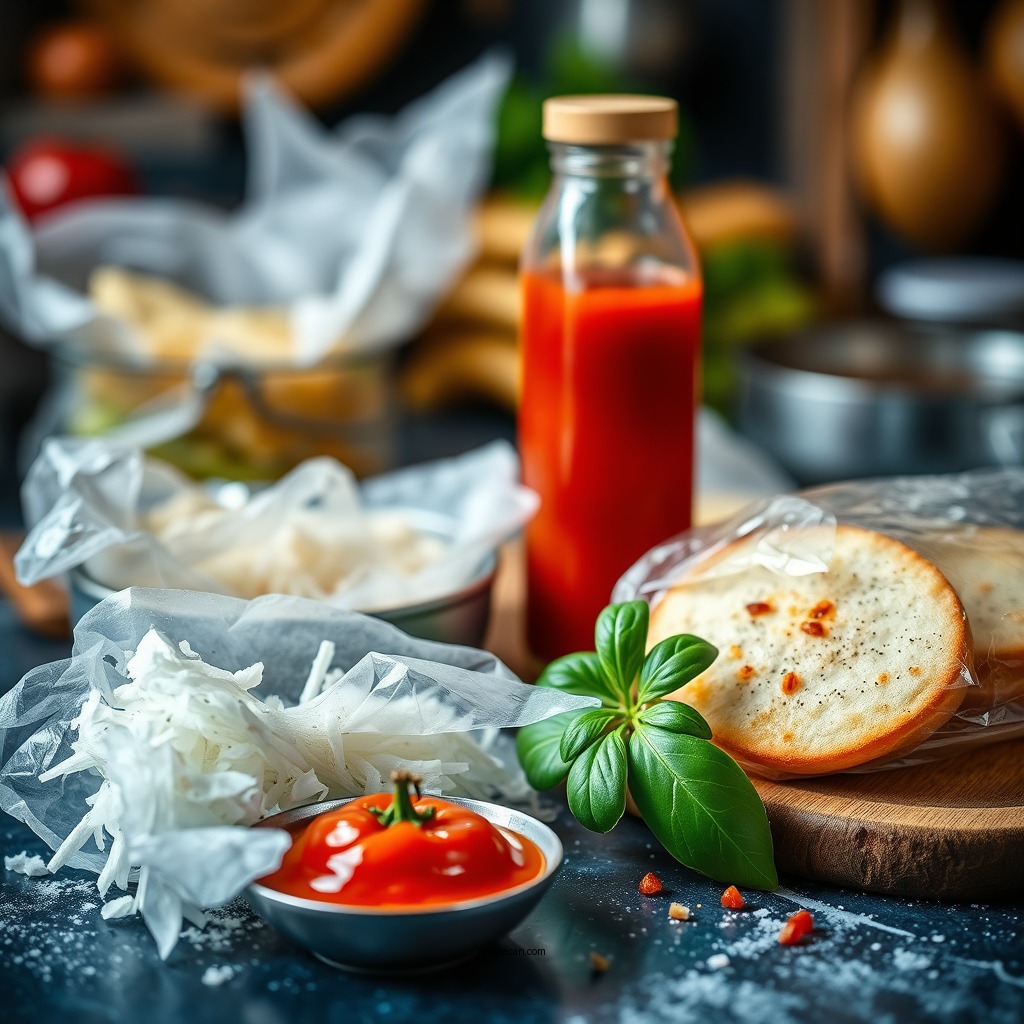
To create a pizza sauce that rivals those found in pizzerias, start with high-quality ingredients:
– Fresh or canned tomatoes: While fresh tomatoes can be used, San Marzano tomatoes are highly recommended for their sweetness and low acidity. These plum tomatoes have a rich flavor that forms the perfect base for your sauce. If fresh tomatoes are out of season, opt for high-quality canned varieties to ensure consistency and taste.
– Olive oil: A good quality olive oil is essential as it adds richness and depth to the sauce. It helps to enhance the flavors of the other ingredients and provide a smooth texture. Use extra virgin olive oil for the best flavor.
– Garlic: This aromatic ingredient provides a flavorful base that elevates the overall taste of your sauce. Fresh garlic cloves are preferable, but garlic powder can be used as a substitute if needed.
Essential Herbs and Spices
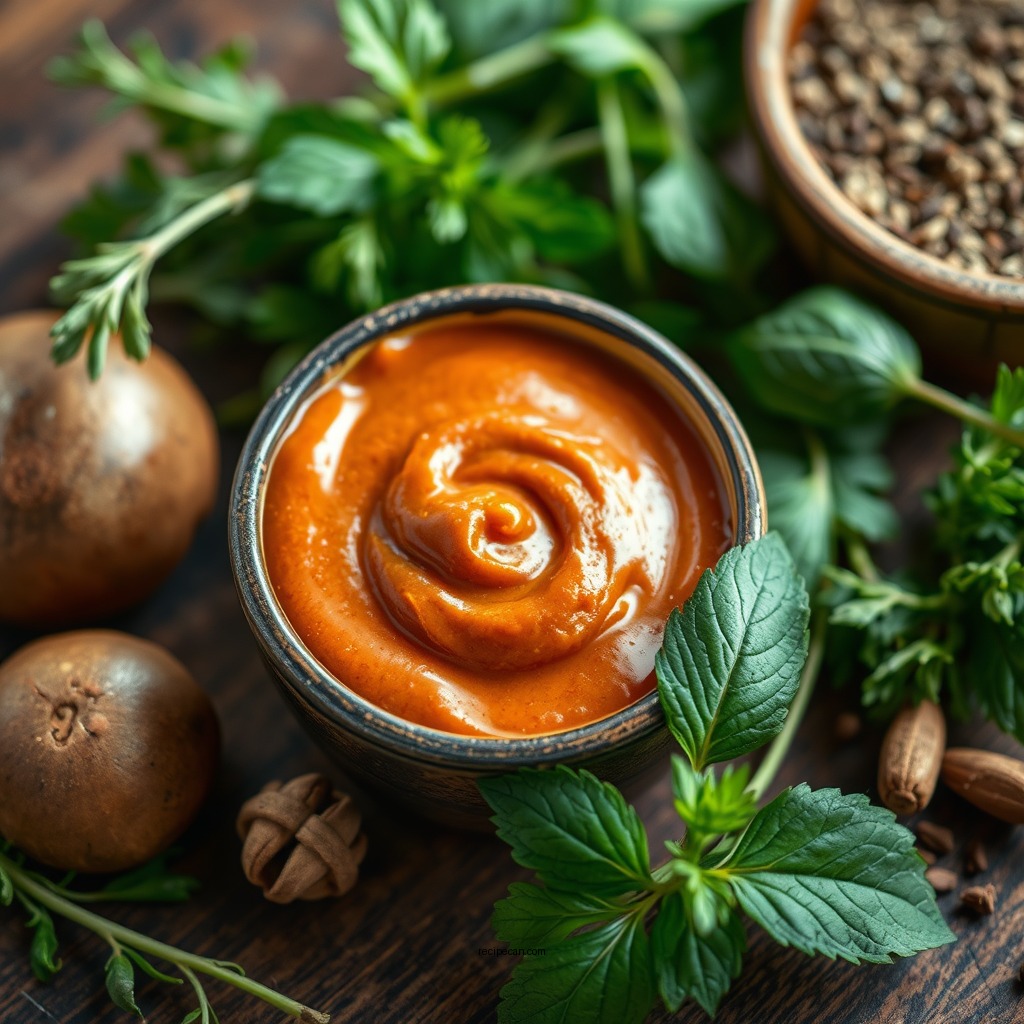
Herbs and spices are vital in giving your pizza sauce its distinct flavor profile:
– Oregano: Often referred to as the quintessential pizza herb, oregano adds a warm, earthy flavor that complements tomato-based sauces beautifully. Fresh oregano is ideal, but dried oregano is a suitable alternative if fresh is not available.
– Basil: The addition of fresh or dried basil lends a fragrant, aromatic quality to the sauce, enhancing its overall appeal. Fresh basil should be added towards the end of cooking to preserve its vibrant flavor.
– Salt and pepper: These essential seasonings balance the flavors and enhance the sauce’s overall taste. Always taste your sauce before serving, adjusting the salt and pepper as necessary to achieve the desired flavor.
Cooking Techniques for Best Results
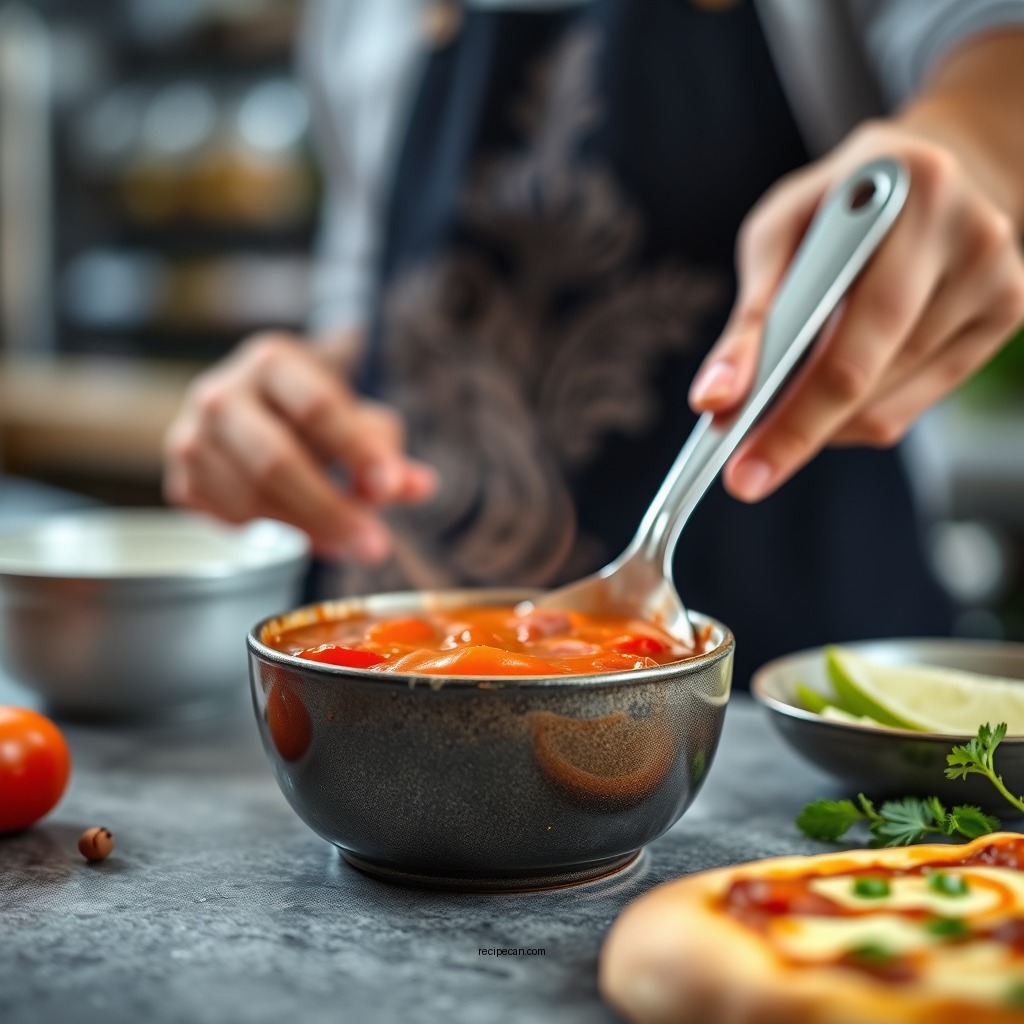
The cooking method plays a crucial role in developing the sauce’s flavor:
– Simmering: Allow the sauce to simmer gently for at least 30 minutes. This process helps develop deep flavors and reduces acidity, resulting in a well-rounded sauce. The longer you simmer, the richer the flavor will become.
– Blending: For a smoother texture, consider blending the ingredients after cooking. This technique is particularly useful if you prefer a less chunky sauce, creating a uniform consistency that spreads easily on your pizza base.
– Taste testing: Regularly taste your sauce throughout the cooking process. This allows you to adjust seasonings as needed, ensuring a balanced flavor profile that suits your palate.
Top 7 Ingredients for Pizza Sauce (2024)
| # | Ingredient | Quality | Taste Rating | Availability |
|---|---|---|---|---|
| 1 | San Marzano Tomatoes | High | ★★★★★ | Moderate |
| 2 | Extra Virgin Olive Oil | High | ★★★★★ | Widely Available |
| 3 | Fresh Garlic | Medium | ★★★★☆ | Widely Available |
| 4 | Dried Oregano | Medium | ★★★★☆ | Widely Available |
| 5 | Fresh Basil | High | ★★★★★ | Seasonal |
| 6 | Sea Salt | High | ★★★★★ | Widely Available |
| 7 | Black Pepper | Medium | ★★★★☆ | Widely Available |
Customizing Your Sauce
Personalizing your pizza sauce can elevate your homemade pizza to new heights. Here are some ideas:
– Adding heat: If you enjoy a bit of spice, consider incorporating red pepper flakes or freshly chopped jalapeños into your sauce. This addition can give your sauce a nice kick that pairs well with cheese and other toppings.
– Sweetening: Sometimes, canned tomatoes can have a higher acidity. A pinch of sugar can help balance this acidity, making your sauce more palatable. Start with a small amount and adjust according to your taste.
– Experimenting: Don’t hesitate to get creative. Adding unique ingredients such as sun-dried tomatoes, roasted red peppers, or even a splash of balsamic vinegar can give your sauce a distinct flavor that sets it apart from traditional recipes.
Storage Tips for Pizza Sauce
Proper storage ensures that your pizza sauce remains fresh and flavorful for future use:
– Refrigeration: Store any leftover sauce in an airtight container in the refrigerator. It can last up to a week, allowing for easy reheating and use on future pizzas.
– Freezing: For longer storage, freeze your sauce in ice cube trays. Once frozen, transfer the cubes to a resealable plastic bag. This method allows you to defrost only the amount you need for a single pizza, making it convenient for quick meals.
Flavor Profiles of Common Pizza Sauces
Pairing Your Sauce with Pizza
The right sauce can make or break your pizza experience. Consider these factors when pairing your sauce:
– Dough selection: The choice of crust can significantly affect the overall taste and texture of the pizza. Whether you prefer a thin, crispy crust or a thick, stuffed crust, ensure it complements the rich flavors of your sauce. A robust sauce pairs well with a sturdy crust, while a lighter sauce might suit a delicate, thin crust.
– Topping suggestions: Balance the flavors of your sauce with appropriate toppings. Classic choices include mozzarella cheese, pepperoni, or a variety of vegetables. For a gourmet touch, consider toppings like prosciutto, arugula, or goat cheese that can enhance the overall flavor profile.
In conclusion, mastering the art of pizza sauce is a combination of quality ingredients, thoughtful preparation, and personal creativity. By following this guide, you can create a sauce that not only complements your pizza but elevates it to a new level of flavor. Don’t hesitate to experiment with the ingredients and techniques discussed here; the best pizza sauce is one that reflects your personal taste. Try making this sauce at home, and share your results or any modifications you make. Additionally, feel free to explore other pizza recipes or sauce variations available on our blog to further enhance your pizza-making skills.
Frequently Asked Questions
What ingredients do I need for the best pizza sauce recipe?
To make the best pizza sauce, you’ll need canned whole tomatoes, olive oil, garlic, dried oregano, dried basil, salt, and a pinch of sugar. These ingredients combine to create a rich and flavorful sauce that complements any pizza. Fresh basil can be added for an extra burst of flavor if desired.
How do I prepare homemade pizza sauce from scratch?
To prepare homemade pizza sauce, start by draining and crushing canned whole tomatoes in a bowl. In a saucepan, heat olive oil over medium heat, sauté minced garlic until fragrant, then add the crushed tomatoes along with oregano, basil, salt, and sugar. Simmer for about 20 minutes to develop the flavors before using it on your pizza.
Why is homemade pizza sauce better than store-bought options?
Homemade pizza sauce is often better than store-bought because it allows you to control the ingredients and customize the flavor to your liking. Store-bought sauces can contain preservatives and artificial flavors, while a homemade recipe can be fresh, vibrant, and tailored to suit your taste preferences, making it a healthier choice.
What is the best way to store leftover pizza sauce?
The best way to store leftover pizza sauce is to let it cool completely, then transfer it to an airtight container. You can refrigerate it for up to a week or freeze it in portions for up to six months. This way, you’ll have delicious homemade pizza sauce ready for your next pizza night without having to make it from scratch again.
Which type of tomatoes works best for pizza sauce?
The best type of tomatoes for pizza sauce are San Marzano tomatoes, known for their sweet flavor and low acidity. Canned whole tomatoes are also a great option, as they retain their freshness and can be easily crushed for a smooth sauce. Using high-quality tomatoes will significantly enhance the overall taste of your pizza.
References
- Pizza
https://en.wikipedia.org/wiki/Pizza - https://www.bbc.co.uk/food/recipes/pizza_sauce_50531
https://www.bbc.co.uk/food/recipes/pizza_sauce_50531 - NYT Cooking – Recipes and Cooking Guides From The New York Times
https://www.nytimes.com/recipes/1019832/pizza-sauce - https://www.sciencedirect.com/topics/food-science/pizza-sauce
https://www.sciencedirect.com/topics/food-science/pizza-sauce - Pizza | Description, Ingredients, & Types | Britannica
https://www.britannica.com/topic/pizza - Google Scholar Google Scholar
https://scholar.google.com/scholar?q=best+pizza+sauce+recipe - Google Scholar Google Scholar
https://scholar.google.com/scholar?q=pizza+sauce+recipes+review - Google Scholar Google Scholar
https://scholar.google.com/scholar?q=pizza+sauce+ingredients - https://www.ncbi.nlm.nih.gov/pmc/articles/PMC7033406/
https://www.ncbi.nlm.nih.gov/pmc/articles/PMC7033406/ - https://www.nutrition.gov/topics/nutrition-education/recipes/pizza-sauce-recipes
https://www.nutrition.gov/topics/nutrition-education/recipes/pizza-sauce-recipes