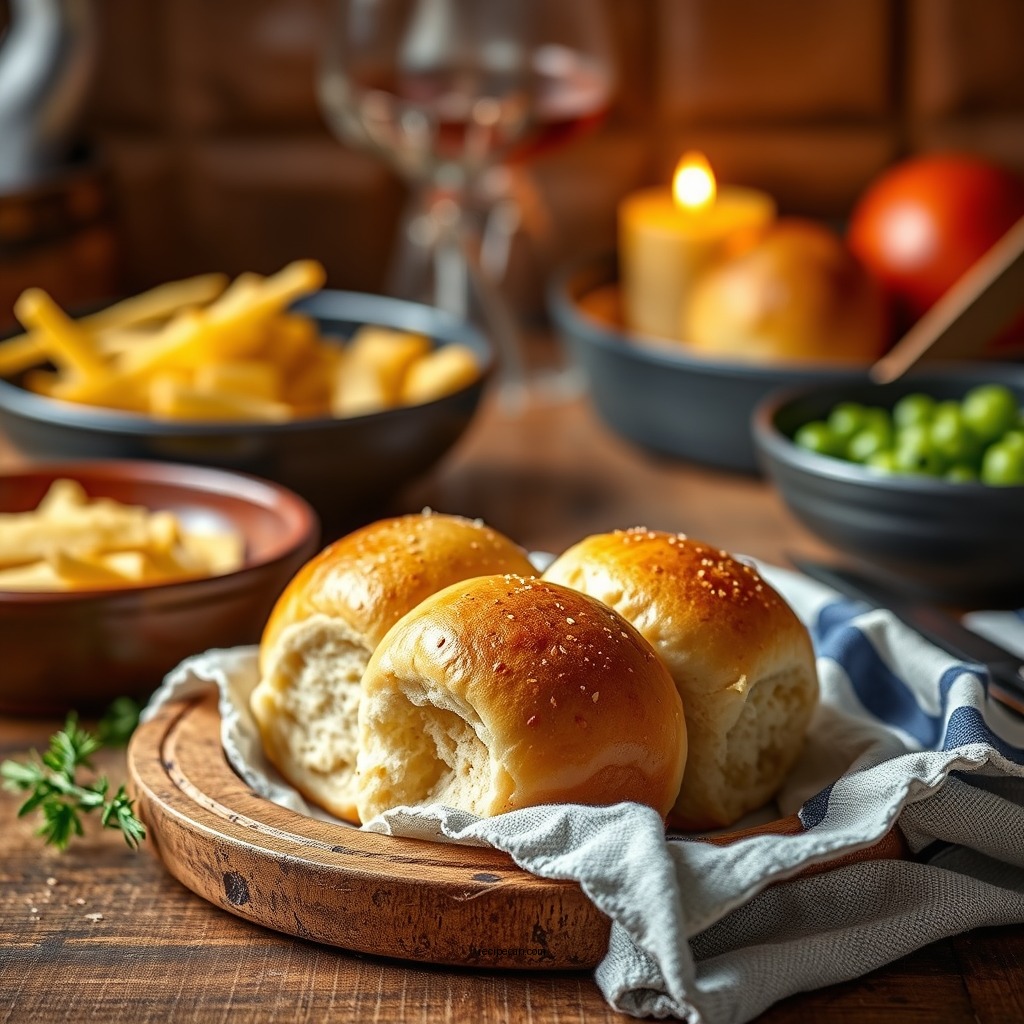
The best dinner rolls recipe combines simplicity with flavor, ensuring soft, fluffy rolls that will impress your guests. These delightful rolls are versatile enough to complement any meal, whether it’s a casual family dinner or a festive holiday gathering. In this article, you’ll learn how to create perfect dinner rolls that are ideal for any occasion, along with tips for variations and serving suggestions that will elevate your dining experience.
Essential Ingredients for Perfect Dinner Rolls
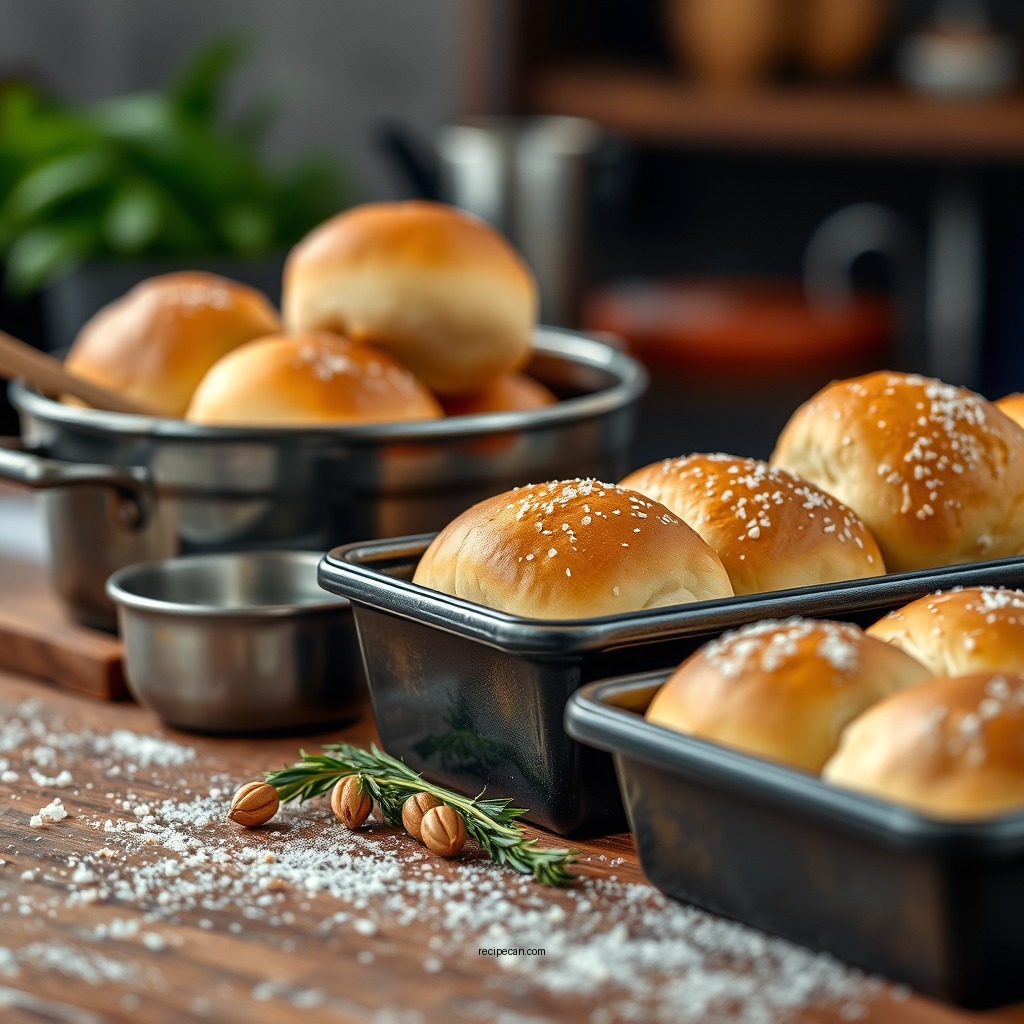
To achieve the ideal dinner roll, it is essential to use high-quality ingredients that work harmoniously together. Here are the key components that contribute to the soft, fluffy texture and rich flavor of your rolls:
– Flour: All-purpose flour is the best choice for dinner rolls. It provides the right balance of protein content, which helps to create a light and airy texture. For an even softer roll, consider using bread flour, which has a higher protein content and can improve the structure of the dough.
– Yeast: Active dry yeast is recommended for a reliable rise in your rolls. It’s crucial to ensure that your yeast is fresh, as expired yeast can result in dense, flat rolls. Always activate your yeast in warm water or milk to ensure it is working correctly before mixing it with the other ingredients.
– Butter and Milk: These ingredients add richness and moisture to your rolls, contributing to their soft texture. Unsalted butter is preferable, as it allows you to control the saltiness of the dough. Whole milk enhances flavor and tenderness, but you can also use alternatives like almond milk or oat milk for a dairy-free version.
Step-by-Step Instructions to Make Dinner Rolls
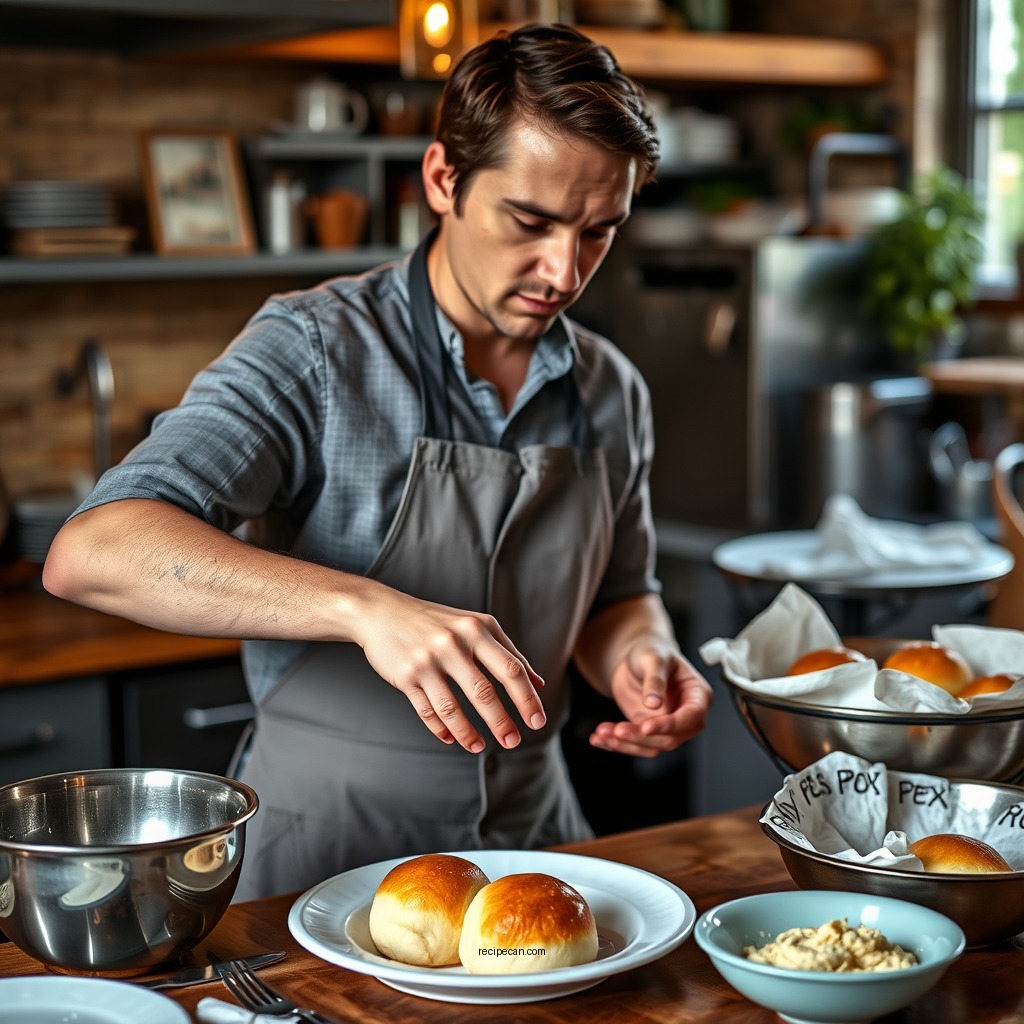
Making dinner rolls from scratch is a straightforward process. Follow these step-by-step instructions to create perfect rolls every time:
– Mixing: Start by combining your dry ingredients—flour, yeast, sugar, and salt—in a large mixing bowl. This ensures even distribution of the yeast and salt, which is critical for proper fermentation. Once mixed, create a well in the center and add your wet ingredients, including melted butter and warm milk.
– Kneading: After the ingredients are combined, knead the dough on a floured surface for about 8-10 minutes until it becomes smooth and elastic. This step is crucial as it develops the gluten structure that gives the rolls their airy texture. If you have a stand mixer, you can use the dough hook attachment for convenience.
– Rising: Place the kneaded dough in a greased bowl, cover it with a damp cloth, and allow it to rise in a warm environment until it doubles in size—typically about 1-2 hours. If your kitchen is cool, preheating your oven to a low temperature (around 100°F or 37°C) for a few minutes and then turning it off can create an ideal rising environment.
Ingredient Ratios for Dinner Rolls
| # | Ingredient | Quantity per 1 Dozen Rolls | Purpose |
|---|---|---|---|
| 1 | All-Purpose Flour | 4 cups | Structure |
| 2 | Active Dry Yeast | 2 ¼ tsp | Leavening |
| 3 | Sugar | ¼ cup | Flavor & Yeast Activation |
| 4 | Salt | 1 tsp | Flavor |
| 5 | Butter | ¼ cup (melted) | Richness |
| 6 | Milk | 1 cup (warm) | Moisture |
Tips for Achieving Fluffy Rolls
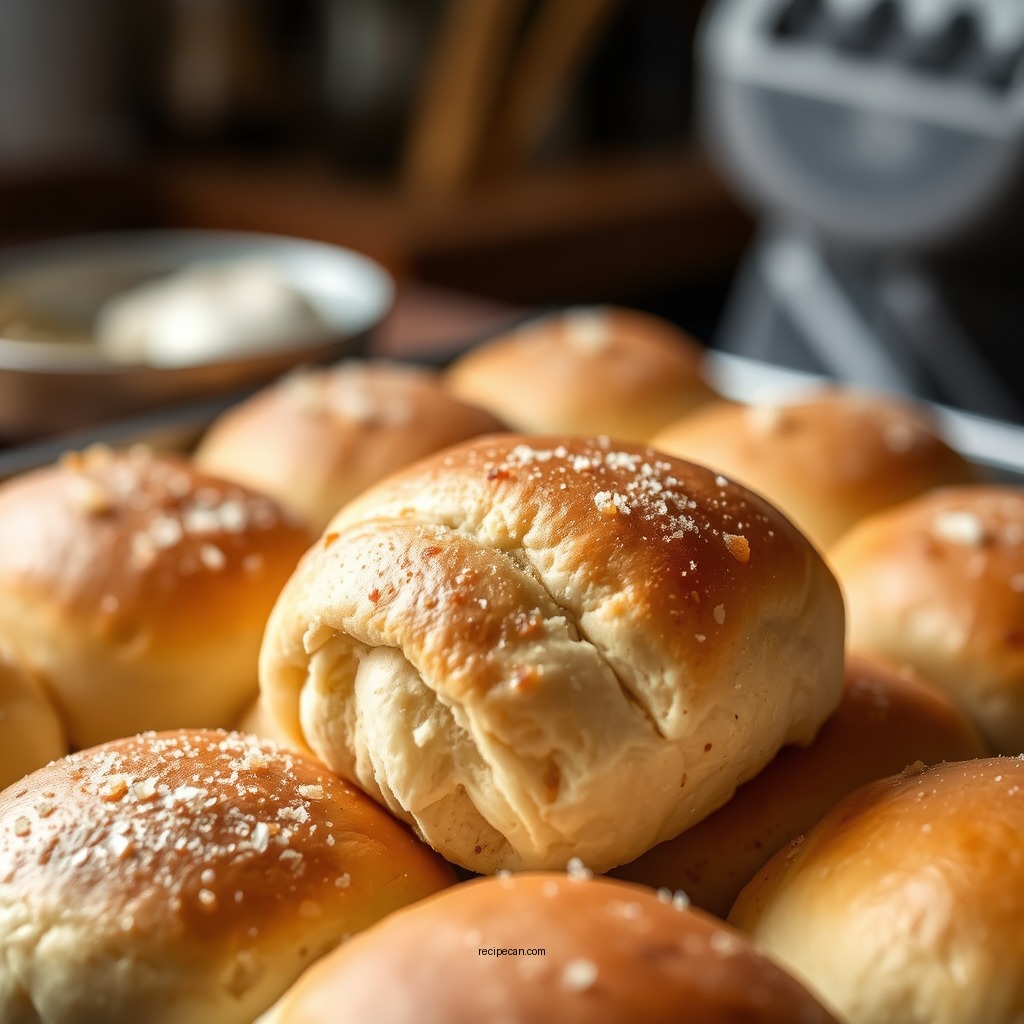
Achieving the perfect fluffiness in your dinner rolls involves several key techniques. Here are some tips that will help you succeed:
– Temperature: The temperature of your liquids is crucial for yeast activation. Aim for a temperature between 100°F to 110°F (37°C to 43°C). If the liquid is too hot, it can kill the yeast; too cold, and the yeast will not activate properly.
– Proofing: Proofing is the process of allowing the dough to rise after kneading. Ensure that you allow enough time for proper proofing, typically doubling in size. A warm, draft-free area is ideal. Consider placing the dough in an oven with the light on or near a warm stovetop.
Rising Time Comparison for Dinner Rolls
Flavor Variations to Try
While classic dinner rolls are delightful on their own, you can easily enhance their flavor with a few variations:
– Herb-Infused: Incorporate dried herbs such as rosemary, thyme, or oregano into your dough for a savory twist. Adding garlic powder can also elevate the taste, making these rolls perfect for pairing with soups and stews.
– Sweet Rolls: For a delightful dessert option, consider adding sugar and cinnamon to the dough. You can also fill the rolls with a mixture of brown sugar, cinnamon, and butter before rolling and shaping them for a sweet treat that pairs beautifully with coffee or tea.
Serving Suggestions for Dinner Rolls
Dinner rolls are incredibly versatile and can complement a wide array of dishes. Here are some serving suggestions to enhance your dining experience:
– Pair with Butter: Serve warm rolls with a spread of butter, optionally flavored with herbs or garlic. This classic accompaniment is always a hit and elevates the overall meal.
– Accompany with Dishes: These rolls are perfect alongside soups, salads, or roasted meats. Their fluffy texture makes them ideal for soaking up sauces, gravies, or broths, enhancing the overall flavors of your meal.
Common Mistakes to Avoid
Even seasoned bakers can encounter challenges when making dinner rolls. Here are some common pitfalls to avoid:
– Over-kneading: Kneading is essential for developing gluten, but over-kneading can lead to dense rolls. Stop kneading when the dough is smooth and elastic, typically after 8-10 minutes.
– Under-proofing: Rushing the proofing process can result in flat rolls that lack the desired fluffiness. Ensure the dough has ample time to rise, allowing it to double in size for the best results.
The best dinner rolls recipe not only enhances your meal but also adds a touch of warmth to your dining experience. With the right ingredients, techniques, and a bit of creativity, you can create rolls that will become a family favorite. Try your hand at this recipe today and enjoy the delicious results!
Frequently Asked Questions
What are the essential ingredients for the best dinner rolls recipe?
The essential ingredients for the best dinner rolls recipe include all-purpose flour, active dry yeast, warm milk, sugar, salt, butter, and eggs. These ingredients work together to create a soft, fluffy texture and rich flavor that is perfect for any meal. Using high-quality ingredients can significantly enhance the taste of your rolls.
How do I achieve soft and fluffy dinner rolls?
To achieve soft and fluffy dinner rolls, it’s crucial to knead the dough properly and allow it to rise in a warm environment. After mixing the ingredients, knead the dough for about 8-10 minutes until it becomes smooth and elastic. Let it rise until it doubles in size, which helps develop the gluten structure, resulting in light and airy rolls.
Why do my dinner rolls turn out dense instead of light?
Dense dinner rolls can result from several factors, including using expired yeast, not allowing enough time for the dough to rise, or using too much flour. Make sure your yeast is fresh and active, measure your flour accurately, and give the dough sufficient time to rise. Additionally, avoid over-kneading, as it can lead to a tough texture.
What is the best way to store homemade dinner rolls?
The best way to store homemade dinner rolls is to let them cool completely, then place them in an airtight container or a resealable plastic bag. They can be kept at room temperature for up to three days or in the refrigerator for up to a week. For longer storage, freeze them in a freezer-safe bag and reheat in the oven for a freshly baked taste.
Which types of dinner rolls are best for holiday meals?
The best types of dinner rolls for holiday meals include classic soft yeast rolls, buttery Parker House rolls, and sweet Hawaiian rolls. These varieties complement rich holiday dishes and provide a delightful contrast in flavor and texture. Additionally, consider adding herbs or cheese to your rolls for a festive twist.
References
- https://en.wikipedia.org/wiki/Roll_(bread
https://en.wikipedia.org/wiki/Roll_(bread - https://www.sciencedirect.com/topics/food-science/bread-roll
https://www.sciencedirect.com/topics/food-science/bread-roll - NYT Cooking – Recipes and Cooking Guides From The New York Times
https://www.nytimes.com/recipes/1019889/dinner-rolls - Google Scholar Google Scholar
https://scholar.google.com/scholar?q=best+dinner+rolls+recipe - Google Scholar Google Scholar
https://scholar.google.com/scholar?q=dinner+rolls+recipe+reviews - https://www.cookinglight.com/recipes/dinner-rolls
https://www.cookinglight.com/recipes/dinner-rolls - https://www.foodnetwork.com/recipes/articles/50-dinner-rolls
https://www.foodnetwork.com/recipes/articles/50-dinner-rolls - Google Scholar Google Scholar
https://scholar.google.com/scholar?q=yeast+bread+dinner+rolls+recipe - best dinner rolls recipe – Search results
https://en.wikipedia.org/wiki/Special:Search?search=best+dinner+rolls+recipe - https://www.ncbi.nlm.nih.gov/search/research-articles/?term=best+dinner+rolls+recipe
https://www.ncbi.nlm.nih.gov/search/research-articles/?term=best+dinner+rolls+recipe