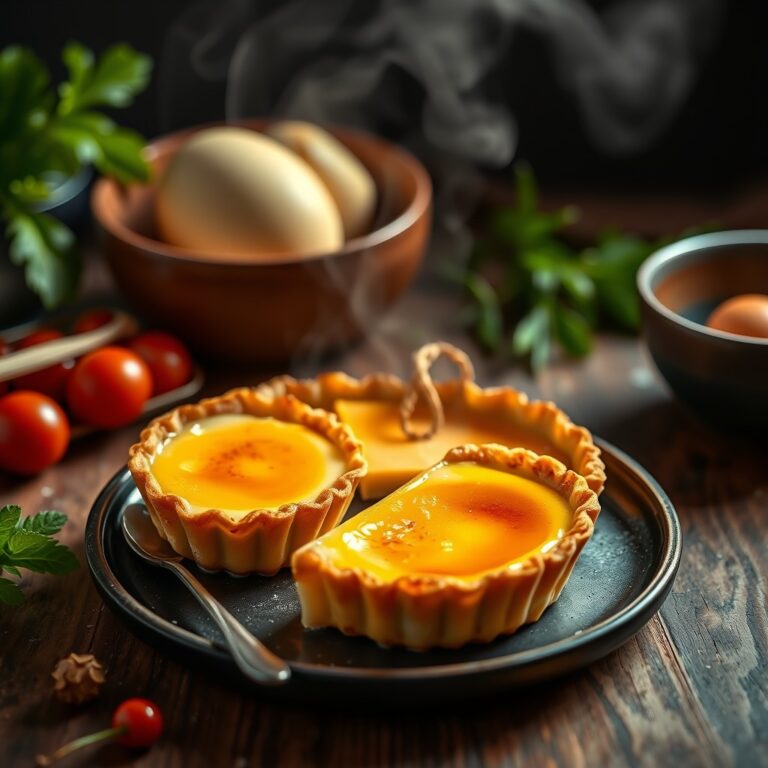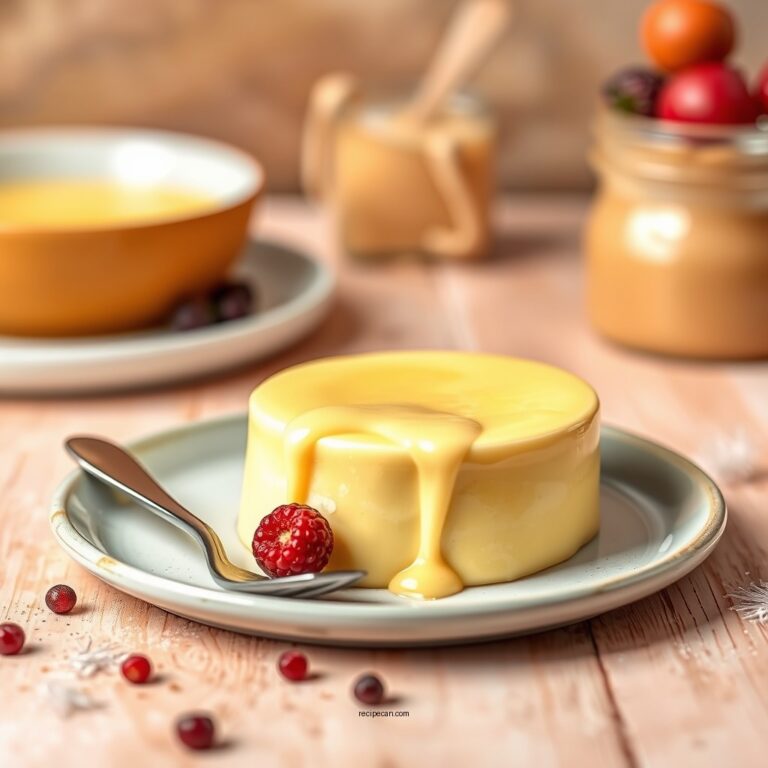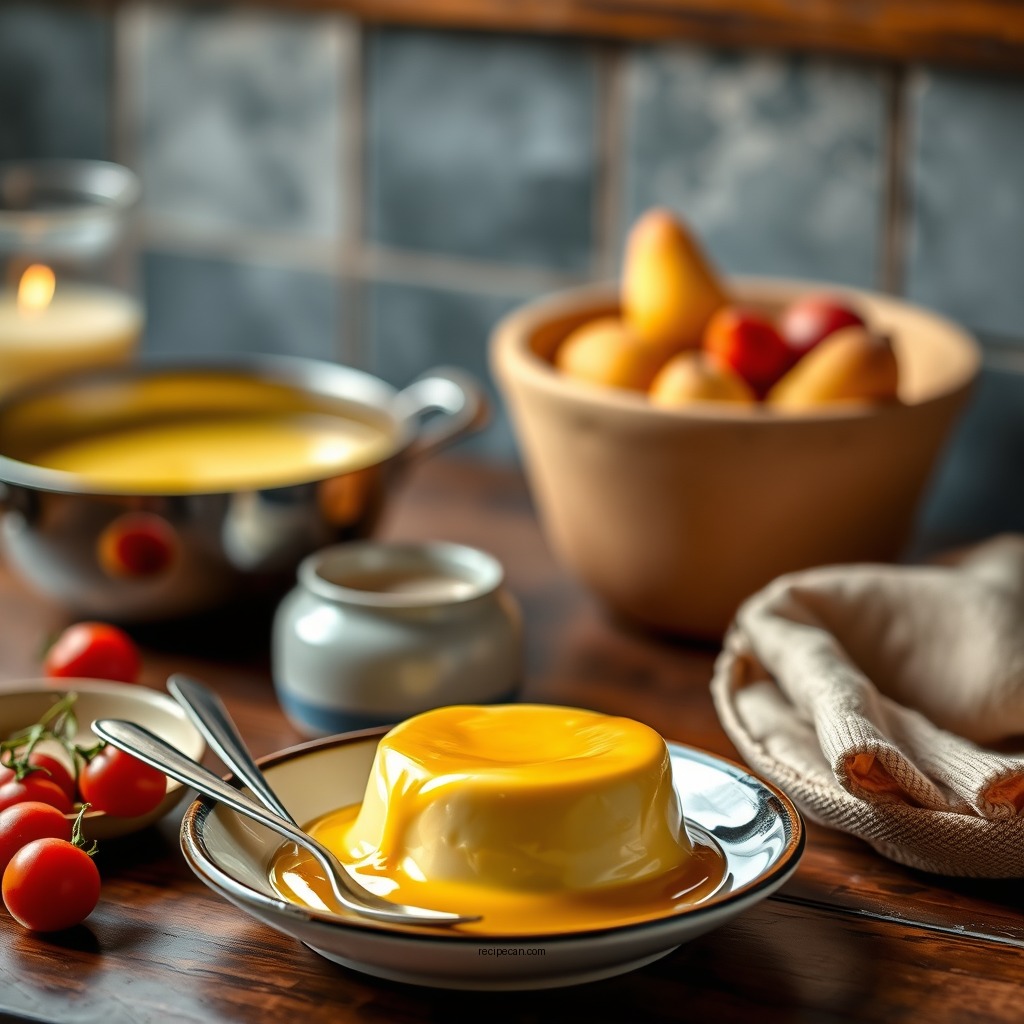
Creating the best custard is both an art and a science, and with the right recipe, you can achieve a rich, creamy delight that can stand alone or complement a variety of desserts. This guide will provide you with a foolproof method to make custard that is consistently smooth and flavorful, ensuring that you impress your friends and family with your culinary skills. Whether you’re serving it warm or chilled, this custard will elevate your dessert game.
Understanding Custard Basics
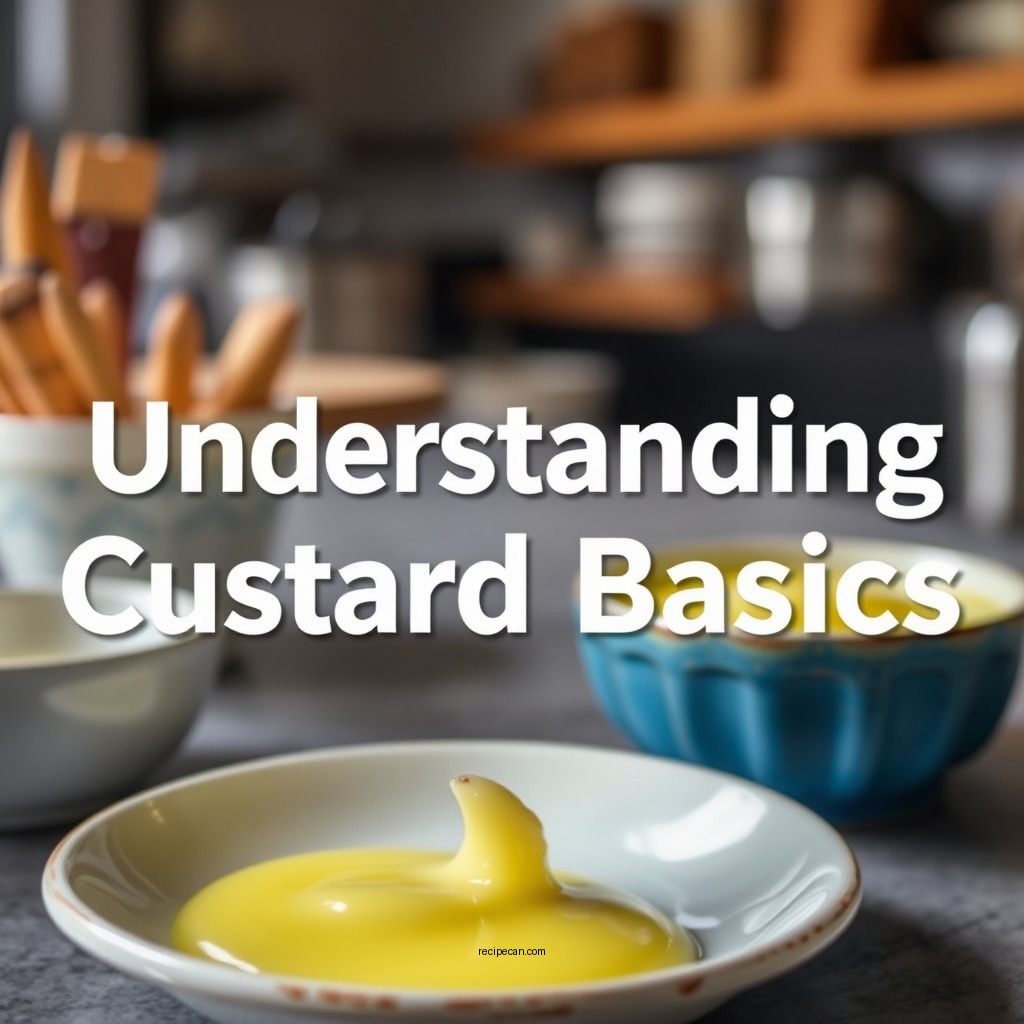
Custard is a classic dessert component that primarily consists of eggs, milk, and sugar. When combined and gently cooked, these ingredients yield a smooth and creamy texture that is both comforting and versatile. The fundamental characteristic of custard is its ability to thicken through the coagulation of egg proteins when exposed to heat.
There are two main types of custards: stirred custards and baked custards. Stirred custards, such as crème anglaise, are cooked on the stovetop and continuously stirred until thickened. Baked custards, including flan and bread pudding, are poured into a dish and baked, creating a firmer texture. Each type has its unique applications in the world of desserts, making custard a staple in many kitchens.
Essential Ingredients for Custard
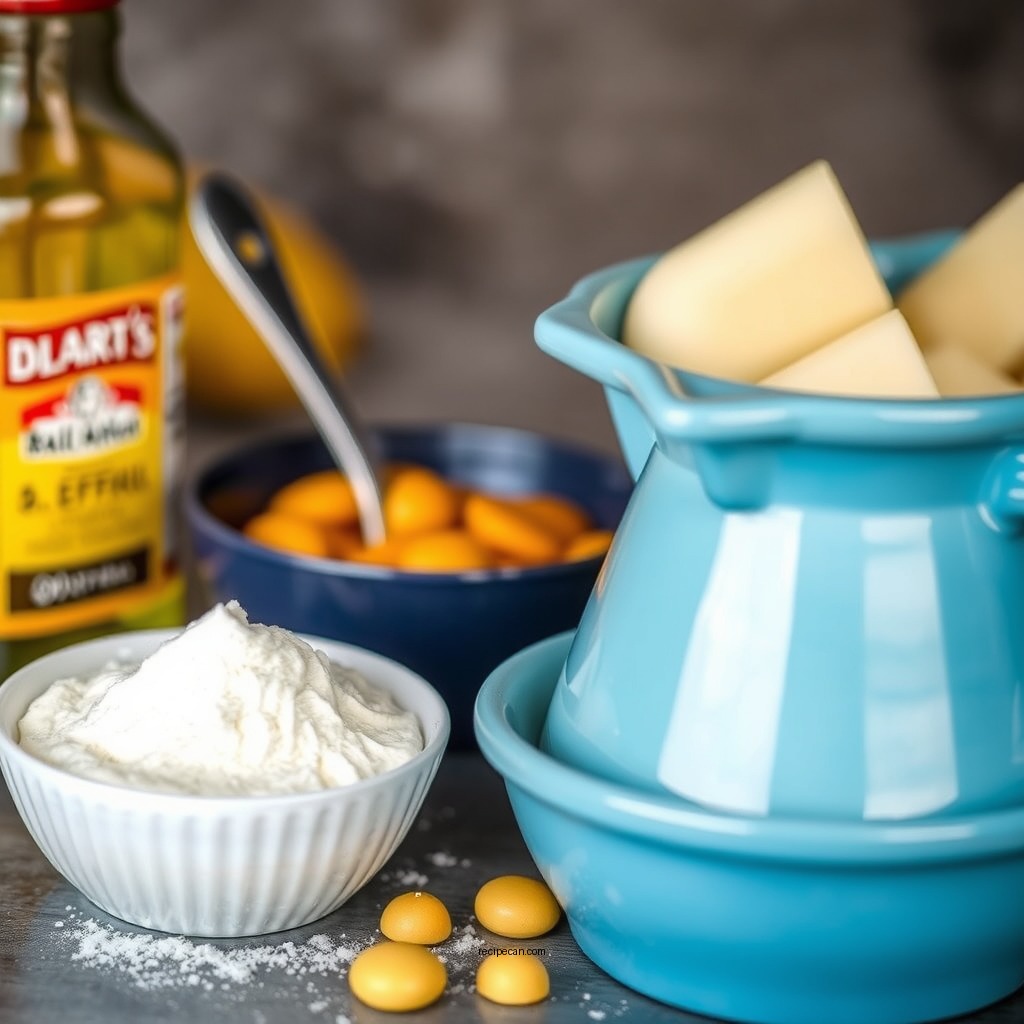
The simplicity of custard lies in its few essential ingredients, each playing a critical role in the final product:
– Fresh eggs: The backbone of custards, eggs provide richness and structure. Opt for large, high-quality eggs for the best flavor and texture. Fresh eggs not only enhance the custard’s taste but also improve its color and consistency.
– Whole milk or cream: The choice of dairy greatly affects the creaminess of the custard. Whole milk will produce a lighter custard, while using heavy cream results in a richer, more decadent treat. For a balanced flavor, consider using a combination of both.
– Sugar: Granulated sugar is the most common sweetener used, but you can also experiment with brown sugar or alternative sweeteners for a unique taste.
– Flavorings: While vanilla extract is a classic addition, other flavors such as almond extract, citrus zest, or chocolate can elevate the custard to new heights.
Step-by-Step Custard Preparation
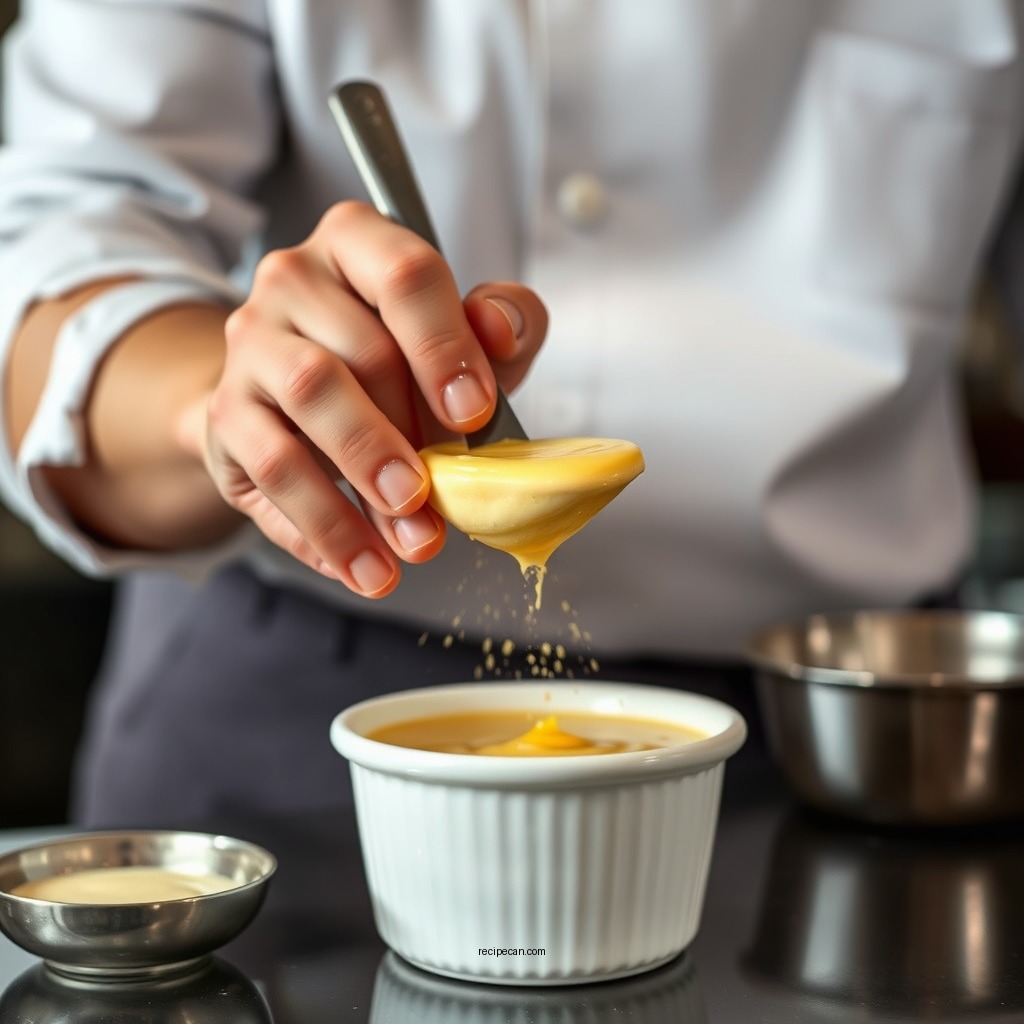
To create a luscious custard, follow these detailed steps:
1. Combine ingredients: Begin by whisking together the eggs and sugar in a bowl until the mixture is pale and slightly thickened. This step ensures the sugar dissolves properly and incorporates air into the mixture, contributing to a light texture. Gradually add in the milk or cream, whisking continuously to create a uniform blend.
2. Heat gently: Transfer the mixture to a saucepan and cook over low heat. It is crucial to stir constantly with a wooden spoon or spatula to prevent the eggs from curdling. The custard should be heated slowly to allow the flavors to meld and the texture to develop without scrambling.
3. Monitor the temperature: Use a thermometer to keep track of the custard’s temperature. Aim for about 170°F; at this point, the custard should coat the back of the spoon. If you do not have a thermometer, a good technique is to dip a spoon into the custard; it should leave a distinct trail when you run your finger through it.
Tips for Perfect Custard Consistency
Achieving the perfect custard consistency can be tricky, but with these tips, you can ensure success:
– Use a thermometer: As mentioned earlier, cooking the custard to the right temperature (170°F) helps to thicken without scrambling the eggs. A digital thermometer can provide accurate readings.
– Strain the mixture: Before pouring the custard into serving dishes or a baking dish, strain it through a fine sieve. This step removes any coagulated egg bits and ensures a silky-smooth texture.
– Avoid overheating: If the custard begins to bubble, it’s a sign that it is cooking too quickly. Remove it from the heat immediately to prevent curdling.
Serving and Storing Your Custard
Once your custard is ready, it’s essential to serve it correctly to maximize its flavor and texture:
– Chill before serving: Allow the custard to cool to room temperature, then refrigerate it for a few hours. Chilling enhances the flavors and allows the custard to thicken further, making it more enjoyable to eat.
– Versatile uses: Custard can be served plain in bowls, drizzled with caramel or chocolate sauce, or paired with fresh fruits such as berries or bananas. It also makes an excellent filling for pastries, tarts, and trifles, allowing for creative dessert presentations.
Common Mistakes to Avoid
To ensure your custard turns out perfectly every time, be mindful of these common pitfalls:
– Cooking too quickly: Always use low heat to prevent eggs from scrambling. If you’re in a hurry, resist the temptation to increase the heat; patience is key when preparing custard.
– Overheating: Monitor the temperature carefully and remove the saucepan from heat once it reaches 170°F. Overheating can lead to a grainy texture and undesirable flavor.
Variations on the Classic Custard
Once you have mastered the basic custard recipe, consider trying these variations to add flair:
– Flavoring options: Infuse your custard with different flavors by adding vanilla beans, cocoa powder, or citrus zest during the cooking process. Each variation offers a unique twist on the classic recipe.
– Incorporate spices: A pinch of nutmeg or cinnamon can introduce warmth and complexity to the flavor profile. These spices pair beautifully with the creaminess of custard, enhancing its richness.
Top 7 Custard Variations and Their Flavor Profiles
| # | Flavor Variation | Main Ingredient | Serving Suggestions | Popularity Rating |
|---|---|---|---|---|
| 1 | Vanilla Custard | Vanilla Beans | With Berries | ★★★★☆ |
| 2 | Chocolate Custard | Cocoa Powder | In Tarts | ★★★★★ |
| 3 | Lemon Custard | Lemon Zest | With Shortbread | ★★★★☆ |
| 4 | Almond Custard | Almond Extract | In Parfaits | ★★★☆☆ |
| 5 | Coconut Custard | Coconut Milk | With Pineapple | ★★★★☆ |
| 6 | Maple Custard | Maple Syrup | With Pancakes | ★★★☆☆ |
| 7 | Spiced Custard | Cinnamon & Nutmeg | With Cakes | ★★★★☆ |
Custard Variations Popularity in 2024
Your homemade custard can be a showstopper for any dessert table. By following this guide, you’ll achieve a creamy, delicious custard every time. Don’t hesitate to try out different flavors and serve it in various ways. Gather your ingredients and get started on your best custard recipe today! The versatility and rich flavor of custard will undoubtedly make it a favorite in your household.
Frequently Asked Questions
What are the essential ingredients for the best custard recipe?
The best custard recipe typically requires simple yet high-quality ingredients: eggs, milk or cream, sugar, and vanilla extract. The combination of egg yolks and whole milk or cream creates a rich and creamy texture, while the sugar adds sweetness and the vanilla enhances the overall flavor.
How do you avoid curdling when making custard?
To avoid curdling when making custard, it’s crucial to temper the eggs by gradually adding hot milk to them while whisking continuously. This process gently raises the temperature of the eggs without cooking them too quickly. Additionally, cooking the custard over low heat and stirring constantly will help achieve a smooth consistency.
Why is my custard too runny, and how can I fix it?
If your custard is too runny, it may not have been cooked long enough or at a high enough temperature. To fix it, you can return the custard to the heat and cook it further until it thickens, ensuring to stir constantly to prevent burning. Alternatively, you can add a cornstarch slurry to help thicken the mixture.
What is the best method for cooling custard after cooking?
The best method for cooling custard after cooking is to place the saucepan in a larger bowl filled with ice water, stirring gently to help it cool evenly. This technique prevents the custard from continuing to cook in the residual heat of the pan, which can lead to a grainy texture. Once cooled, transfer it to the refrigerator to chill completely.
Which custard recipe is best for a pie filling?
For a pie filling, a classic vanilla custard recipe is best due to its rich flavor and creamy texture. This type of custard can be thickened further by using cornstarch or flour, making it stable for a pie. You can enhance the flavor by adding spices like nutmeg or citrus zest to complement the pie’s overall taste.
References
- Custard
https://en.wikipedia.org/wiki/Custard - https://www.bbc.co.uk/food/recipes/custard_72038
https://www.bbc.co.uk/food/recipes/custard_72038 - https://www.seriouseats.com/how-to-make-custard-5118783
https://www.seriouseats.com/how-to-make-custard-5118783 - https://www.foodnetwork.com/recipes/articles/how-to-make-custard
https://www.foodnetwork.com/recipes/articles/how-to-make-custard - Google Scholar Google Scholar
https://scholar.google.com/scholar?q=best+custard+recipe - Google Scholar Google Scholar
https://scholar.google.com/scholar?q=custard+recipes+history - Google Scholar Google Scholar
https://scholar.google.com/scholar?q=custard+recipe+techniques - https://www.nytimes.com/2021/05/14/dining/custard-recipe.html
https://www.nytimes.com/2021/05/14/dining/custard-recipe.html - https://www.theguardian.com/food/2020/jul/08/how-to-make-perfect-custard
https://www.theguardian.com/food/2020/jul/08/how-to-make-perfect-custard - best custard recipe – Search results
https://en.wikipedia.org/wiki/Special:Search?search=best+custard+recipe