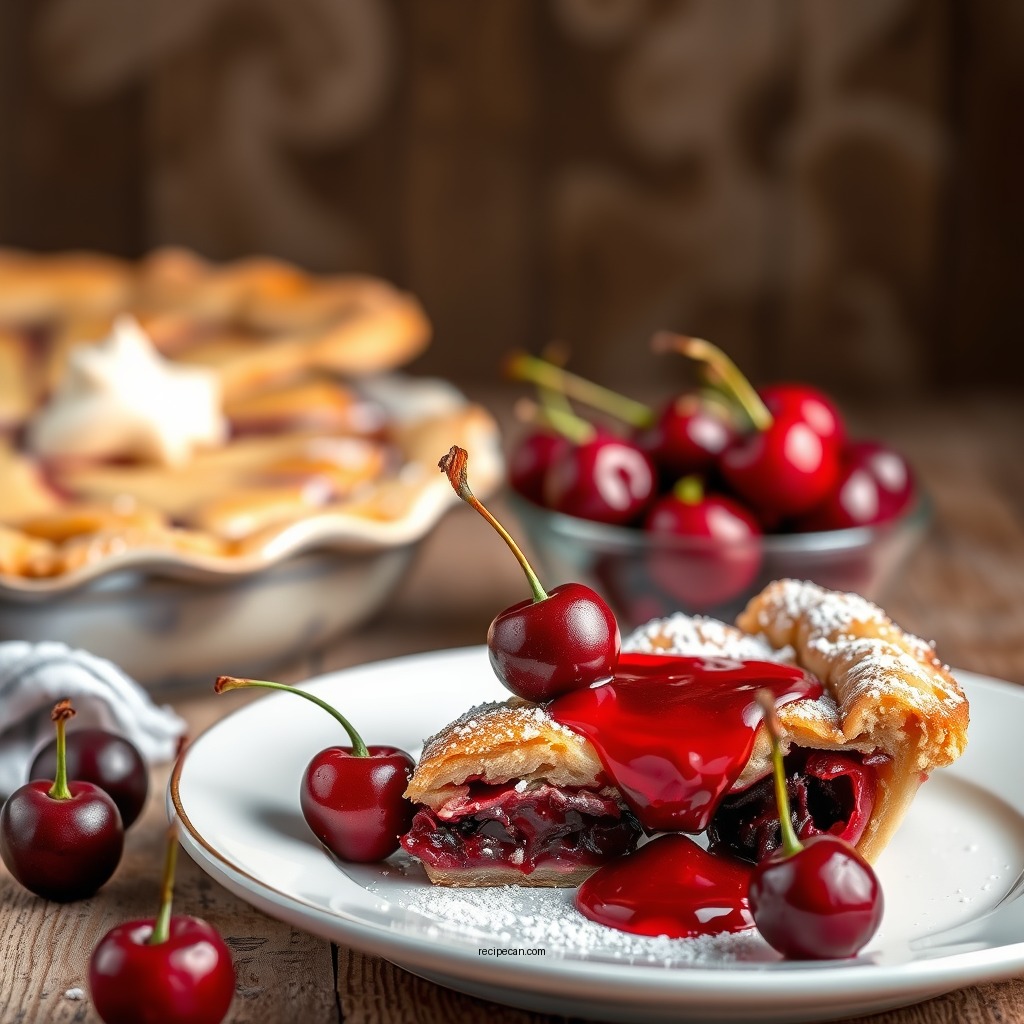
When it comes to making the best cherry pie, the secret lies in using fresh, ripe cherries and a perfectly flaky crust. This recipe will guide you through a straightforward yet effective process, ensuring a mouthwatering cherry pie that impresses at any gathering. With the right ingredients and techniques, you can create a delightful dessert that will have your friends and family asking for seconds.
Choosing the Right Cherries
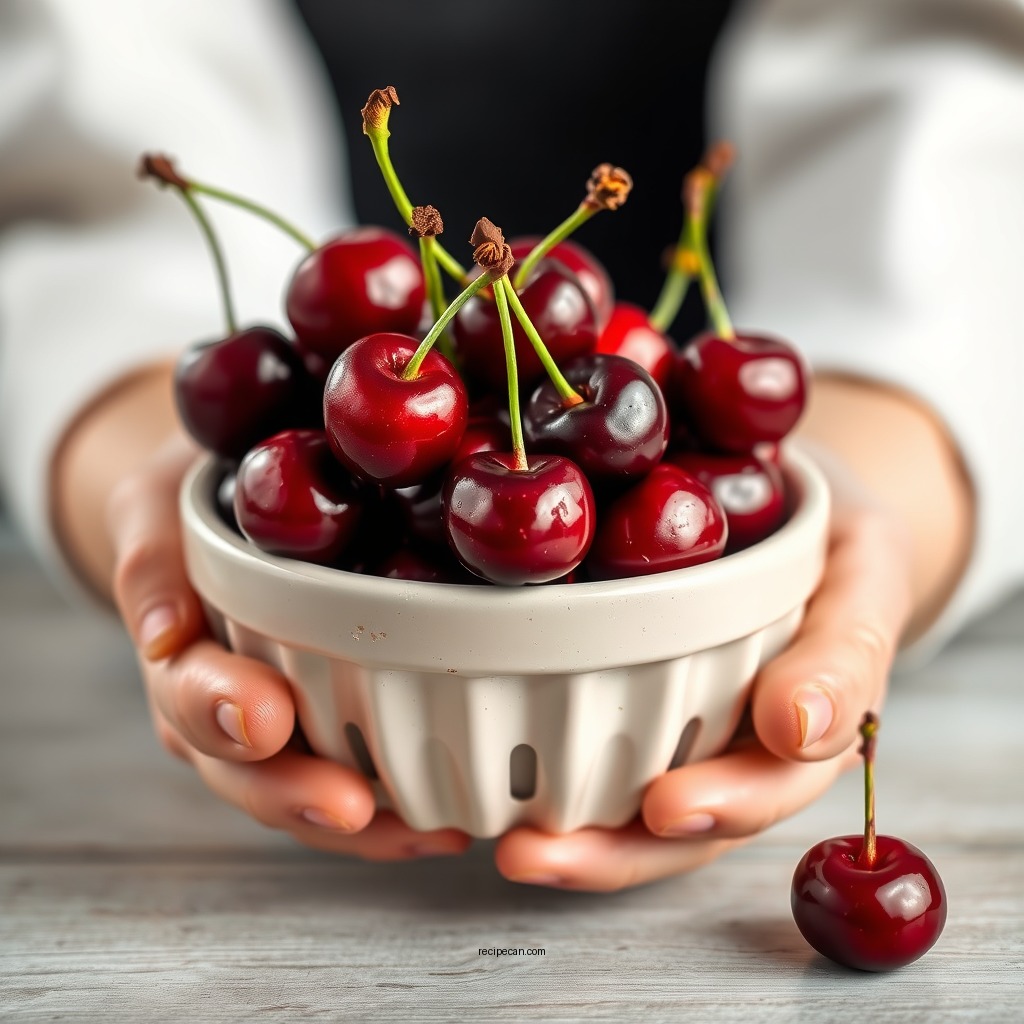
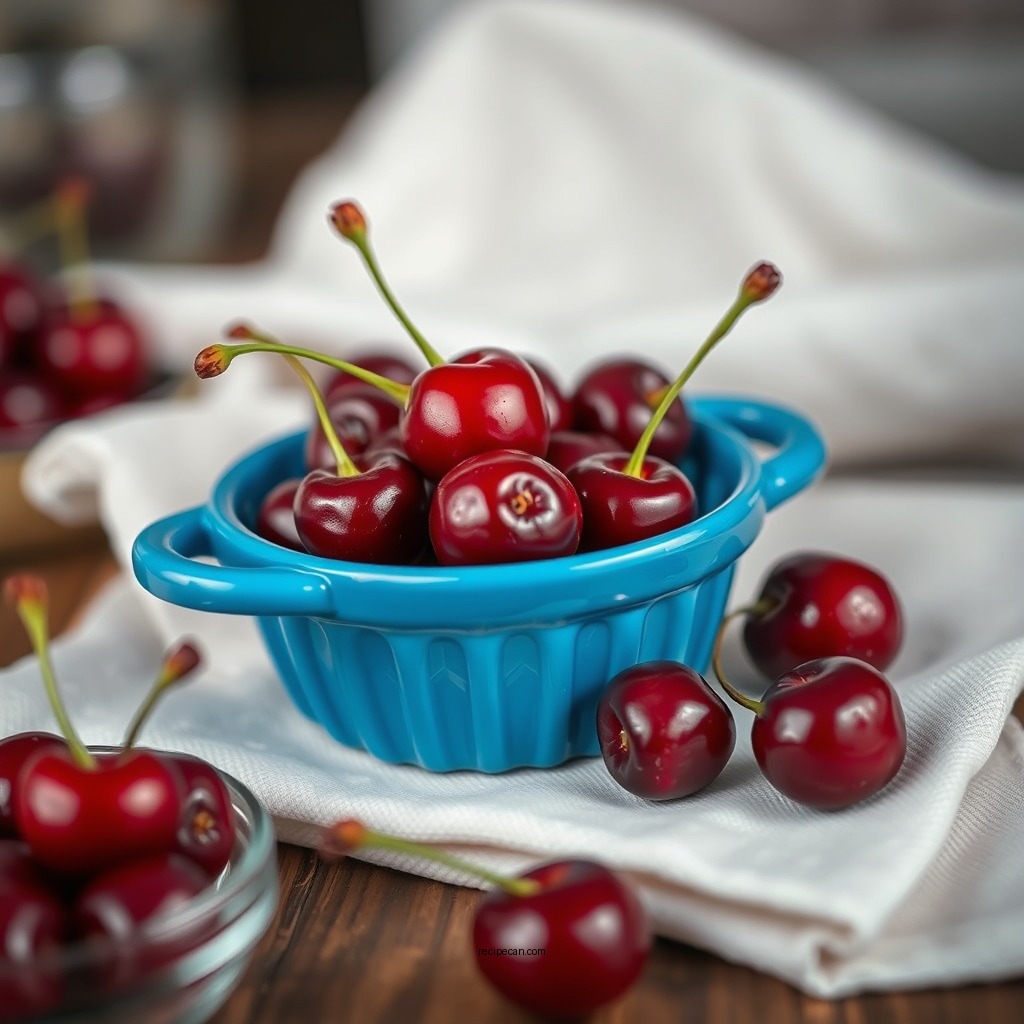
Selecting the right cherries is crucial for achieving a pie that bursts with flavor. Opt for fresh, tart cherries, such as Montmorency or Bing, as they provide the perfect balance of sweetness and acidity. Tart cherries are particularly great because their natural tartness complements the sweetness of the pie’s filling, resulting in a more complex flavor profile.
For those looking to experiment with flavor, consider using a mix of sweet and sour cherries. This combination adds depth and richness to the filling, creating a more nuanced taste that can elevate your pie from ordinary to extraordinary. When choosing cherries, make sure they are firm, plump, and have a vibrant color, indicating their freshness.
Essential Ingredients for Cherry Pie
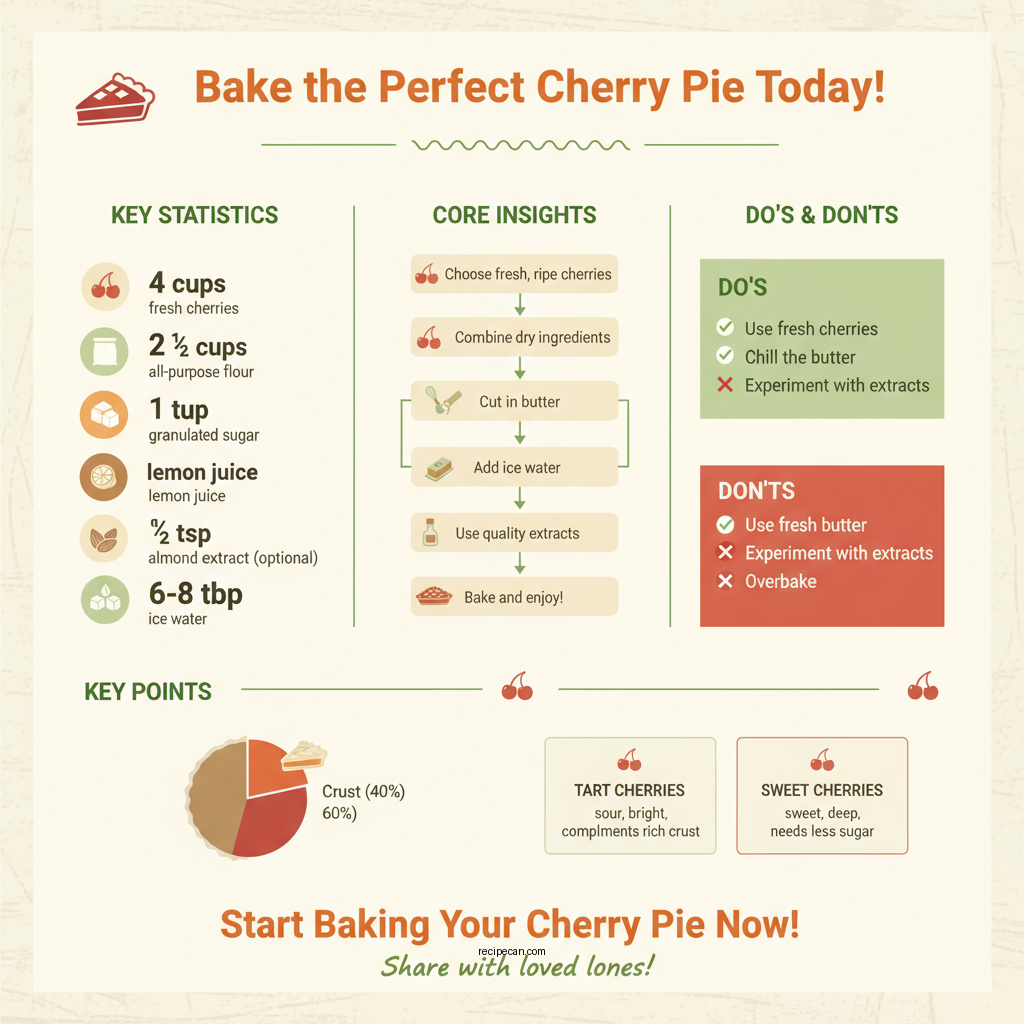
To make a standout cherry pie, you need quality ingredients, including:
– For the Pie Crust:
– 2 ½ cups all-purpose flour
– 1 teaspoon salt
– 1 tablespoon sugar
– 1 cup unsalted butter, chilled and cubed
– 6-8 tablespoons ice water
– For the Cherry Filling:
– 4 cups fresh cherries, pitted and halved
– 1 cup granulated sugar
– ¼ cup cornstarch
– 1 tablespoon lemon juice
– 1 teaspoon vanilla extract
– ½ teaspoon almond extract (optional)
– For Topping:
– 1 egg, beaten (for egg wash)
– Sugar for sprinkling on top
The importance of quality ingredients cannot be overstated. Fresh cherries will offer the best flavor, while high-quality butter will help you achieve a flaky and tender crust. Using pure extracts, such as vanilla and almond, will enhance the flavor of the filling, making your pie taste homemade and heartfelt.
Step-by-Step Cherry Pie Preparation
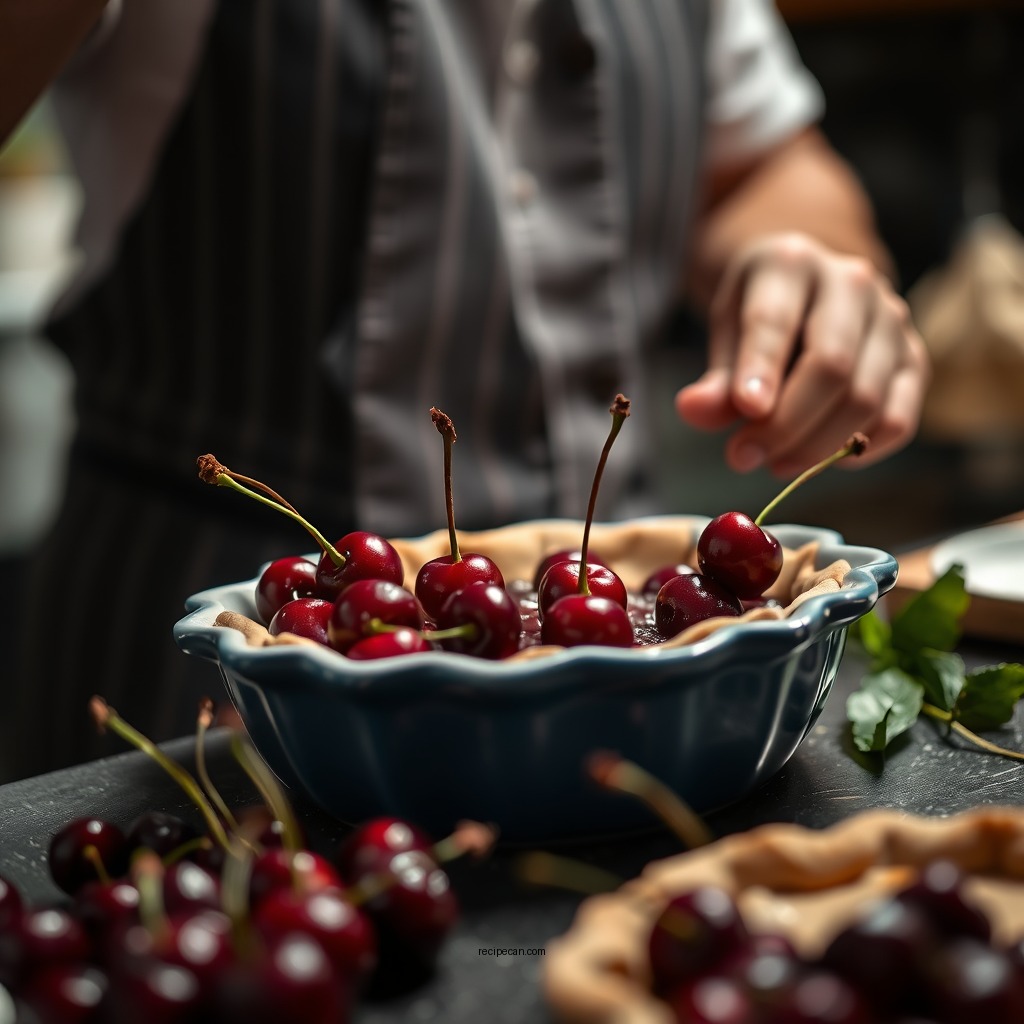
Making the Pie Crust from Scratch
1. Combine Dry Ingredients: In a large mixing bowl, whisk together the flour, salt, and sugar.
2. Cut in Butter: Add the cubed butter to the dry ingredients. Using a pastry cutter or your fingers, mix until the mixture resembles coarse crumbs.
3. Add Ice Water: Gradually add the ice water, one tablespoon at a time, mixing until the dough comes together. Do not overmix.
4. Chill the Dough: Divide the dough in half, shape into discs, wrap in plastic wrap, and refrigerate for at least one hour.
Preparing the Cherry Filling
1. Combine Ingredients: In a large bowl, mix the pitted cherries, granulated sugar, cornstarch, lemon juice, and extracts. Allow the mixture to sit for 10-15 minutes so the sugars can dissolve and juices can be released.
2. Preheat Oven: Preheat your oven to 425°F (220°C).
3. Roll Out the Dough: On a floured surface, roll out one disc of dough into a circle that fits your pie dish. Transfer it to the pie dish and trim the edges.
4. Fill the Pie: Pour the cherry filling into the prepared crust, spreading it evenly.
Baking Tips for Perfect Cherry Pie
Baking a cherry pie requires careful attention to temperature and timing. Here are some tips for ensuring your pie turns out perfectly:
– Temperature: Bake your pie at 425°F (220°C) for the first 20 to 25 minutes. This high temperature helps the crust to become golden brown.
– Lower the Heat: After the initial bake, reduce the temperature to 350°F (175°C) and continue baking for an additional 25 to 30 minutes, or until the filling is bubbling and the crust is golden.
– Check for Doneness: The pie is perfectly baked when the juices are visibly bubbling through the vents of the crust, and the crust has a nice golden color.
Serving Suggestions
Once your cherry pie has cooled, it’s time to serve. Here are some delightful ways to elevate your presentation:
– Garnish: A dollop of freshly whipped cream or a scoop of vanilla ice cream on top of each slice adds a creamy texture that balances the tartness of the cherries.
– Warm It Up: Serve your pie slightly warm for a comforting experience. You can even warm individual slices in the microwave for a few seconds before serving.
– Storage: To store leftover pie, cover it with plastic wrap or aluminum foil and keep it in the refrigerator for up to four days. You can also freeze slices for later enjoyment—just wrap them tightly and store them in an airtight container.
Common Mistakes to Avoid
While making cherry pie is straightforward, there are common pitfalls to watch out for:
– Soggy Bottom Crust: Ensure your pie crust is fully baked before adding the filling. Blind bake the crust for 10 minutes before adding the cherry mixture to avoid a soggy bottom.
– Runny Filling: If your filling is too runny, consider adding more cornstarch or letting the filling sit longer to allow the juices to thicken.
– Overbaking or Underbaking: Keep an eye on your pie during baking to prevent it from burning or remaining undercooked.
Variations on the Classic Cherry Pie
Innovating beyond the classic recipe can lead to exciting new flavors:
– Flavor Additions: Incorporate almond extract in the filling for a unique twist, or mix in a small amount of cinnamon or nutmeg for added warmth.
– Alternative Crusts: Try using a crumb crust made from crushed graham crackers or oats for a different texture.
– Fruit Combinations: Mix cherries with other fruits, such as blueberries or raspberries, to create a berry medley pie that offers a delightful burst of flavors.
By summarizing the steps to create the best cherry pie, it’s clear that with the right ingredients and techniques, a delightful dessert is within reach. Don’t hesitate to try this recipe for your next gathering or special occasion—your friends and family will surely love it!
Frequently Asked Questions
What are the key ingredients for the best cherry pie recipe?
The best cherry pie recipe typically includes fresh or frozen cherries, sugar, cornstarch, lemon juice, and a buttery pie crust. Using high-quality cherries, whether sweet or tart, is essential for achieving a rich flavor. Additionally, a pinch of almond extract can enhance the overall taste, giving your pie a delightful depth.
How can I ensure my cherry pie crust is flaky and tender?
To achieve a flaky and tender cherry pie crust, use cold butter and ice water when making your dough. Avoid overworking the dough to prevent gluten development, which can lead to a tough crust. Chilling the dough before rolling it out also helps maintain its flakiness during baking.
Why do I need to use cornstarch in my cherry pie filling?
Cornstarch is crucial in cherry pie filling as it acts as a thickening agent, preventing the filling from being too runny. It helps to absorb the natural juices released by the cherries during baking, resulting in a perfectly cohesive filling that holds its shape when sliced. Using the right amount ensures a luscious texture without compromising the fruit’s flavor.
What is the best way to pit cherries for a pie?
The best way to pit cherries for your pie is to use a cherry pitter, which removes the pit quickly and efficiently while keeping the fruit intact. If you don’t have a pitter, you can use a small knife to cut around the cherry and twist to remove the pit. Make sure to wash the cherries thoroughly before pitting to remove any dirt or residue.
Which type of cherries are best for making cherry pie?
Tart cherries, such as Montmorency or Morello, are considered the best for making cherry pie due to their bright flavor and balanced sweetness. While sweet cherries can also be used, they often require additional sugar to achieve the desired tartness. Combining both types can create a more complex flavor profile in your cherry pie.
References
- Cherry pie
https://en.wikipedia.org/wiki/Cherry_pie - Homemade cherry pie recipe | Good Food
https://www.bbcgoodfood.com/recipes/cherry-pie - NYT Cooking – Recipes and Cooking Guides From The New York Times
https://www.nytimes.com/recipes/1019819/cherry-pie - https://www.cherryblossomfestival.org/cherry-pie-history
https://www.cherryblossomfestival.org/cherry-pie-history - Google Scholar Google Scholar
https://scholar.google.com/scholar?q=best+cherry+pie+recipe - Google Scholar Google Scholar
https://scholar.google.com/scholar?q=cherry+pie+ingredients - https://www.sciencedirect.com/topics/food-science/cherry-pie
https://www.sciencedirect.com/topics/food-science/cherry-pie - https://www.britannica.com/topic/cherry-pie
https://www.britannica.com/topic/cherry-pie - https://www.ncbi.nlm.nih.gov/pmc/articles/PMC7077176/
https://www.ncbi.nlm.nih.gov/pmc/articles/PMC7077176/ - best cherry pie recipe – Search results
https://en.wikipedia.org/wiki/Special:Search?search=best+cherry+pie+recipe
