Discover how to make a delicious Thai chili sauce that perfectly balances heat and flavor. This versatile sauce can elevate your dishes, whether you’re using it for dipping, marinades, or cooking. In this article, you’ll learn about the ingredients, preparation steps, and variations to customize your sauce to your taste.
Essential Ingredients for Thai Chili Sauce
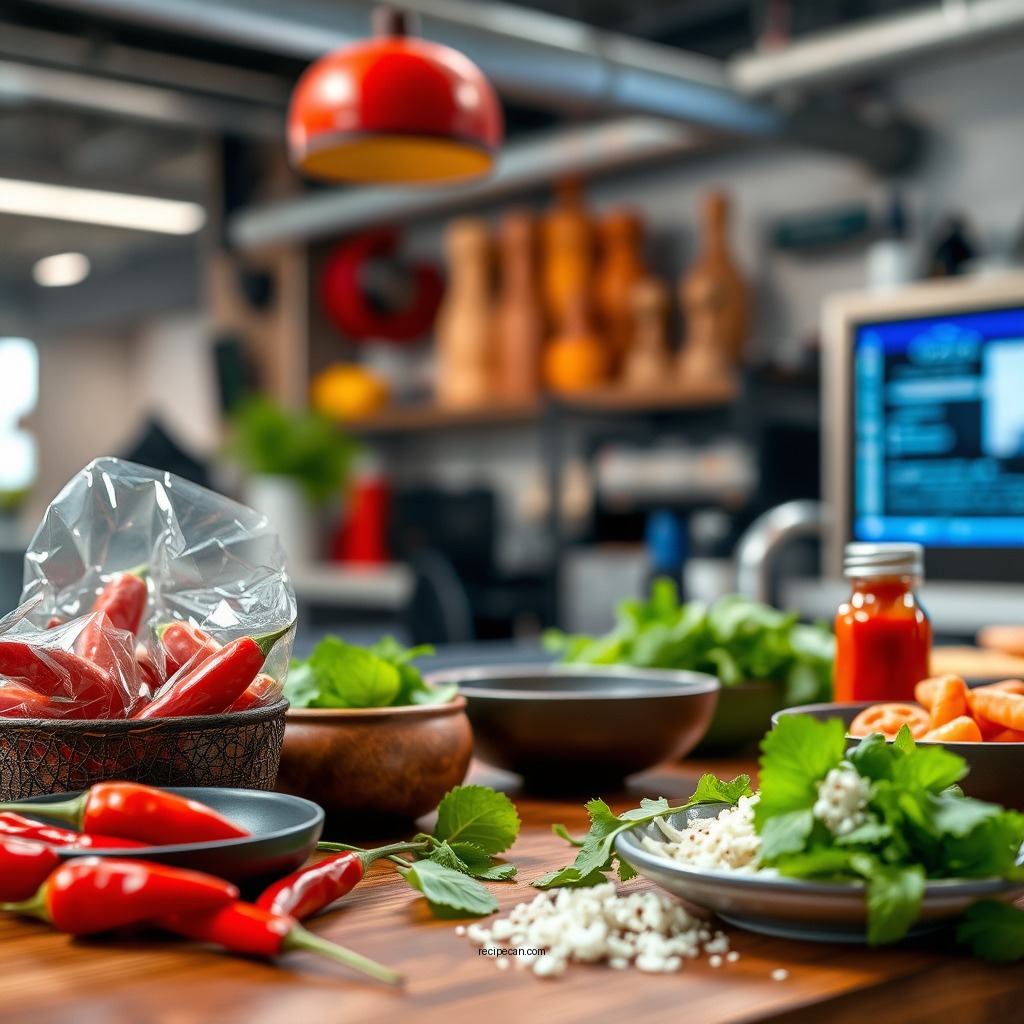
To create a truly authentic Thai chili sauce, you need a combination of fresh, high-quality ingredients. Each one plays a vital role in developing the sauce’s unique flavor profile.
– Fresh Thai chilies: The heart of the sauce, fresh Thai chilies provide the distinctive heat that characterizes this sauce. Varieties such as bird’s eye chilies are commonly used for their sharpness and intensity.
– Garlic and shallots: These ingredients are not just for flavor; they also add aromatic depth to the sauce. Garlic introduces a pungent, savory note, while shallots contribute a subtle sweetness and mild onion flavor.
– Sugar: Balancing the heat from the chilies, sugar adds a touch of sweetness that rounds out the sauce. You can use white sugar, brown sugar, or palm sugar, each imparting a slightly different taste.
– Vinegar: While not mentioned above, vinegar is an essential ingredient that adds acidity, enhancing the overall flavor of the sauce. Rice vinegar or distilled vinegar is typically used.
These ingredients work together to create a sauce that is not only spicy but also rich and complex, making it a staple in Thai cuisine.
Step-by-Step Preparation

Making your own Thai chili sauce is straightforward and can be accomplished in just a few steps.
1. Prepare the ingredients: Begin by finely chopping the garlic and shallots. Remove the stems from the fresh Thai chilies and adjust the quantity based on your heat preference. If you prefer a milder sauce, you can deseed the chilies.
2. Blend the mixture: In a blender, combine the chopped garlic, shallots, fresh chilies, sugar, and vinegar. Blend until you achieve a smooth consistency. If you prefer a chunkier sauce, you can pulse the mixture a few times instead of blending it completely.
3. Cook the sauce: Transfer the blended mixture to a saucepan over medium heat. Simmer for about 5-10 minutes, stirring occasionally. This step is crucial as it helps meld the flavors together and enhances the overall taste. Once the sauce has thickened slightly, remove it from the heat and let it cool.
This simple preparation method allows for flexibility, making it easy to adjust the ingredients to suit your preferences.
Variations to Try
One of the best aspects of making your own Thai chili sauce is the ability to customize it. Here are a few variations you might enjoy:
– Sweet chili sauce: For a sweeter version, increase the quantity of sugar and add a bit more vinegar. This variation is perfect for those who enjoy a milder, sweeter sauce that pairs beautifully with fried foods.
– Spicy garlic sauce: If you’re a garlic lover, consider increasing the garlic content. This variation will give your sauce a robust flavor, making it an excellent accompaniment for grilled meats or vegetables.
– Coconut-infused sauce: For a creamy twist, incorporate coconut milk into your sauce. This adds richness and a hint of sweetness that complements the heat of the chilies beautifully.
Each of these variations allows you to experiment and find the perfect balance that suits your palate.
Popular Thai Chili Sauce Variations
| # | Variation | Main Ingredients | Flavor Profile |
|---|---|---|---|
| 1 | Sweet Chili Sauce | Sugar, Vinegar, Chili | Sweet and Mild |
| 2 | Spicy Garlic Sauce | Garlic, Chili, Sugar | Spicy and Pungent |
| 3 | Coconut-Infused Sauce | Coconut Milk, Chili, Sugar | Creamy and Sweet |
| 4 | Herb-Infused Sauce | Cilantro, Chili, Sugar | Fresh and Aromatic |
| 5 | Tamarind Sauce | Tamarind, Chili, Sugar | Tangy and Spicy |
| 6 | Peanut Sauce | Peanut Butter, Chili, Sugar | Nutty and Spicy |
Tips for Customizing Your Sauce
Creating the perfect Thai chili sauce means personalizing it to match your taste. Here are some tips for customization:
– Adjust the heat level: If you prefer a milder sauce, reduce the number of chilies or substitute with a less spicy variety, such as jalapeño. Conversely, if you crave more heat, add extra chilies or include chili flakes.
– Experiment with herbs: Fresh herbs like cilantro or basil can add an aromatic twist to your sauce. Simply chop them finely and mix them in after cooking for a burst of flavor.
– Incorporate citrus: A splash of lime or lemon juice can brighten the sauce’s flavor profile, adding a refreshing acidity that complements the heat. Adjust the amount according to your taste preferences.
By taking these suggestions into account, you can ensure your Thai chili sauce is tailored perfectly to your liking.
Serving Suggestions
Thai chili sauce is incredibly versatile and can enhance a variety of dishes. Here are some serving suggestions:
– As a dipping sauce: This sauce is perfect for fresh spring rolls, dumplings, or grilled meats. Its spicy kick pairs well with the freshness of the vegetables and the richness of meat.
– As a marinade: Use the sauce to marinate chicken, pork, or tofu. The flavors penetrate the protein, creating a deliciously spicy and flavorful dish once cooked.
– In stir-fries: Add the sauce to vegetable or meat stir-fries for an instant flavor lift. The heat from the sauce will elevate the dish, making it more exciting and delicious.
These serving suggestions highlight the sauce’s versatility, making it an essential addition to any culinary repertoire.
Usage of Thai Chili Sauce in Different Cuisines
Storing Your Thai Chili Sauce
Proper storage of your homemade Thai chili sauce will ensure its freshness and flavor longevity.
– Refrigeration: Store your sauce in an airtight container in the fridge for up to two weeks. Make sure to let it cool completely before sealing to avoid condensation, which can lead to spoilage.
– Freezing: For longer storage, pour the sauce into ice cube trays and freeze. Once frozen, transfer the cubes to a zip-top bag. This method allows you to use the sauce in portion sizes, making it convenient for future meals.
By following these storage tips, you can enjoy your homemade Thai chili sauce for weeks or even months, enhancing your dishes whenever the craving strikes.
Your homemade Thai chili sauce is now ready to impress! This simple recipe allows for creativity and personalization, ensuring you can enjoy a taste of Thailand in your own kitchen. With the ability to adjust the flavors and heat to your liking, try making it today and elevate your meals with a burst of flavor!
Frequently Asked Questions
What are the essential ingredients for a Thai chili recipe sauce?
A traditional Thai chili sauce typically includes fresh red or green chilies, garlic, fish sauce, lime juice, and sugar. You can also add ingredients like tamarind paste or palm sugar for a more complex flavor. Using fresh and high-quality ingredients ensures that your sauce has the authentic taste of Thai cuisine.
How do I make a homemade Thai chili sauce from scratch?
To make a homemade Thai chili sauce, start by blending together fresh chilies, garlic, and a pinch of salt in a food processor. Then, mix in fish sauce, lime juice, and sugar to taste until you achieve the desired balance of heat and sweetness. For a smoother sauce, strain the mixture through a fine sieve before serving.
Why is my Thai chili sauce too salty, and how can I fix it?
If your Thai chili sauce is too salty, it may be due to the amount of fish sauce used. To balance the saltiness, you can add more lime juice or sugar to enhance the flavor profile. Additionally, incorporating more fresh chilies can help dilute the saltiness while maintaining the sauce’s heat.
What is the best way to store homemade Thai chili sauce?
The best way to store homemade Thai chili sauce is in an airtight container in the refrigerator, where it can last for up to two weeks. For longer storage, consider freezing the sauce in ice cube trays, allowing you to use it as needed without losing flavor. Always label your containers with the date for easy reference.
Which types of chilies are best for making Thai chili sauce?
The best types of chilies for making Thai chili sauce are Thai bird’s eye chilies for their heat and flavor, or the milder serrano chilies if you prefer less spice. You can also experiment with different varieties like jalapeños for a unique twist. The choice of chili will affect the overall heat level, so choose according to your taste preference.
References
- Thai cuisine
https://en.wikipedia.org/wiki/Thai_cuisine - https://www.thespruceeats.com/thai-chili-sauce-recipes-39323
https://www.thespruceeats.com/thai-chili-sauce-recipes-39323 - Google Scholar Google Scholar
https://scholar.google.com/scholar?q=thai+chili+sauce+recipe - Google Scholar Google Scholar
https://scholar.google.com/scholar?q=Thai+cuisine+chili+sauce - https://www.ncbi.nlm.nih.gov/pmc/articles/PMC6463233/
https://www.ncbi.nlm.nih.gov/pmc/articles/PMC6463233/ - https://www.verywellfit.com/thai-chili-sauce-nutrition-facts-4115167
https://www.verywellfit.com/thai-chili-sauce-nutrition-facts-4115167 - https://www.qsrmagazine.com/menu-innovations/thai-chili-sauce-what-know
https://www.qsrmagazine.com/menu-innovations/thai-chili-sauce-what-know - https://www.sciencedirect.com/topics/food-science/thai-chili-sauce
https://www.sciencedirect.com/topics/food-science/thai-chili-sauce - https://www.nytimes.com/2021/02/21/dining/thai-chili-sauce.html
https://www.nytimes.com/2021/02/21/dining/thai-chili-sauce.html - Google Scholar Google Scholar
https://scholar.google.com/scholar?q=thai+chili+recipe+sauce