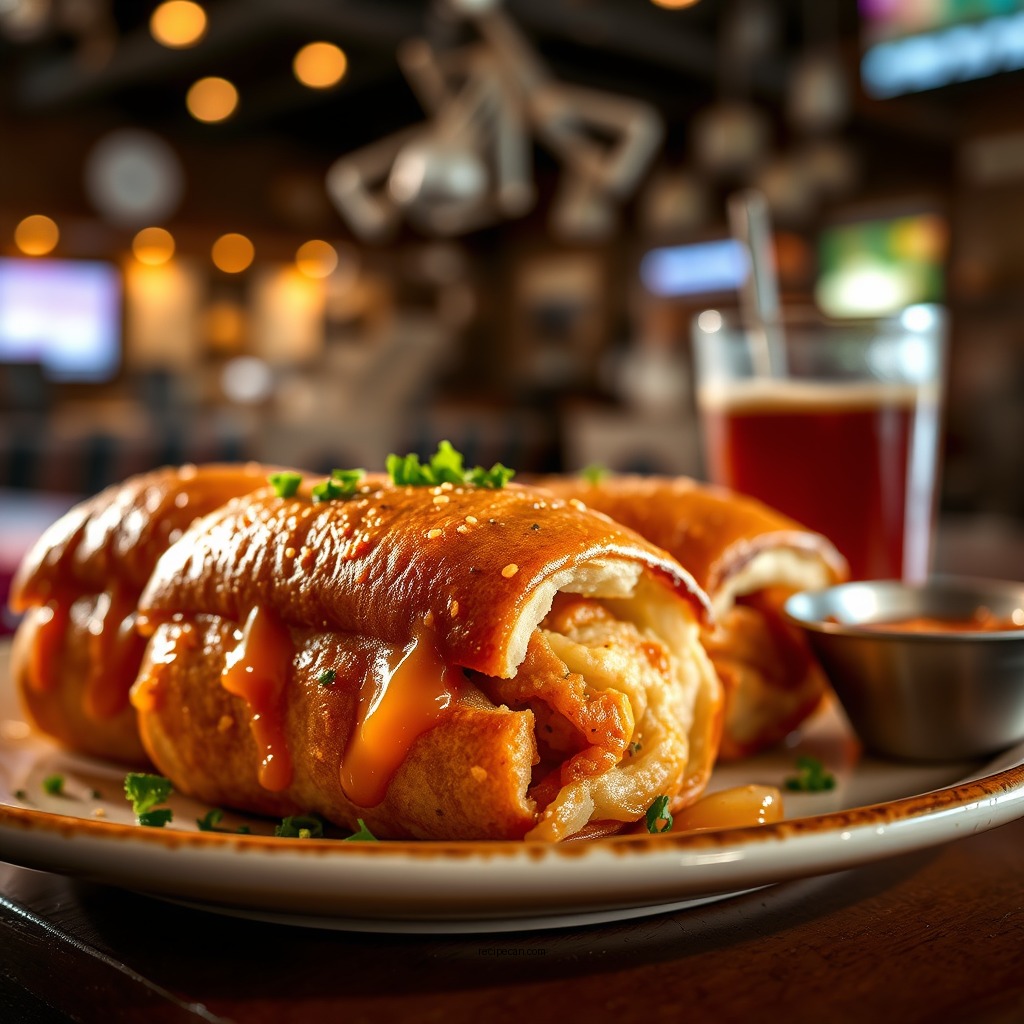
Making Texas Roadhouse rolls at home is easier than you think! This recipe will guide you through creating those soft, buttery rolls you love, complete with the signature cinnamon butter. Follow these steps to enjoy a taste of Texas right in your kitchen.
Ingredients You’ll Need

To replicate the delightful experience of Texas Roadhouse rolls, you’ll need a combination of basic pantry staples and a few essential flavor enhancers. The following ingredients will help you achieve the perfect texture and taste:
– Basic pantry staples: Flour, sugar, yeast, milk, and eggs are fundamental for creating the dough. Each plays a critical role in building the structure and flavor of the rolls.
– Essential flavor enhancers: Butter and salt are crucial for adding richness and depth to the rolls. The butter ensures a soft texture and a delectable flavor, while salt balances the sweetness.
– The secret ingredient for the buttery flavor: Additional melted butter for brushing is key. This not only adds flavor but also gives the rolls their iconic glossy finish.
Step-by-Step Preparation

Creating Texas Roadhouse rolls is a straightforward process, and breaking it down into steps can help ensure success:
1. Start by activating your yeast: Warm the milk until it’s about 110°F (43°C), then dissolve the sugar in it. Once the sugar is dissolved, sprinkle the yeast over the surface and let it sit for about 5-10 minutes until it becomes frothy. This indicates that your yeast is active and ready to work.
2. Combine ingredients: In a large mixing bowl, combine the activated yeast mixture with the remaining ingredients: flour, salt, and eggs. Mix until a dough begins to form. If you have a stand mixer, this is an excellent time to use it with a dough hook attachment.
3. Allow the dough to rise: Transfer the dough to a lightly greased bowl, cover it with a clean kitchen towel or plastic wrap, and place it in a warm area. Let it rise until it doubles in size, which usually takes about 1-2 hours, depending on the temperature of your kitchen.
Shaping the Rolls
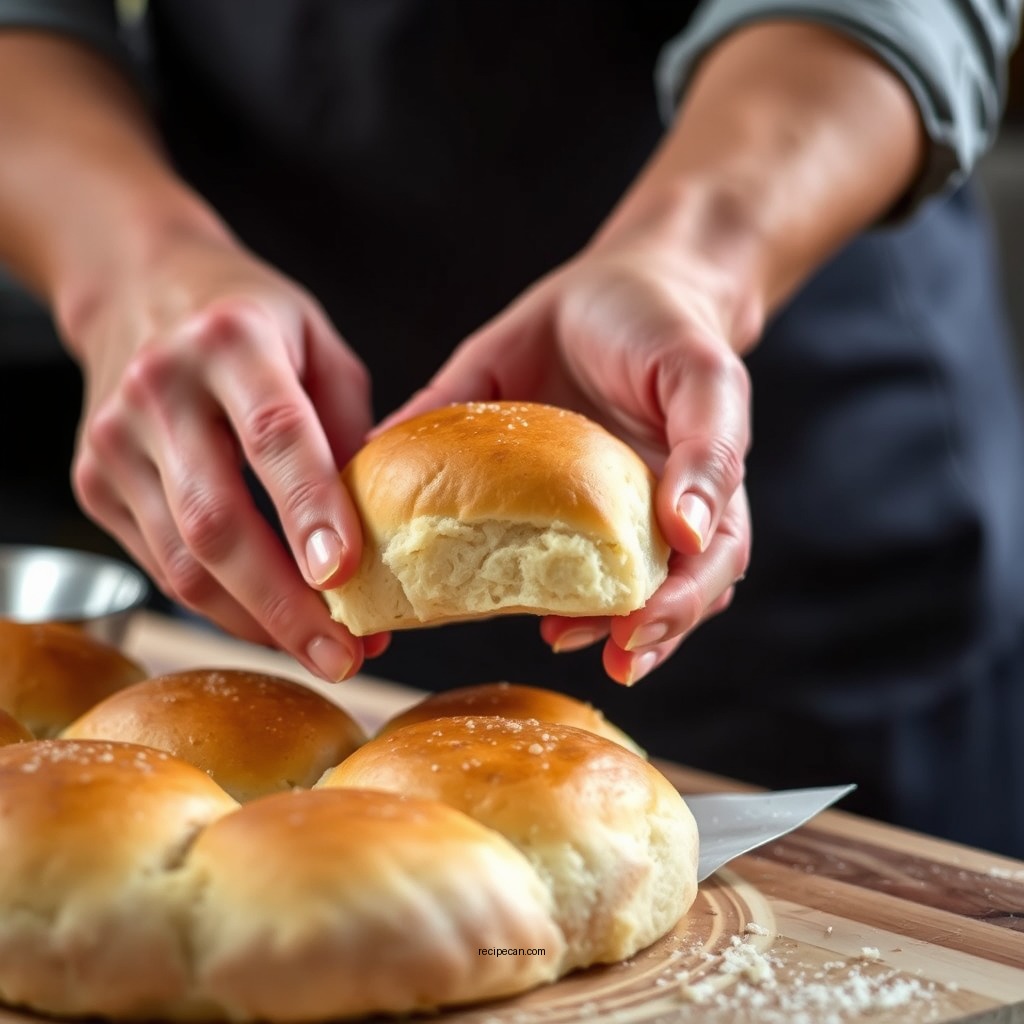
Shaping the dough is where the magic happens, leading to beautiful, uniform rolls:
1. Punch down the dough: Once the dough has risen, gently punch it down to deflate it. This step redistributes the yeast and helps improve the texture of the rolls.
2. Divide the dough: Use a bench scraper or knife to cut the dough into equal portions, typically around 12 to 15 pieces for standard-sized rolls.
3. Shape each roll: Take each portion and shape it into a smooth ball. To do this, tuck the edges under and roll it gently on your counter. This technique creates tension on the surface of the dough, resulting in a nice round roll.
Baking the Rolls
Baking is the final step that brings your rolls to life:
1. Preheat your oven: Set your oven to 350°F (175°C) to ensure it’s hot enough for perfect baking. A properly preheated oven is crucial for achieving a good rise and golden color.
2. Arrange on baking sheet: Place the shaped rolls on a greased baking sheet, ensuring they are close together. This closeness helps the rolls rise beautifully together and results in soft sides.
3. Bake until golden brown: Bake the rolls for about 15-20 minutes or until they are golden brown. Keep an eye on them to avoid over-baking, as this can lead to dry rolls.
Making the Cinnamon Butter
No Texas Roadhouse roll experience is complete without the signature cinnamon butter:
1. Combine softened butter with powdered sugar and cinnamon: In a medium bowl, combine 1 cup of softened butter, 1 cup of powdered sugar, and 1 tablespoon of ground cinnamon.
2. Mix until creamy: Use a hand mixer or a whisk to blend the ingredients until the mixture is smooth and fluffy. This step is crucial for ensuring that the cinnamon is evenly distributed throughout the butter.
3. Adjust sweetness: Taste the cinnamon butter and adjust the sweetness by adding more powdered sugar if desired. The goal is to achieve a balance that suits your palate.
Serving Suggestions
To fully enjoy your homemade Texas Roadhouse rolls, consider these serving suggestions:
1. Serve warm: These rolls are best enjoyed fresh from the oven. The warmth enhances their buttery flavor and soft texture.
2. Pair with meals: They make a fantastic accompaniment to a variety of dishes, including steak, salads, and soups. Alternatively, use them as a base for delicious sandwiches.
3. Store leftovers: If you have any rolls left, store them in an airtight container at room temperature for a few days. You can also freeze them for later enjoyment. Just reheat them in the oven for a few minutes before serving.
Top Ingredients for Texas Roadhouse Rolls
| # | Ingredient | Quantity | Function |
|---|---|---|---|
| 1 | All-Purpose Flour | 4 cups | Structure |
| 2 | Granulated Sugar | 1/4 cup | Sweetness |
| 3 | Active Dry Yeast | 2 1/4 tsp | Leavening |
| 4 | Milk | 1 cup | Moisture |
| 5 | Eggs | 2 large | Richness |
| 6 | Salt | 1 tsp | Flavor |
| 7 | Butter | 1/2 cup | Flavor |
Popularity of Texas Roadhouse Roll Ingredients
Enjoy this delightful Texas Roadhouse roll recipe that transforms your dining experience at home. Try it out, share with friends, and savor the deliciousness of freshly baked rolls. If you loved this recipe, be sure to check out more of our copycat restaurant recipes!
Frequently Asked Questions
What ingredients do I need for a Texas Roadhouse roll recipe?
To make Texas Roadhouse rolls, you will need all-purpose flour, sugar, yeast, milk, butter, eggs, and salt. These simple ingredients combine to create the soft, fluffy texture that the restaurant is famous for. Additionally, you may want to have cinnamon and honey on hand for the signature cinnamon butter.
How do I make the Texas Roadhouse rolls rise properly?
To ensure your Texas Roadhouse rolls rise properly, it’s essential to activate the yeast in warm milk with a bit of sugar before mixing it with the dry ingredients. Allow the dough to rise in a warm, draft-free area until it has doubled in size, usually about 1-2 hours. Proper rising time is key to achieving that light and airy texture.
Why do my Texas Roadhouse rolls turn out dense?
Dense Texas Roadhouse rolls can result from over-kneading the dough or using too much flour, which can lead to a tough texture. Make sure to measure your flour accurately and knead the dough just until it becomes smooth and elastic. Additionally, ensure that your yeast is fresh and properly activated for the best results.
What is the best way to serve Texas Roadhouse rolls?
The best way to serve Texas Roadhouse rolls is warm, straight from the oven, paired with freshly made cinnamon butter. To achieve this, bake the rolls until they are golden brown and brush them with melted butter immediately after removing them from the oven. This enhances their flavor and keeps them soft.
Which kitchen tools are essential for making Texas Roadhouse rolls?
Essential kitchen tools for making Texas Roadhouse rolls include a mixing bowl, a whisk for combining dry ingredients, a rolling pin for shaping the dough, and a baking sheet for baking. A stand mixer with a dough hook can also be helpful for kneading. Having these tools on hand will streamline the process and improve your baking experience.
References
- Texas Roadhouse
https://en.wikipedia.org/wiki/Texas_Roadhouse - Google Scholar Google Scholar
https://scholar.google.com/scholar?q=Texas+Roadhouse+roll+recipe - Google Scholar Google Scholar
https://scholar.google.com/scholar?q=Texas+Roadhouse+recipe - https://www.ncbi.nlm.nih.gov/pmc/articles/PMC8016894/
https://www.ncbi.nlm.nih.gov/pmc/articles/PMC8016894/ - https://www.sciencedirect.com/topics/food-science/rolls
https://www.sciencedirect.com/topics/food-science/rolls - Recipes – BBC Food
https://www.bbc.com/food/recipes - https://www.nytimes.com/2020/04/30/dining/texas-roadhouse-rolls-recipe.html
https://www.nytimes.com/2020/04/30/dining/texas-roadhouse-rolls-recipe.html - https://www.theguardian.com/food/2021/jul/07/texas-roadhouse-rolls-recipe
https://www.theguardian.com/food/2021/jul/07/texas-roadhouse-rolls-recipe - https://www.britannica.com/topic/roll-bread
https://www.britannica.com/topic/roll-bread - https://www.cdc.gov/nutrition/food-safety.html
https://www.cdc.gov/nutrition/food-safety.html