
You squeeze ketchup, vinegar, and a pinch of chili into a bowl, picturing that tangy, tomato-forward Texas table sauce. A good Texas-style BBQ sauce leans bold on vinegar and spice, with just enough sweetness to cling to brisket, ribs, or burgers. With a simple saucepan simmer and a few measured ingredients, you can make it smooth, thick enough, and ready in well under an hour.
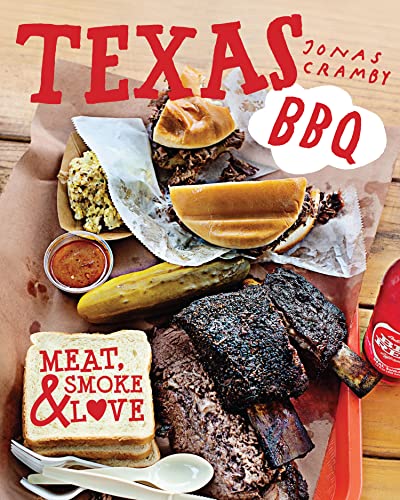



Give me 1 go-to answer: for Texas-style BBQ sauce, build it on a tomato/vinegar base with a little sweetness and heat, then simmer until it’s glossy and spoon-coats. In this guide, you’ll learn a reliable Texas BBQ sauce recipe framework and how to tweak it for “more smoky,” “more tangy,” or “thicker for ribs.”
This is for you if you want a homemade Texas BBQ sauce that’s great on brisket, pulled pork, chicken, or as a finishing drizzle—without needing a smoker or fancy ingredients.
If you want the shortest path to “authentically Texas” without overthinking, this sauce is built for balance: tomato for body, vinegar for tang, brown sugar for lift, and chili spices for that gentle kick. It’s also forgiving—once you understand the texture targets (glossy, spoon-coating), you can fine-tune it fast.
Recipe Overview

Texas-style BBQ sauce is a tangy, tomato-forward sauce with sweet-and-spicy balance that clings to meat instead of sliding off. This recipe is easy enough for weeknights, but it still tastes like you put in real effort—because the simmer is where the flavor comes together. In my view, that glossy “spoon-coat” finish is the real hallmark of a good Texas BBQ sauce, and it’s exactly what you’ll get here. Expect this to make about 2 cups, enough to cover several meals or a solid batch for meal prep.
You can use this homemade Texas BBQ sauce as a basting sauce during cooking, or as a finishing drizzle at the end for brighter flavor and better texture. As of 2026, this kind of tomato-vinegar BBQ sauce framework is still one of the most dependable “no smoker required” approaches—because it delivers the same structural flavors smokers bring, just more directly.
Time Required
– 🕐 Prep Time : ~12–15 minutes
– 🍳 Cook Time : ~25–35 minutes
– ⏱ Total Time : ~37–50 minutes
– Note: Let it cool or chill for best blending—set aside ~30 minutes, or overnight in the fridge if you can.
Ingredients (Texas BBQ Sauce Basics)

Texas BBQ sauce relies on a few workhorse pantry items: ketchup (or tomato sauce) for body, vinegar for tang, and spices for depth. Brown sugar or molasses rounds out the sharpness, and Worcestershire adds a subtle savory “BBQ” backbone. For the most authentic texture, don’t skip the simmer—thickness isn’t just ingredient volume; it’s reduction. If you want swaps, keep them simple: ketchup can be substituted with tomato sauce, but don’t replace vinegar with something sugary (that changes the whole flavor job).
Main Ingredients
– Ketchup (or tomato sauce): 1 cup (240 ml)
– Apple cider vinegar (or white vinegar): 1/3 cup (80 ml)
– Brown sugar (or light molasses): 2 ½ tbsp (about 35 g)
– Worcestershire sauce: 2 tbsp (30 ml)
– Yellow mustard (optional but common): 1 tbsp (15 g)
– Chili powder: 1 tbsp
– Smoked paprika: 1 tsp
– Garlic powder: 1/2 tsp
– Black pepper: 1/4 tsp
– Salt: 1/2 tsp, then adjust after simmer
Optional Add-ins (choose based on your preference)
– Hot sauce or cayenne (for more heat): 1–2 tsp, to taste
– Liquid smoke (use carefully): 1/4 to 1/2 tsp
– Onion powder (or finely minced onion): 1/2 tsp
– Bourbon or coffee (for deeper BBQ vibes): 1 tbsp
Optional Garnish (if you serve it as a finishing drizzle)
– Extra cracked black pepper
– A few drops of hot sauce on the plate (optional)
Chili-Based Add-ins for Texas BBQ Sauce Heat (Approx. Scoville)
| # | Chili / Spice | Typical SHU Range | What It Adds to Texas BBQ Sauce | Heat Impact |
|---|---|---|---|---|
| 1 | Smoked paprika | 0–500 | Smoke + color, mild heat | ★★☆☆☆ |
| 2 | Ancho chile | 1,000–2,000 | Warm chili depth, low heat | ★★★☆☆ |
| 3 | Chipotle chile (dried/ground) | 2,500–8,000 | Smoky chili flavor, medium heat | ★★★☆☆ |
| 4 | Chili powder (blend, typical) | 2,000–10,000 | All-around chili backbone | ★★★½☆ |
| 5 | Aleppo pepper | 10,000–60,000 | Bright chili heat, fruity notes | ★★★★☆ |
| 6 | Cayenne pepper | 30,000–50,000 | Sharp heat that ramps fast | ★★★★★ |
| 7 | Crushed red pepper flakes | 30,000–50,000 | Heat + texture (pepper specks) | ★★★★★ |
Step-by-Step Instructions (Make It the Texas Way)
1. Mix the base. Stir ketchup (or tomato sauce) with vinegar, brown sugar, Worcestershire, mustard, chili powder, smoked paprika, garlic powder, black pepper, and salt until smooth. This is the step most people rush, but it prevents gritty pockets of unmixed seasoning in your Texas BBQ sauce. If you’re using onion powder or hot sauce, whisk it in here too.
2. Simmer to thicken. Bring the sauce to a gentle bubble over medium heat, then reduce to a steady simmer. Cook until it looks glossy and slightly reduced—think “spoon-coats,” not watery. In my standard workflow, this is the point where Texas BBQ sauce becomes noticeably darker and more cohesive. .
3. Taste and fine-tune. Turn off the heat and taste your Texas BBQ sauce. Add more vinegar for tang, a touch more sugar for balance, or extra chili/smoked paprika for heat and BBQ depth. This is also where you adjust salt—small pinches matter.
4. Cool (or chill) for best results. Let the sauce cool, then it thickens further as it sits. If it’s too thick, loosen with a splash of water; if it’s too thin, simmer 3–5 more minutes and retest.
Pro/Con decision (so you pick the right direction)
- Build on tomato + vinegar (this recipe)
- Pros: bright tang, classic Texas profile, easy no-smoker method for depth.
- Cons: if you dislike tangy flavors, it may feel “too tomato-y” until reduced longer or chilled.
- Make it smoke-forward (optional tweaks)
- Pros: deeper BBQ aroma, better for brisket-style finishing.
- Cons: too much liquid smoke can taste soapy/harsh—use only 1/4–1/2 tsp at a time.
Heat & Temperature Guide
Cooking Method
A stovetop simmer is the best method for Texas BBQ sauce because it blends flavors evenly while naturally reducing the ketchup base. Reduction is simply cooking liquid down so the sauce becomes thicker and more concentrated.
Temperature & Timing
Target a gentle simmer of 93–99°C / 200–210°F. Simmer for 20–30 minutes, stirring occasionally so the bottom doesn’t scorch. If you add bourbon/coffee, do it after the sauce has reduced slightly so the flavor stays bright rather than cooked-off.
How to Know It’s Done
Texas BBQ sauce is ready when it coats the back of a spoon—run a finger through it, and the line should hold briefly before slowly filling. It should look darker and shinier than when you started, not pale or watery. The aroma should smell like tangy barbecue spice, not raw ketchup.
What Can Go Wrong (and How to Fix It)
Texas BBQ sauce is forgiving, but a few common issues can throw off the final balance—usually by rushing the simmer or misreading thickness. The good news is you can diagnose and fix each problem quickly with simple adjustments.
Flat or one-note flavor (not enough “BBQ” balance)
This usually happens when salt is low or vinegar/sweetness is unbalanced. Fix it by adding a pinch of salt first, then tasting again, and finishing with 1 tsp more vinegar (for tang) or 1 tsp more brown sugar (for lift). Texas BBQ sauce should taste “alive” even before it goes on meat.
Too thick after cooking (can’t drizzle or baste)
Some ketchup sauces tighten as they cool. Stir in water or extra vinegar 1 teaspoon at a time until the sauce flows like you want. If you’re using Texas BBQ sauce for pulled pork, slightly looser is often better for even coverage.
Too thin (won’t cling to the spoon)
If it looks watery, it’s under-reduced. Simmer on low and stir more frequently for 5-minute increments until it glosses up and spoon-coats. This is the simplest fix for thin Texas BBQ sauce.
Food safety note
Cooked BBQ sauce is perishable once cooled, because it contains liquid ingredients that support bacterial growth if left warm. According to the USDA Food Safety and Inspection Service, cooked foods should not be left at room temperature longer than 2 hours (1 hour in very hot conditions) (USDA FSIS, 2023). According to FDA guidance in the Food Code updates, refrigeration should keep perishable foods at 40°F / 4°C or below (U.S. FDA Food Code, 2022). For quality and safety, refrigerate promptly and use within 3–4 days when stored properly (USDA FSIS, 2023).
Common Mistakes & How to Fix Them
These errors usually come from small shortcuts—so you’re not “bad at sauce,” you’re just human.
Skipping the smooth mixing step
If spices aren’t fully dissolved, Texas BBQ sauce can end up with bitter pockets (especially chili powder). Fix it by whisking thoroughly off-heat first, or blend briefly with an immersion blender once simmering begins (carefully, to avoid splatter). The goal is one uniform, bright base before reduction.
Over-high heat (scorching the ketchup)
High heat can burn tomato solids and make Texas BBQ sauce taste harsh. If you notice a burnt edge smell, lower the heat immediately and stir more often; you may still be able to recover the sauce after a gentle simmer. Prevention is simple: keep it at a steady, gentle bubble.
Adding liquid smoke too late (or too much)
Liquid smoke can overpower vinegar and spices fast. If the sauce tastes “chemical,” remove it from heat and balance with a bit more ketchup (1–2 tbsp) or a small amount of brown sugar, then simmer 3 minutes and retest.
Under-simmering (thinking thickness comes instantly)
Thickness usually improves during cooling, but the sauce also needs reduction on the stove. If your Texas BBQ sauce won’t spoon-coat, simmer longer before you chill—then cool fully to see the true texture.
How to Serve
Texas BBQ sauce works best when you match the timing to the flavor job: warm it slightly for basting, and finish with fresh drizzle for brightness. That approach keeps the tomato-vinegar tang forward without losing body.
Plating & Presentation
Serve Texas BBQ sauce as a finish right before serving, especially for brisket slices or saucy sandwiches. If you’re basting during cooking, warm the sauce gently so it brushes on without tightening too quickly. Always include extra sauce on the side—Texas BBQ fans typically want a second dip.
What Goes Well With It
Texas BBQ sauce shines on brisket, pulled pork, ribs, smoked chicken, burgers, and fries. For a “Texas sandwich” feel, try it with pickles and a simple slaw (or skip slaw for a cleaner, tangier bite). A side of cornbread also complements the sweetness and spice structure.
Serving Temperature
– For finishing drizzle: room temp to slightly warm
– For brushing/basting: warm (not boiling) so it spreads smoothly
Storage & Reheating
Store Texas BBQ sauce in a sealed container in the fridge. Reheat gently on low heat, stirring often, and avoid a hard boil. If it thickens after chilling, thin with water a teaspoon at a time until it returns to spoon-coat consistency.
Recipe framework tweaks (so you can tailor Texas BBQ sauce fast)
If you want “more smoky,” add extra smoked paprika (1/2 tsp at a time) or a tiny amount of liquid smoke (1/4 tsp at a time). For “more tangy,” increase vinegar by 1 tsp increments and rebalance with 1 tsp sugar if needed. For “thicker for ribs,” simmer 5–10 minutes longer until it clearly coats the spoon, then cool—Texas BBQ sauce usually tightens further during resting.
Verdict / Tip
This homemade Texas BBQ sauce is a reliable go-to because it uses a tomato-vinegar base, controlled sweetness, and a measured simmer to build a glossy, spoon-coating texture. The downside is that it’s inherently tangy and tomato-forward—so if you want a purely smoky, peppery sauce, you may need a more vinegar-light or smoke-heavy variation. Skip liquid smoke altogether if you’re sensitive to strong smoky aromatics, and be cautious with cayenne/hot sauce so your Texas BBQ sauce doesn’t jump from “BBQ kick” to “too hot for the family.”
| Quick Texas BBQ Sauce Checklist |
|---|
| ✅ Balanced: tang (vinegar) + sweet (brown sugar/molasses) + heat (chili) |
| ✅ Proper texture: spoon-coat, glossy, not watery |
| ✅ Adjust after simmer: taste, then tweak salt/vinegar/sugar/spices |
| ✅ Rest helps: cool/chill so it thickens and flavors meld |
Frequently Asked Questions
What’s the best Texas BBQ sauce recipe for brisket?
A classic Texas BBQ sauce recipe is tomato-forward but balanced with vinegar, Worcestershire, and a moderate amount of heat so it doesn’t overpower the brisket rub. Look for a flavor profile that’s tangy and slightly smoky, using apple cider vinegar or distilled vinegar plus a touch of brown sugar to round out the bite. Simmer ketchup or tomato paste with vinegar, Worcestershire, garlic, pepper, and chili powder until glossy, then thin as needed for sauce-to-meat coverage.
How do you make a Texas-style BBQ sauce with the right smoky flavor?
To build smoky flavor without overpowering the meat, add smoked paprika and a small amount of chipotle or liquid smoke, then adjust with vinegar for balance. Many Texas BBQ sauce recipes also use onion and garlic simmered down to sweetness, which helps the smoke come through cleanly. Start with a small amount of liquid smoke (if using), taste as you go, and keep the sauce at a gentle simmer to let the flavors meld.
Why is Texas BBQ sauce often thinner than other regional BBQ sauces?
Texas BBQ sauce recipes are commonly thinner because they’re designed to complement the smoky bark and beefy flavor instead of coating heavily. Vinegar and pepper-forward ingredients keep the sauce pourable, so it can be mopped during cooking or served on the side for dipping. If you’re aiming for a thinner, traditional texture, reduce less and add water or extra vinegar after simmering.
Which ingredients make a traditional Texas BBQ sauce “authentic”?
Traditional Texas BBQ sauce usually relies on ketchup or tomato base, vinegar (often apple cider or distilled), Worcestershire sauce, black pepper, and chili powder for the signature savory-tangy taste. Garlic and onion add depth, while a small amount of brown sugar helps the sauce caramelize lightly on warm meat. To get closer to classic flavor, focus on pepper and vinegar first, then fine-tune sweetness and heat to your preference.
How can you thicken Texas BBQ sauce without making it too sweet?
If your Texas BBQ sauce recipe is too thin, simmer it uncovered to reduce and naturally thicken while concentrating the flavors. Avoid relying too heavily on added sugar—sweetness can rise as the sauce reduces, especially with ketchup and brown sugar. For better control, reduce gradually, then adjust thickness with a small slurry (cornstarch + water) if needed, followed by a final splash of vinegar to keep the tang balanced.
📅 Last Updated: November 08, 2026 | Topic: texas bbq sauce recipes | Content verified for accuracy and freshness.
References
- Barbecue sauce
- Barbecue in Texas
- Barbecue
- https://www.britannica.com/topic/barbecue
- barbecue sauce – Search Results – PubMed
- https://www.sciencedirect.com/search?qs=barbecue%20sauce
- https://www.ncbi.nlm.nih.gov/pmc/?term=barbecue+sauce
- https://scholar.google.com/scholar?q=texas+bbq+sauce+recipe Google Scholar
- https://scholar.google.com/scholar?q=texas-style+barbecue+sauce+ingredients+recipe Google Scholar
- https://scholar.google.com/scholar?q=barbecue+sauce+formulation+vinegar+tomato+molasses Google Scholar


 -51%
 -50%
 -47%