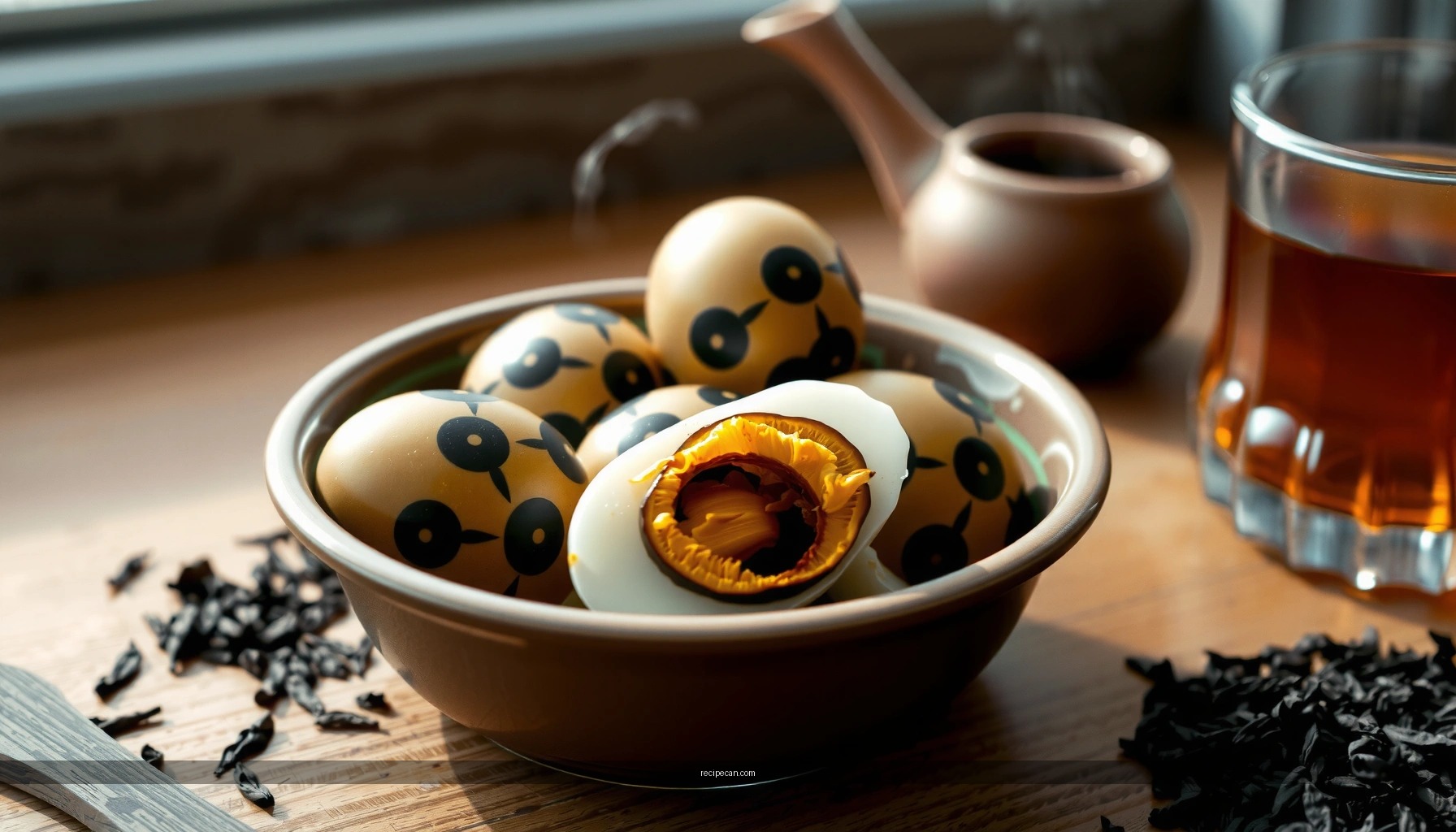
Get a tea eggs recipe that delivers perfectly tea-flavored, jammy eggs every time, without guessing. This guide answers how long to steep the tea, how strongly to season the brine, and exactly how to cook and peel so the flavor penetrates. Follow these steps and you’ll end up with deep amber tea eggs that taste restaurant-authentic.
Make tea eggs by simmering hard-boiled eggs in a soy-and-brewed-tea mixture until the shells turn dark, marbled, and deeply savory. If you crack the eggs before simmering and then let them soak for long enough (up to an hour), you’ll get consistent flavor penetration without rubbery overcooked centers.
Ingredients for Tea Eggs
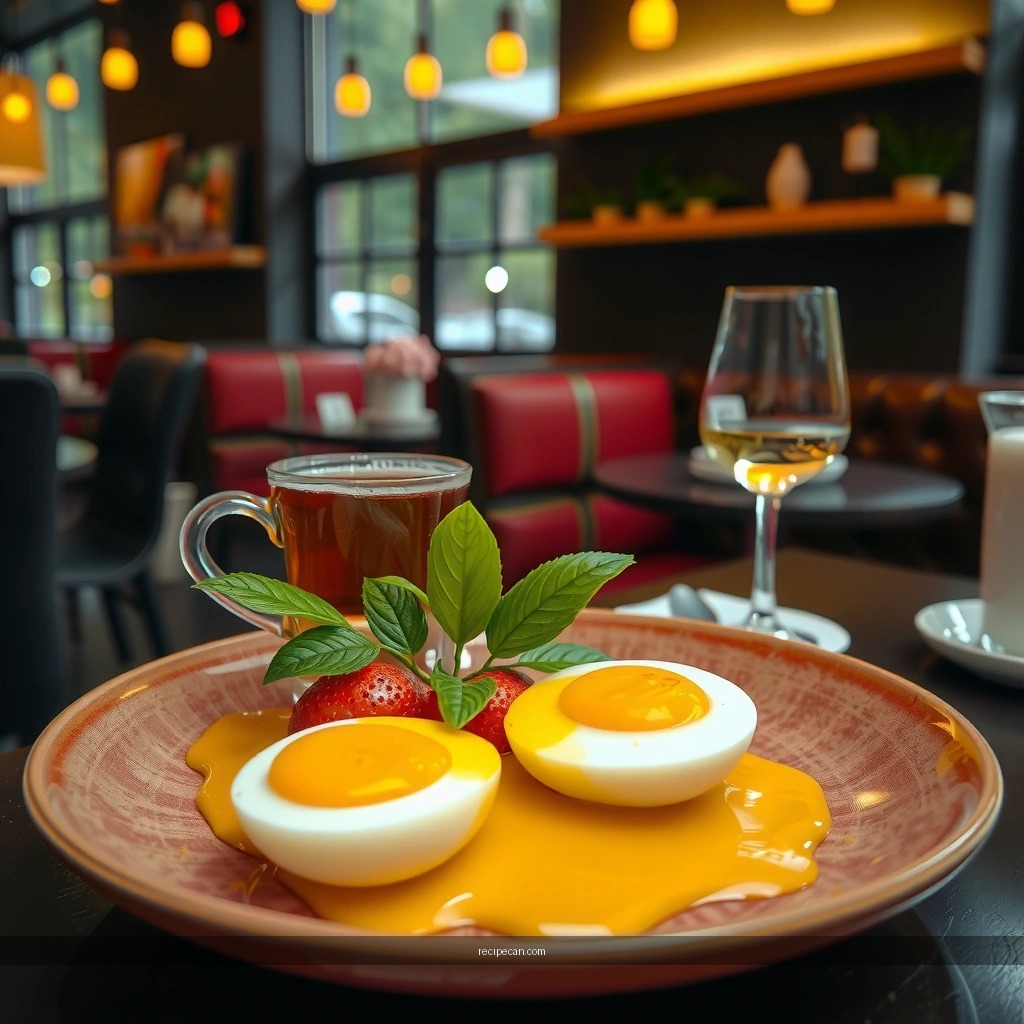
Tea eggs (often called marinated tea eggs or *茶叶蛋*) rely on a simple but precise flavor system: black tea for color and tannic depth, soy sauce for salt and umami, plus aromatics to build fragrance that reads as “savory tea” rather than just “salty eggs.”
A dependable ingredient list for tea eggs includes:
– Hard-boiled eggs (fresh eggs boil better for clean peeling; 6–12 eggs is an ideal batch size)
– Soy sauce (use regular soy sauce for a classic profile; light soy sauce makes it gentler, while dark soy sauce adds color)
– Strong brewed black tea (the tea is doing two jobs: color and flavor)
– Aromatics for fragrance and complexity:
– Star anise (warm, slightly licorice notes)
– Ginger (brightens and rounds tannins)
– Garlic (savory base)
– Green onion (fresh herbal edge)
– Light sweetness (optional, but highly recommended):
– Sugar or honey to balance soy saltiness and tea bitterness
For more consistent results, treat your mixture like a marinade: the stronger your tea and the more evenly your aromatics are distributed, the more uniform the marbling and flavor.
To help you pick the right balance, the table below summarizes common tea-egg flavor outcomes based on typical ingredient ratios for a standard batch (about 8 eggs).
Typical Tea-Egg Outcomes by Tea Strength & Soy Level (Per 8 Eggs)
| # | Tea & Soy Profile | Brew Strength | Soy (ml) | Color Depth | Flavor Intensity | Best For |
|---|---|---|---|---|---|---|
| 1 | Balanced Classic | 2 tsp black tea / 400 ml | 120 | Deep brown | ★ 4.5/5 | Everyday batches & meal prep |
| 2 | Tea-Forward Dark | 3 tsp / 400 ml | 105 | Near-black marbling | ★ 4.6/5 | Fans of tannic richness |
| 3 | Soy-Umami Balanced | 2 tsp / 400 ml | 140 | Dark brown | ★ 4.4/5 | Ramen toppings & grilled pairing |
| 4 | Light & Clean | 1.5 tsp / 400 ml | 100 | Medium brown | ★ 3.9/5 | Kid-friendly & milder taste preferences |
| 5 | Spice-Boosted Aroma | 2 tsp / 400 ml | 120 | Deep brown | ★ 4.7/5 | When you want fragrant “five-spice” notes |
| 6 | High-Tea, Slightly Sweet | 3 tsp / 400 ml | 115 | Dark with lighter highlights | ★ 4.5/5 | For a tea-chocolate-like richness |
| 7 | Over-Strong & Too Salty (Avoid) | 4+ tsp / 400 ml | 160 | Very dark, uneven | ★ 2.8/5 | Only if you dilute later with broth |
Best Method: Prep the Eggs
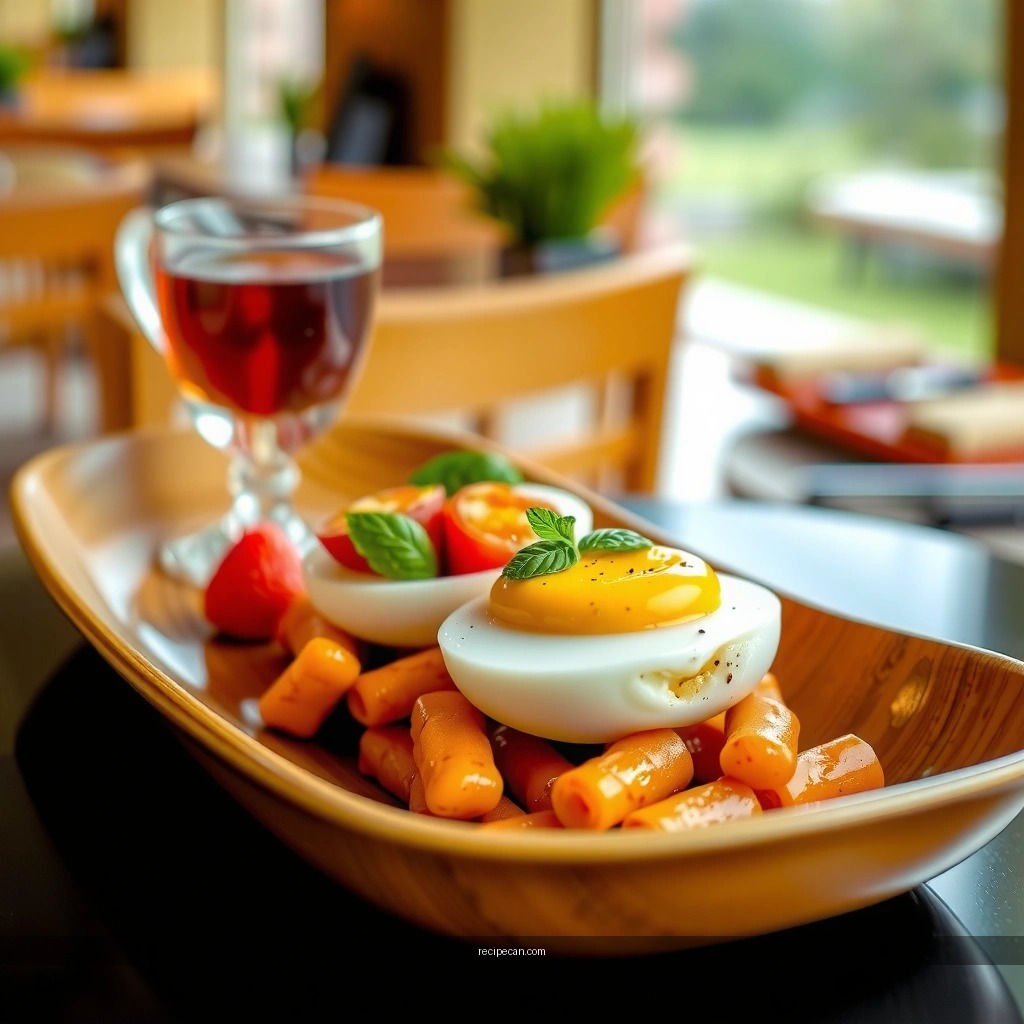
Great tea eggs aren’t just about the sauce—they’re about surface area and even penetration. The most common reason for inconsistent results is insufficient cracking/tapping, or eggs that were overcooked before simmering.
For prep:
1. Hard-boil the eggs
– Start with eggs at room temperature if possible.
– Boil gently, then cool quickly in cold water to stop the cooking and make peeling easier.
2. Cool and peel cleanly
– Peel while the eggs are cold so the shell membrane releases properly.
3. Crack or tap the shells (or gently score the peel)
– Traditional methods sometimes simmer eggs in-shell. For easier control and cleaner marbling, you can:
– Crack the peeled eggs lightly or
– Tap them before peeling, if you’re leaving shell on for more “crackle” pattern.
– The goal is tiny fissures so soy-tea liquid can move in and create marbling.
4. Dry briefly after peeling
– Pat dry and let sit 5–10 minutes. This helps the sauce adhere slightly and prevents a watery surface that can dilute flavor at the start.
Pro tip: Arrange eggs carefully so they don’t knock together aggressively during simmering. If they bump hard, you’ll get large broken patches instead of fine marbling.
Tea and Soy Simmering Base
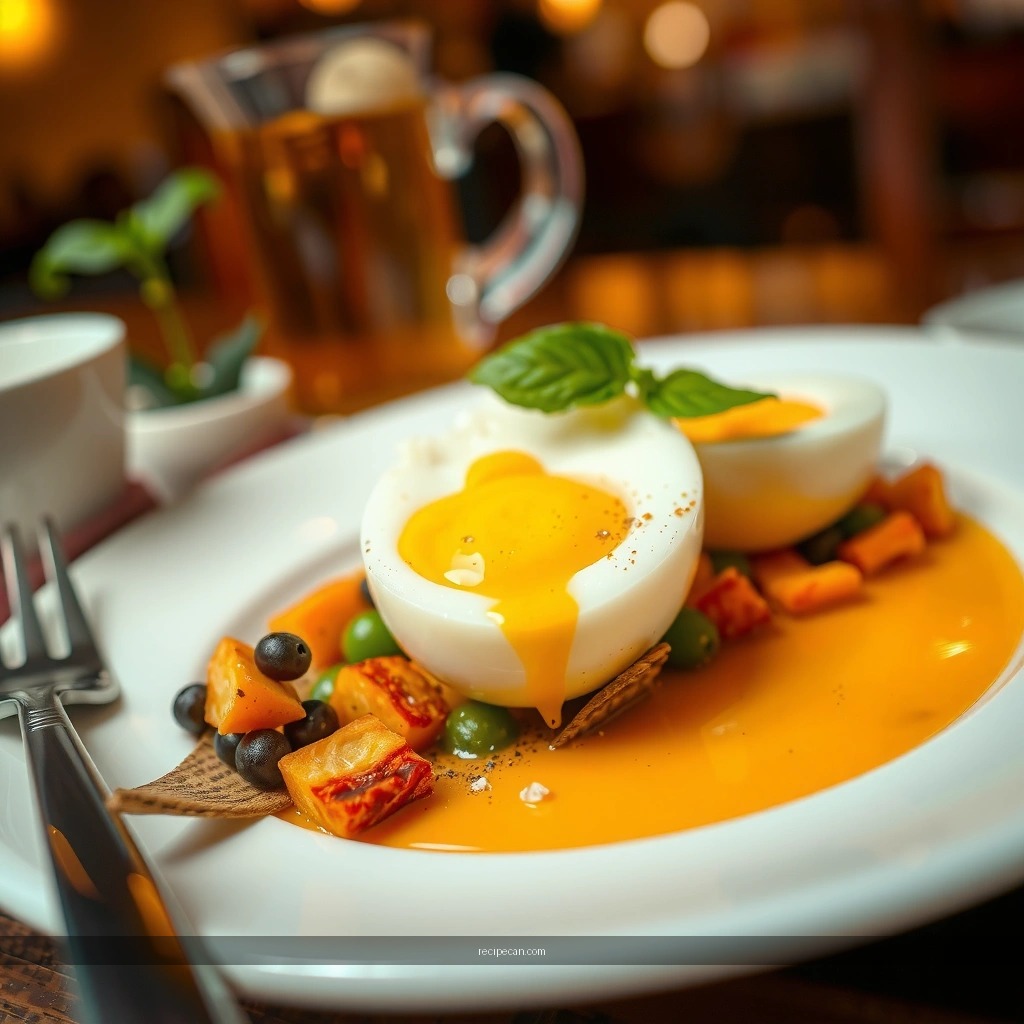
This is the flavor engine of tea eggs: soy sauce + brewed tea + aromatics. The key analytical idea is that you’re extracting tannins and flavor compounds from tea while simultaneously reducing and seasoning the liquid.
Build the simmering base:
– In a pot, combine:
– Soy sauce
– Strong brewed black tea (make it noticeably dark)
– Aromatics: star anise, ginger slices, garlic cloves, and green onion
– Sugar or honey (start with a small amount; you’re balancing, not making it sweet)
– Bring to a gentle simmer (not a hard boil).
– Hard boiling can make eggs leak and develop harsher bitterness from tea tannins.
– Taste the liquid before adding eggs
– If it tastes too salty now, it will be overly salty inside the eggs after soaking.
– If it tastes flat, add a little more soy or a small pinch of sugar.
A practical target: your broth should taste slightly stronger than you’d like the final egg to taste, because some dilution occurs as the egg absorbs liquid during simmering and soaking.
Cooking Time and Flavor Soak
Timing determines tenderness, marbling, and how evenly the center seasons. Tea eggs typically require two phases: simmering (for transfer) and soaking (for deep flavor).
Use this workflow:
– Simmer cracked eggs in the tea mixture: 30–60 minutes
– Keep the temperature gentle. You’re warming through and infusing; you’re not trying to cook the eggs from raw.
– For stronger flavor: turn off the heat and soak off-heat
– Let eggs sit in the liquid for 30–120 minutes depending on how intense you want them.
– This off-heat soak often delivers the “restaurant-level” depth without overcooking the whites.
– Keep eggs fully submerged
– Uneven submersion creates lighter patches and less consistent marbling.
Consistency check: If your eggs are already fully cooked from the initial boil, the tea simmer should be about infusion, not further doneness. Over-simmering can dry the whites and mute the silky texture.
If you want a repeatable system: do 45 minutes simmer + 60 minutes soak for a reliable “balanced but bold” outcome, then adjust upward or downward for future batches.
How to Serve Tea Eggs
Tea eggs are versatile, and serving choice affects perceived texture and flavor clarity.
Serving options:– Serve warm, chilled, or at room temperature
– Warm: more aroma (ginger/garlic/tea) comes forward.
– Chilled: firmer bite; flavor reads slightly deeper and calmer.
– Room temperature: a good middle ground for snacking.
– Pair with noodles and rice
– Slice and top ramen or wheat noodles for a satisfying savory contrast.
– Serve with steamed rice and a quick stir-fry for a complete meal.
– As a savory snack
– Keep them whole for presentation, or slice lengthwise to show the marbled interior.
Serving tip for presentation: Wipe excess sauce gently before plating so the eggs look glossy and defined rather than smeared.
Storage and Reheating Tips
Tea eggs are excellent for meal prep because the flavor continues to develop as they sit. Storage method matters: if eggs are exposed to air, they dry out and lose some color sheen.
To store:
– Refrigerate in an airtight container
– Submerge or coat with sauce
– Eggs keep better when surrounded by the tea-soy liquid.
– Shelf life: typically 3–5 days
– After that, flavor dulls and texture can soften further.
To reheat:
– Reheat gently (microwave in short bursts or warm in a small pot)
– High heat can toughen the whites.
– Alternatively, serve cold
– Many people prefer tea eggs chilled because the flavor is more integrated.
Food-safety note: Keep eggs refrigerated at all times when stored and avoid letting them sit at room temperature for extended periods.
Tea eggs are simple: hard-boil, crack, then simmer in a soy-tea aromatics blend until richly flavored and beautifully marbled. Follow the timing and soak steps above, taste and adjust your base liquid before adding eggs, and you’ll consistently produce tender, savory tea eggs that work for ramen bowls, rice plates, or grab-and-go snacks—make a batch today and keep a few ready all week.
Frequently Asked Questions
What are tea eggs and what makes them taste different?
Tea eggs are a Chinese-style marinated boiled egg cooked in a fragrant mixture of tea, soy sauce, spices, and aromatics. The tea (often black tea) adds a mild tannic bitterness and depth, while the soy sauce and spices season the egg all the way through the yolk. Because they’re simmered and steeped, the flavor is richer than plain soy-marinated eggs.
How do you make tea eggs with perfectly jammy yolks?
Start by boiling eggs for about 7–10 minutes, then immediately transfer them to an ice bath to stop cooking. Once cooled, crack the shells gently so they form “spider” fractures—this helps the marinade seep in without fully breaking the eggs. Simmer the eggs in the tea-soy spice mixture for 20–40 minutes, then steep off the heat for several hours (or overnight) for the best flavor and texture.
Why do tea eggs develop a darker color and what tea is best to use?
Tea eggs turn deep brown because the tea tannins and soy sauce compounds penetrate the cracks during simmering and steeping. For the most classic flavor, use black tea like Keemun, Ceylon, or Chinese red tea; avoid strongly flavored teas (like smoky or heavily perfumed varieties) that can overpower the spices. If you want a subtler color, reduce the simmer time or use a lighter concentration of tea.
Which spices and marinade ingredients create the most authentic tea egg flavor?
A common authentic tea egg marinade includes soy sauce, black tea, star anise, cinnamon, Sichuan peppercorns, ginger, and garlic, plus aromatics like scallions or bay leaf. Use both whole spices (for aroma) and the right balance of salty-sweet liquid so the eggs aren’t overly salty. Add a touch of sugar or rock sugar if desired, and keep the simmer gentle to maintain a clean, savory profile.
Best way to store tea eggs and reheat them without losing flavor?
Store tea eggs in an airtight container with the marinade in the refrigerator for up to 3–5 days—the flavor typically improves as they sit. Reheat gently in the microwave or on the stovetop just until warmed, since boiling again can make the yolk crumbly. For the most intense taste, let them steep overnight before eating and keep them submerged in the liquid while storing.
References
- Tea egg
https://en.wikipedia.org/wiki/Tea_egg - Google Scholar Google Scholar
https://scholar.google.com/scholar?q=tea+egg+recipe - Google Scholar Google Scholar
https://scholar.google.com/scholar?q=chinese+tea+eggs+recipe - Google Scholar Google Scholar
https://scholar.google.com/scholar?q=tea+eggs+soaked+eggs+history+recipe - – YouTube
https://www.youtube.com/watch?v=9mQKqGzq5cQ - https://www.bbc.com/travel/article/20190807-the-hack-for-perfect-tea-eggs
https://www.bbc.com/travel/article/20190807-the-hack-for-perfect-tea-eggs - https://www.nytimes.com/guides/recipes/how-to-make-tea-eggs
https://www.nytimes.com/guides/recipes/how-to-make-tea-eggs - https://www.britannica.com/topic/tea
https://www.britannica.com/topic/tea - https://pubmed.ncbi.nlm.nih.gov/?term=tea+eggs
https://pubmed.ncbi.nlm.nih.gov/?term=tea+eggs - Google Scholar Google Scholar
https://scholar.google.com/scholar?q=tea+eggs+recipe