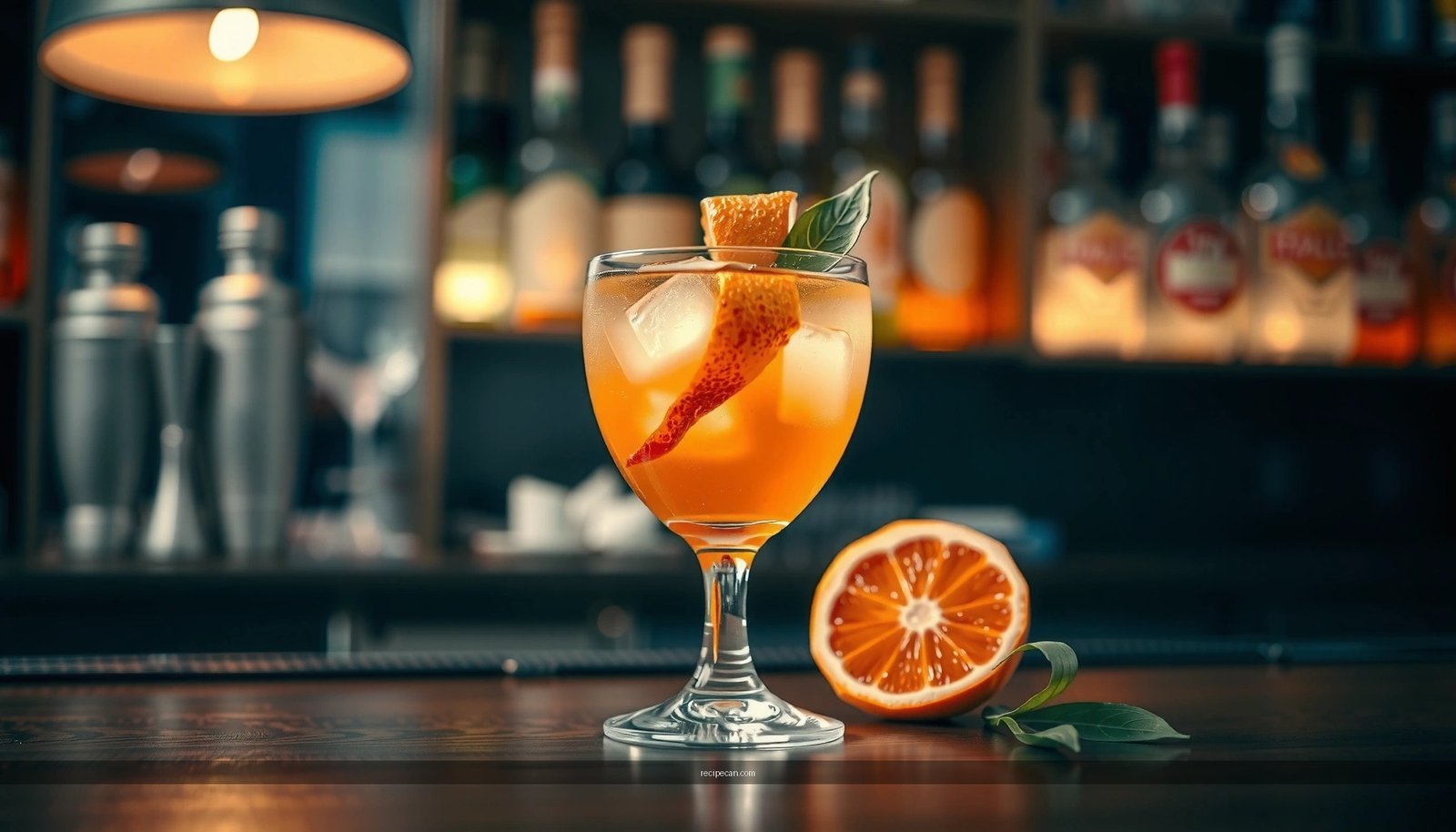
Get the tea cocktail recipe you can make fast: a refreshing brewed drink that tastes crisp, not watery. This step-by-step guide tells you exactly how to brew the tea, balance it with the right spirits and sweetness, and serve it at peak flavor. If you want an easy tea cocktail with reliable results, this is the one to follow.
Yes—you can make a refreshing tea cocktail by brewing strong tea, chilling it, and then balancing it with your preferred spirit and a measured sweetener (finished with citrus or a syrup for brightness). Below is a simple base method you can repeat reliably, plus practical customization options—so each glass tastes intentional rather than “tea-flavored liquor.”
Choose Your Tea Base
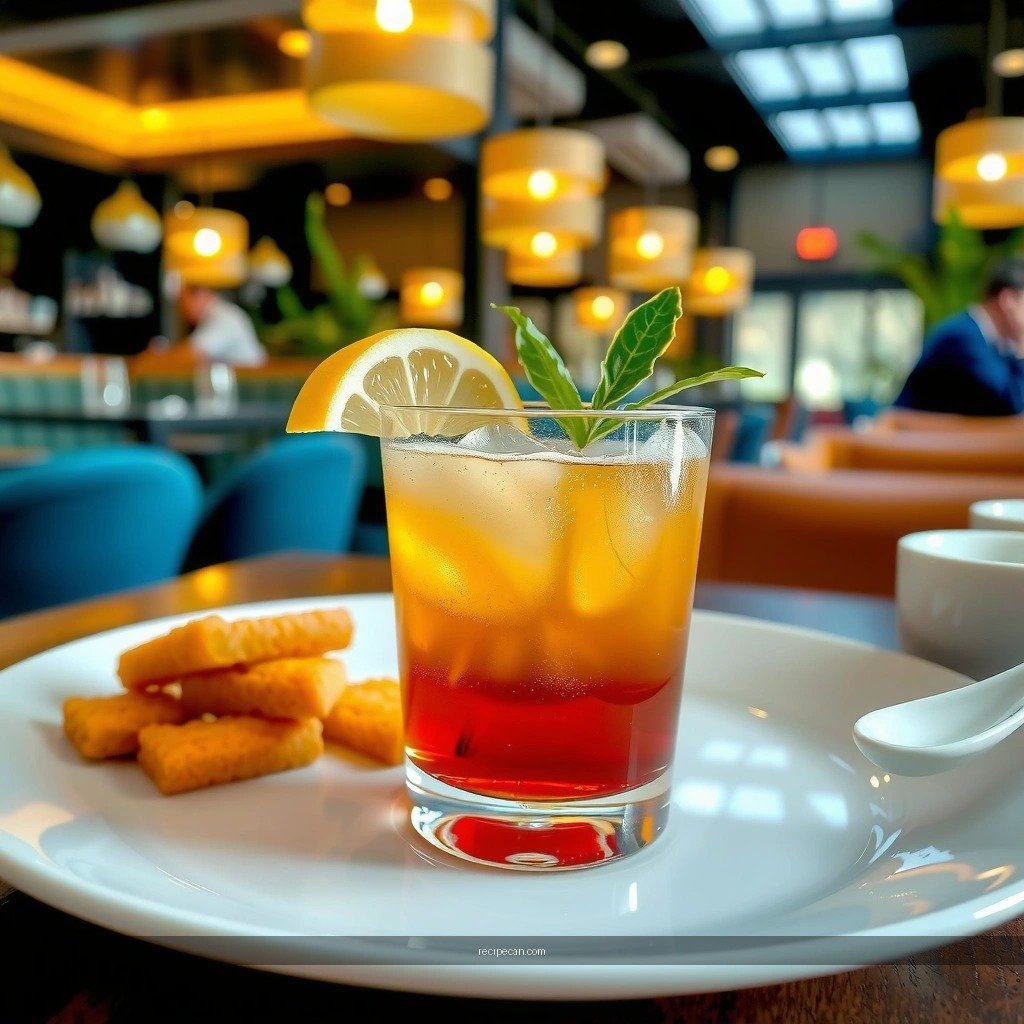
The fastest route to a great tea cocktail is choosing a tea style that already matches the kind of drink you want. Black tea brings body and malt-like notes, green tea stays lighter and more vegetal, oolong offers a toasted middle ground, and jasmine reads floral and aromatic—making it ideal for gin or vodka.
What to use (and why):
– Black tea (assam, ceylon, or breakfast blends): Best for cocktails that need structure—especially bourbon or rum. Expect deeper tannins and a “bakery” or “caramel” edge when paired with honey or simple syrup.
– Green tea (sencha or jasmine green): Best when you want a cleaner, less heavy profile. It pairs naturally with vodka and gin and keeps citrus tasting crisp rather than harsh.
– Oolong (tie guan yin): Creates a rounded, mildly roasted flavor that works well with bourbon, aged rum, or even spiced vodka.
– Jasmine tea: Floral and fragrant; it shines with vodka, gin, or light rum and works especially well with honey syrup.
How to brew strong tea (the non-negotiable step):
A tea cocktail is only as good as its base. If you brew tea too weakly, the spirit and sweetener will dominate and flatten the flavor.
– Use 2–3 tea bags per cup (or about 1–2 tsp loose-leaf per 8 oz / 240 ml) to start.
– Brew at an appropriate strength for the style:
– Black: steep ~4–5 minutes
– Green: steep ~2–3 minutes
– Oolong: steep ~3–5 minutes
– Jasmine: steep ~3–4 minutes (avoid over-steeping to prevent bitterness)
– Chill quickly: pour into a heat-safe container, cool to room temperature, then refrigerate—or place the container in an ice bath to speed chilling without over-extraction.
Analytical tip: The cooler your tea base, the easier it is to balance. Cold tea reads less bitter, which makes it simpler to dial in sweetness without “oversweetening” to compensate for warm bitterness.
Tea Style Pairings for Balanced Tea Cocktails (Practical Benchmarks)
| # | Tea Base | Best Spirit | Sweetener Match | Balance Score |
|---|---|---|---|---|
| 1 | Assam-Style Black Tea | Bourbon | Honey (or simple syrup) | ★★★★☆ (4.0) |
| 2 | Ceylon Black Tea | Gin | Agave | ★★★★☆ (4.2) |
| 3 | Sencha Green Tea | Vodka | Simple syrup | ★★★★☆ (4.4) |
| 4 | Jasmine Green Tea | Vodka | Honey syrup | ★★★★☆ (4.1) |
| 5 | Tieguanyin Oolong | Aged Rum | Brown sugar syrup | ★★★★☆ (4.3) |
| 6 | Jasmine (Pure Flower) Tea | Gin | Agave | ★★★☆☆ (3.8) |
| 7 | Earl Grey-Style Black Tea | Bourbon | Simple syrup (light) | ★★★★☆ (4.0) |
Build the Tea Cocktail Flavor
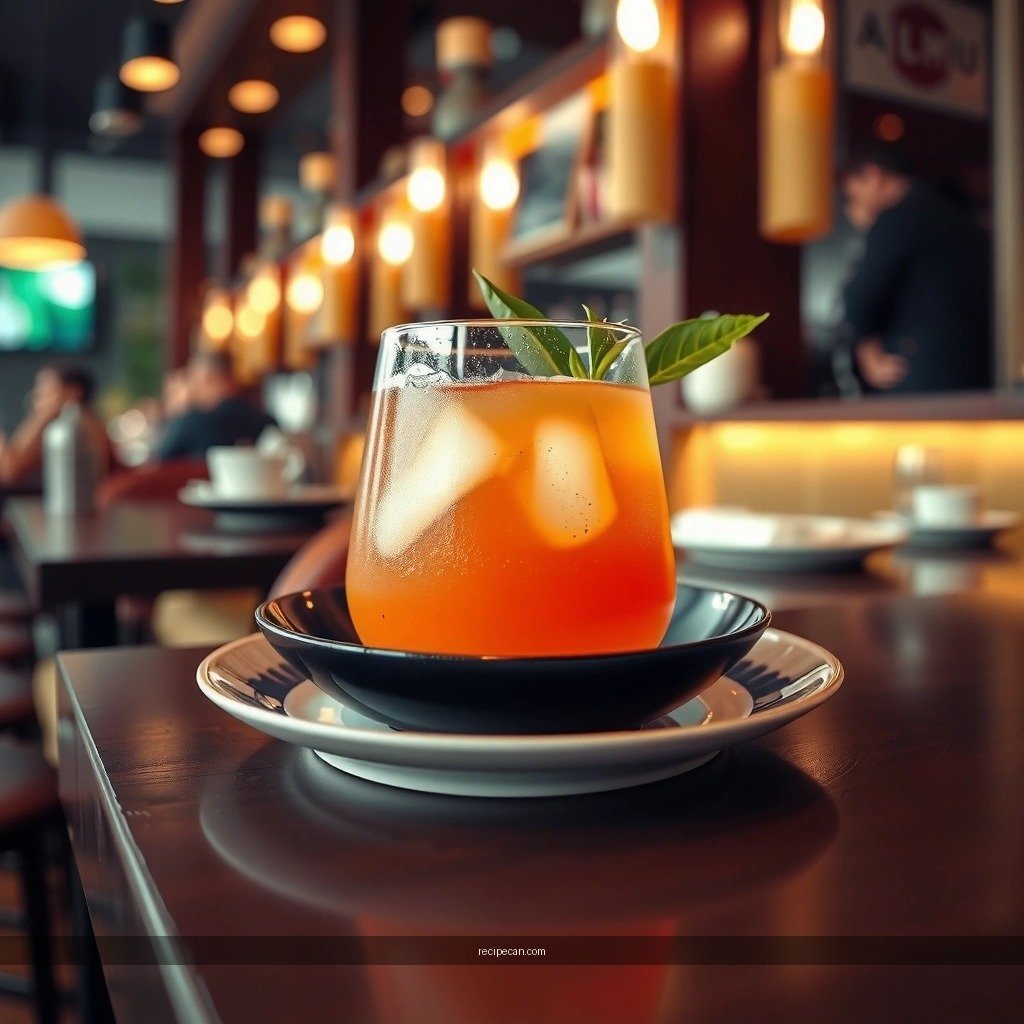
Once your tea base is chilled, you’re ready for the core formula: tea + spirit + sweetener. The goal is balance: spirits bring warmth and alcohol structure, while sweetener reduces tannin sharpness and helps aromas feel integrated rather than separated.
A repeatable base ratio (1 serving):
– 6 oz (180 ml) chilled strong tea
– 1.5 oz (45 ml) spirit (choose based on tea style)
– 0.5–1 oz (15–30 ml) sweetener (start with less, then adjust)
– Optional: 1–2 oz (30–60 ml) citrus juice or flavoring (added in the next section)
Choose the spirit with intention:
– Vodka: Neutral and clean; ideal for green or jasmine tea where you want the tea aroma to stay prominent.
– Gin: Adds botanicals that complement black tea (especially Ceylon) and can handle floral jasmine notes.
– Rum (light or aged): Naturally pairs with oolong and black tea, particularly when you’re using syrups like honey or brown sugar.
– Bourbon: Works best with black tea and darker sweeteners because both bring caramelized, oak-like flavor.
Sweetener strategy (how to avoid “flat-sweet” tea):
– Honey: Adds floral complexity but can thicken slightly—great for black tea and oolong.
– Simple syrup: Most controllable for consistent results—especially for batch service.
– Agave: Light sweetness with minimal flavor; good for cocktails where you want citrus and tea aromatics to remain front and center.
Analytical tip: Start by adding about 15 ml sweetener, stir, and taste. If you want more roundness, increase by small increments. Tea cocktails often become “over-sweet” when people try to correct bitterness with large sweet doses rather than adjusting tea strength or steep time.
Add Citrus and Mix-Ins
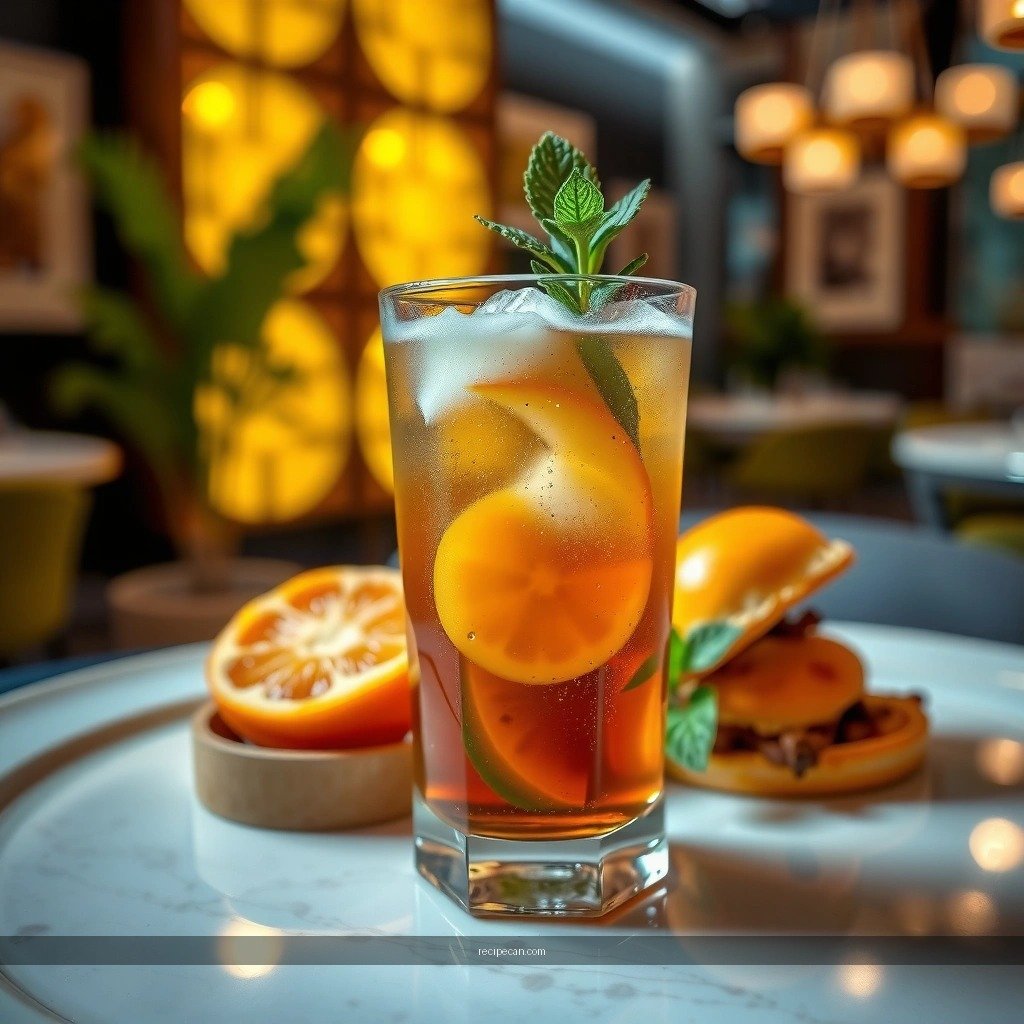
Citrus is the shortcut to a more “refreshing” tea cocktail. It brightens aromatics, tightens perceived sweetness, and cuts through alcohol warmth—especially important for strong black tea bases.
Citrus options that work:
– Lemon juice: Clean and direct; tends to make black tea feel lighter.
– Lime juice: More vibrant and aromatic; great with gin and jasmine-forward cocktails.
How much to add:
– Start with 0.25–0.5 oz (7–15 ml) citrus juice per serving.
– If you’re building a sweeter drink, citrus can be slightly higher; if you’re using a very light sweetener (like agave), citrus also helps maintain balance.
Flavor mix-ins for depth (without masking tea):
– Ginger: Adds warmth and spiciness; pairs particularly well with black tea and rum.
– Vanilla syrup: Works best with honey + black tea combinations where you want a dessert-like finish.
– Fruit puree (raspberry, peach, or mango): Use a small amount to enhance aroma. Puree also adds body, which can make the tea feel more “round” even with lower sweetness.
Practical guidance: If your tea cocktail includes puree or heavy syrups, consider slightly reducing sweetener since these ingredients often carry natural sweetness.
Shake vs. Stir (And Serve Style)
How you mix affects texture and perception. In tea cocktails, the differences are subtle but meaningful—especially when ice melt dilutes the drink.
Shake with ice when:
– You want a slightly frothy surface (especially with citrus juice).
– Your sweetener is thick (honey or syrup) and needs better integration.
– You’re using a more vigorous garnish system (like citrus oils and herbs) and want aromatics to disperse.
Stir for a cleaner flavor when:
– You prefer a clear, polished look.
– You’re keeping sweetness precise and want minimal dilution or foam.
– You’re using lighter citrus (or no citrus) and want the tea notes to sit cleanly.
Serve style recommendations:
– Over fresh ice for maximum chill and less dilution drift.
– In a highball glass for tea-forward drinks where you want visible tea color and aromatic garnish.
– In a rocks glass if you’re using bourbon or dark rum and want a heavier, slower-sipping profile.
Garnish and Flavor Customizations
Garnishes aren’t just decoration—they’re a controlled finishing step that can dramatically change aroma and perceived taste.
High-impact garnish choices:
– Citrus wheels or expressed citrus oils: Twist a lemon or lime wheel over the drink before placing it in the glass.
– Fresh mint: Works especially well when your tea is green or when ginger is involved; it reads “cool” and extends refreshment.
– Tea leaves (sparingly): A few dry leaves on top can reinforce tea aroma on the nose.
– Edible flowers: Best for jasmine or floral tea cocktails where the aroma is part of the intended experience.
Customization knobs you can dial every time:
– Strength: Brew your tea a bit stronger if the spirit dominates; brew lighter if bitterness feels too aggressive.
– Sweetness: Add syrup or honey incrementally—don’t jump from “not sweet enough” to “dessert-sweet.”
– Aromatic lift: Increase citrus slightly or add a few drops of vanilla syrup to extend the finish rather than create sweetness.
Make It Ahead and Scale Up
For consistent results—especially if you’re serving guests—batching is where tea cocktails turn from “fun experiment” into “reliable beverage program.”
Make ahead (single batch):
– Brew strong tea, then chill completely (refrigerate).
– Store the tea base separately from spirits and citrus.
– Assemble each drink at service time so carbonation-free clarity and aroma remain fresh.
Pitcher scaling (important ratio principle):
Keep your tea-to-liquor ratio consistent. For example:
– If a single serving uses 6 oz tea + 1.5 oz spirit, that’s a 4:1 ratio by volume.
– Multiply both by the number of servings, then adjust sweetener in small test increments (because tea strength and sweetness preferences vary).
Batch storage guidance:
– Refrigerate tea base in a sealed container for up to 3 days for best flavor (aromas fade after that).
– If using citrus juice, consider adding it closer to serving time to preserve brightness.
Savoring a great tea cocktail is all about starting with strong brewed tea, balancing sweetness, and adding bright citrus. Brew and chill your tea, mix your base with spirits and sweetener, and then customize with garnishes and mix-ins—then try a variation next time to find your perfect match.
Frequently Asked Questions
What are the best tea cocktail recipes for beginners?
Start with easy tea cocktail recipes like an iced black tea vodka spritzer or a simple green tea mojito-style drink. Use brewed tea as the base (cooled to room temperature) and pair it with a spirit such as vodka, gin, or rum for balance. Keep the ingredient list short—tea, citrus, a sweetener (honey syrup or simple syrup), and optional soda—so the tea flavor stands out without complex steps.
How do you make a tea cocktail without it tasting bitter?
Brew your tea using the right steep time and temperature—over-steeping is the most common cause of bitterness in tea cocktails. After brewing, cool the tea quickly and taste it before mixing; if it’s harsh, dilute with water or add a touch of honey syrup. You can also use lighter teas (like jasmine, oolong, or black tea for shorter steep times) and balance with citrus (lemon or lime) and carbonation.
Which spirits pair best with matcha, black tea, and jasmine tea in cocktails?
Matcha cocktails often work best with vodka or white rum, where the creamy, grassy notes can be supported by lime or vanilla simple syrup. Black tea pairs beautifully with gin or whiskey-style spirits because its roasted, bold character matches stronger aromatics. Jasmine tea cocktails are especially good with gin and light liqueurs (like elderflower) since floral notes blend well—just avoid adding too much sweetness that can mute the aroma.
Why does chilling tea before mixing matter for tea cocktail flavor?
Mixing hot or warm tea into a cocktail can “cook” the ingredients and dull the tea’s aromatics, sometimes making the drink taste flatter or overly tannic. Chill the brewed tea first so the flavors remain crisp and fresh, especially when you’re adding soda or tonic. Cold tea also helps maintain a clean, balanced mouthfeel in recipes like tea spritzers, tea palomas, and tea lemonades.
How can you sweeten a tea cocktail without overpowering the tea?
Use a light tea syrup or honey syrup rather than plain sugar, because syrup blends more evenly and won’t leave gritty sweetness. Start with small amounts, then adjust based on how strong your brewed tea tastes—many tea cocktail recipes rely on citrus and carbonation to keep sweetness in check. For naturally sweet options, consider pairing fruit juices (like lemon-lime or yuzu) with tea instead of adding extra sugar, so the tea flavor stays clearly present.
References
- Google Scholar Google Scholar
https://scholar.google.com/scholar?q=tea+cocktail+recipe - Google Scholar Google Scholar
https://scholar.google.com/scholar?q=tea+infusion+in+cocktails+flavor - Google Scholar Google Scholar
https://scholar.google.com/scholar?q=matcha+cocktail+recipe+study - Cocktail
https://en.wikipedia.org/wiki/Cocktail - Tea
https://en.wikipedia.org/wiki/Tea - Herbal tea
https://en.wikipedia.org/wiki/Tisane - Cocktail | alcoholic beverage | Britannica
https://www.britannica.com/topic/cocktail - https://www.britannica.com/topic/tea
https://www.britannica.com/topic/tea - https://pubmed.ncbi.nlm.nih.gov/?term=tea+cocktail
https://pubmed.ncbi.nlm.nih.gov/?term=tea+cocktail - https://pubmed.ncbi.nlm.nih.gov/?term=matcha+alcohol+sensory
https://pubmed.ncbi.nlm.nih.gov/?term=matcha+alcohol+sensory