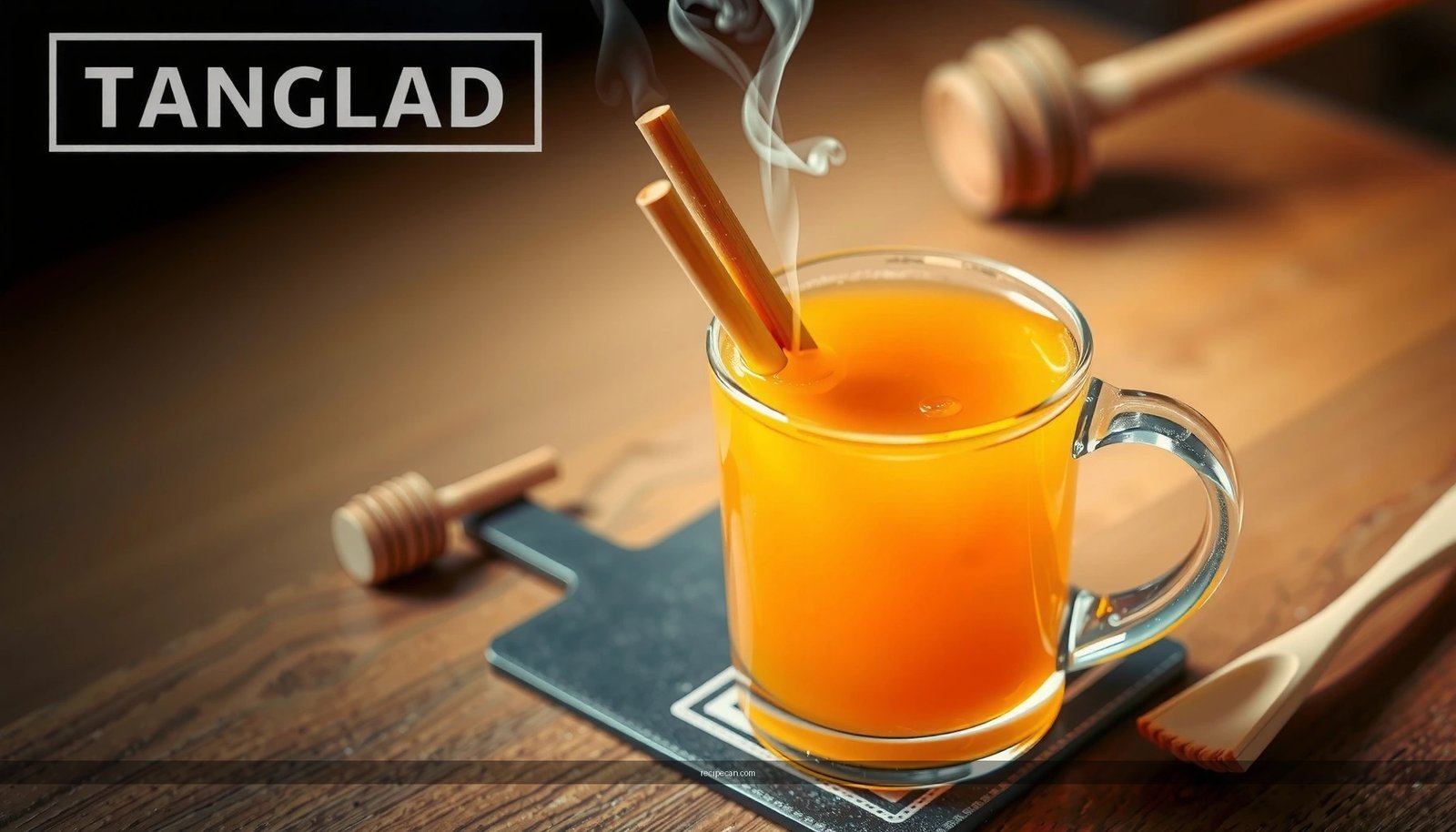
Get the tanglad tea recipe you can make at home and make it taste right the first time. This guide gives you a clear, step-by-step method for brewing fragrant tanglad tea with the right strength, timing, and serving style. If you want a reliable cup—sweet, soothing, and consistent—this is the winning process.
Tanglad tea is easy to make at home: simply steep fresh or dried tanglad (lemongrass-like stalks/leaves) in hot water until the aroma and flavor reach your preferred strength. With a few practical adjustments—steep time, tanglad-to-water ratio, and optional add-ins—you can consistently brew a soothing, refreshing cup that tastes right every time.
Benefits of Tanglad Tea
Tanglad tea is a traditional herbal drink commonly associated with comfort and everyday wellness routines. While individual experiences vary, people often choose tanglad tea for the way it feels—light, aromatic, and easy to sip—especially when they want something caffeine-free.
– Traditionally used for digestion and overall comfort
In many Filipino and Southeast Asian households, tanglad tea is prepared as a gentle digestive support. It’s often enjoyed after meals or during times when the body feels “heavy” from food, because the drink is warming, aromatic, and uncomplicated to prepare.
– Known for a light, refreshing herbal aroma
Tanglad’s fragrance is a key part of the appeal. When steeped properly, it releases a bright, citrusy-herbal note that can feel uplifting without being overpowering. This makes it a strong alternative to heavier teas if you prefer something clean and refreshing.
From a practical standpoint, tanglad tea is also appealing because it’s simple to customize. If your goal is a mild, comforting cup, you can steep briefly. If you want a more robust brew, you can steep longer or increase the amount of tanglad. That flexibility is a major reason home brewers stick with it.
Ingredients for Tanglad Tea Recipe
You don’t need a complicated shopping list to make great tanglad tea. The recipe centers on good tanglad, quality water, and a few optional flavor enhancers depending on your preference.
– Fresh or dried tanglad (lemongrass/tanglad stalks or leaves)
Fresh tanglad typically gives a brighter aroma. Dried tanglad tends to be more concentrated and can produce a deeper herbal flavor with a shorter steep. Choose based on what’s available, then adjust steep time to match your taste.
– Water and optional honey or calamansi for flavor
Water is the brewing medium—use filtered water if your tap water has a strong taste or odor.
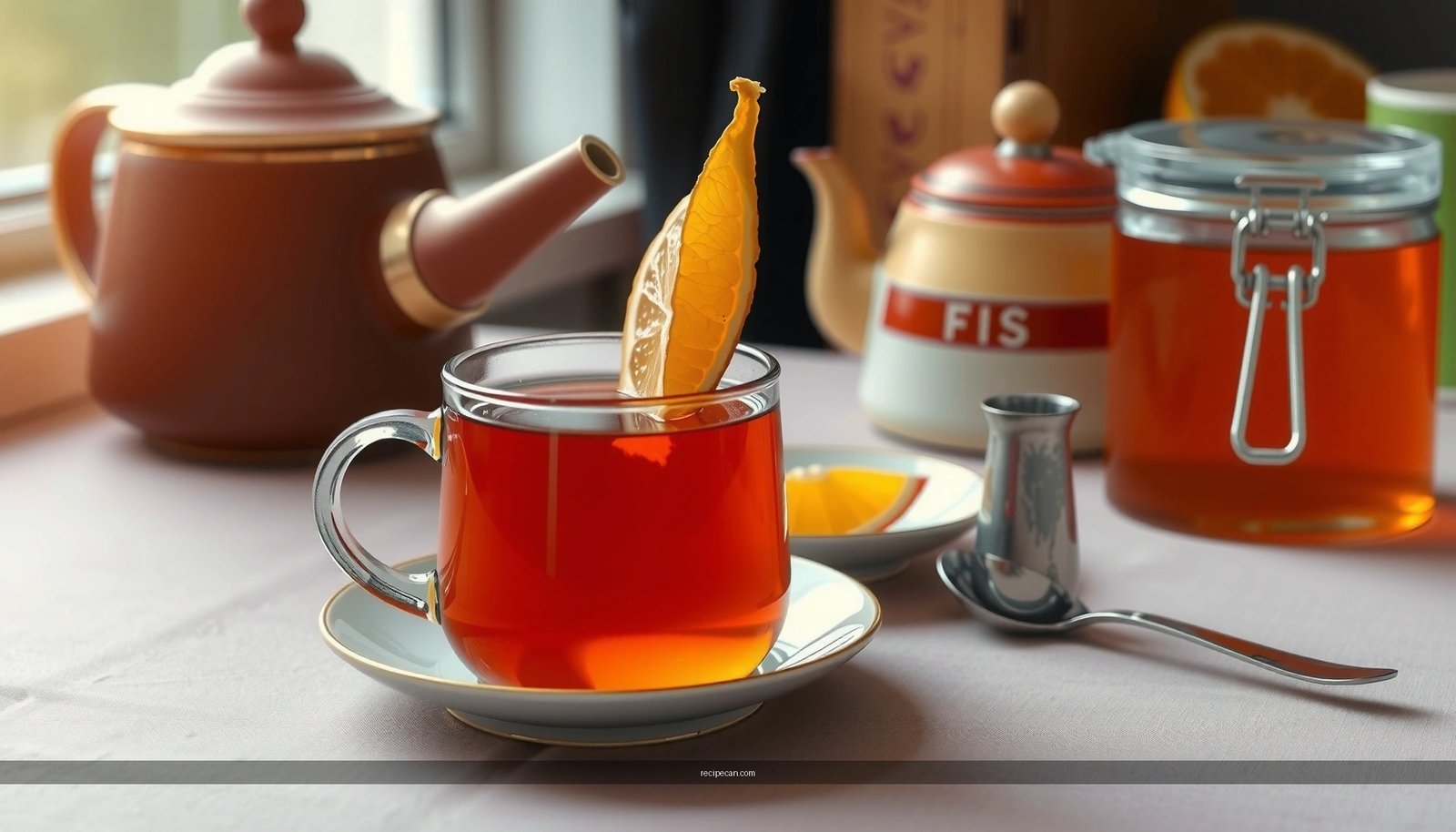
– Honey adds mild sweetness and rounds out tanglad’s herbal bite.
– Calamansi (or lime/lemon) provides acidity that can sharpen tanglad’s citrus notes and make the tea feel extra refreshing.
Quality tip: If you’re using fresh tanglad, look for stalks/leaves that are aromatic and not overly woody. For dried tanglad, ensure it smells pleasantly herbal rather than stale.
Tanglad Brew Consistency Guide (1 cup = 240 ml)
| # | Tanglad Form | Amount per Cup | Steep Time | Aroma Rating | Best For | Consistency |
|---|---|---|---|---|---|---|
| 1 | Fresh tender stalk (sliced) | 2–3 cm | 7 minutes | ★★★★☆ ★ | Bright, everyday cup | High (4.6/5) |
| 2 | Fresh stalk (bruised, whole) | 1 stalk | 8–10 minutes | ★★★★☆ ★ | Comfort after meals | High (4.4/5) |
| 3 | Fresh leaves (chopped) | 1–2 tbsp | 5–7 minutes | ★★★☆☆ ★ | Milder, lighter aroma | Medium-High (4.0/5) |
| 4 | Dried tanglad pieces | 1–1.5 tbsp | 6–8 minutes | ★★★★☆ ★ | Consistent flavor year-round | High (4.3/5) |
| 5 | Dried tanglad (extra concentrated) | 0.75–1 tbsp | 4–6 minutes | ★★★★☆ ★ | Quick, strong cup | High (4.1/5) |
| 6 | Tanglad + calamansi (after steep) | Use #1 base | 7 minutes | ★★★★☆ ★ | Refreshing iced tea | High (4.5/5) |
| 7 | Leaves-only (very small amount) | 1 tsp | 5 minutes | ★★☆☆☆ ★ | Almost tea-like aroma | Low (2.7/5) |
Step-by-Step: How to Make Tanglad Tea
This is the simplest tanglad tea recipe method—designed for consistent results and minimal equipment. It works whether you’re using fresh tanglad stalks or dried tanglad pieces.
– Boil water, then steep tanglad for 5–10 minutes
1. Measure: Add 240 ml (1 cup) water to a small pot or kettle.
2. Bring to a boil: Heat until water is actively boiling.
3. Add tanglad:
– Fresh: slice 2–3 cm stalk or bruise a small piece to help release aroma.
– Dried: use ~1–1.5 tbsp for a typical cup (adjust down if your dried tanglad is very potent).
4. Steep: Turn off heat (or reduce to low, then remove from heat) and steep for 5–10 minutes.
– Strain and adjust strength by adding more tanglad or steeping longer
1. Strain: Pour through a strainer into your cup or pitcher.
2. Taste:
– If it feels too light, steep a bit longer with the same batch ingredients (off heat).
– If it tastes right, stop there—over-steeping can make some herbal notes more pronounced than you may want.
Operational tip: If you plan to serve multiple people, brew in a small batch (e.g., 1 liter) and keep tanglad-to-water ratio consistent rather than trying to “eyeball” each cup.
Flavor and Strength Tips
Tanglad tea is all about controllable extraction. Since tanglad is aromatic and herbal, the most noticeable changes come from steep time and how much plant material you use.
– For a milder tea, use less tanglad or shorter steep time
Start with the lower end:
– Fresh: steep 5–7 minutes
– Dried: steep 4–6 minutes
Milder tanglad tea is ideal if you’re serving guests who prefer light herbal drinks or if you want something easy to sip throughout the day.
– For a stronger taste, steep longer or simmer briefly before steeping
If you want a deeper, more fragrant cup:
– Extend steeping toward 8–10 minutes
– Or do a quick approach: simmer tanglad in the boiling water for 1–2 minutes, then steep off heat for another 5–8 minutes
This can help the aroma come through more prominently without making the tea taste harsh.
Common adjustment strategy: Make one “testing cup.” Once you find your preferred tanglad strength, repeat it using the same amount and timing for your next batch.
Serving Suggestions and Best Times
Tanglad tea is versatile. It can be served hot for comfort or cooled into a refreshing iced drink. Your serving method can also influence how the aroma is perceived.
– Best served hot for warmth and aroma
Hot tanglad tea tends to deliver the full aromatic profile first—citrusy-herbal notes rise quickly as steam escapes. It’s especially popular as a calm afternoon break or a post-meal comfort drink.
– Can be cooled and served iced for a refreshing option
To make iced tanglad tea:
1. Brew normally and strain.
2. Let it cool at room temperature briefly (about 10–15 minutes).
3. Refrigerate until chilled, then pour over ice.
For extra lift, add calamansi just before serving so the brightness stays vibrant.
Pairing ideas:
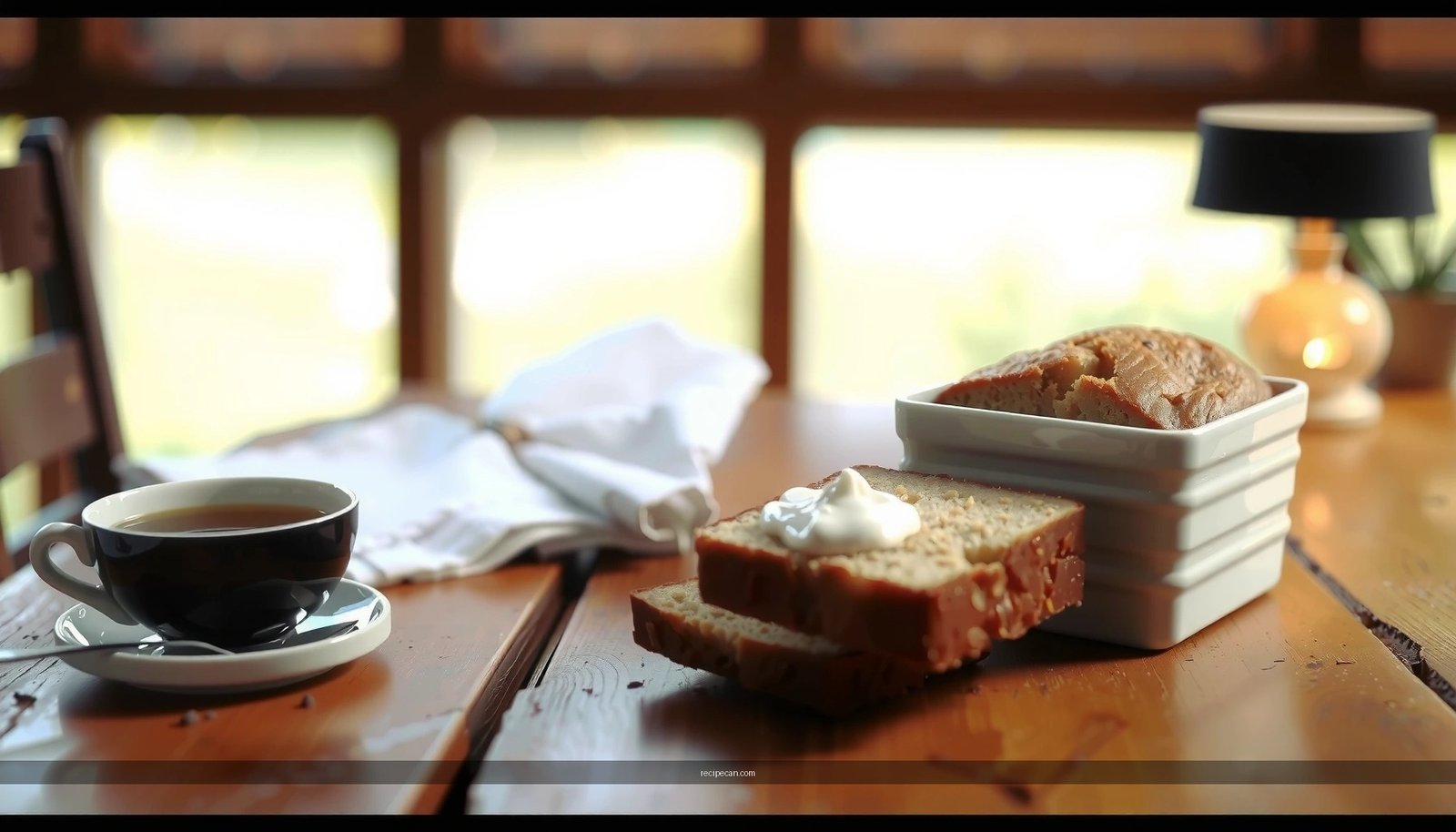
– Honey tanglad tea pairs well with light snacks (bread, pastries) because sweetness complements the aromatic citrus notes.
– Calamansi tanglad tea pairs well with meals where you want a refreshing finish.
Storage and Safety Notes
Proper storage helps preserve the tea’s aroma and protects taste quality. Herbal drinks can change flavor as they sit—so it’s best to handle leftovers thoughtfully.– Store leftover tea in a sealed container in the fridge
Once cooled, transfer tanglad tea to a sealed glass or BPA-free container and refrigerate. Use within 2–3 days for the best flavor and aromatic freshness.
– Reheat thoroughly and discard if it smells off or tastes sour
Reheat only what you plan to drink. If the tea develops an unpleasant odor, looks cloudy in an unexpected way, or tastes sharply sour, discard it. When in doubt, prioritize safety—especially if the tea has been left at room temperature for extended periods.
Hygiene note: If you’re prepping for multiple servings, keep utensils clean and avoid returning used cups back into the storage container.
Tanglad tea is a quick, comforting drink you can customize by steep time and your preferred add-ins. Follow the simple recipe, taste as you go, and make a batch to enjoy hot or iced—try it today and share your favorite tanglad tea variation.
Frequently Asked Questions
What is the best tanglad tea recipe for beginners?
A simple tanglad tea recipe starts with 1–2 fresh tanglad stalks (or 1–2 teaspoons dried tanglad), simmered in 3–4 cups of water for 10–15 minutes. Strain and serve hot, then add honey or calamansi if you prefer a sweeter, more refreshing taste. This method extracts the herbal aroma without making the tea overly strong or bitter.
How do you make tanglad tea from fresh lemongrass stalks?
Rinse and lightly bruise 1–2 fresh tanglad stalks to release the oils, then slice them into small pieces. Simmer the stalks in water for about 10–20 minutes, stirring occasionally, and strain before drinking. For a stronger tanglad tea, reduce the water slightly or simmer a few minutes longer.
Why does tanglad tea need to be simmered instead of just steeped?
Simmering helps pull out tanglad’s natural compounds more effectively from the woody stalks, especially when using fresh lemongrass. While steeping can work for dried herbs, simmering tends to produce a fuller flavor and aroma. If you want consistent results, simmer tanglad tea for at least 10 minutes.
Which tanglad tea ingredients pair well for taste and digestion?
Many people enjoy adding honey, ginger slices, or a squeeze of calamansi to tanglad tea for a brighter flavor and a more soothing profile. You can also try a small pinch of cinnamon for warmth, especially when drinking it as an evening herbal tea. Start with small amounts so the tanglad flavor remains balanced, then adjust to your preference.
How often should you drink tanglad tea, and what’s the best time to take it?
For most people, drinking tanglad tea 1–2 times daily is a common starting point, such as in the morning or early afternoon. If you’re using it as a light post-meal drink, take a cup 20–30 minutes after eating to complement digestion. If you’re pregnant, breastfeeding, or taking medications, check with a healthcare professional before using tanglad tea regularly.
References
- Cymbopogon
https://en.wikipedia.org/wiki/Tanglad - Blumea balsamifera
https://en.wikipedia.org/wiki/Blumea_balsamifera - Google Scholar Google Scholar
https://scholar.google.com/scholar?q=tanglad+tea+recipe - Google Scholar Google Scholar
https://scholar.google.com/scholar?q=Blumea+balsamifera+traditional+use+tea - Google Scholar Google Scholar
https://scholar.google.com/scholar?q=Blumea+balsamifera+ethnobotany+decoction - https://pubmed.ncbi.nlm.nih.gov/?term=Blumea+balsamifera
https://pubmed.ncbi.nlm.nih.gov/?term=Blumea+balsamifera - https://pubmed.ncbi.nlm.nih.gov/?term=Blumea+balsamifera+tea
https://pubmed.ncbi.nlm.nih.gov/?term=Blumea+balsamifera+tea - https://pubmed.ncbi.nlm.nih.gov/?term=Blumea+balsamifera+decoction
https://pubmed.ncbi.nlm.nih.gov/?term=Blumea+balsamifera+decoction - Search: Blumea balsamifera tea – NLM
https://www.ncbi.nlm.nih.gov/search/all/?term=Blumea+balsamifera+tea - Blumea balsamifera | Nature Search Results
https://www.nature.com/search?q=Blumea%20balsamifera