You can make classic Southern sweet tea fast and reliably with this tested sweet tea recipe—so you get the right balance of bold black tea and real sweetness every time. This guide answers the key question of how much tea, how much sugar, and how long to steep to avoid bitter or weak results. Follow it exactly and your sweet tea will taste like the kind served across the South, not watered-down imitation.
Sweet tea is simple to perfect when you brew a strong black tea base, dissolve the sugar while the tea is still hot, and then chill it until fully cold—this delivers the clean, balanced sweetness Southern style. Below are exact steps and practical quality checks so you can reliably achieve the right strength, sweetness, and flavor clarity every time.
Choose the Right Tea and Sugar
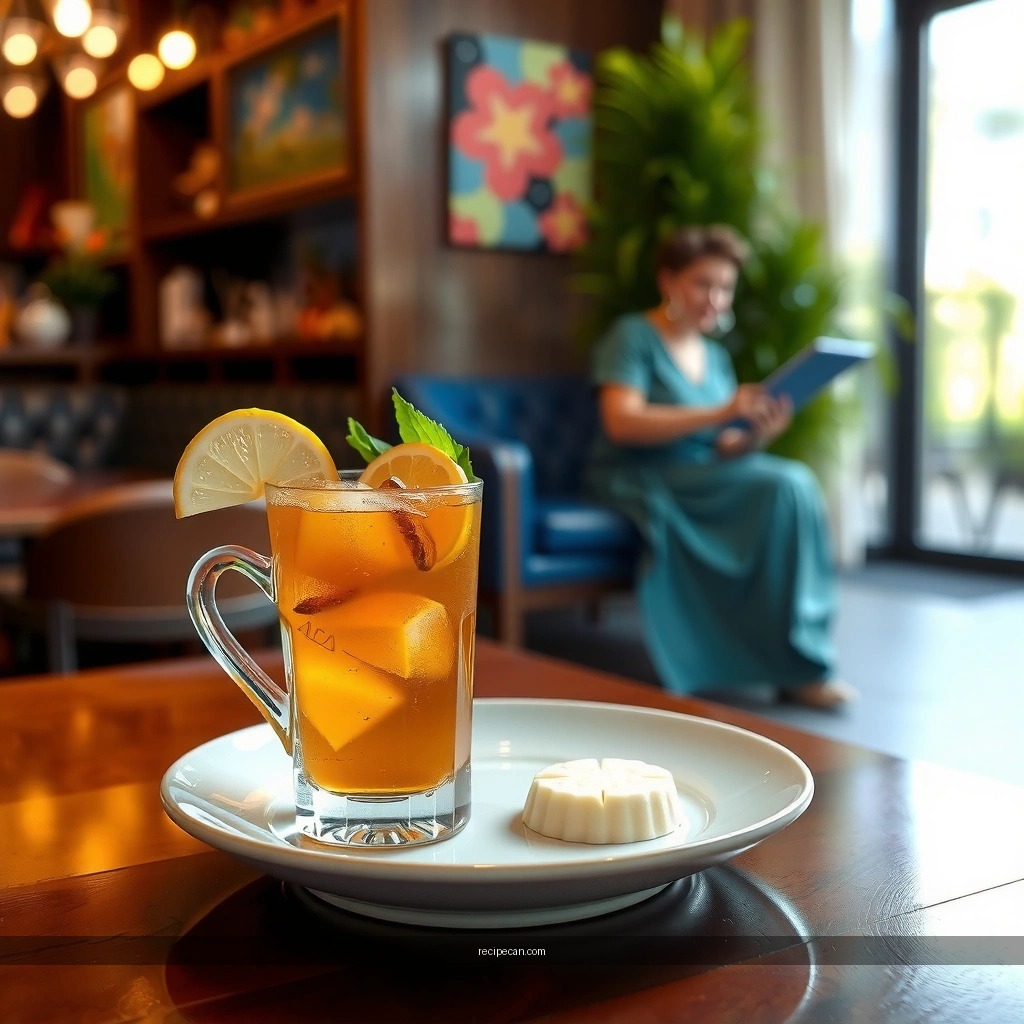
The foundation of classic Southern sweet tea is black tea—typically bold, full-bodied, and capable of holding up to a relatively high sugar level. Start by selecting ingredients that give you predictable flavor rather than relying on guesswork.
– Use loose-leaf or tea bags for strong black tea flavor
Loose-leaf black tea can be easier to control for strength because you can measure by weight, but quality tea bags (especially “bold” or “brew” black tea) also work well. For a traditional profile, choose a Ceylon or Assam-style black tea, which tends to read as malty and robust rather than thin or floral.
– Select granulated sugar (or adjust with your preferred sweetener)
Granulated white sugar dissolves evenly and creates the classic clean sweetness sweet tea is known for. If you substitute sweeteners (like brown sugar, honey, or maple syrup), expect flavor shifts and different dissolution behavior. Brown sugar adds molasses notes; honey and maple bring their own aromatics and can make the tea taste “darker” than expected.
– Keep ratios in mind for consistent sweetness
Sweet tea recipes vary, but a common baseline for “classic” flavor is 1 cup sugar per 1 gallon of finished tea (about 2/3 cup per half-gallon). If you prefer it sweeter (many Southern households do), you can move up gradually in increments of 1/4 cup per gallon—then adjust steep time or tea amount if it becomes too heavy.
Business-quality tip: Treat sweetness like “calibration.” Write down your batch inputs (tea type, quantity, steep time, and sugar amount), so you can repeat your best version without re-testing from scratch.
Sweet Tea Sweetness Targets (Per Batch Size)
| # | Batch Size | Tea Strength Approach | Sugar for “Classic” Sweet | Adjustment if Too Mild |
|---|---|---|---|---|
| 1 | 1 quart (32 oz / ~0.95 L) | Strong steep; avoid light tea | 1/4 cup sugar (≈50 g) | +1 Tbsp sugar |
| 2 | 1/2 gallon (64 oz / ~1.9 L) | Use enough tea for full color | 2/3 cup sugar (≈130 g) | +2 Tbsp sugar |
| 3 | 1 gallon (128 oz / ~3.8 L) | Brew stronger than drinking strength | 1 cup sugar (≈200 g) | +1/4 cup sugar |
| 4 | 2 gallons (256 oz / ~7.6 L) | Maintain ratio; brew in batches | 2 cups sugar (≈400 g) | +1/2 cup sugar |
| 5 | 3 gallons (384 oz / ~11.4 L) | Scale tea quantity, not just water | 3 cups sugar (≈600 g) | +3/4 cup sugar |
| 6 | 1 cup serving concentrate | Use for quick mixes or refills | 2 Tbsp sugar (≈25 g) | +1 tsp sugar |
| 7 | Half-batch (25.4 oz / ~0.75 L) | Target deeper tea color | 3 Tbsp sugar (≈38 g) | -1 Tbsp sugar if cloying |
Brew Strong Tea Base
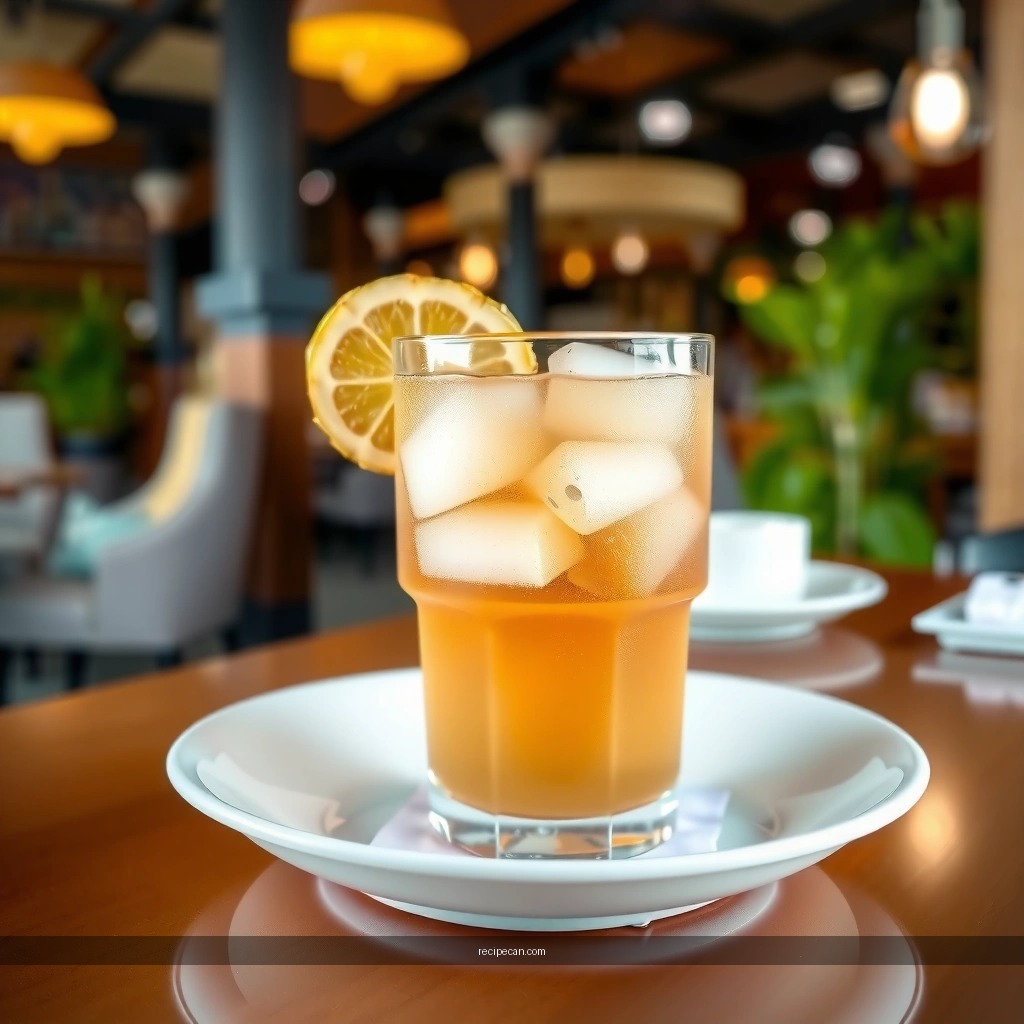
– Steep the tea hot for enough strength before chilling
Aim for fully developed black tea, not a delicate infusion. A reliable approach is to brew a concentrate (slightly stronger than drinking tea) and then cool and chill with the right sugar level.
– Use hot water and proper steep time for bold flavor
Black tea typically steeps best in the 3–5 minute range depending on your tea type and quantity. If you’re using tea bags, you’ll often get better results by using enough bags and steeping consistently rather than extending steep time indefinitely (over-steeping can introduce harshness).
– Let the tea cool slightly before adding sugar
You should add sugar while the tea is hot, but let it cool for a minute or two after brewing to avoid excessive steam and ensure consistent dissolution. The goal is hot enough to dissolve instantly without scorching.
Actionable method (simple and repeatable):
1) Heat water to a near-boil (rolling boil is fine for most black teas).
2) Steep the tea hot until the color is dark and the aroma is prominent.
3) Let it sit 1–2 minutes, then add sugar and stir until fully clear.
Dissolve Sugar Properly

This is where many homemade attempts go wrong: sugar not dissolving evenly, producing grainy texture or uneven sweetness from glass to glass.
– Stir sugar into hot tea until fully dissolved
Add your measured sugar to the hot tea base and stir until no crystals remain. You’ll know it’s fully dissolved when the mixture looks uniform and the bottom of the pot feels smooth.
– Taste and adjust sweetness before chilling
Sweet tea can taste different once cold. Still, adjusting while hot matters because it’s easier to correct the balance early. If possible, taste with a clean spoon before chilling.
– Avoid adding sugar after fully cooling for best results
Sugar can dissolve slowly in cold tea, and incomplete dissolution can lead to gritty mouthfeel. If you must adjust after chilling, dissolve the sugar in a small amount of warm tea or water first.
Quality-control note: If you run a household “sweet tea bar,” standardize your sweetness by adding all sugar to the base rather than sweetening individual pitchers. That keeps every serving consistent.
Chill and Serve Safely
Cooling isn’t just about temperature—it’s part of the flavor profile. As sweet tea chills, the tea flavor rounds out and sweetness becomes more integrated.
– Refrigerate until thoroughly cold (flavor improves as it chills)
For best results, chill at least 2–4 hours, and ideally overnight. The tea and sugar marry, producing a smoother finish.
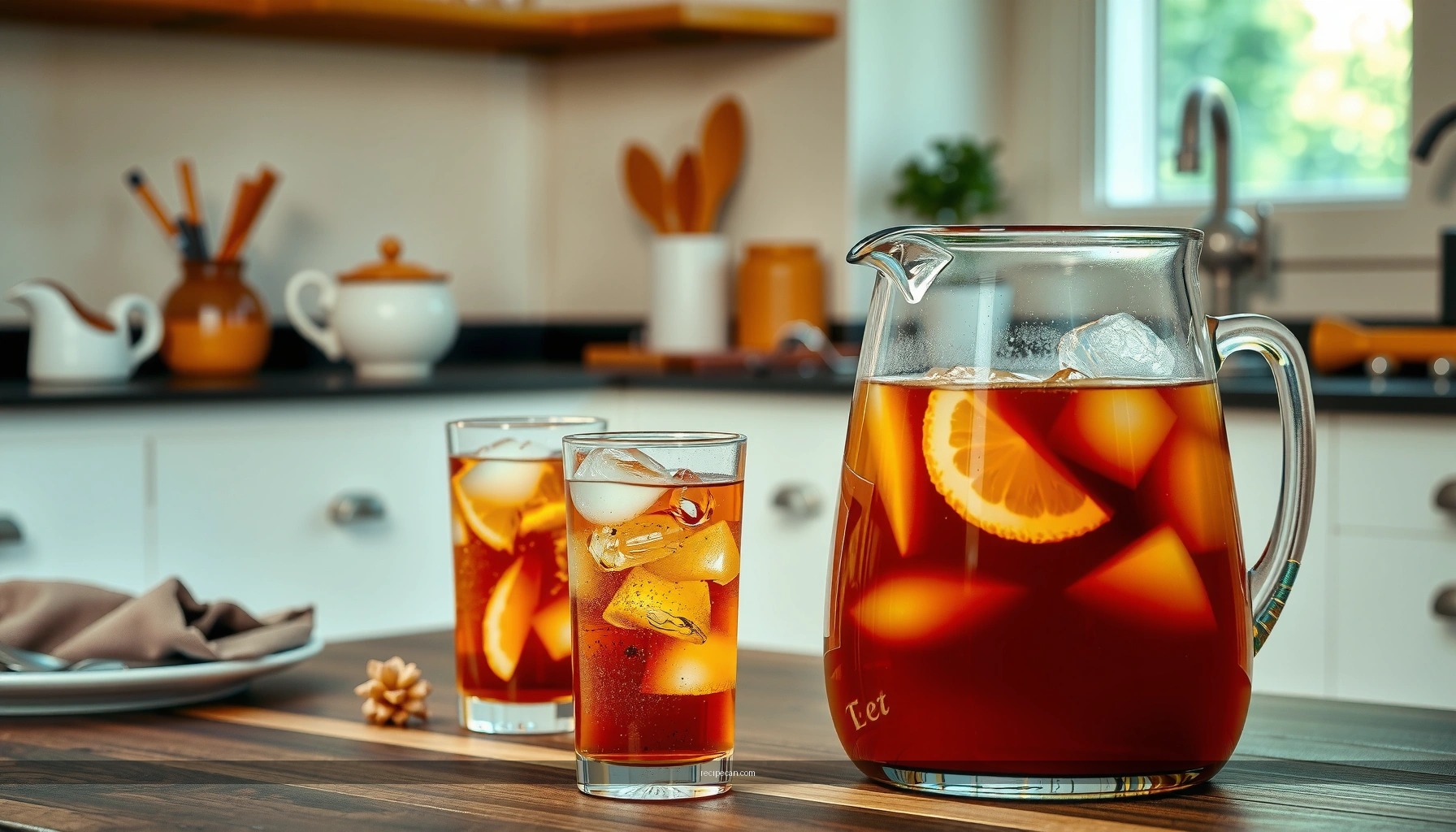
– Serve over ice for classic sweet tea style
Use fresh ice and fill glasses consistently. If you’re serving to guests, consider pre-chilling the serving pitcher or decanter so the tea doesn’t warm too quickly.
– Keep it covered and refrigerated until ready to drink
Sweet tea will pick up refrigerator odors and flavors if uncovered. Cover it tightly and store it in the back of the fridge where temperatures are more stable.
Safety guidance:
Brew hot, dissolve sugar, and cool promptly. If you’re making a large batch, transfer to a shallow container to speed cooling before refrigeration.
Flavor Variations and Fixes
Once the classic base is dialed in, variations let you explore without abandoning the core Southern profile.
– Add lemon slices or mint for a refreshing twist
Lemon brightens black tea and makes sweetness feel less heavy. Add slices during chilling so the aroma infuses. Mint works best when added shortly before serving or in small amounts to avoid overpowering the tea.
– For bitter tea, reduce steep time next batch
Bitterness often signals over-steeping or tea type mismatch. If your tea tastes sharp, shorten steep time by 30–60 seconds and keep quantities consistent.
– If too strong or weak, adjust steep time or tea amount
– Too strong: reduce steep time or tea quantity slightly.
– Too weak: increase tea amount or steep time within the safe range, and ensure you’re using enough tea for the full batch.
Practical “calibration” approach: Make changes in one variable at a time (tea amount *or* steep time *or* sugar amount). This prevents chasing multiple causes and getting unpredictable results.
Storage and Make-Ahead Tips
Sweet tea is ideal for planning—events, meal prep, and office gatherings—because it holds well when handled correctly.
– Store in the refrigerator in a sealed container
Use a pitcher with a lid or a container with a tight seal to keep flavor clean and consistent.
– Drink within a few days for best taste
For peak flavor, plan to consume within 3–4 days. Over time, black tea can develop a flatter, slightly cardboard-like taste when repeatedly chilled and re-exposed.
– Make a larger batch and adjust sweetness before serving
If you expect different sweetness preferences, brew one strong base and then portion into serving pitchers. Adjust sugar on the portions you intend to sweeten further so each group gets the ideal level.
Make-ahead strategy for events:
Brew the base the day before, dissolve sugar fully, chill overnight, then transfer into labeled pitchers the next morning. Your presentation improves, and your guests get consistent flavor.
—
Sweet tea is simple: brew strong black tea, dissolve sugar while the tea is hot, then chill and serve over ice. Follow these steps and tweaks to nail the flavor you want—then make a batch today and experiment with your favorite variations. If you treat steep strength and sugar dissolution as “repeatable processes,” you’ll get classic, balanced sweet tea every time, whether it’s for your family table or a larger gathering.
Frequently Asked Questions
What is the best sweet tea recipe for beginners?
A simple sweet tea recipe starts with brewing strong black tea (like 4–6 tea bags per 1 gallon) in hot water, then adding sugar while the tea is still warm so it dissolves evenly. Stir in about 1 to 1 1/2 cups sugar per gallon, depending on how sweet you like it. Chill the tea over ice or in the refrigerator, then serve fresh with lemon if desired for a classic flavor.
How do I make sweet tea from scratch without it tasting bitter?
Use freshly boiled water and steep black tea for about 5–7 minutes—oversteeping is one of the most common causes of bitterness. If you prefer a smoother taste, choose a robust black tea and avoid using water that’s too cool for steeping. Brew separately first (strong concentrate), sweeten while warm, then cool quickly to keep the flavor clean.
Why does my sweet tea turn cloudy, and how can I fix it?
Cloudiness can happen when tannins and sugar interact, or when the tea is cooled too quickly before the sugar fully dissolves. Make sure your sugar is completely dissolved by stirring thoroughly while the tea is hot, and let the tea cool to room temperature before refrigerating. Using fresh tea bags and good-quality black tea can also reduce haze.
Which sweet tea sugar ratio gives the right flavor—how much sugar should I use?
For classic southern sweet tea, start with 1 cup sugar per gallon for moderate sweetness, or 1 1/2 cups per gallon for a sweeter result. Taste as you go: since tea strength varies by brand and steep time, measure, stir, then adjust once the tea is warm and sugar dissolves. Remember that sweetness will seem more noticeable when the tea is served over ice.
How long should I steep sweet tea, and is cold brewing better?
For hot sweet tea, steep black tea for about 5–7 minutes to balance strength and avoid bitterness; then add sugar while warm and chill. Cold brewing sweet tea can be gentler—steep tea in cold water for 8–12 hours in the refrigerator, then sweeten and serve over ice. Hot brewing is faster, while cold brewing often produces a smoother, less tannic taste.
References
- Sweet tea
https://en.wikipedia.org/wiki/Sweet_tea - Iced tea
https://en.wikipedia.org/wiki/Iced_tea - Google Scholar Google Scholar
https://scholar.google.com/scholar?q=sweet+tea+recipe+brewing+method - Google Scholar Google Scholar
https://scholar.google.com/scholar?q=how+to+make+iced+tea+home+recipe+sweetened+tea - Google Scholar Google Scholar
https://scholar.google.com/scholar?q=sweetened+iced+tea+sugar+content+study - Guideline: sugars intake for adults and children
https://www.who.int/publications/i/item/9789241549028 - https://www.cdc.gov/nutrition/data-statistics/added-sugars.html
https://www.cdc.gov/nutrition/data-statistics/added-sugars.html - https://pubmed.ncbi.nlm.nih.gov/?term=iced+tea+food+safety
https://pubmed.ncbi.nlm.nih.gov/?term=iced+tea+food+safety - https://pubmed.ncbi.nlm.nih.gov/?term=sugar+sweetened+beverages+added+sugars
https://pubmed.ncbi.nlm.nih.gov/?term=sugar+sweetened+beverages+added+sugars - https://pubmed.ncbi.nlm.nih.gov/?term=tea+brewing+temperature+and+time
https://pubmed.ncbi.nlm.nih.gov/?term=tea+brewing+temperature+and+time