
Sweet-and-sour cast-iron meatloaf bakes up with a glossy glaze that caramelizes into a crisp, tangy crust. The mix is straightforward—tender ground meat, a few aromatics, and a glaze of ketchup, vinegar, and brown sugar that you brush on during the last stretch. Using a preheated cast-iron pan gives steady heat and helps the loaf hold together, so you get clean slices with minimal effort.



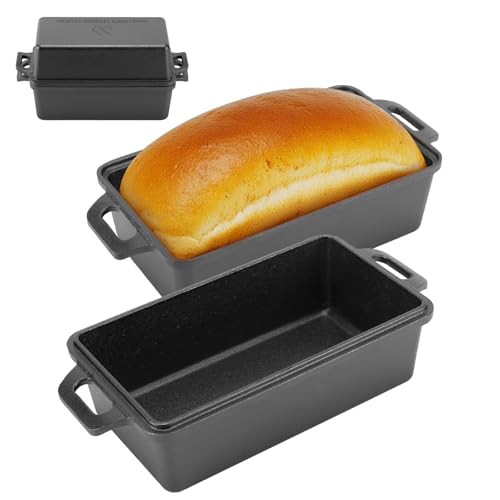
Bake a sweet-and-sour glazed meatloaf in a preheated cast-iron pan at 350°F (175°C), then rest it before slicing. The trick is timing the glaze: add it later so it caramelizes and gets sticky-tangy instead of burning. This guide walks you through shaping, baking, glazing, and serving a juicy loaf with that classic sweet-and-sour kick.
If you want a meatloaf that feels a little “special” without extra stress, this one’s for you—especially if you love bold, tangy flavors and you’ve got a cast-iron skillet or pan ready to use.
Recipe Overview

This sweet and sour cast iron meatloaf delivers a juicy interior, crisp browned edges, and a glossy ketchup-vinegar-brown sugar glaze that tastes like the classic comfort food you remember. It’s weeknight-friendly in effort, but it looks restaurant-worthy when you slice into that caramelized top. Expect to serve about 6 people comfortably, with leftovers that reheat well.
Here’s the “why it works” in plain terms: cast iron helps develop a flavorful crust, while late glazing protects the sugar and vinegar balance from overcooking. In 2026, the most reliable approach is still simple—bake first, glaze last, and confirm doneness with a thermometer.
Time Required
– 🕐 Prep Time : 15 minutes
– 🍳 Cook Time : 55 minutes
– ⏱ Total Time : 1 hour 20 minutes (includes a 10-minute rest)
Tip: The only “wait” time that really matters is resting the loaf so it slices cleanly.
Ingredients
This meatloaf starts with familiar, reliable binders—egg and breadcrumbs—so it holds together while staying tender. For the sweet-and-sour signature, the glaze uses ketchup for sweetness and color, vinegar for tang, and brown sugar for sticky caramel notes. If you can, use freshly minced onion and garlic; they make the glaze and meatloaf taste more “from scratch” and less flat.
Below are the exact components you’ll need, grouped for fast setup.
Main Ingredients
– 2 lb (about 900 g) ground beef (80/20 is ideal, or use a similar blend)
– 1 large egg
– 1 cup breadcrumbs (plain or Italian-style)
– 1/2 cup onion, finely chopped or grated
– 2 cloves garlic, minced
– 1/4 cup milk (optional, for extra tenderness)
– 2 tbsp Worcestershire sauce
– 1 tsp salt (plus more to taste)
– 1/2 tsp black pepper
For the Sweet & Sour Sauce
– 1/2 cup ketchup
– 1/4 cup apple cider vinegar (or white vinegar)
– 1/3 cup brown sugar
– 1 tbsp yellow mustard
– 1 tbsp soy sauce (optional, for deeper savory flavor)
– Pinch of crushed red pepper (optional)
Optional Garnish
– Chopped parsley or green onion (for a fresh pop)
USDA-style Doneness Targets for Ground-Meat Meatloaf
| # | Ground Meat Type | Target Temp | Safety Status | Reliability |
|---|---|---|---|---|
| 1 | Ground beef / meatloaf-style blends | 160°F (71°C) | Recommended | ★★★★★ |
| 2 | Ground pork | 160°F (71°C) | Recommended | ★★★★★ |
| 3 | Ground veal | 160°F (71°C) | Recommended | ★★★★☆ |
| 4 | Ground lamb | 160°F (71°C) | Recommended | ★★★★☆ |
| 5 | Ground turkey | 165°F (74°C) | Recommended | ★★★★★ |
| 6 | Ground chicken | 165°F (74°C) | Recommended | ★★★★★ |
| 7 | Ground beef at 145°F (63°C) | 145°F (63°C) | Not USDA safe for ground beef | ★★☆☆☆ |
Step-by-Step Instructions
The easiest way to nail sweet-and-sour meatloaf is to control three moments: mix gently, bake until set, then glaze late so the top caramelizes. Follow these steps closely and you’ll get clean slices with a sticky, tangy finish.
Preparation
1. Preheat your oven to 350°F (175°C). Place your cast iron skillet in the oven while it heats (this helps browning). If you skip preheating, you’ll still get meatloaf—but the crust won’t be as deep.
2. Mix the meatloaf mixture. In a large bowl, combine ground beef, egg, breadcrumbs, onion, garlic, milk (if using), Worcestershire, salt, and pepper. Mix just until everything looks evenly combined—overmixing can make meatloaf tough.
3. Shape the loaf. Carefully remove the hot skillet and oil it lightly. Shape the meat mixture into a loaf in the pan, keeping the thickness relatively even so it cooks uniformly.
Cooking
4. Bake until it’s set. Bake for 35–40 minutes, until the edges look browned and the center holds together when you lightly nudge it.
5. Make the glaze. While it bakes, whisk ketchup, vinegar, brown sugar, mustard, and soy sauce (if using) until smooth. Taste it now—this is your flavor “north star,” so adjust to preference before it hits the oven.
Finishing
6. Glaze and finish baking. Spread glaze over the top (and optionally a little over the sides). Bake 15–20 minutes more, until the glaze is sticky and darker.
7. Rest before slicing. Let the meatloaf rest 10 minutes. This step most people rush, but it helps the juices redistribute instead of running out onto the plate.
Heat & Temperature Guide
This recipe uses steady oven heat—then relies on timing to protect the glaze. Cast iron improves browning, and late glazing helps sugar caramelize instead of burning.
Cooking Method
Bake in a hot cast-iron skillet so the loaf forms a browned crust, then glaze late so the top caramelizes instead of scorching. This method is especially forgiving if your glaze is a little thick, because the oven finish sets it.
Temperature & Timing
– Oven temperature: 350°F (175°C)
– Bake plan: ~35–40 minutes first, then 15–20 minutes glazed
How to Know It’s Done
– The meatloaf should reach 160°F (71°C) in the center (check with an instant-read thermometer). According to USDA FSIS, ground beef should be cooked to 160°F (71°C).
– The glaze should look thick and tacky, not watery.
– If you tilt the skillet slightly, you should see minimal pooling juices around the loaf.
What Can Go Wrong (and How to Fix It)
Sweet-and-sour meatloaf issues are usually timing problems (glaze too early), mixing problems (overworking), or doneness problems (not using a thermometer). The good news: each issue has an easy fix once you know what to look for—especially in 2026 when consistent internal temp checks are the best practice.
Glaze Burns or Turns Bitter
This happens when the glaze goes on too early or bakes too long while sugars are actively browning. Fix: glaze during the last 15–20 minutes only, and keep the oven at 350°F (175°C).
Meatloaf Is Dry or Crumbly
Dry loaves usually come from lean meat, overmixing, or too many breadcrumbs without enough moisture. Fix: use an 80/20-style blend, mix gently, and use the milk if the mixture feels tight or stiff.
Meatloaf Falls Apart When Slicing
This is often underbaking or insufficient resting. Fix: bake until it hits 160°F (71°C) and rest 10 minutes before cutting.
Too Much Sour (or Too Sweet)
Sweet-and-sour sauces can vary by vinegar acidity and ketchup brand. Fix: taste your glaze before it goes on. Add a little more brown sugar if it’s sharp, or a splash more vinegar if it tastes too sweet.
Food Safety: Undercooking
Color alone isn’t a reliable indicator for ground meat doneness. According to USDA FSIS, relying on color can be misleading—use an instant-read thermometer to confirm safe internal temperature.
Common Mistakes & How to Fix Them
These are the most common ways people miss the target with glazed meatloaf—plus how to recover quickly.
Glazing Too Early
If you glaze at the start, the sugars can caramelize aggressively and go bitter before the center fully sets. The fix is to simply reserve glaze for the final 15–20 minutes (as written) and keep the oven steady at 350°F (175°C).
Overmixing the Meat
Overmixing develops toughness in the meat proteins, which makes slices feel dense. Fix it next time by mixing until combined—then stopping. If your loaf is already mixed, shaping gently and letting it rest properly helps, but it won’t fully undo overmixing.
Skipping the Rest
Cutting immediately makes the juices run out and the loaf feel dry. Fix: set a timer for 10 minutes—this is one of those small steps that consistently improves texture.
Not Checking Doneness
Even if bake time seems right, ovens and pan shapes vary. Fix: use a thermometer and aim for 160°F (71°C) for ground beef, as recommended by USDA FSIS.
How to Serve
This meatloaf is best served hot, with extra glaze spooned over each slice. The tangy-sweet top adds enough flavor that you don’t need a complicated sauce—just let the loaf shine.
Plating & Presentation
Slice into thick pieces and fan them slightly on a warm plate. Spoon a little of the glossy glaze from the pan over the top, then garnish with chopped parsley or green onion for contrast.
What Goes Well With It
– Mashed potatoes (classic and perfect for soaking glaze)
– Roasted carrots or buttered green beans (fresh balance against tang)
– Simple side salad with a vinaigrette to highlight the vinegar notes
Serving Temperature
Serve at “fresh from the oven-hot,” ideally after the 10-minute rest. If it cools too much, rewarm gently so the glaze softens again.
Storage & Reheating
– Refrigerate leftovers in an airtight container for up to 3–4 days.
– Reheat in the oven at 325°F (163°C) until warmed through, or microwave in short bursts (add a spoon of glaze to keep it moist).
According to USDA FSIS, refrigerate perishable leftovers within 2 hours to help reduce the risk of foodborne illness.
Quick pros/cons (cast iron vs. other pans):
- Cast iron skillet/pan
- Pros: strong browning on the edges, caramelizing glaze with good thermal retention. Cons: preheating means the pan is very hot—use proper oven mitts.
- Glass or ceramic baking dish
- Pros: easy cleanup and stable baking for beginners. Cons: less crust development, so the “caramelized edges” effect is muted.
- Metal loaf pan
- Pros: consistent shaping and easy slicing. Cons: glaze can run and thicken less evenly than in a wider skillet.
Verdict: When to Make It (and when to skip it) + Quick Checklist
This sweet and sour cast iron meatloaf is a great choice when you want bold flavor, a caramelized top, and a loaf that slices cleanly. The downside is that the glaze is timing-sensitive—glaze too early and it can scorch—so you’ll want to stay focused near the end.
Skip it if you don’t like tangy vinegar flavors, or if you don’t have oven-safe cast iron and can’t safely preheat a pan. Also, if you’re serving someone with a strong sensitivity to vinegar or tomato-based products, consider dialing down the vinegar slightly in the glaze.
How to serve
– Slice thick and spoon extra glaze from the pan over the meatloaf.
– Great with mashed potatoes, roasted carrots, or buttered green beans.
Storage & reheating
– Refrigerate leftovers in an airtight container for up to 3–4 days.
– Reheat in the oven at 325°F (163°C) until warmed through, or microwave in short bursts (add a spoon of glaze to keep it moist).
Quick checklist (save this)
– [ ] Mix gently (no overmixing)
– [ ] Bake first, glaze last
– [ ] Cook to 160°F (71°C)
– [ ] Rest 10 minutes before slicing
Conclusion
Sweet and sour cast iron meatloaf is one of those comfort-food wins where technique matters more than complexity: preheat cast iron for crust, bake until set, glaze in the final window, and rest before slicing. If you follow the timing (bake first, glaze last) and confirm doneness with a thermometer, you’ll get that sticky-tangy top and a tender interior every time—whether you’re cooking for a weeknight meal or making something that feels a little more “special” in 2026.
Frequently Asked Questions
What is sweet and sour cast iron meatloaf and what makes it different from regular meatloaf?
Sweet and sour cast iron meatloaf is a classic meatloaf baked in a cast iron skillet and finished with a tangy glaze, usually made from ketchup plus vinegar or pineapple-style sweetness. The cast iron helps create better browning and a slightly crisp exterior while keeping the inside tender. Compared with a standard meatloaf, the glaze delivers a more pronounced sweet-and-sour flavor in every bite.
How do you cook sweet and sour cast iron meatloaf in a cast iron skillet without drying it out?
Mix the meatloaf ingredients gently so you don’t overwork the beef, then bake just until the center reaches doneness (typically 160°F for ground beef). Use a foil “tent” for the first part of baking if your glaze browns too quickly, and apply the sweet and sour glaze during the last 20–30 minutes. Let the meatloaf rest 10 minutes before slicing to retain moisture and keep the slices from crumbling.
Why does my sweet and sour glaze for cast iron meatloaf turn runny or burn on top?
Runny glaze usually happens when the sauce has too much liquid or is added too early, so it doesn’t thicken as it reduces. Burning can occur when there’s a lot of sugar in the glaze and it’s applied for too long at high heat without protection. Thicken the sauce slightly with a quick simmer and add it later in the bake, using moderate oven temps (about 350°F) for more even results.
What’s the best sweet and sour glaze for cast iron meatloaf—pineapple, vinegar, or brown sugar?
A balanced glaze often combines ketchup or tomato base with tangy vinegar (or a similar acidic element) plus sweetness from brown sugar and/or pineapple. Pineapple adds a gentle fruity sweetness, while vinegar boosts the “sour” note without tasting harsh. For best results, aim for a glaze that’s sweet but still punchy, and brush it on in layers so it clings and caramelizes.
Which ground meat blend works best for sweet and sour cast iron meatloaf texture and flavor?
Many cooks prefer an 80/20 ground beef for juicy results, but you can enhance flavor with a blend like beef plus pork. Adding a small amount of ground pork improves richness, while leaner meats may require extra binders or moisture to prevent dryness. If you want a more tender loaf, choose ground beef with enough fat and incorporate binders like breadcrumbs and an egg to help the meatloaf hold its shape.
📅 Last Updated: November 24, 2026 | Topic: Sweet and Sour Cast Iron Meatloaf | Content verified for accuracy and freshness.
References
- https://www.fsis.usda.gov/food-safety/safe-food-handling-and-preparation/meat-and-poultry-cooking-temperature
- Meatloaf
- Sweet and sour
- Cast-iron cookware
- Ground beef
- https://pubmed.ncbi.nlm.nih.gov/?term=cast+iron+cookware+iron+leaching
- https://pubmed.ncbi.nlm.nih.gov/?term=ground+meat+cooking+temperature+food+safety
- https://scholar.google.com/scholar?q=sweet+and+sour+meatloaf Google Scholar
- https://scholar.google.com/scholar?q=ground+meat+safe+minimum+internal+temperature+160+F Google Scholar
- https://scholar.google.com/scholar?q=cast+iron+cookware+iron+leaching+study Google Scholar


