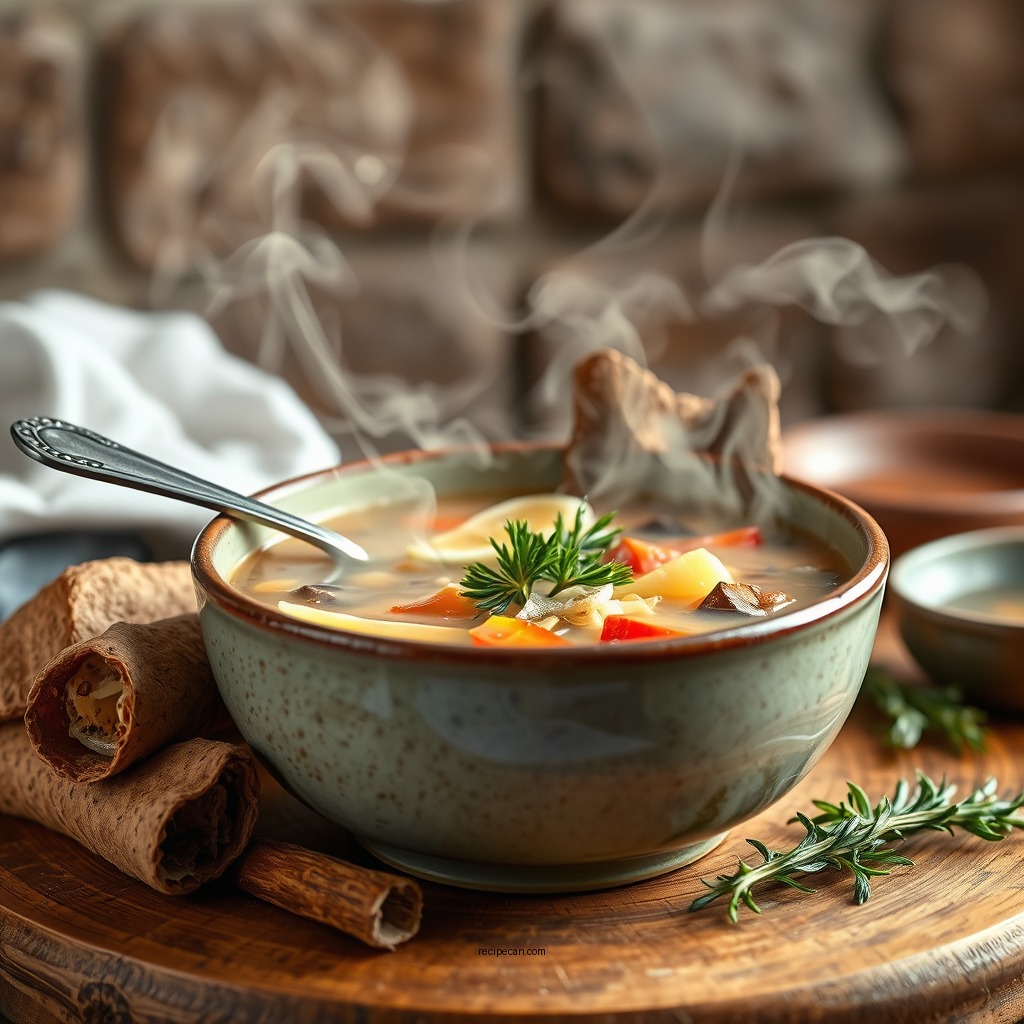
Making stone soup is a delightful way to create a hearty meal using simple ingredients, just like in the classic story. This recipe not only offers a delicious dish but also encourages creativity and sharing, as you can customize it with whatever you have on hand. Here’s how to make your own stone soup!
The Story Behind Stone Soup
The tale of stone soup is a timeless fable, often attributed to various cultures and retold in countless versions. At its core, the story illustrates the importance of collaboration, generosity, and community spirit. A hungry traveler arrives in a village and, upon finding no one willing to share their food, decides to make soup using just a stone, water, and some salt. As he begins to “cook,” villagers become intrigued and start contributing ingredients from their own supplies, transforming the simple broth into a nourishing meal for everyone.
The significance of the stone in this story symbolizes the power of collaboration; it represents how a shared effort can yield something far greater than individual contributions. This moral resonates strongly today, reminding us of the value of community and cooperation, especially in times of need. The stone soup recipe serves not only as a meal but as a metaphor for how we can come together to create something meaningful from seemingly little.
Essential Ingredients for Stone Soup
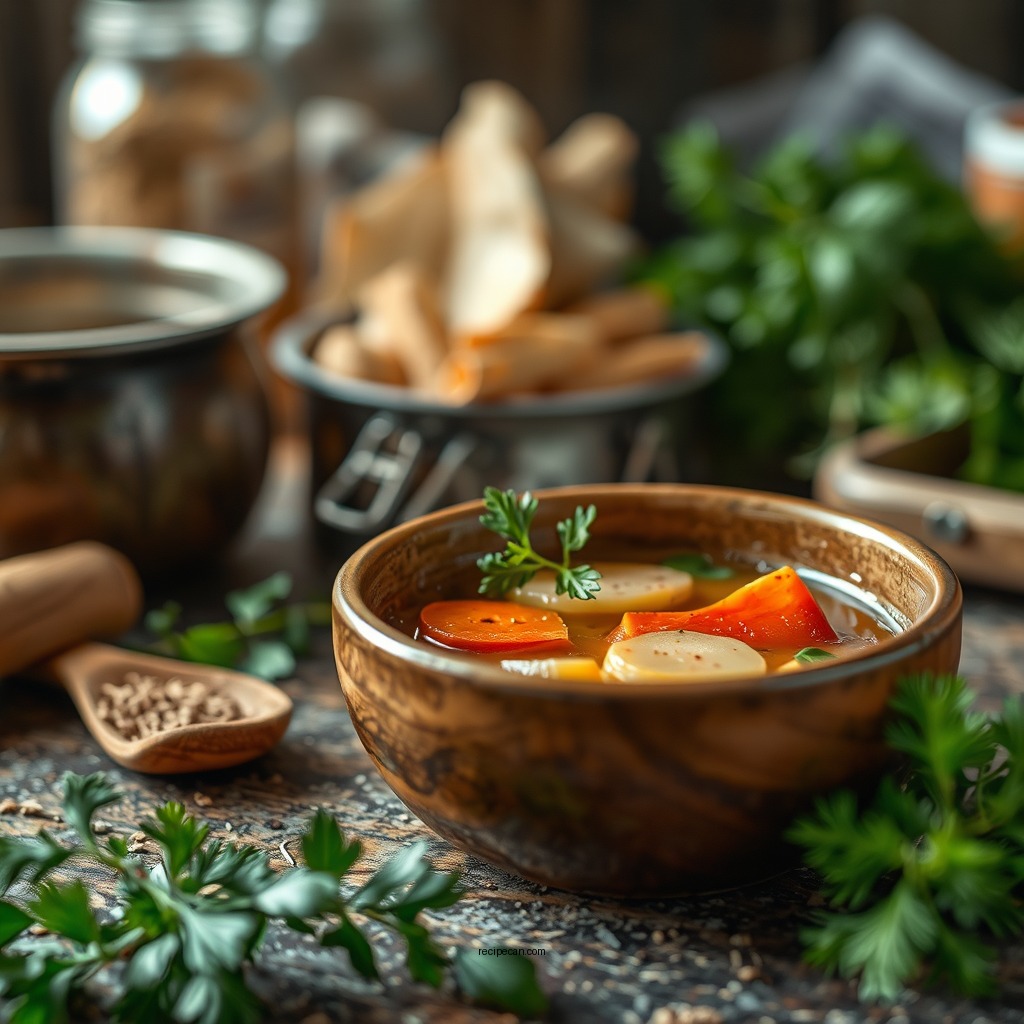
Creating your own stone soup requires very few ingredients, making it an accessible option for anyone. Here are the basic components you will need:
– Basic Ingredients:
– A clean, smooth stone (ensure it is thoroughly washed)
– Water (enough to fill your pot)
– Salt (to enhance the flavor)
– Optional Additions: The beauty of stone soup lies in its flexibility. You can add any of the following based on what you have available or what you prefer:
– Vegetables: carrots, potatoes, onions, celery, or any other seasonal vegetables.
– Herbs: bay leaves, thyme, rosemary, or parsley for added depth of flavor.
– Proteins: beans, lentils, chicken, or beef can be included for a heartier version.
– Grains: rice, pasta, or barley can make the soup more filling.
Step-by-Step Instructions
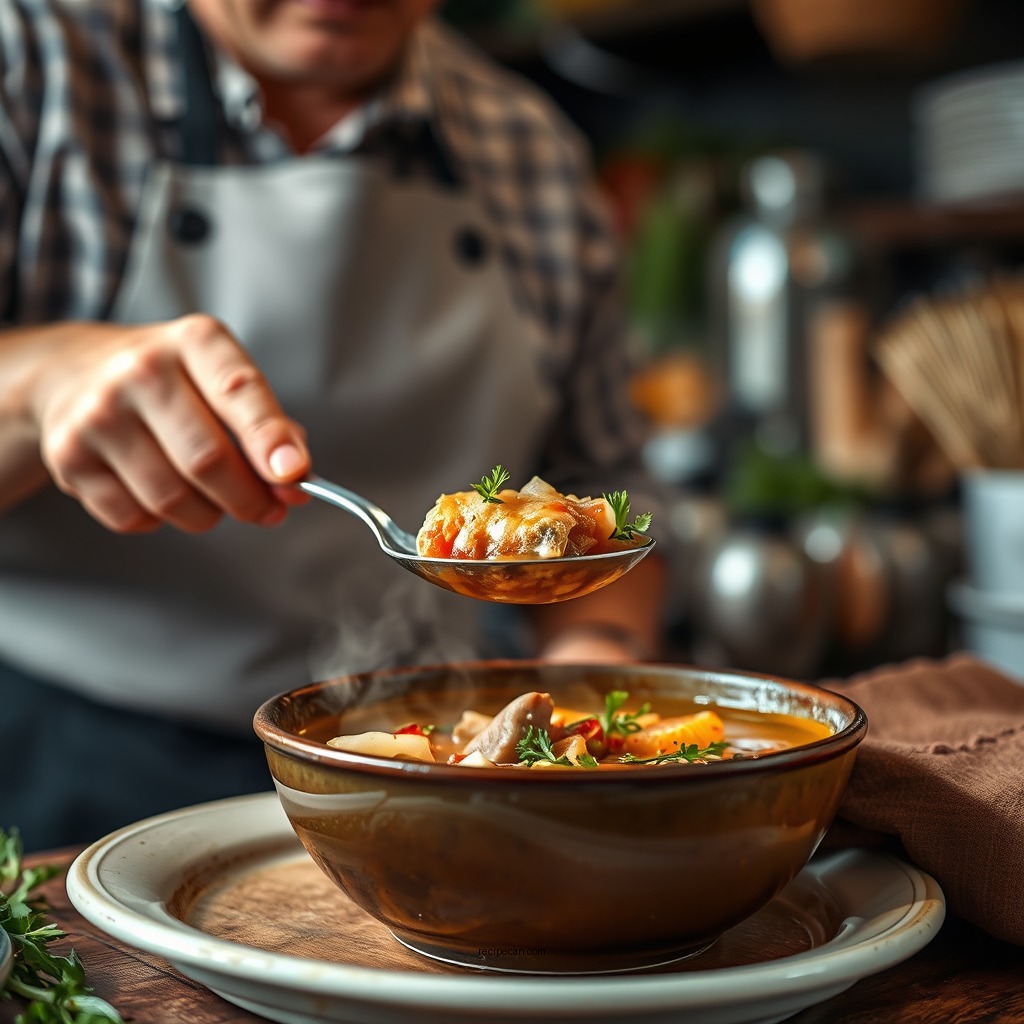
1. Prepare the Base: Start by placing the clean stone in a large pot filled with water. Bring the water to a boil over medium heat.
2. Season the Soup: Once the water is boiling, add a pinch of salt. This initial seasoning will lay the groundwork for the flavors to develop.
3. Add Hardy Vegetables: Begin by adding the hardest vegetables first, as they take the longest to cook. Carrots, potatoes, and onions should go in at this stage. Allow them to simmer for about 15-20 minutes.
4. Incorporate Softer Ingredients: After the hardy vegetables have softened, add the softer vegetables, herbs, and any proteins you want to include. Continue to simmer the soup for another 10-15 minutes, tasting and adjusting the seasoning as necessary.
5. Final Touches: If you’re using grains, add them in the final stages of cooking according to their cooking time, ensuring they are fully cooked before serving.
6. Serve with a Story: Once the soup is ready, remove the stone (you can even share the tale of how the soup came together). Serve hot, garnished with fresh herbs if you like.
Top Ingredients for Stone Soup (2024)
| # | Ingredient | Common Usage (%) | Nutritional Value |
|---|---|---|---|
| 1 | Carrots | 65% | Vitamin A |
| 2 | Potatoes | 50% | Potassium |
| 3 | Onions | 70% | Vitamin C |
| 4 | Celery | 45% | Vitamin K |
| 5 | Beans | 40% | Protein |
| 6 | Chicken | 30% | Lean Meat |
| 7 | Herbs | 35% | Flavor |
Ingredient Contribution in Stone Soup (%)
Creative Variations of Stone Soup
While the traditional stone soup is versatile, it offers a canvas for culinary creativity. Around the world, various cultures have their versions of stone soup, each showcasing local flavors. For instance:
– French Ratatouille Stone Soup: Incorporate Mediterranean vegetables like zucchini, eggplant, and bell peppers, seasoned with herbs de Provence.
– Italian Minestrone Style: Add pasta, cannellini beans, and a splash of tomato sauce for a heartier, Italian-inspired dish.
– Asian-Inspired Stone Soup: Use miso paste, tofu, and bok choy for a warming, umami-rich soup.
Seasonal ingredients can inspire variations as well. In the autumn, add squash and root vegetables; in the spring, include fresh peas and asparagus. The adaptability of stone soup means you can tailor it to your pantry and preferences, making it a perfect dish for any occasion.Tips for Making the Best Stone Soup
To ensure your stone soup is packed with flavor and nutrition, consider the following tips:
– Seasoning Is Key: Taste your soup as it cooks and adjust the seasoning. A well-seasoned soup can elevate the simplest of ingredients into something extraordinary.
– Use Fresh Ingredients: Whenever possible, use fresh vegetables and herbs. Fresh produce not only enhances flavor but also nutritional value.
– Involve Others: Stone soup is inherently a communal dish. Invite family or friends to join you in the cooking process. Everyone can bring an ingredient, fostering a sense of community and collaboration.
– Mind the Cooking Times: Different ingredients have varying cooking times. Add ingredients in stages to ensure everything is perfectly cooked.
Serving Suggestions
Stone soup can be enjoyed on its own or paired with various side dishes for a complete meal. Here are some serving suggestions:
– Crusty Bread: Serve with slices of freshly baked bread or rolls for dipping.
– Salads: A light, crisp salad can complement the hearty nature of the soup. Consider a simple green salad with a vinaigrette dressing.
– Garnishes: Fresh herbs, a drizzle of olive oil, or a sprinkle of grated cheese can enhance presentation and flavor.
When serving, consider using rustic bowls to evoke the story’s communal spirit.
Creating your own stone soup is not just about the end result; it’s an experience that encourages sharing, creativity, and collaboration. By using simple ingredients and engaging with others, you can craft a delightful meal that nourishes the body and soul.
In summary, stone soup is a unique recipe that embodies community, creativity, and adaptability. With its rich symbolism and endless variations, it invites you to explore the ingredients available to you, transforming a simple pot of water and a stone into a nourishing meal. We encourage you to gather your ingredients and try making your own stone soup, sharing the experience with friends and family, and creating your own version of this timeless tale.
Frequently Asked Questions
What are the main ingredients needed for a stone soup recipe from the book?
The classic stone soup recipe from the book typically includes a stone, water, and a variety of vegetables and seasonings that can be added based on what is available. Common ingredients include carrots, potatoes, onions, and herbs. The beauty of this recipe lies in its adaptability; you can use whatever vegetables you have on hand to create a flavorful dish.
How can I make my stone soup more flavorful?
To enhance the flavor of your stone soup, consider sautéing onions and garlic in olive oil before adding water and the stone. Additionally, using vegetable or chicken broth instead of plain water can significantly elevate the taste. Don’t forget to season with salt, pepper, and fresh herbs to bring out the best flavors.
Why is the stone soup recipe considered a great teaching tool for children?
The stone soup recipe is often used as a teaching tool because it emphasizes themes of sharing, cooperation, and creativity. Children learn that by contributing different ingredients, everyone can create something delicious. This story teaches valuable lessons about community and the importance of working together to achieve a common goal.
What are some variations of the stone soup recipe I can try?
There are many variations of the stone soup recipe you can explore, such as adding proteins like beans, lentils, or shredded chicken for a heartier meal. You can also experiment with different spices, such as cumin or paprika, to give your soup a unique twist. Each variation can reflect seasonal ingredients, making it a versatile dish year-round.
Which vegetables are best to use in a stone soup recipe?
The best vegetables for a stone soup recipe are those that are robust and can withstand long cooking times, such as carrots, potatoes, and turnips. Leafy greens like spinach or kale can be added towards the end of cooking for added nutrition and color. Ultimately, the choice of vegetables can be tailored to personal preference and seasonal availability.
References
- Stone Soup
https://en.wikipedia.org/wiki/Stone_soup - Google Scholar Google Scholar
https://scholar.google.com/scholar?q=stone+soup+recipe+from+book - https://www.bbc.com/food/recipes/stone_soup_87895
https://www.bbc.com/food/recipes/stone_soup_87895 - Google Scholar Google Scholar
https://scholar.google.com/scholar?q=stone+soup+folktale - https://www.nypl.org/blog/2019/10/23/stone-soup-folktales
https://www.nypl.org/blog/2019/10/23/stone-soup-folktales - https://www.sciencedirect.com/topics/food-science/stone-soup
https://www.sciencedirect.com/topics/food-science/stone-soup - https://www.ncbi.nlm.nih.gov/pmc/articles/PMC3128440/
https://www.ncbi.nlm.nih.gov/pmc/articles/PMC3128440/ - https://www.britannica.com/topic/Stone-Soup
https://www.britannica.com/topic/Stone-Soup - https://www.loc.gov/item/lcwaN0024059/
https://www.loc.gov/item/lcwaN0024059/ - https://www.theguardian.com/books/2021/nov/30/the-legend-of-stone-soup-a-folk-tale-for-children
https://www.theguardian.com/books/2021/nov/30/the-legend-of-stone-soup-a-folk-tale-for-children
